Pumapungo: Cuenca's Inca Heritage
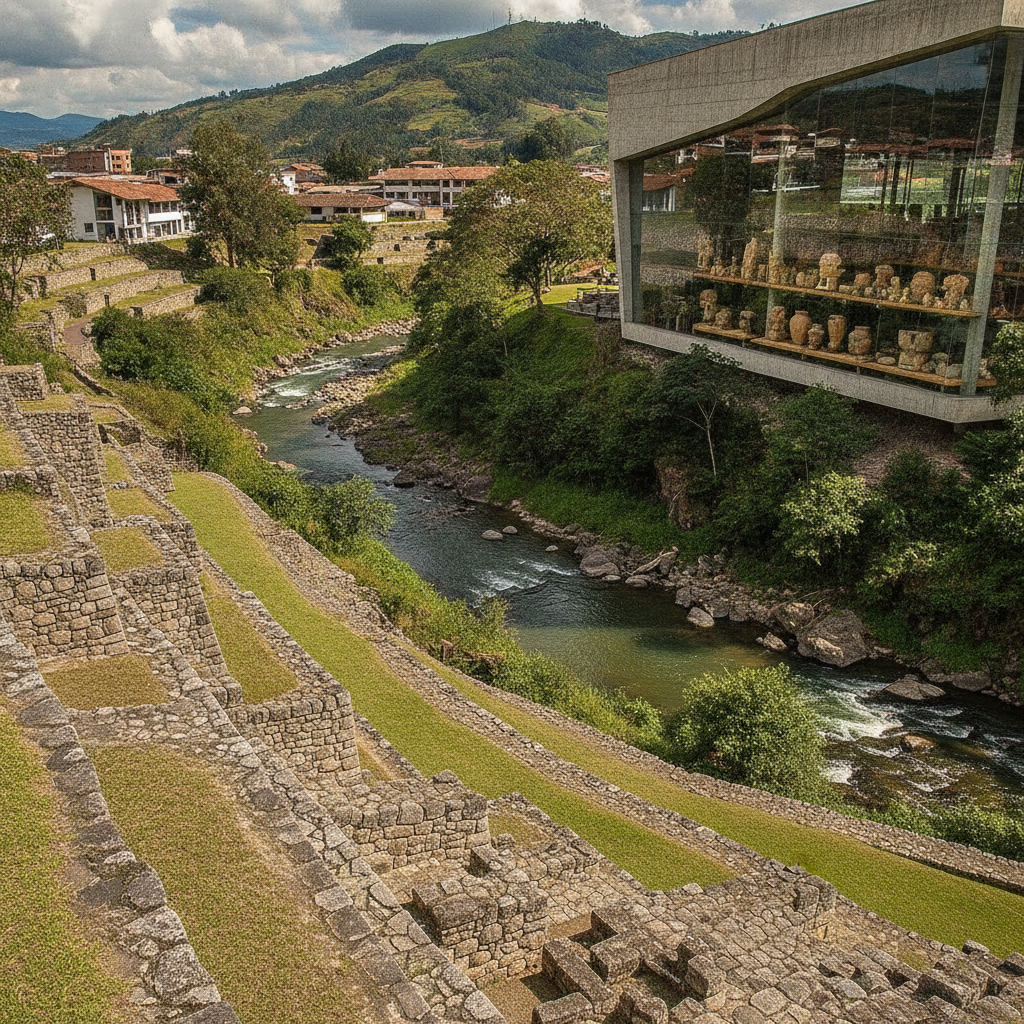
Pumapungo — the ruins of Tomebamba, the Inca city built by Huayna Cápac — sits at the eastern edge of Cuenca's historic centre; the terraces, the archaeological museum, and the living garden of medicinal plants preserve Ecuador's most important Inca site
- 1
Tomebamba: Inca city
Tomebamba — the Inca city built by Huayna Cápac (the penultimate Inca ruler) at the end of the 15th century — was one of the most important cities of the Inca Empire; the Spanish founded Cuenca on its ruins in 1557 and used the Incas for colonial buildings
- 2
Pumapungo Archaeological Site
The surviving Inca terraces, walls and ritual pools at Pumapungo are Ecuador's most significant Inca remains in situ; the site is integrated into a riverside park with an aviary of Andean birds and the Museo del Banco Central
- 3
Museo del Banco Central
The Museo del Banco Central in Pumapungo has Ecuador's finest archaeological collection - Inca, Cañari and pre-Columbian gold, ceramics and textiles represent the full depth of pre-Spanish Ecuadorian civilization; the museum is one of the best in the country
- 4
Cañari Civilization
The Cañari people – who preceded the Incas in the Cuenca region – had a sophisticated culture with distinct pottery and metallurgy; The Cañari fiercely resisted the Inca conquest but were eventually incorporated; their cultural heritage is preserved in the Pumapungo Museum
- 5
Huayna Cápac Connection
Huayna Cápac—who built Tomebamba as his birthplace and a secondary capital—died in 1527, leaving the empire divided between his sons Huáscar and Atahualpa; the civil war that followed facilitated the Spanish conquest; Cuenca is the birthplace of this central historical figure
- 6
Inca Terraces and Garden
The Pumapungo Gardens – with traditional Andean medicinal and ritual plants grown in the Inca style – preserve ethnobotanical knowledge in living form; the Andean birds in the aviary (condors, eagles and Andean specialties) add a living ecology to the archaeological site
Walk this route with audio
Stories play automatically as you reach each stop — no tapping needed.
More in Cuenca
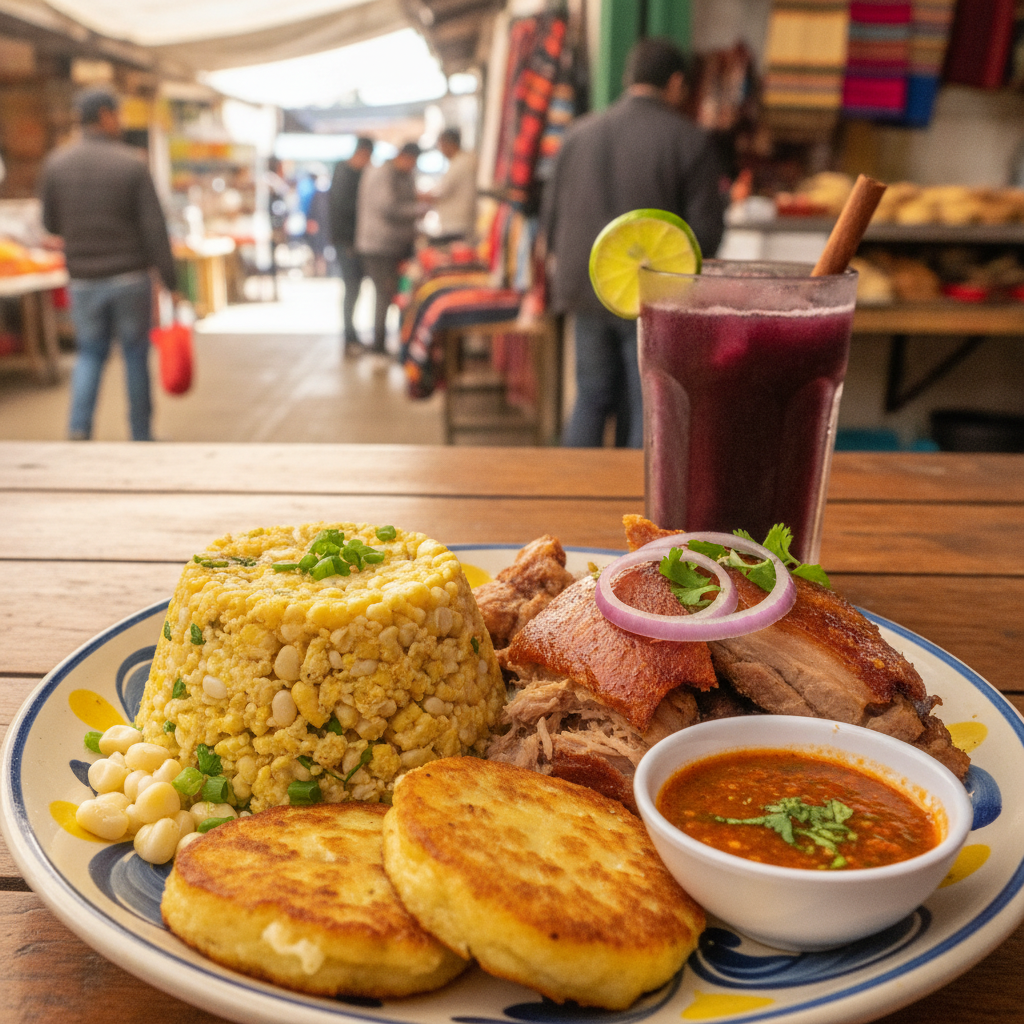
Cuenca Cuisine: Andean Corn, Pork & Colonial Flavours
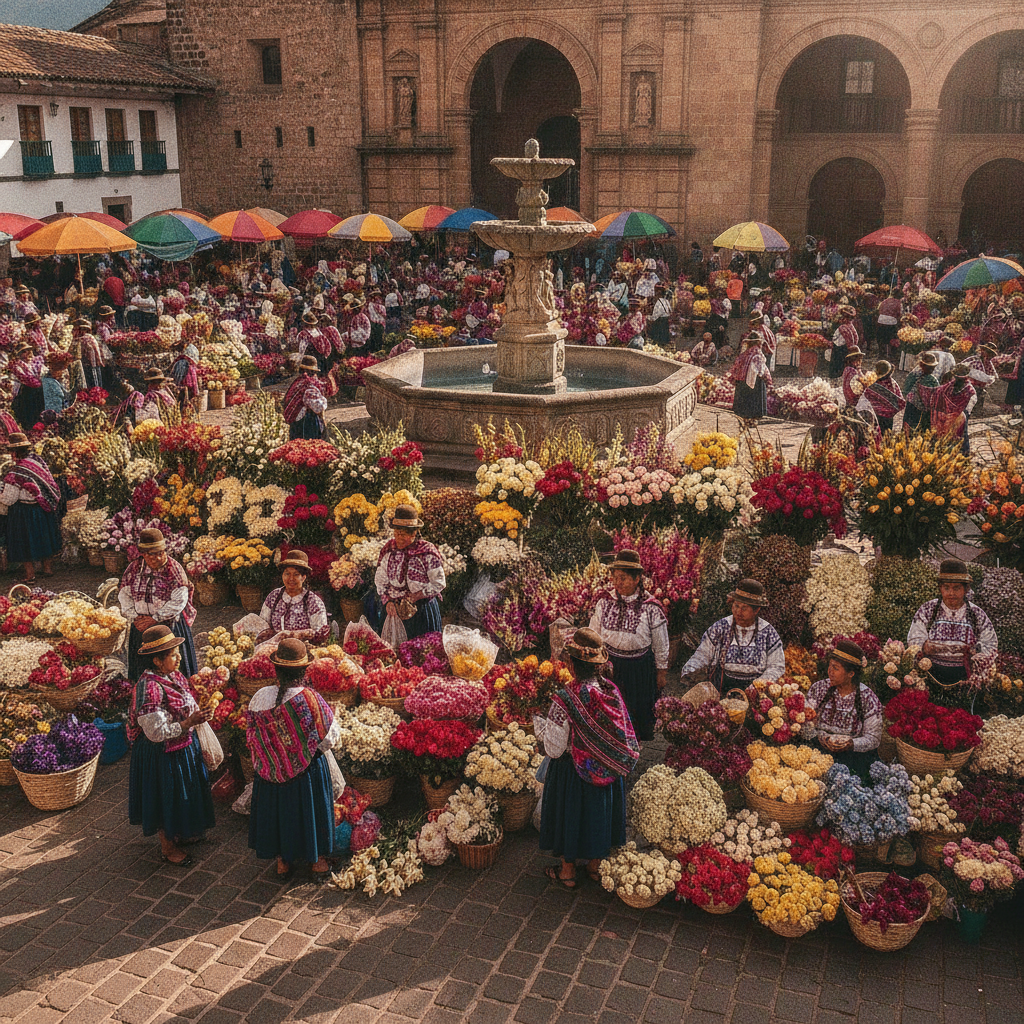
Cuenca's Flower Market: Where the Andes Bloom
Cuenca: Ecuador's Most Beautiful Colonial City
Cuenca's Arts Scene: Ecuador's Cultural Capital
Parque Nacional Cajas: A Thousand Glacial Lakes