Panama Hat: Ecuador's Greatest Craft Secret
The Panama hat — actually Ecuadorian, woven from toquilla straw in Cuenca and the coastal town of Montecristi — is one of the world's great craft traditions; UNESCO inscribed the weaving knowledge on its Intangible Heritage list in 2012
- 1
Origin misconception
The Panama hat is Ecuadorian — the name came from the hats sold to gold rush workers transiting Panama in the 1800s, and from Theodore Roosevelt's famous photograph wearing one during the construction of the Panama Canal; the actual production has always been in Ecuador
- 2
Toquilla Straw Weaving
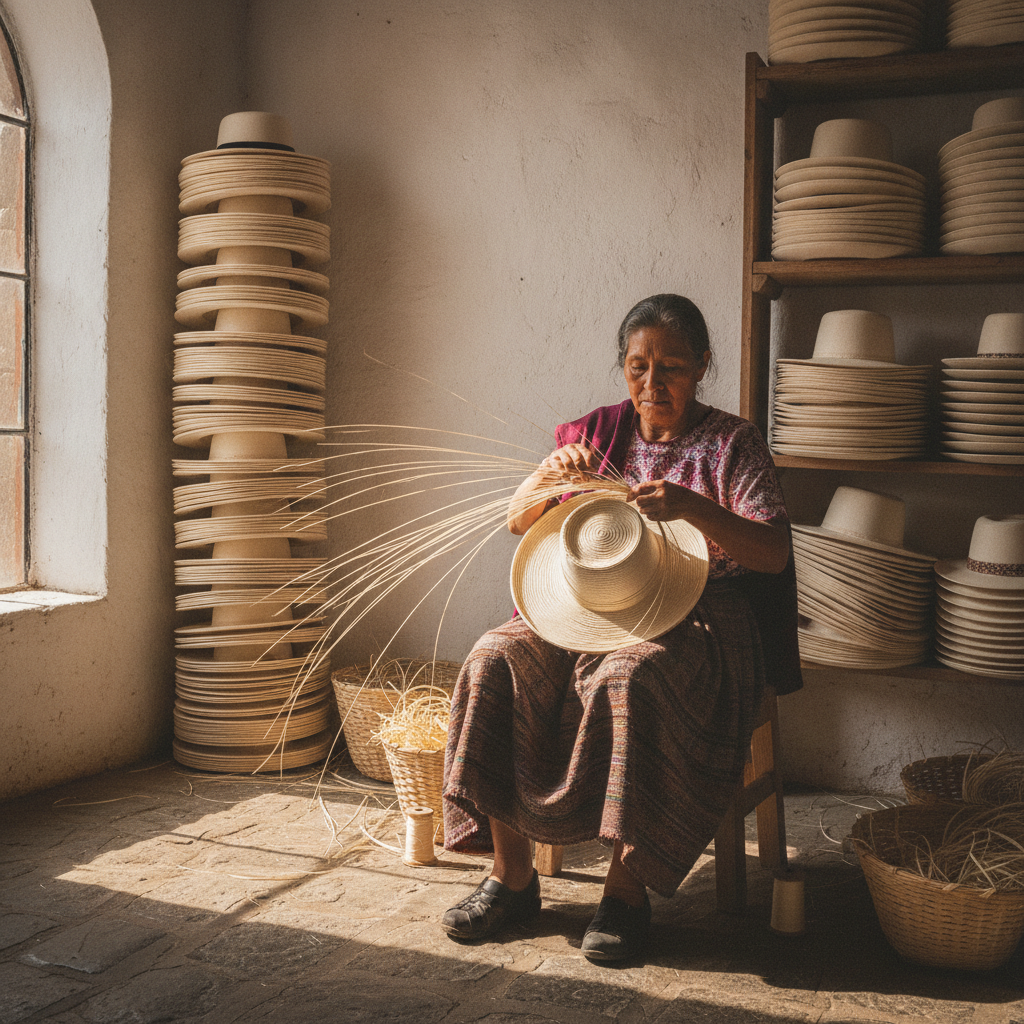
The toquilla straw (Carludovica palmata) is harvested young, split, boiled and dried before being woven into hats; the finest hats—superfinos from Montecristi—take 6 months to a year to weave and can cost thousands of dollars; The Cuenca hats are generally finer than factory made
- 3
Cuenca Hat Workshops
Cuenca has several traditional hat workshops — the Homero Ortega factory and others welcome visitors to see weaving, blocking and finishing; the transformation from raw straw to a finished, shaped hat is a remarkable demonstration of craftsmanship
- 4
UNESCO recognition
The art of weaving traditional Toquilla straw hats was inscribed on UNESCO's Intangible Cultural Heritage List in 2012; the recognition has supported the continuation of the craft as younger weavers see cultural and economic value in the tradition
- 5
Hat rating and quality
Panama hats are graded by weave fineness — from simple tourist hats to the ultra-fine Montecristi superfinos with over 1,200 weaves per square inch; the finest Montecristi hats, when rolled and passed through a ring, return to their original shape
- 6
Craft Markets
Cuenca's craft markets—especially the market near Todos Santos Church—sell Panama hats along with other Ecuadorian crafts; the indigenous and mestizo artisans of the Cuenca region also produce silver jewelry, ceramics and the distinctive Ecuadorian textiles
Walk this route with audio
Stories play automatically as you reach each stop — no tapping needed.
More in Cuenca
Cuenca Cuisine: Andean Corn, Pork & Colonial Flavours
Cuenca's Flower Market: Where the Andes Bloom
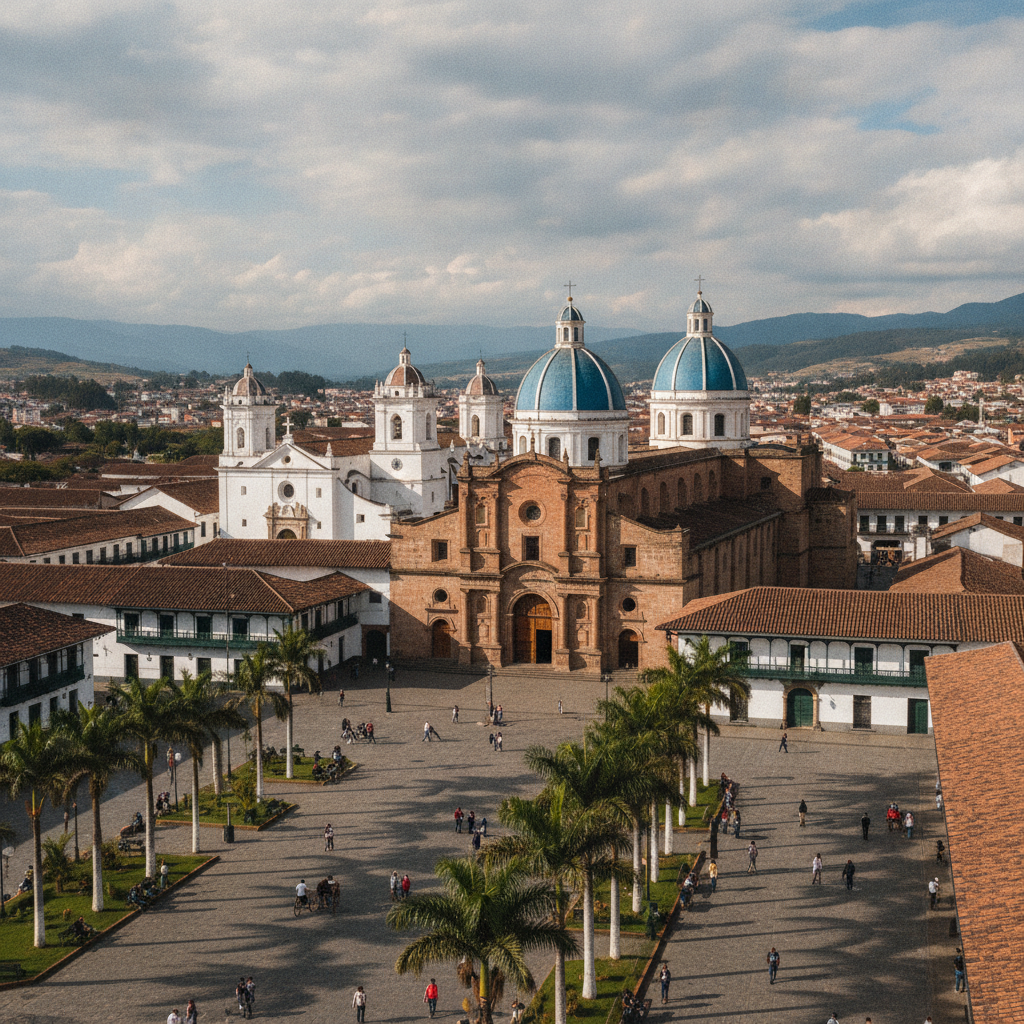
Cuenca: Ecuador's Most Beautiful Colonial City
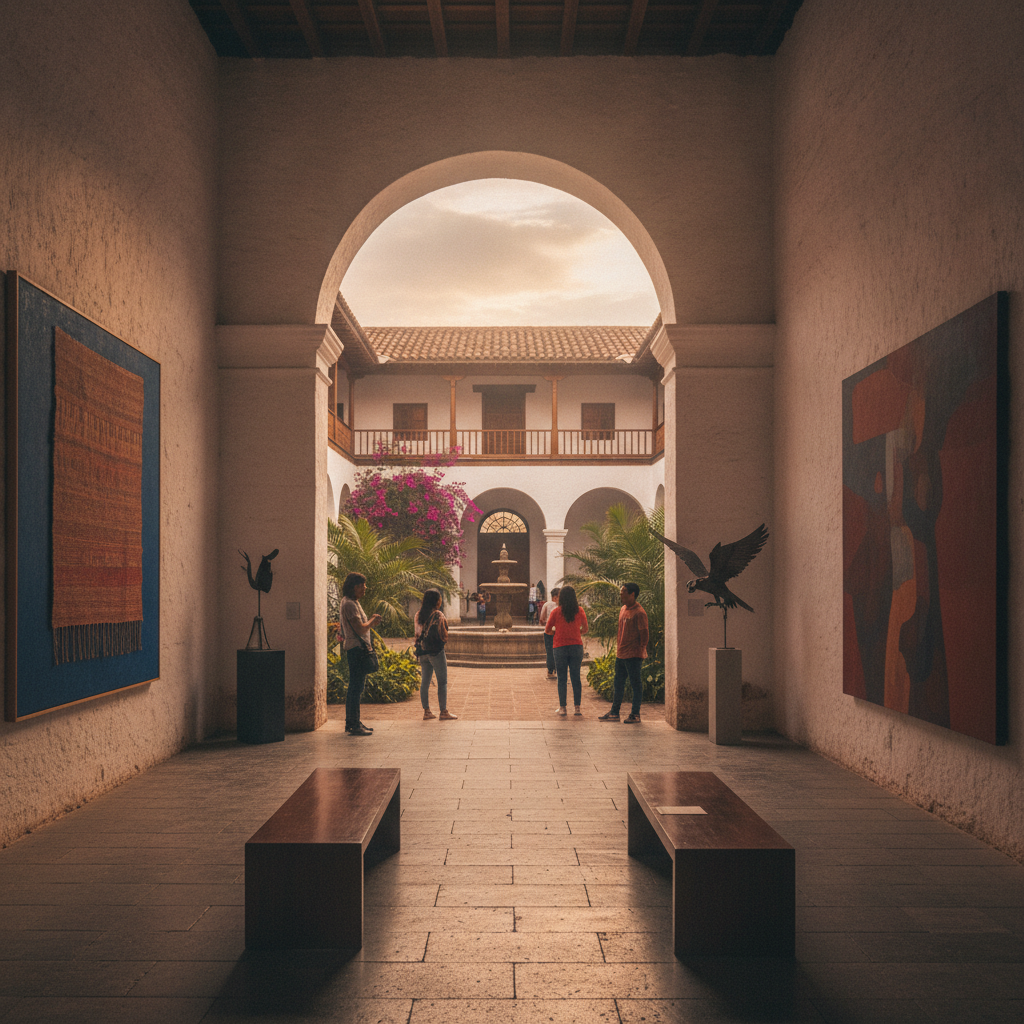
Cuenca's Arts Scene: Ecuador's Cultural Capital
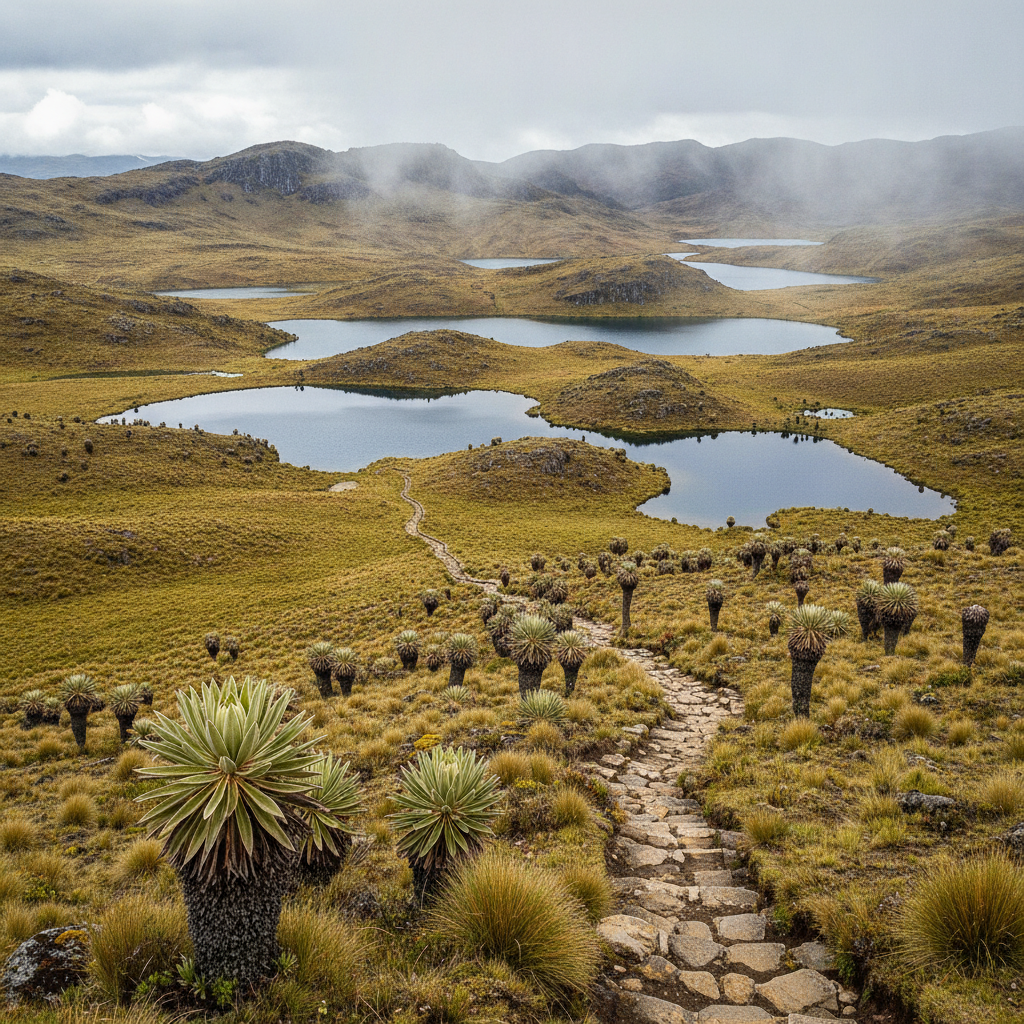
Parque Nacional Cajas: A Thousand Glacial Lakes