Cuenca's Arts Scene: Ecuador's Cultural Capital
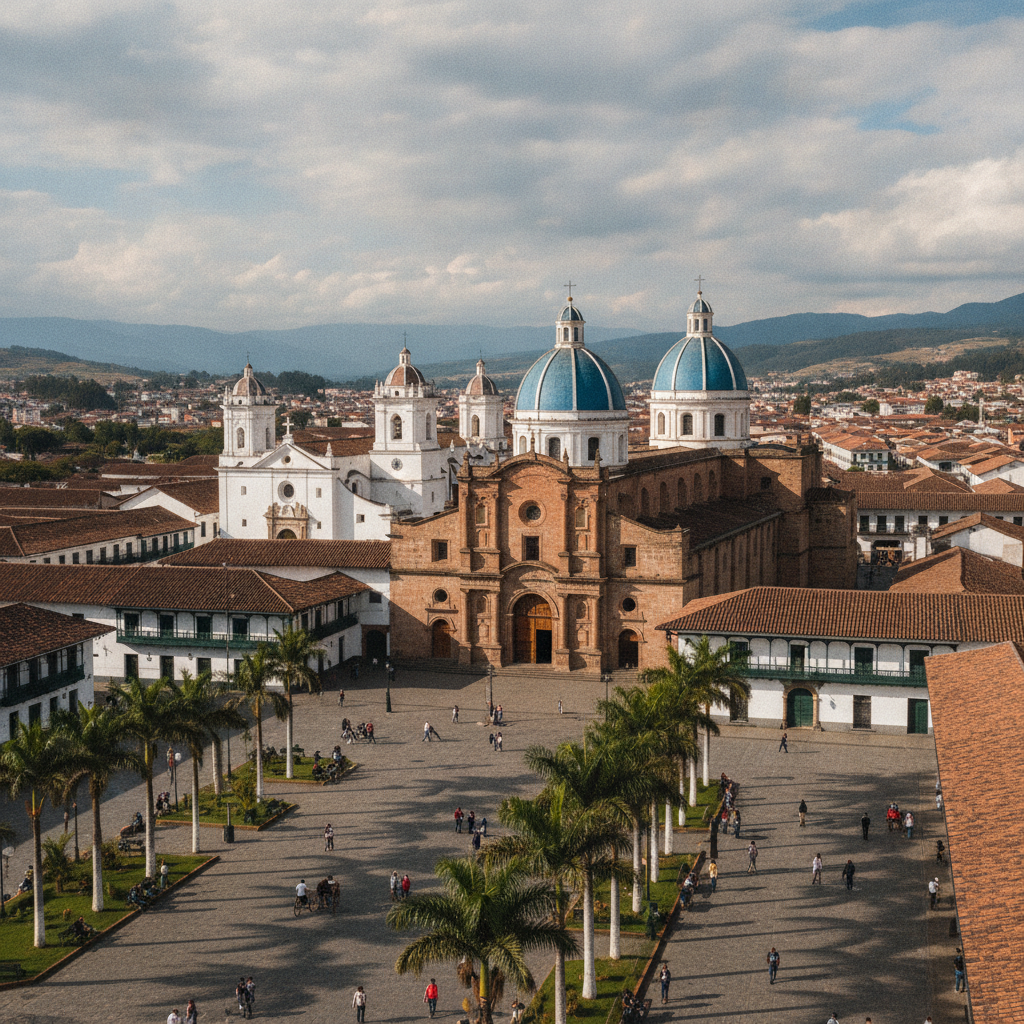
Cuenca is Ecuador's cultural capital — the city has more museums, galleries, and cultural institutions per capita than any other Ecuadorian city; the Biennial of Cuenca and the active contemporary art scene coexist with the colonial heritage
- 1
Bienal de Cuenca
The Bienal Internacional de Pintura de Cuenca – held every two years – is Latin America's most important painting biennial; since 1987 it has attracted artists from all over the world and established Cuenca as an international center for contemporary art
- 2
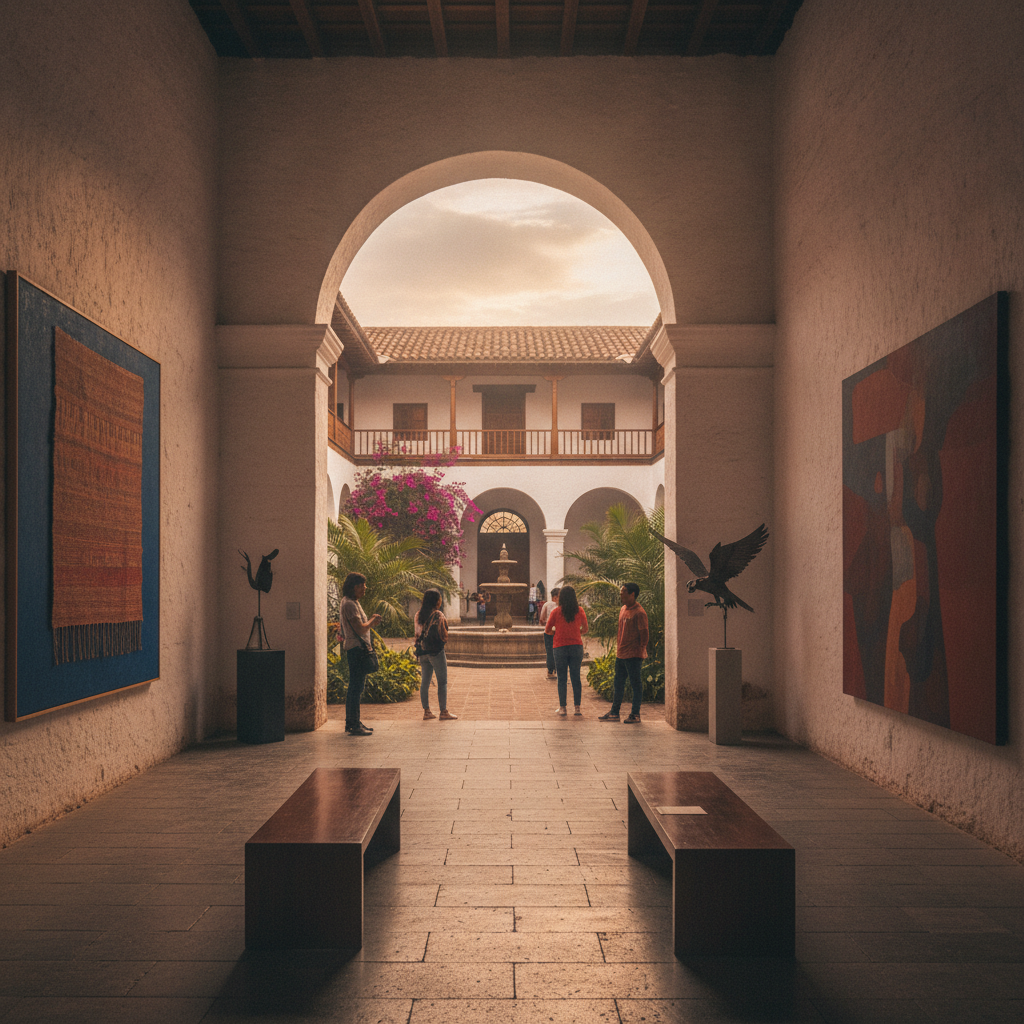
Museo de Arte Moderno
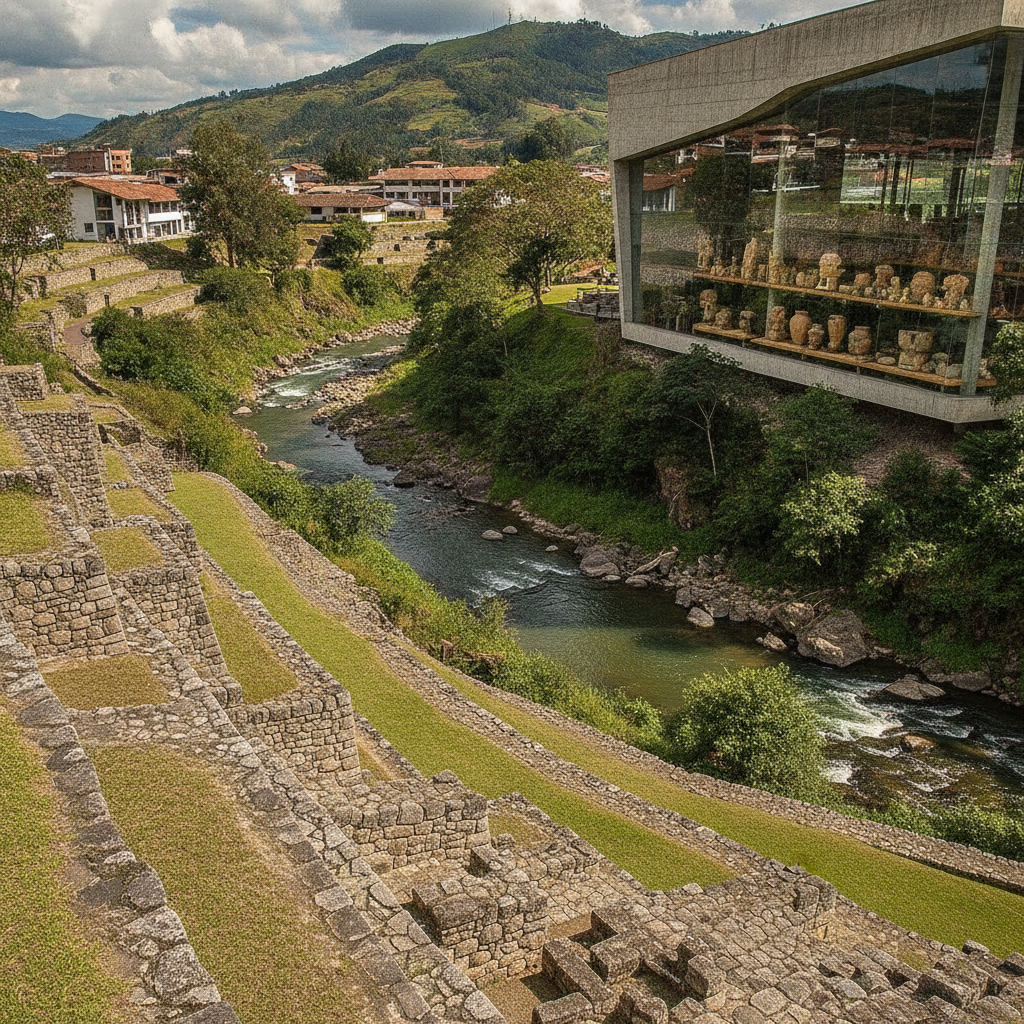
The Museo de Arte Moderno - in a restored colonial building - is Ecuador's finest contemporary art museum; the collection of Ecuadorian modern and contemporary art and the rotating international exhibitions make it a serious cultural institution
- 3
Colonial Religious Art
Cuenca's colonial churches and the Museo de las Conceptas (a convent museum) preserve an extraordinary collection of colonial religious art – the painted retablos, the polychrome sculptures and the embroidered robes represent 300 years of colonial artistic production
- 4
Cuenca Literati
Cuenca has produced Ecuador's most important writers – Jorge Icaza (author of Huasipungo), Dolores Veintimilla and Manuel J. Calle were all Cuencanos; the literary tradition is maintained through the Casa de la Cultura and the city's bookstores and reading culture
- 5
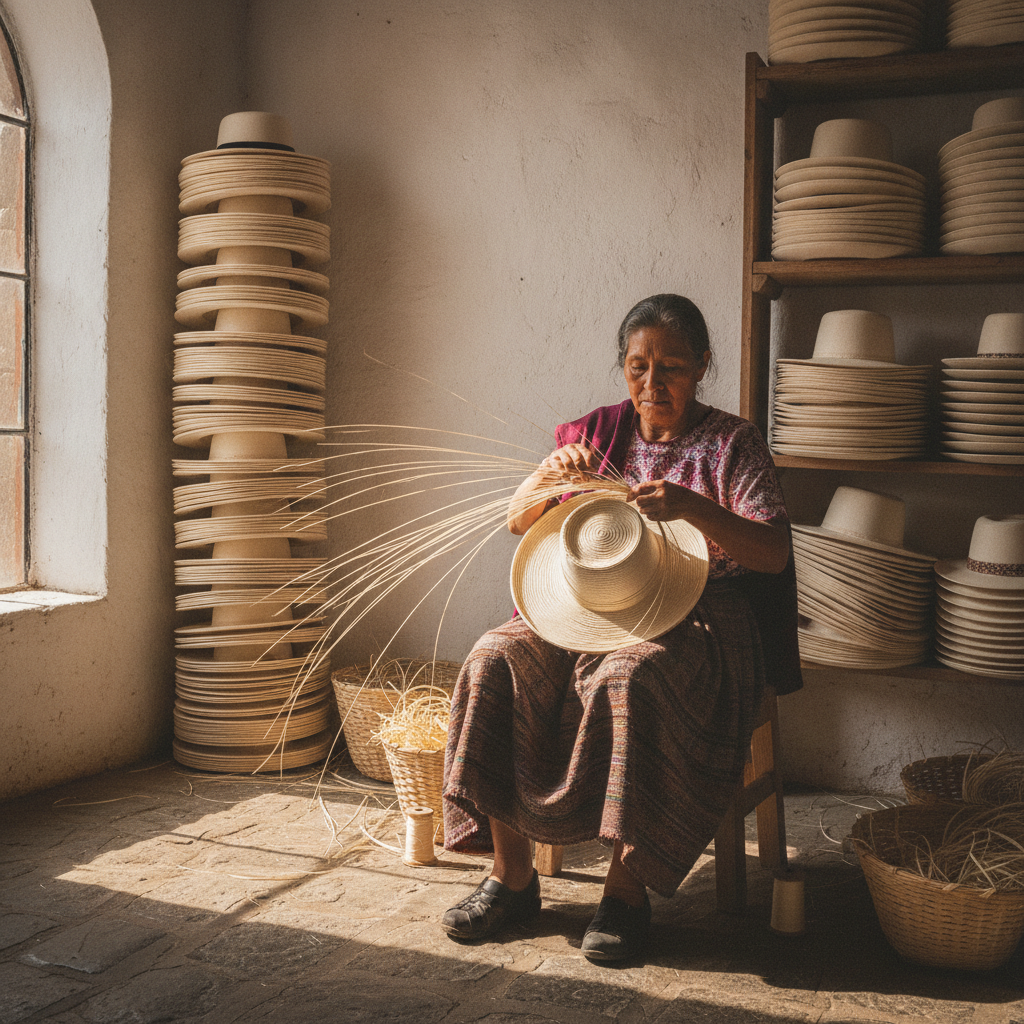
Craft Silver Tradition
Cuenca is Ecuador's silversmithing capital – the artisans in the historic center produce filigree silver jewellery, religious objects and decorative objects using techniques from colonial Spain; the silver market near the new cathedral is the best place to see and buy the work
- 6
Carnaval de Cuenca
Cuenca's Carnival – held in February – has a distinct tradition of water throwing (mojar) combined with cultural events; the city's celebrations mix the Spanish carnival tradition with Andean festivities; the water fights in the streets are exuberant and involve all the
Walk this route with audio
Stories play automatically as you reach each stop — no tapping needed.