Cuenca's Cloud Forest: Orchids & Hummingbirds
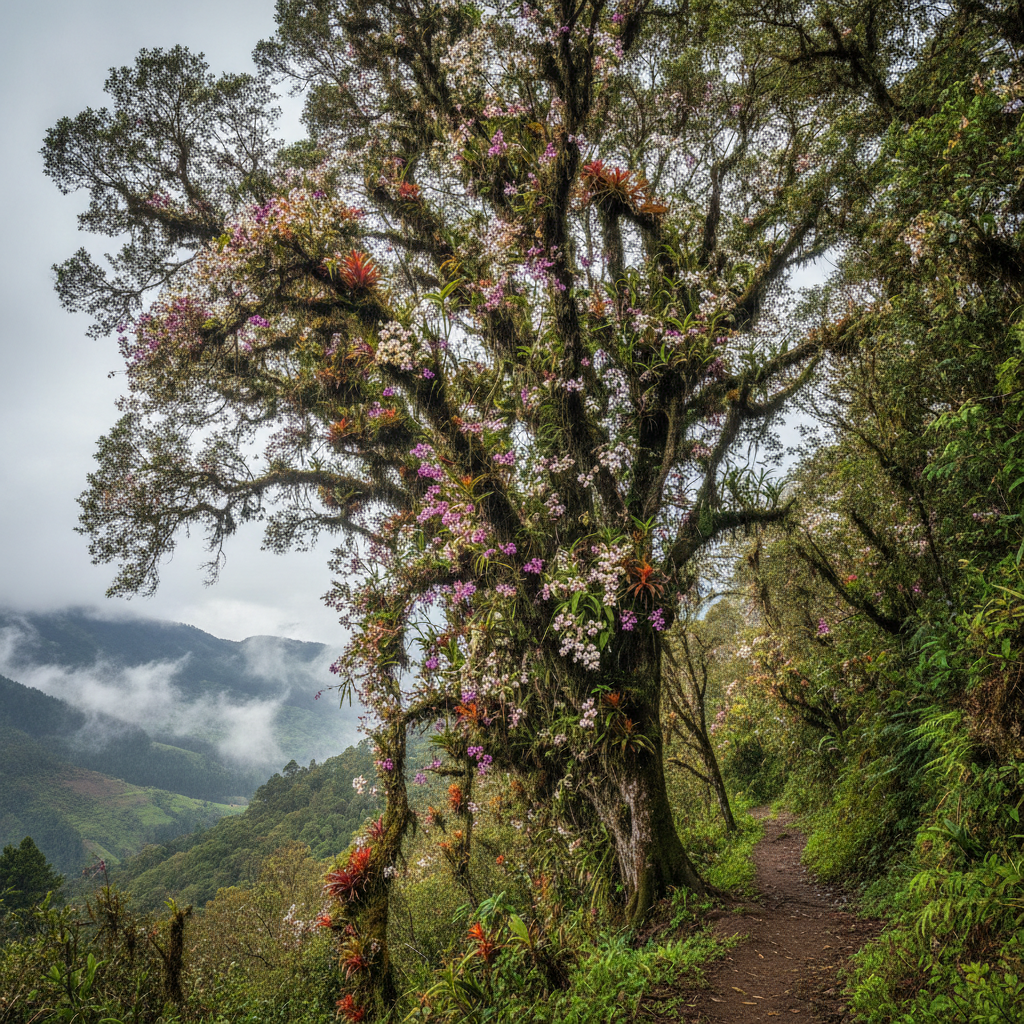
The cloud forests surrounding Cuenca — particularly in the Podocarpus National Park to the south — have extraordinary orchid and hummingbird diversity; Ecuador has more orchid species than any country on Earth
- 1
Ecuador Orchid Capital
Ecuador has over 4,000 orchid species - more than any other country; the cloud forests of the southern Andes around Cuenca are among the world's richest orchid habitats; the diversity of cloud forest microhabitats supports extraordinary orchid diversity
- 2
Podocarpus National Park
Podocarpus National Park — 80 km south of Cuenca — protects cloud forest and páramo with outstanding biodiversity; the park's bird list (over 600 species) and its extraordinary orchid and bromeliad diversity make it one of the world's great national parks
- 3
Hummingbird Richness
The cloud forests near Cuenca have an exceptional diversity of hummingbirds - the rainbow-bearded thornbird, the purple-throated sun angel and the white-bellied wood star are among Cuenca's specialties; the combination of altitude and cloud forest creates multiple hummingbird communities
- 4
Spectacled Bear in Podocarpus
The spectacled bear — South America's only bear — lives in the Podocarpus cloud forest; the bears use the cloud forest-páramo transition zone; camera traps in the park regularly catch them feeding on Andean fruits and bromeliads
- 5
Tapichalaca Reserve
The Tapichalaca reserve - in the cloud forest south of Cuenca - was created specifically to protect the jocotoco antpitta, a bird discovered in 1997 and immediately recognized as critically endangered; the antpitta is now fed by hand by reserve staff and reliably seen
- 6
Andean Mountain Tapir
The mountain tapir — the smallest and highest species of tapir, with its woolly fur — lives in the cloud forest above Cuenca; tapir tracks and dykes are found on trails in Podocarpus cloud forest; sightings are exceptional but the knowledge of their presence creates an atmosphere
Walk this route with audio
Stories play automatically as you reach each stop — no tapping needed.
More in Cuenca
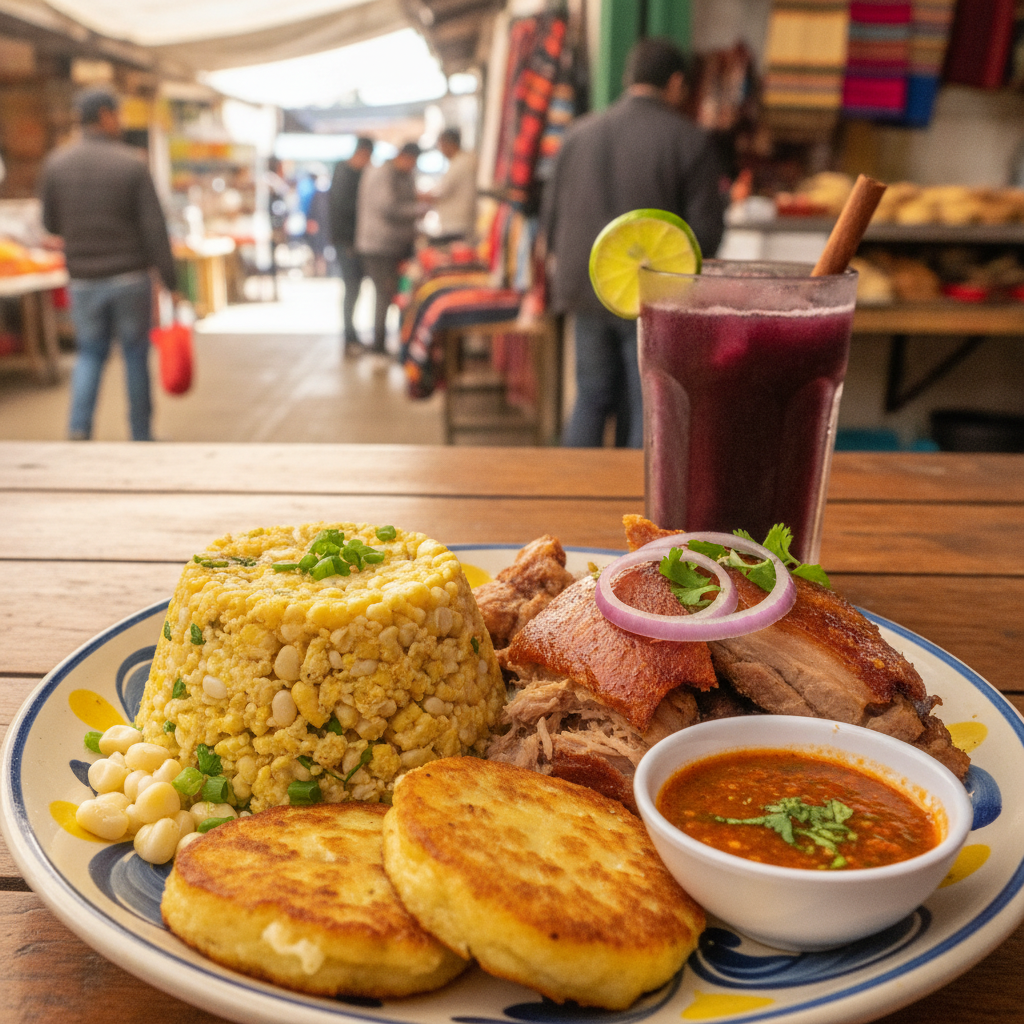
Cuenca Cuisine: Andean Corn, Pork & Colonial Flavours
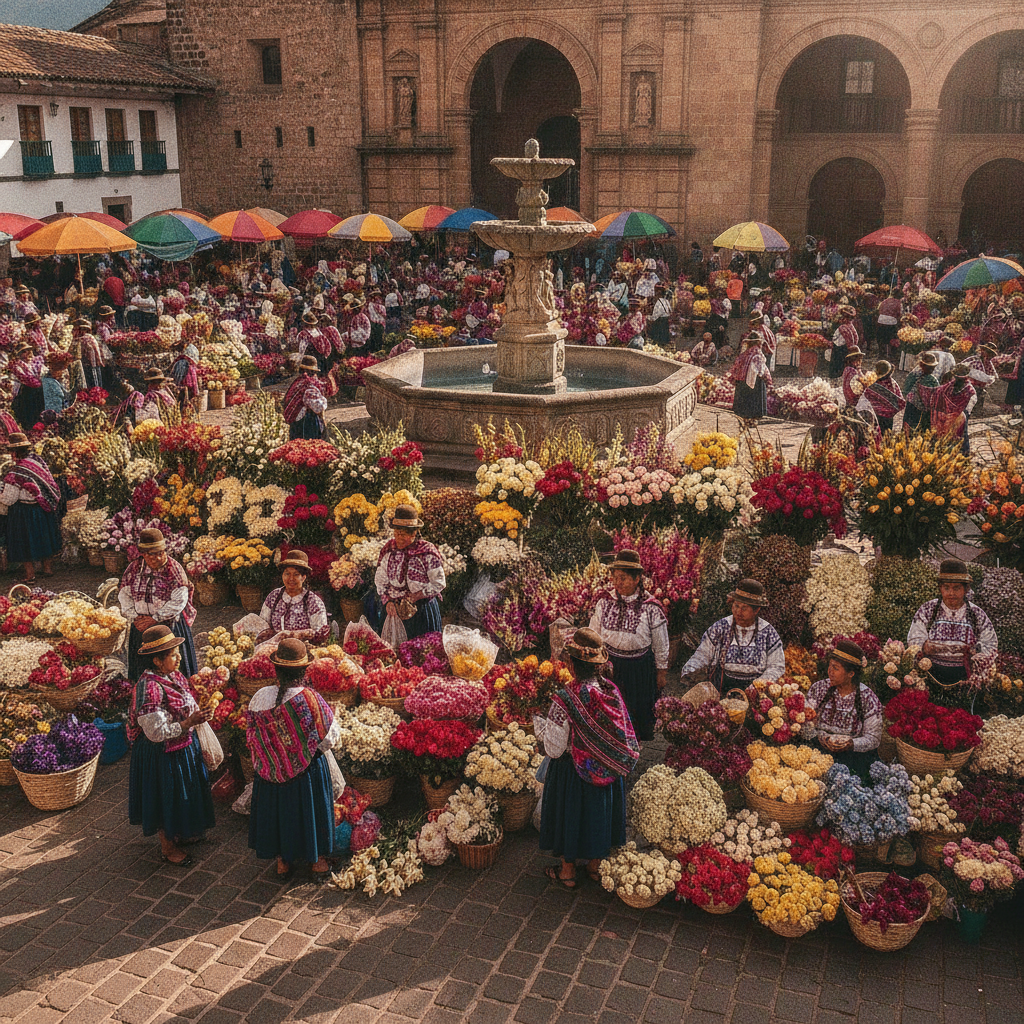
Cuenca's Flower Market: Where the Andes Bloom
Cuenca: Ecuador's Most Beautiful Colonial City
Cuenca's Arts Scene: Ecuador's Cultural Capital
Parque Nacional Cajas: A Thousand Glacial Lakes