Chitwan Tharu Village Cultural Walk
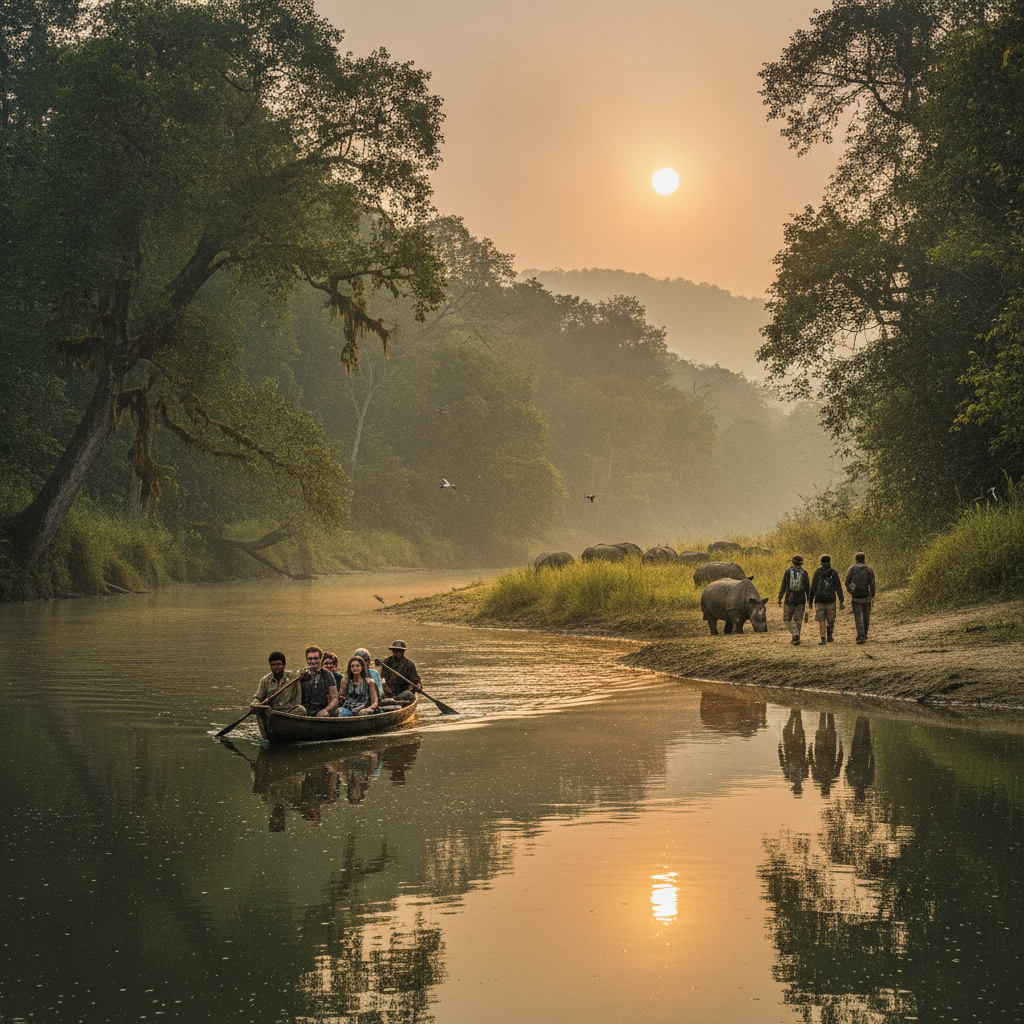
Meet the Tharu people of Chitwan — the indigenous Tharu community whose villages surround Chitwan National Park have lived alongside the wildlife of the Terai for generations, their distinctive culture, their traditional architecture, and their remarkable biological resistance to malaria creating the most unique single indigenous community encounter accessible in Nepal.
- 1
Tharu Village Entrance
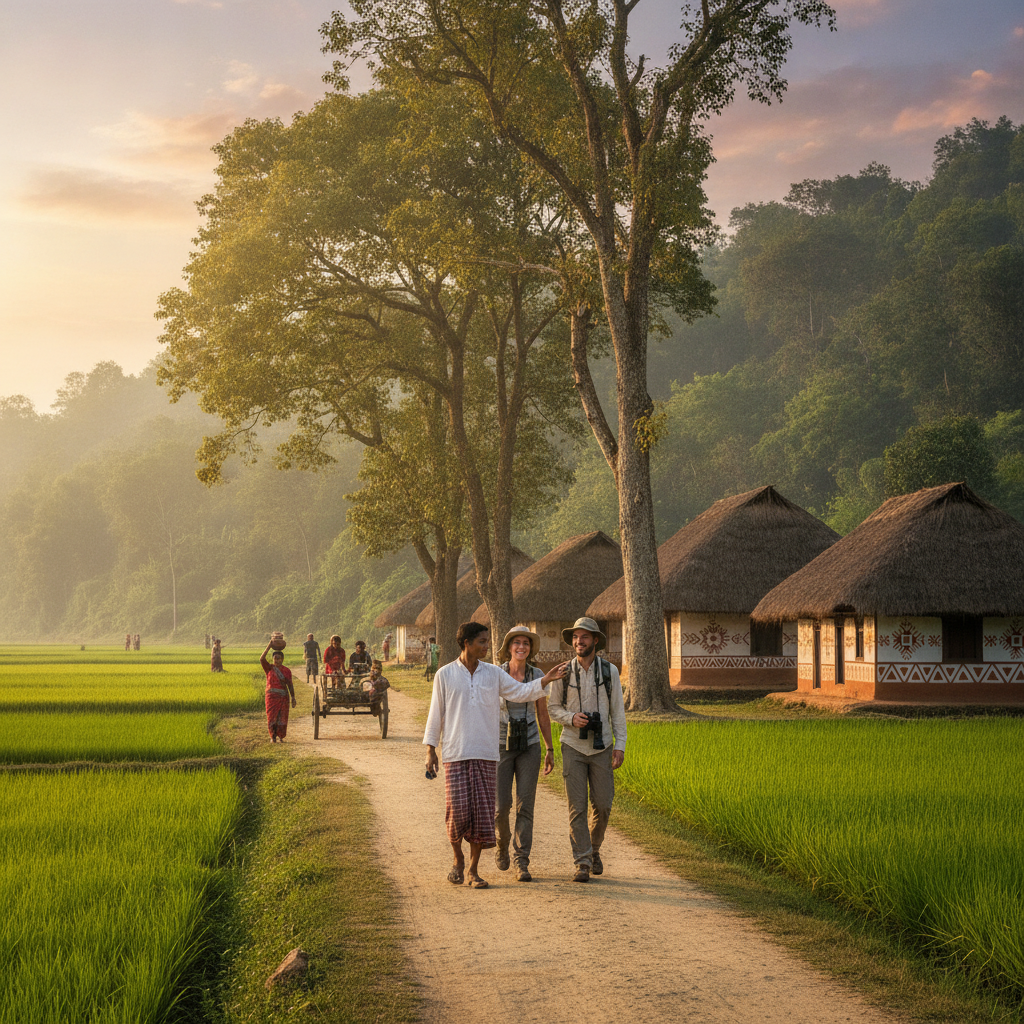
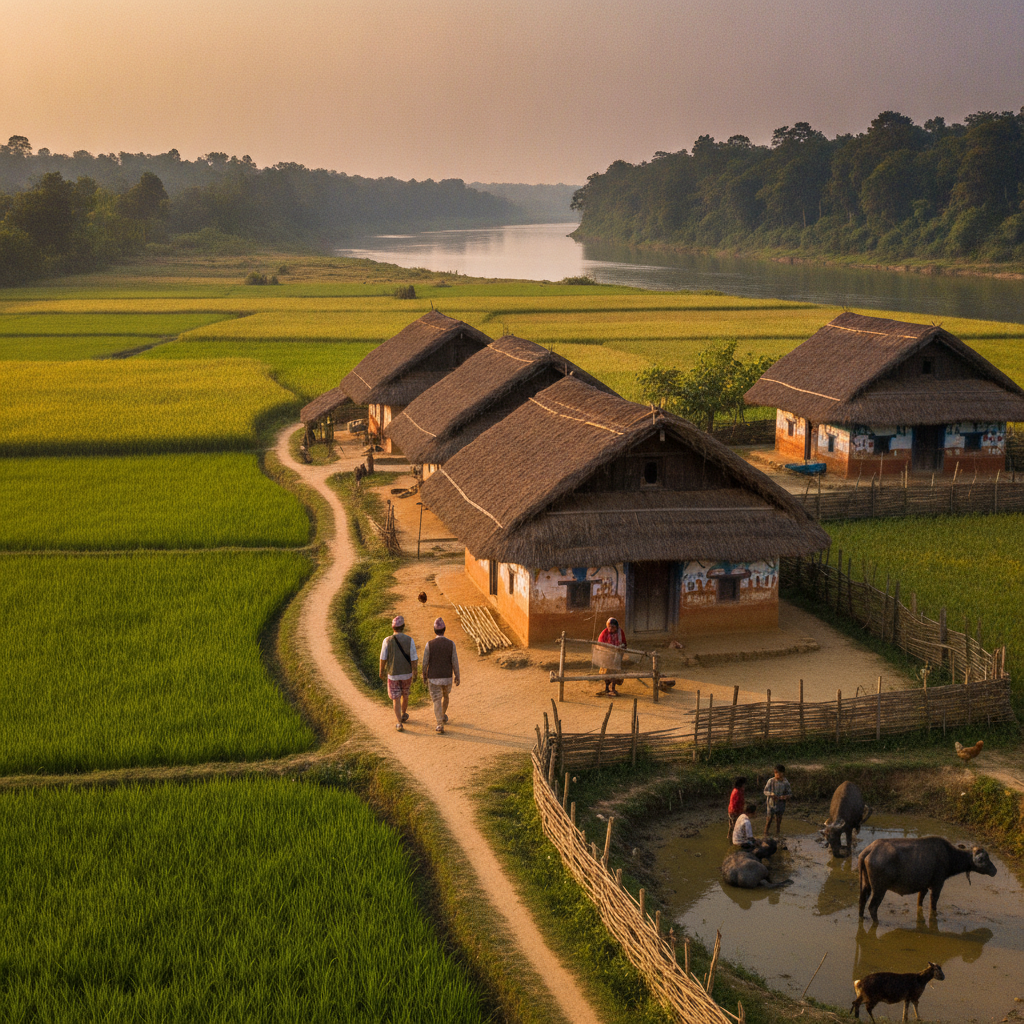
The Tharu village entrance (the gateway to the traditional Tharu settlement in the Chitwan buffer zone, the mud-plastered houses with their distinctive geometric pattern decorations visible from the lane approach, and the Tharu community's daily life beginning in the early morning with the women's domestic activity visible in the courtyards and the men heading to the fields with the farming implements) is the most visually distinctive single cultural entrance accessible in Nepal — the Tharu architecture's specific character (the low mud-and-bamboo construction with the elaborately decorated exterior wall patterns — the white lime designs on the reddish clay plaster that are the most immediately Tharu-culturally distinctive single visual element accessible in the Chitwan area — and the thatched roof that provides the most effective single insulation for the hot Terai climate) and the village's spatial organisation (the cattle byre adjacent to the main house, the grain storage building in the courtyard, and the communal water source visible at the village centre) reveal the most completely agricultural single community layout accessible in the Nepal Terai. The Tharu people's specific historical relationship with the jungle (the community's centuries-long co-existence with the malaria-endemic Terai forest that other Nepal ethnic groups could not settle, the biological resistance to malaria in the Tharu population representing the most remarkable single adaptive trait accessible in the Nepal indigenous community) is the most ecologically extraordinary single cultural-natural interface accessible in the country.
- 2
Tharu Kitchen Demonstration
The Tharu kitchen demonstration (the guided encounter with the traditional Tharu cooking, the preparation of the dhikri rice dumpling and the fish curry that are the most distinctively Tharu-specific single food items accessible in the Chitwan buffer zone community) is the most directly food-culturally informative single encounter accessible during the Tharu village walk — the dhikri's preparation (the rice flour mixed and formed into the banana leaf-wrapped parcels that are the most distinctively Tharu single food form accessible in Nepal, the parcels steamed over the clay pot cookstove that is the most consistently Tharu-kitchen-identifying single piece of cooking equipment accessible in the community) and the fish curry (the freshwater fish caught from the Rapti River — the most important single protein source of the traditional Tharu diet — prepared with the mustard oil and the spices that characterise the Terai food tradition distinguished from the upland Nepal cooking) create the most completely Tharu-gastronomically informative single food encounter accessible in the Chitwan area. The Tharu kitchen's physical character (the low-roofed cooking space, the clay fireplace with the blackened pot, and the dried fish and the seeds hung from the rafters for storage — the most directly functional single domestic food storage visible in the Nepal village kitchen) is the most revealing single domestic architecture element accessible during the Tharu community visit.
- 3
Traditional Fishing Method
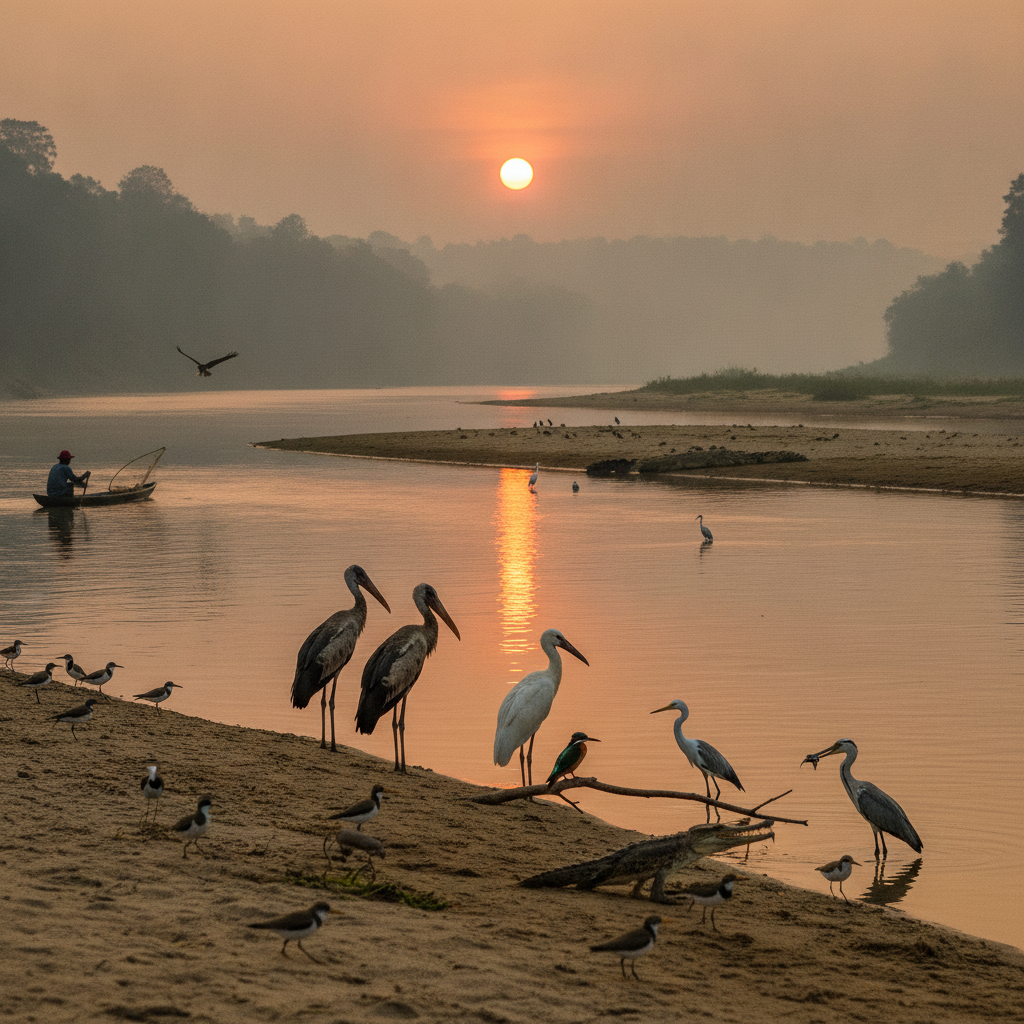
The traditional Tharu fishing demonstration at the Rapti River (the Tharu men's use of the traditional fish trap — the bamboo weir constructed across a stream channel — and the hand net fishing techniques that represent the most historically continuous single fishing method accessible in the Chitwan area) is the most directly traditional-technology-demonstrating single encounter accessible during the Tharu cultural experience — the bamboo fish trap's construction (the woven bamboo funnel design that channels the fish into the trap's narrow end with the most efficient single passive fishing technology accessible in the Terai, the trap's placement at the stream outlet points where the fish movement is most concentrated during the seasonal water level changes) and the hand net technique (the skilled casting and the reading of the water surface for the fish shoal signs that represent the most experientially demanding single fishing skill accessible during the Tharu cultural demonstration) create the most directly traditional-knowledge-transmitting single fishing encounter accessible in Nepal. The river fishing's seasonal character (the monsoon season flooding that makes the fish most abundant and most accessible to the traditional methods, the Tharu community's intimate knowledge of the river's fish population cycles representing the most ecologically sophisticated single traditional environmental knowledge accessible in the Chitwan buffer zone) is the most ecologically informative single aspect of the Tharu fishing encounter.
- 4
Tharu Dance Performance
The Tharu cultural dance performance (the evening performance of the traditional Tharu stick dance — the Danda Nach — and the peacock dance accessible at the Tharu cultural programme in the Sauraha village, the performers in the traditional costume of the male dancers (the white loincloth and the beaded necklace) and the female dancers (the distinctive Tharu silver jewellery and the embroidered blouse visible against the firelit performance space) is the most visually spectacular single cultural performance accessible in the Nepal Terai — the stick dance's physical character (the rhythmic striking of the long sticks between the male dancers in an accelerating pattern, the coordination required to avoid injury making the most athletically demanding single traditional dance accessible in Nepal) and the peacock dance (the female dancers' imitation of the peacock's display movements, the hands mimicking the feathers and the footwork suggesting the bird's gait — both the most elegant and the most directly wildlife-connected single dance form accessible in the Chitwan cultural programme) create the most completely Tharu-culturally representative single evening performance accessible in Nepal. The firelit performance space (the traditional torches illuminating the dance area, the audience seated on the ground in the Tharu village courtyard) is the most atmospherically authentic single performance setting accessible in the Nepal cultural programme.
- 5
Bullock Cart Village Tour
The bullock cart tour of the Tharu village areas (the ride through the buffer zone villages and the agricultural land on the traditional ox-drawn cart, the slow pace of the bullock cart the most appropriate single speed for observing the detailed Tharu landscape visible in the lane-side mud houses, the paddy fields, and the community activity) is the most leisurely-observation-enabling single village tour accessible in the Chitwan area — the bullock cart's sensory character (the creak of the wooden cart, the plodding footfall of the animals on the lane surface, and the slow panorama of the village landscape visible from the cart seat) and the lane-side activity visible during the ride (the women washing at the village well, the children returning from school, and the farmers driving their cattle to the fields in the evening creating the most naturally animated single village scene accessible during a Nepal cultural excursion) create the most genuinely unhurried single traditional village experience accessible in Nepal. The bullock cart's traditional design (the wooden frame construction, the spoke wheels, and the draught harness representing the same technology used in the Terai for the past thousand years) is the most directly traditional-technology-demonstrating single vehicle accessible during the Chitwan cultural programme.
- 6
Sunset Village Return
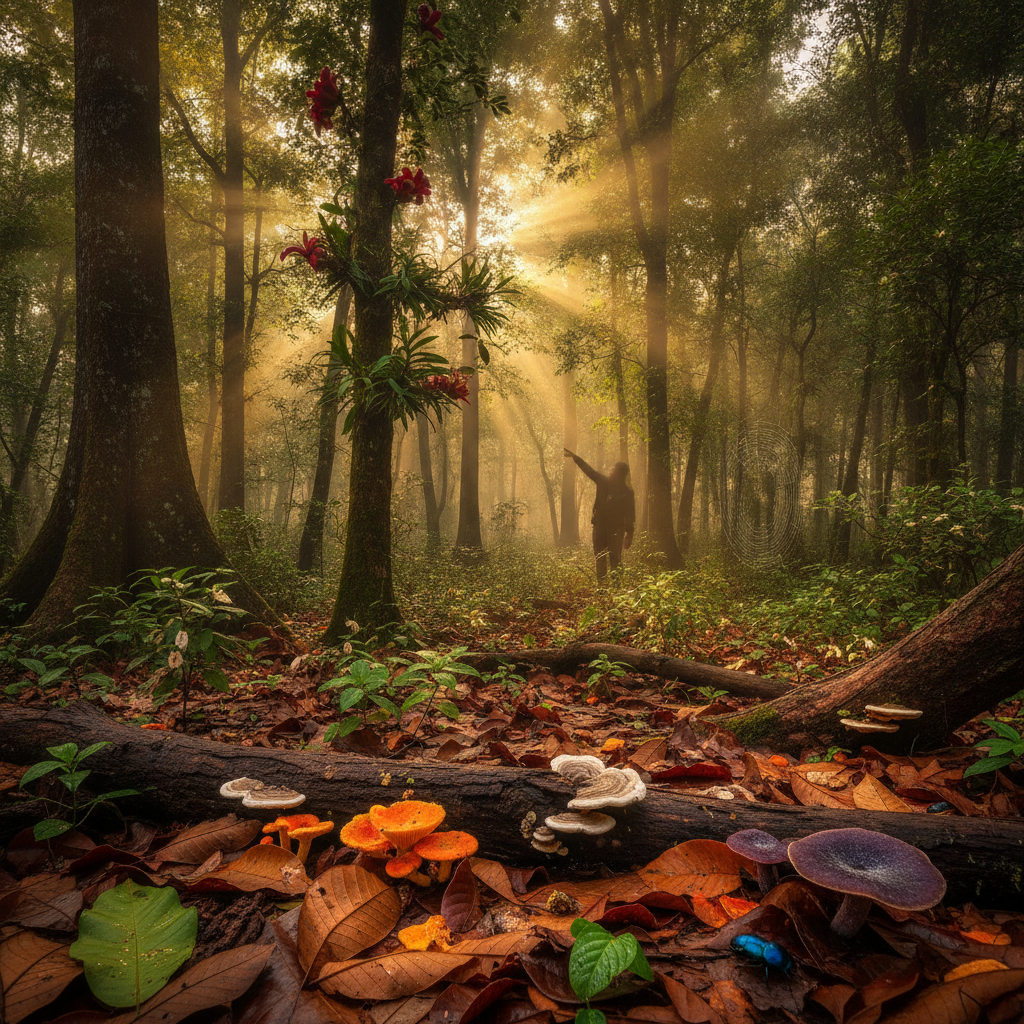
The return to the Sauraha village at sunset (the walk or the bullock cart ride back through the buffer zone in the evening light, the Tharu community's evening activity visible — the cooking fires beginning, the children playing in the lane, and the cattle returning from the grazing to the village byres) completes the most completely daily-life-surveying single cultural encounter accessible in the Chitwan destination — the sunset's specific quality in the Terai (the deep orange and red sky visible over the Chitwan sal forest at the western edge of the national park, the grassland visible beyond the buffer zone trees, and the evening bird calls starting from the riverside vegetation providing the most combined natural-cultural single sunset experience accessible in Nepal) and the village's transition from the day's work to the evening's domestic activity (the most directly observational single moment of the community's daily cycle accessible during the Chitwan cultural walk) create the most completely human-natural integration visible at any Nepal destination. The day's accumulated cultural observations (the cooking technique, the fishing method, the dance performance, and the village architecture observed during the Chitwan Tharu experience) provide the most thoroughly comprehensive single indigenous cultural survey accessible in Nepal's national park buffer zone.
Walk this route with audio
Stories play automatically as you reach each stop — no tapping needed.