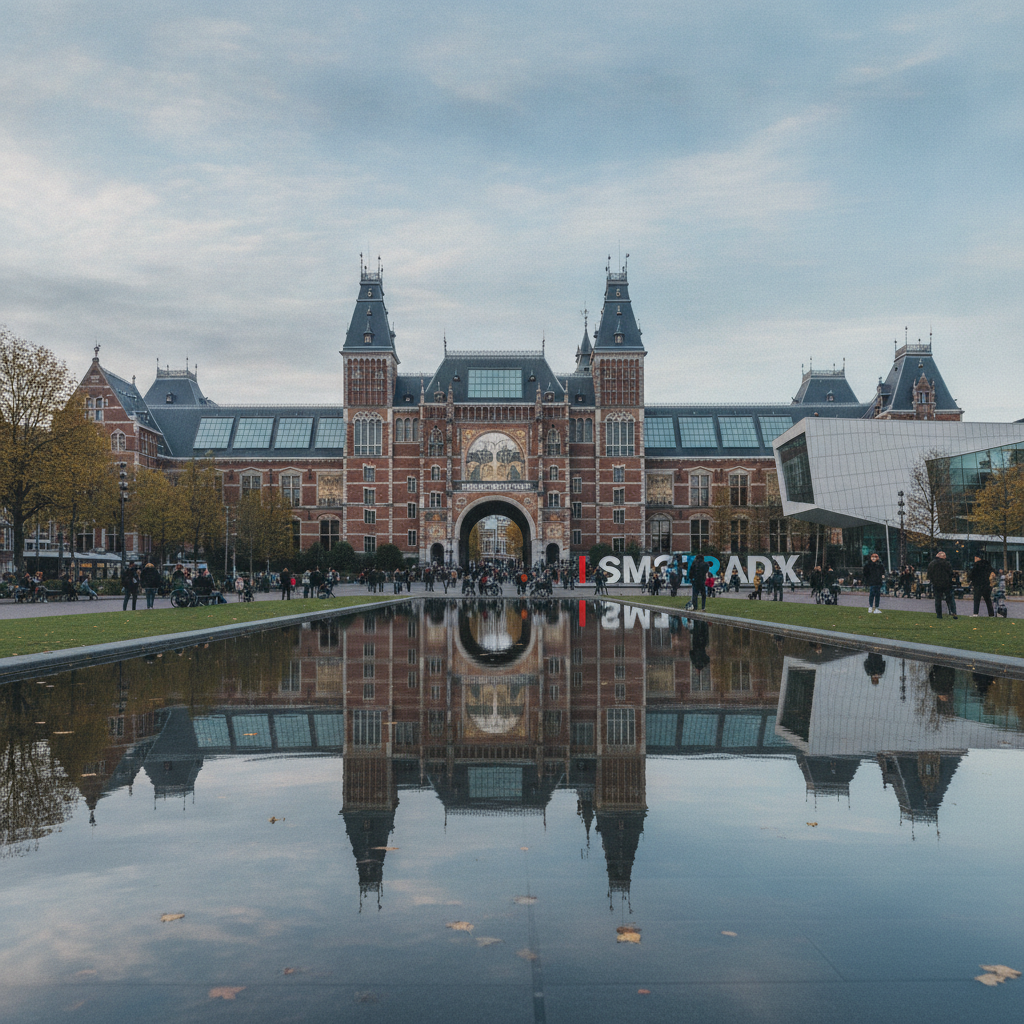

Rijksmuseum, Van Gogh & Museumplein: The Museum Quarter
The Museumplein, a broad open square in Amsterdam's Oud-Zuid district, anchors the most concentrated collection of world-class museums anywhere in the Netherlands: the Rijksmuseum (the Dutch national museum, 8,000 works on display, 80 galleries), the Van Gogh Museum (the largest collection of Van Gogh's work in the world, 200 paintings, 500 drawings), the Stedelijk Museum (modern and contemporary art, design), and the Concertgebouw (one of the most acoustically perfect concert halls in the world, completed 1888). The Museumplein itself, redesigned in 1999, is a social space as much as a tourist destination: a sunken pond used for skating in winter, a lawn where Amsterdammers picnic in summer, and the junction between the 19th-century museum district and the Vondelpark — the city's central park, a 47-hectare ribbon of lawn, ponds, and playgrounds that runs through Oud-Zuid. This route is the essential Amsterdam cultural itinerary.
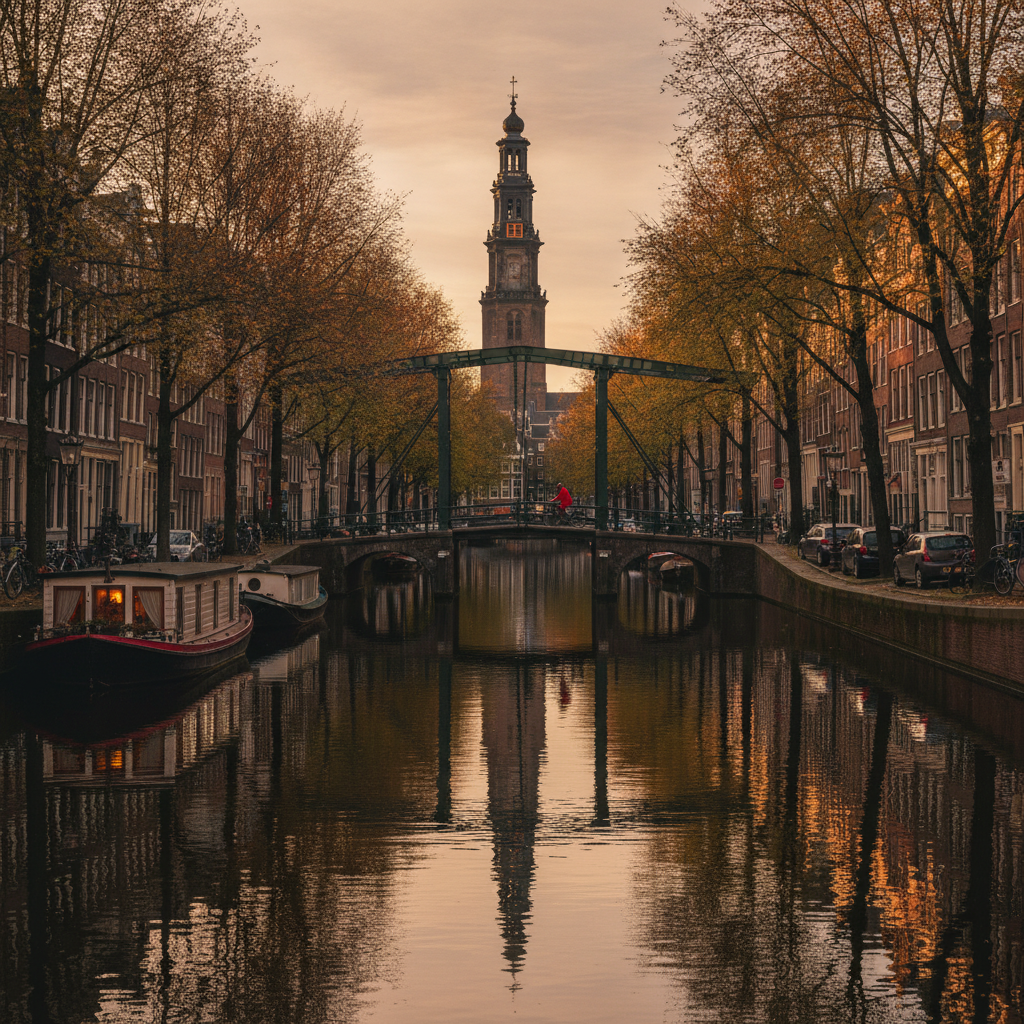
Jordaan, Anne Frank & the Canal Ring: Amsterdam's Golden Age Heart
The Canal Ring (Grachtengordel) — the semi-circular system of three concentric canals (Herengracht, Keizersgracht, Prinsengracht) dug between 1613 and 1625 during Amsterdam's explosive Golden Age expansion — is one of the most ambitious urban planning projects of the 17th century: 100 kilometers of waterway, 90 islands, 1,500 bridges, and 6,800 buildings, most of them still standing. The area was designated a UNESCO World Heritage Site in 2010. The Jordaan, the neighborhood immediately west of the Prinsengracht, was originally built as a working-class district for the artisans, craftsmen, and laborers displaced by the canal construction — its street plan following the drainage ditches of the polders that previously occupied the land, creating the irregular, small-scale street grid that distinguishes it from the formal geometry of the canal ring. Today the Jordaan is Amsterdam's most desirable neighborhood: independent boutiques, galleries, cafés, and restaurants in the ground floors of 17th-century buildings, and the Anne Frank House, one of the most visited sites in the Netherlands.
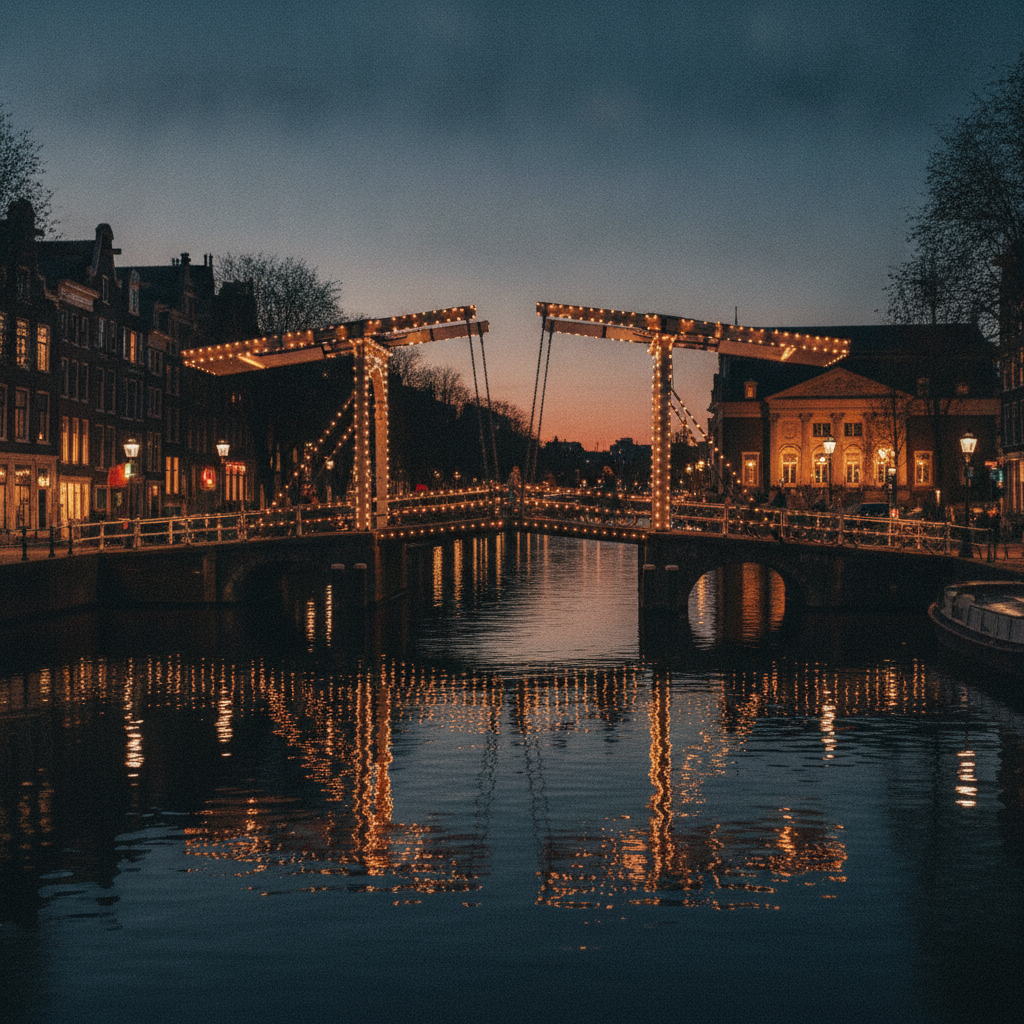
Rembrandtplein, Tuschinski & the Amstel: Art, Entertainment, and the Skinny Bridge
The southern part of Amsterdam's historic center — the area between the Muntplein (Mint Square) and the Amstel river — is the part of Amsterdam that most closely resembles a European capital's entertainment district: the Rembrandtplein (Rembrandt Square) with its cafés and nightlife, the extraordinary Tuschinski cinema (the most beautiful cinema interior in the Netherlands), the Magere Brug (the Skinny Bridge, Amsterdam's most photographed landmark), and the Amstel river embankment where houseboats and canal boats provide Amsterdam's most atmospheric waterfront. The area also contains the Hermitage Amsterdam (formerly housed in the Amstelhof building), the Amstelkerk, and the antique and book dealers of the Spiegelkwartier (Mirror Quarter) that extends south from the Rijksmuseum.
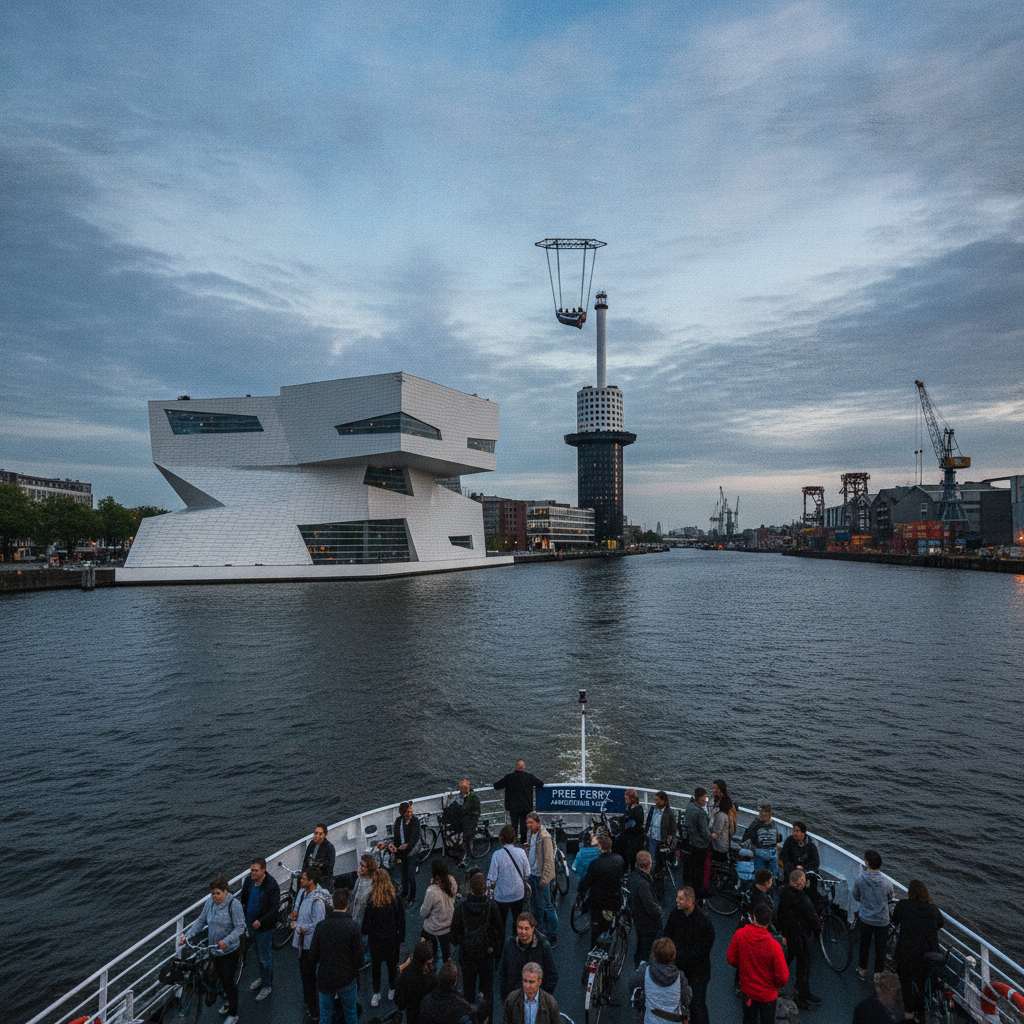
Amsterdam Noord, EYE & NDSM: The Creative Waterfront
Amsterdam Noord (North Amsterdam), the neighborhood north of the IJ harbor accessible by free ferry from Central Station, was for most of its history Amsterdam's industrial backyard: the Shell oil refinery, the NDSM shipyard, warehouses, and the low-lying polders that provided the agricultural hinterland for the city. The closure of heavy industry from the 1980s–2000s left a landscape of enormous industrial buildings, empty docks, and cheap real estate. Artists, cultural organizations, and creative businesses moved in; the city invested in cultural infrastructure (EYE Film Museum, A'DAM Tower, Tolhuistuin cultural park); and Amsterdam Noord became, in the 2010s, what Berlin's Mitte was in the 1990s: the frontier of European creative culture, rough-edged and quickly gentrifying.
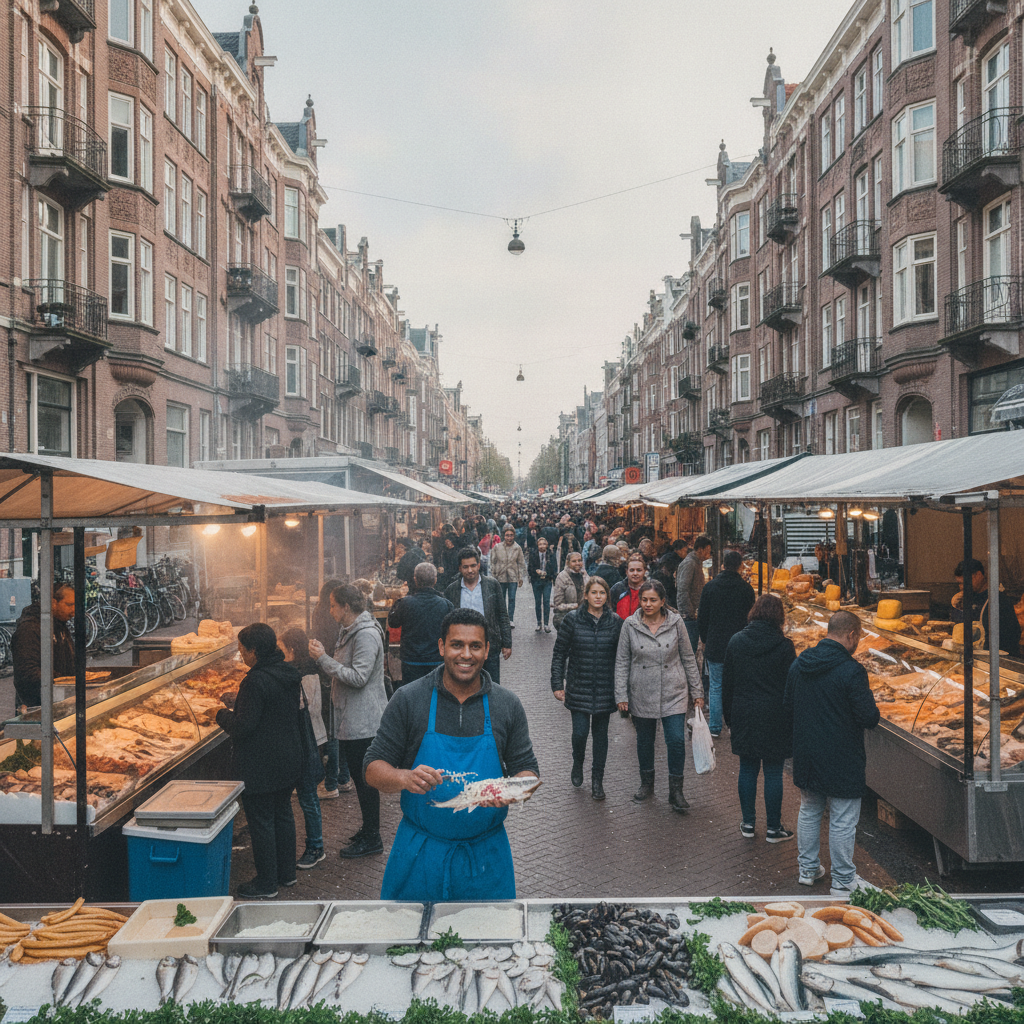
De Pijp, Albert Cuyp & Heineken: Amsterdam's Most Diverse Neighborhood
De Pijp (The Pipe) — the dense, urban neighborhood immediately south of the canal ring, bounded by the Singelgracht canal — was built between 1870 and 1920 to house the working class that Amsterdam's industrial expansion required. The name comes from the long, narrow streets of apartment buildings that, viewed from the air, resemble a grid of pipes. Today De Pijp is Amsterdam's most international neighborhood: a community of 60,000 people from 150 nationalities, with the Albert Cuyp Market (the largest outdoor market in the Netherlands) at its heart, Turkish and Moroccan bakeries alongside Dutch brown cafés, Surinamese roti shops beside Indonesian rijsttafel restaurants. The neighborhood is also home to the Heineken Experience (the old Heineken brewery) and the Sarphatipark, a Victorian landscaped park at its center.