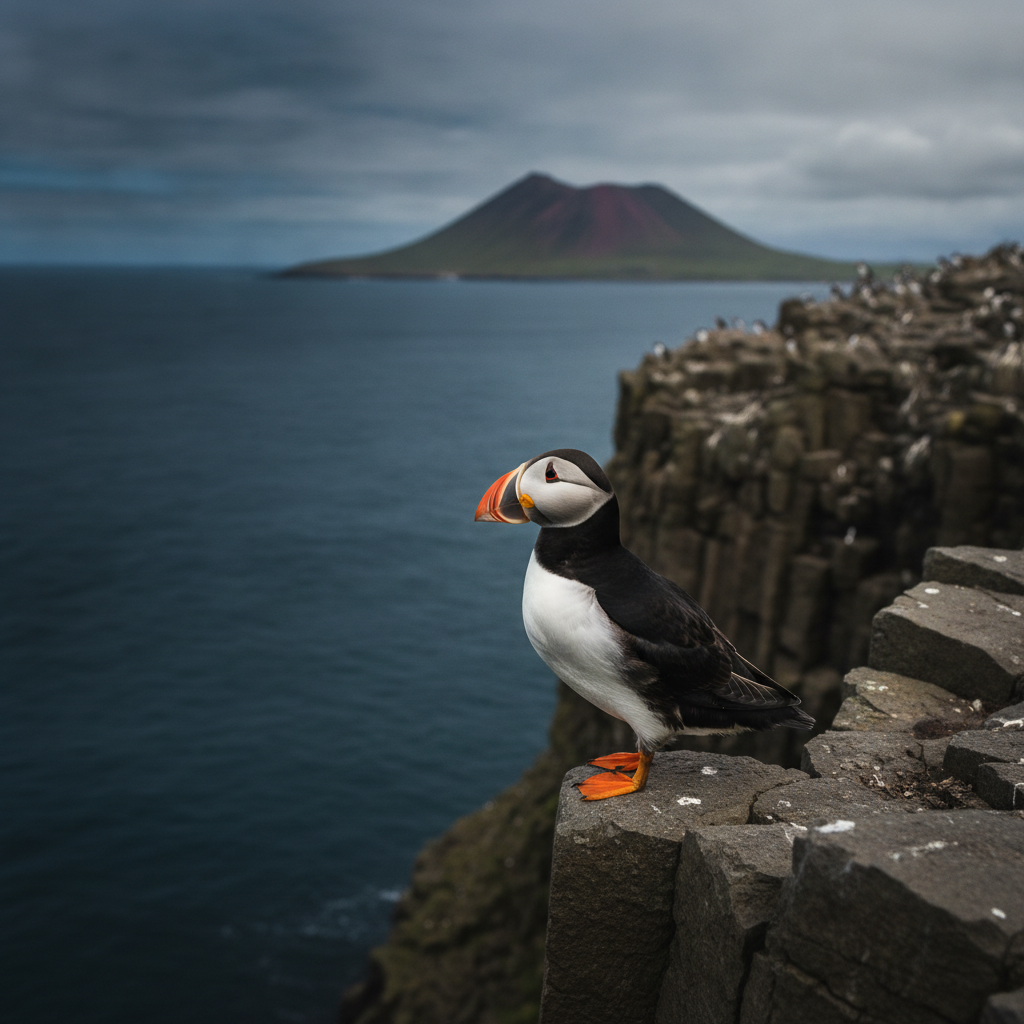

Reykjavik Summer — the Midnight Sun, Puffins, Whale Watching & the Westman Islands
Icelandic summer (June-August) is unique in Europe — the midnight sun illuminating the landscape in an endless golden hour, the puffin colonies nesting on the coastal cliffs, the humpback whales feeding in the Faxaflói Bay, and the dramatic landscapes accessible in 20 hours of daylight.
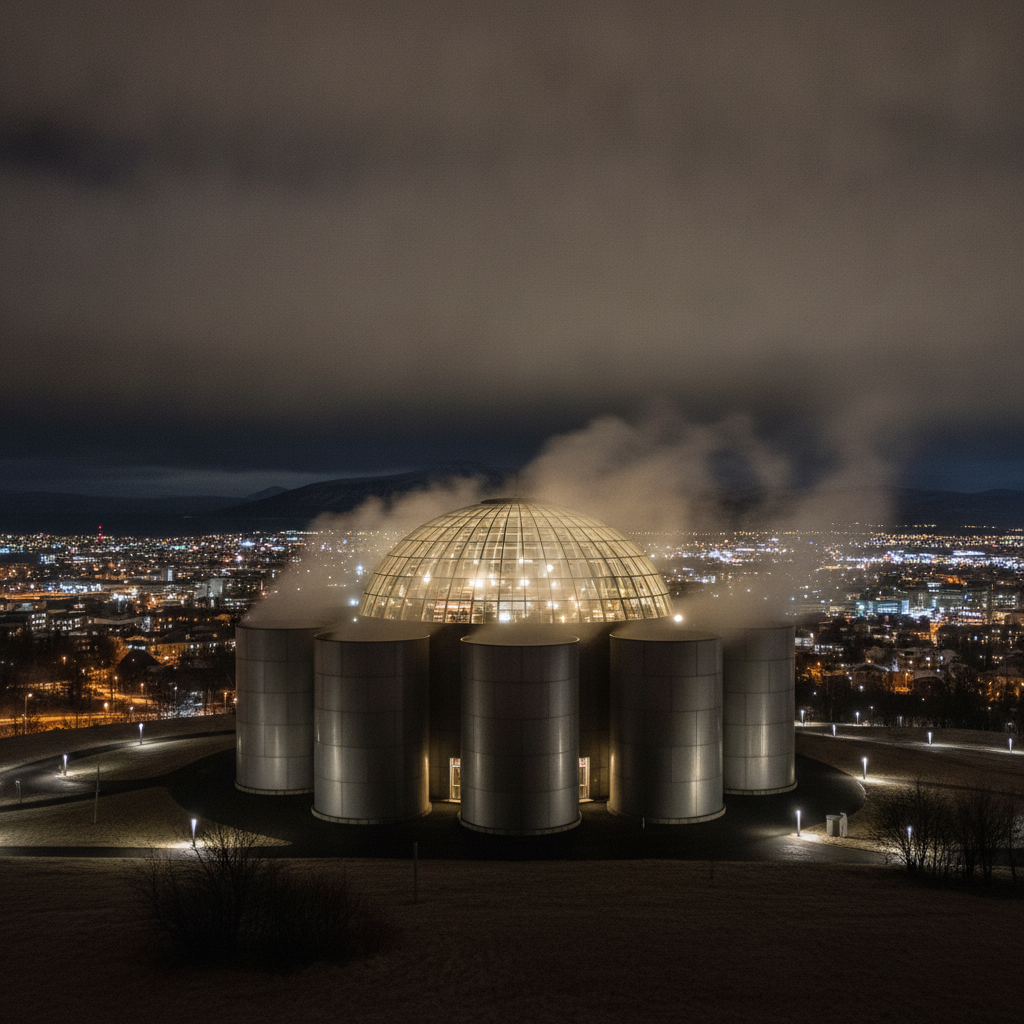
Reykjavik Geothermal & Volcanoes — the Perlan, Laugardalur Hot Springs & Iceland's Volcanic System
Iceland sits directly on the Mid-Atlantic Ridge — the tectonic boundary where the North American and Eurasian plates are separating — making it the most volcanically active country in Europe and the global model for geothermal energy. Reykjavik runs entirely on geothermal heat.
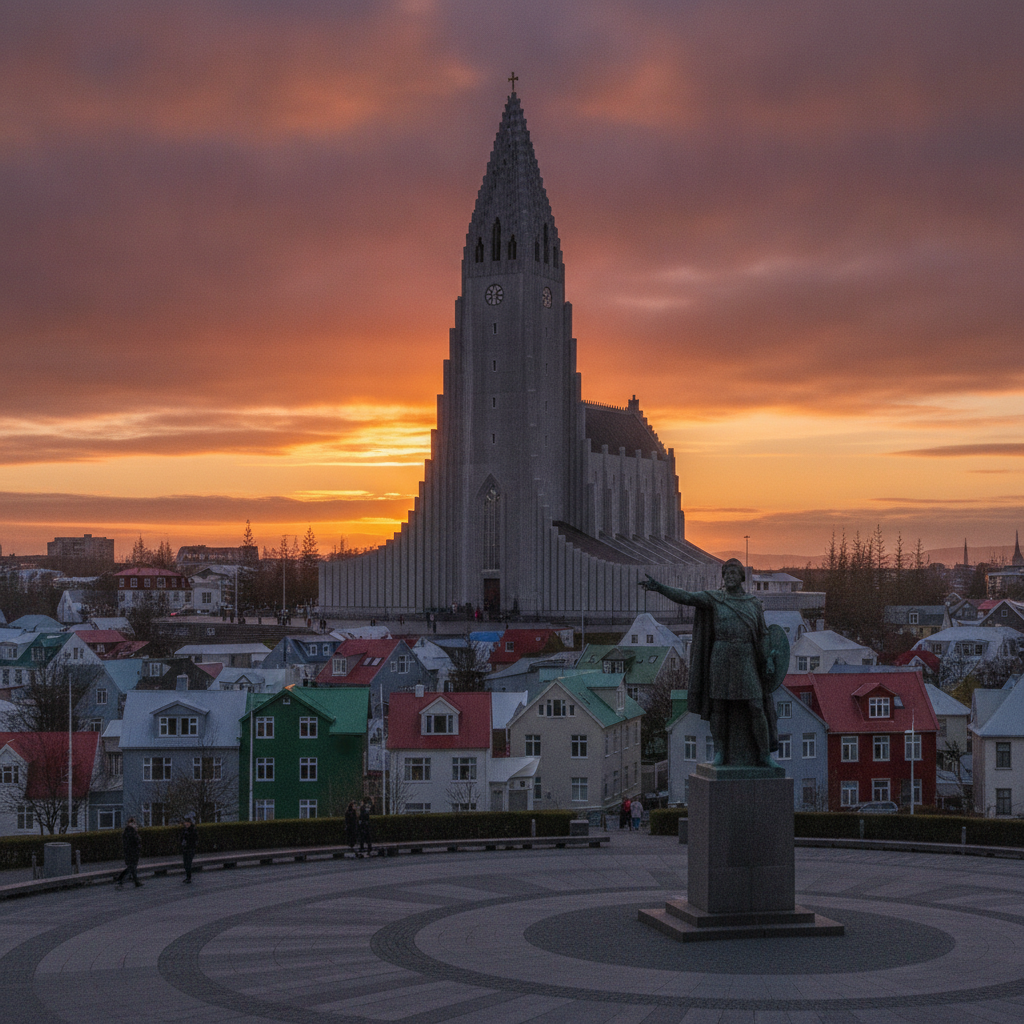
Reykjavik — Hallgrímskirkja, the Old Harbour & the World's Northernmost Capital
Reykjavik (the capital of Iceland, population 130,000 in the city proper and 230,000 in the greater metropolitan area — two thirds of the entire Icelandic population — the northernmost capital city in the world at 64°N latitude, founded 874 CE by the Norse settler Ingólfur Arnarson, the site chosen for the hot springs that give the city its name — Reykjavik meaning 'Smoky Bay' for the steam rising from the geothermal vents, the city powered 100 percent by geothermal and hydroelectric energy since 2007) is the smallest national capital in Europe and the gateway to the Icelandic landscape.