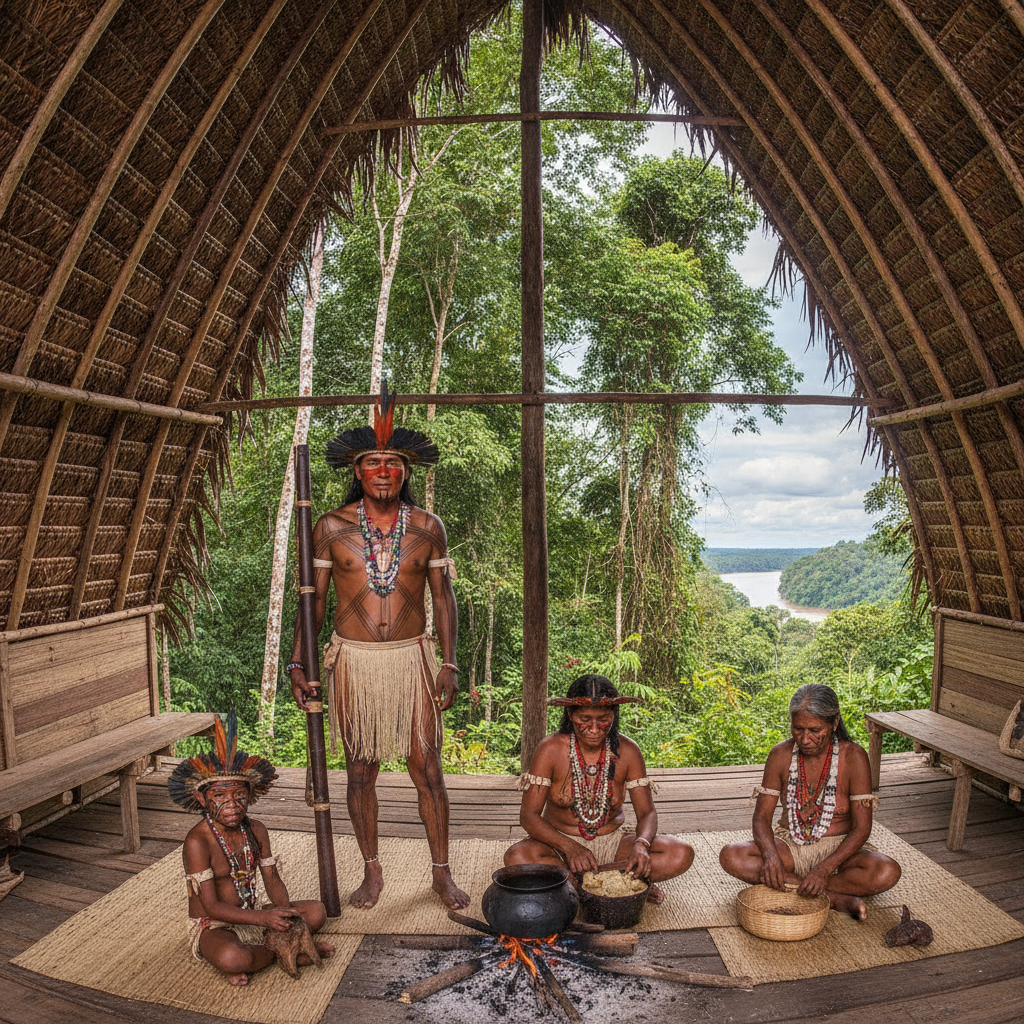

Amazon Indigenous Communities: Living Culture of the Forest
The rivers around Iquitos are home to dozens of indigenous communities — the Bora, Yagua, Huitoto, Shipibo, and dozens of other nations — maintaining languages, spiritual practices, and forest knowledge that is irreplaceable; community visits offer genuine cultural exchange
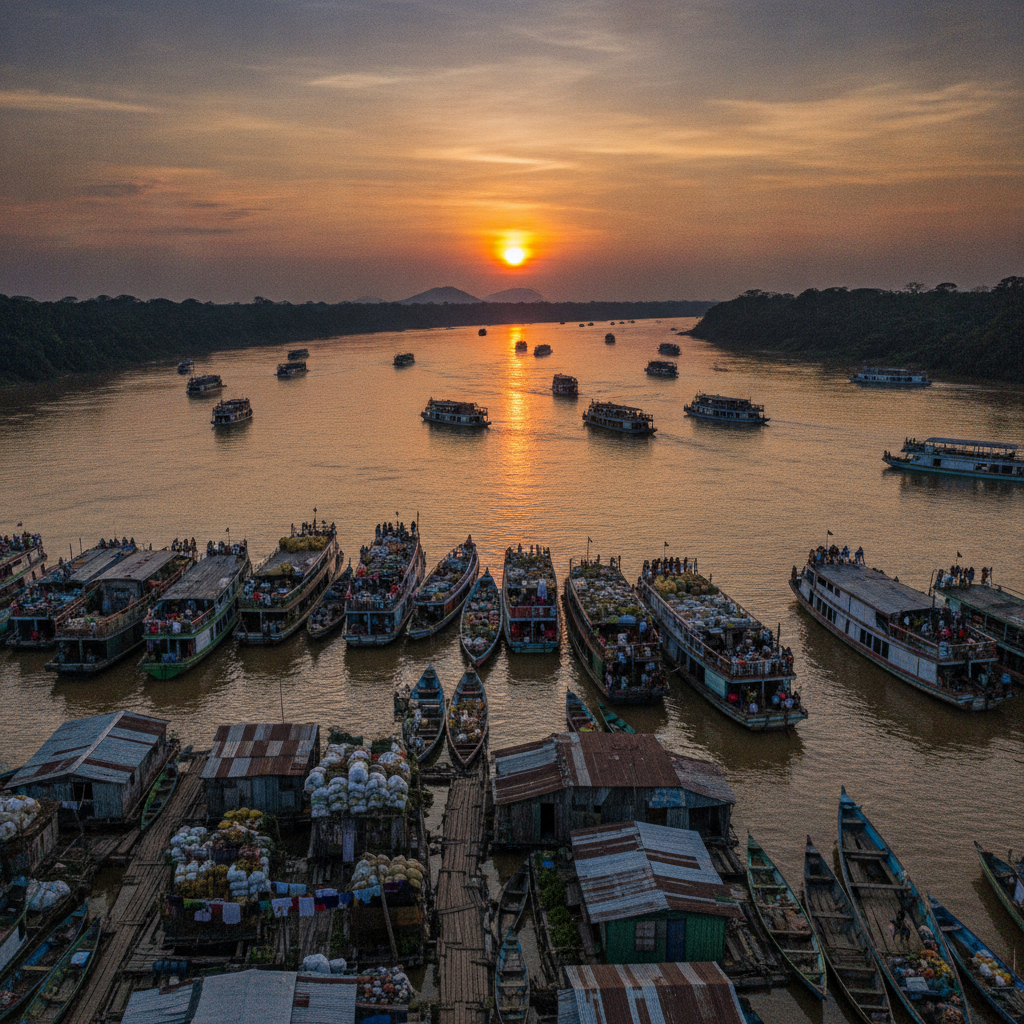
Life on the Amazon River
The Amazon River is the highway, the market, the food source, and the social world of the communities of the Loreto region; the river traffic, the cargo boats, the floating villages, and the seasonal flooding define life in a way that no road network could replicate
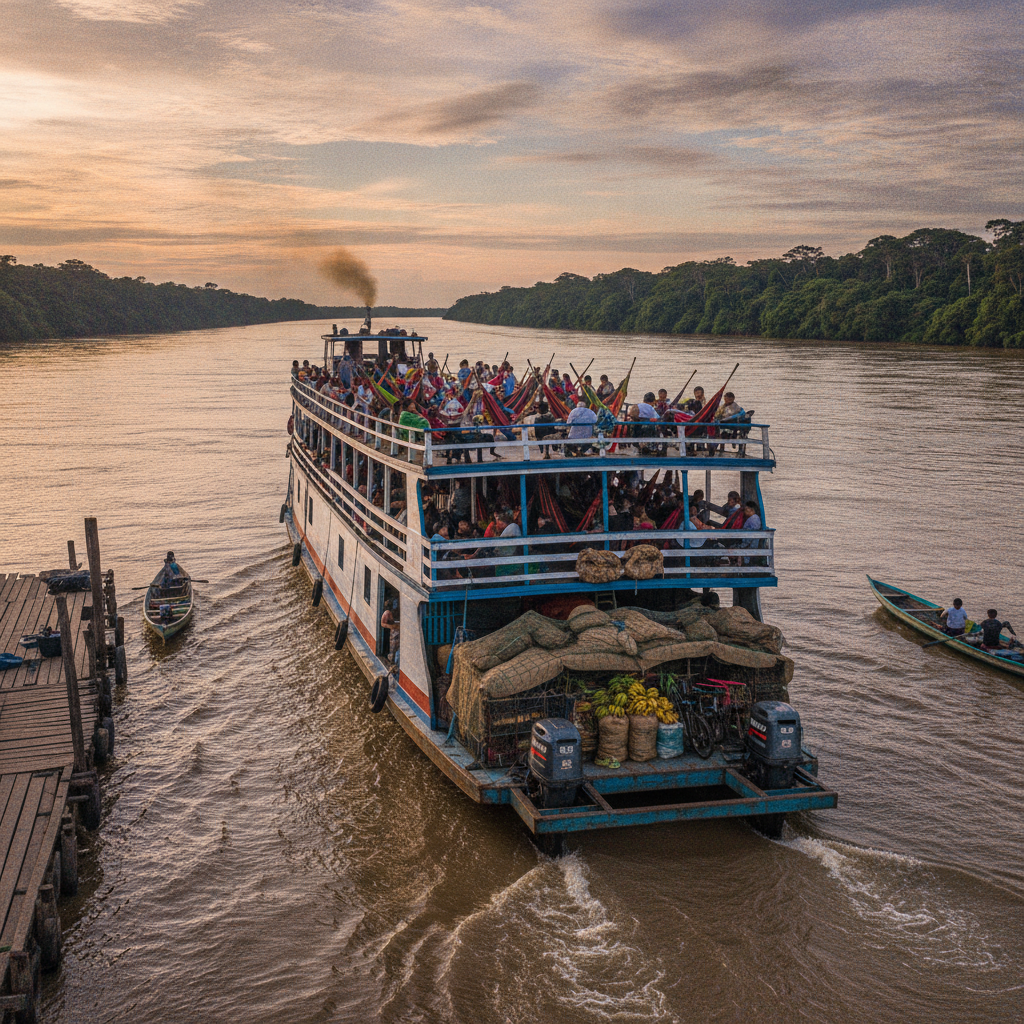
The Amazon River Boat: South America's Greatest Journey
The slow boat journey from Iquitos downstream to Leticia (Colombia) and Tabatinga (Brazil) — or the reverse upstream journey from Manaus — is one of the world's great river journeys; 3-7 days of hammock life on the Amazon, passing through unbroken rainforest, is a transformative travel experience
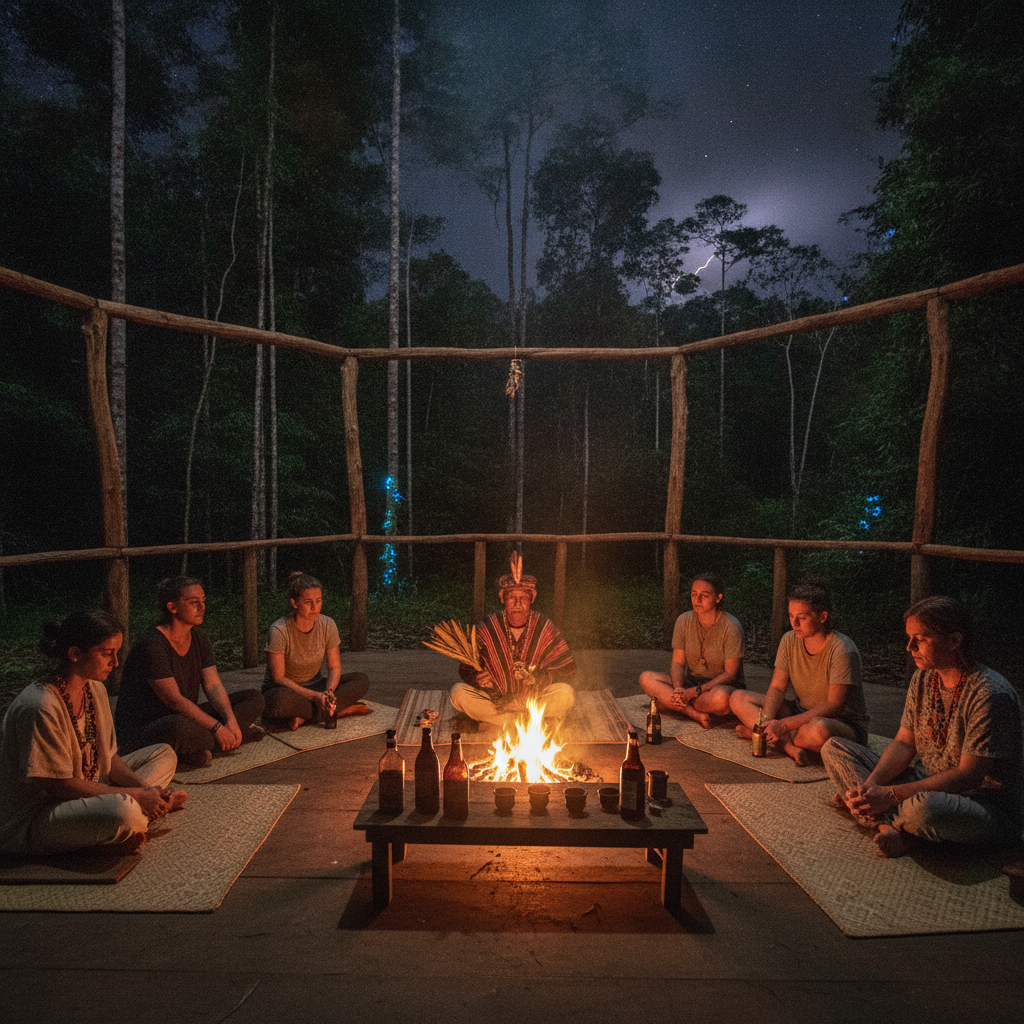
Iquitos: Global Centre of Ayahuasca Tourism
Iquitos has become the world capital of ayahuasca tourism — the ceremonial use of the psychedelic vine brew for healing and spiritual exploration; dozens of retreat centres around the city offer multi-day programmes combining indigenous healing traditions with contemporary therapeutic frameworks

Belén Market: The Amazon's Pantry
The Belén market in Iquitos is the Amazon's most extraordinary market — a labyrinth of stalls selling everything from live anacondas to bushmeat to hallucinogenic plants; it is also a floating market, with the lower section built on rafts that rise and fall with the Amazon's seasonal flooding
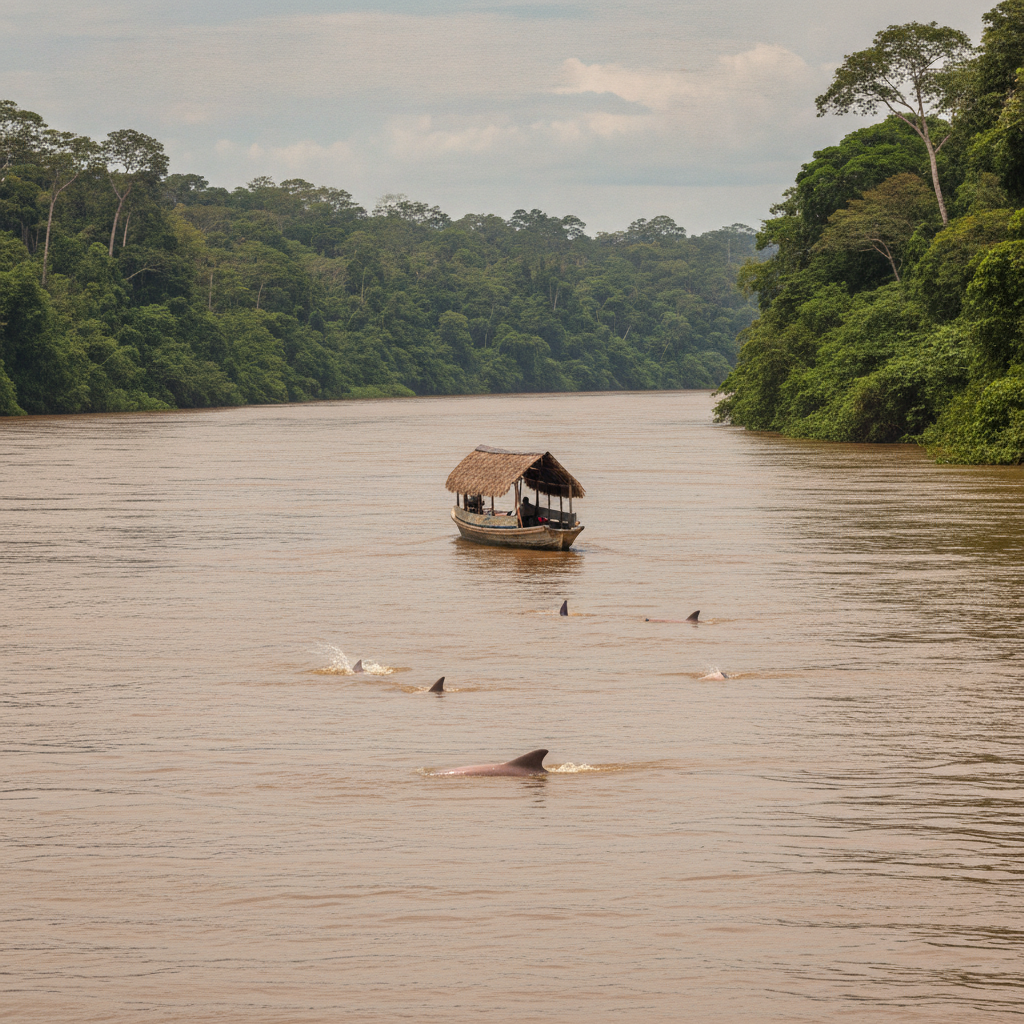
Iquitos: Gateway to the Peruvian Amazon
Iquitos — the world's largest city inaccessible by road, reachable only by boat or plane — is the capital of Loreto, Peru's largest and most biodiverse region; the city sits where the Amazon proper begins, surrounded by the world's most species-rich rainforest
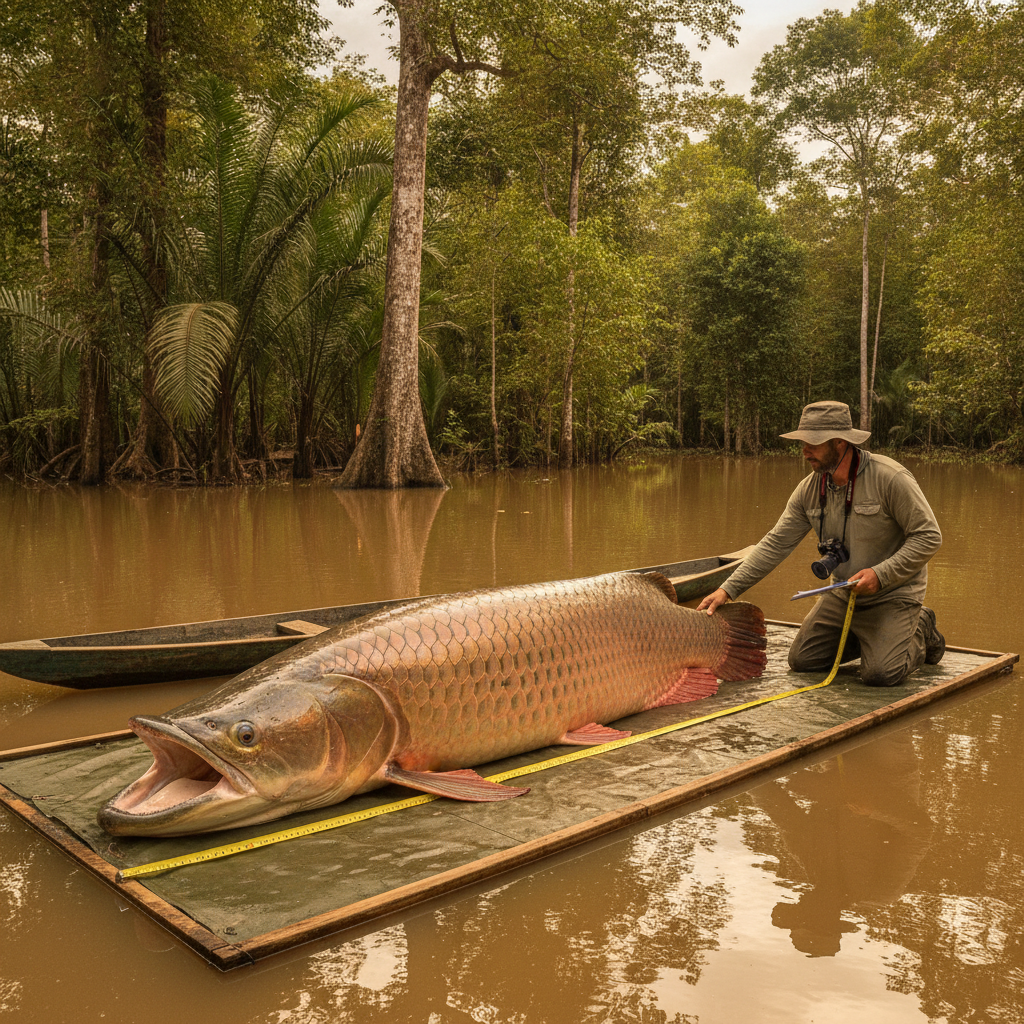
Amazon Wildlife: Giants of the River
The Amazon ecosystem around Iquitos has the world's greatest freshwater biodiversity — the giant arapaima (the world's largest freshwater fish), the black caiman, the pink river dolphin, and the harpy eagle are all found in the river systems and forests accessible from the city
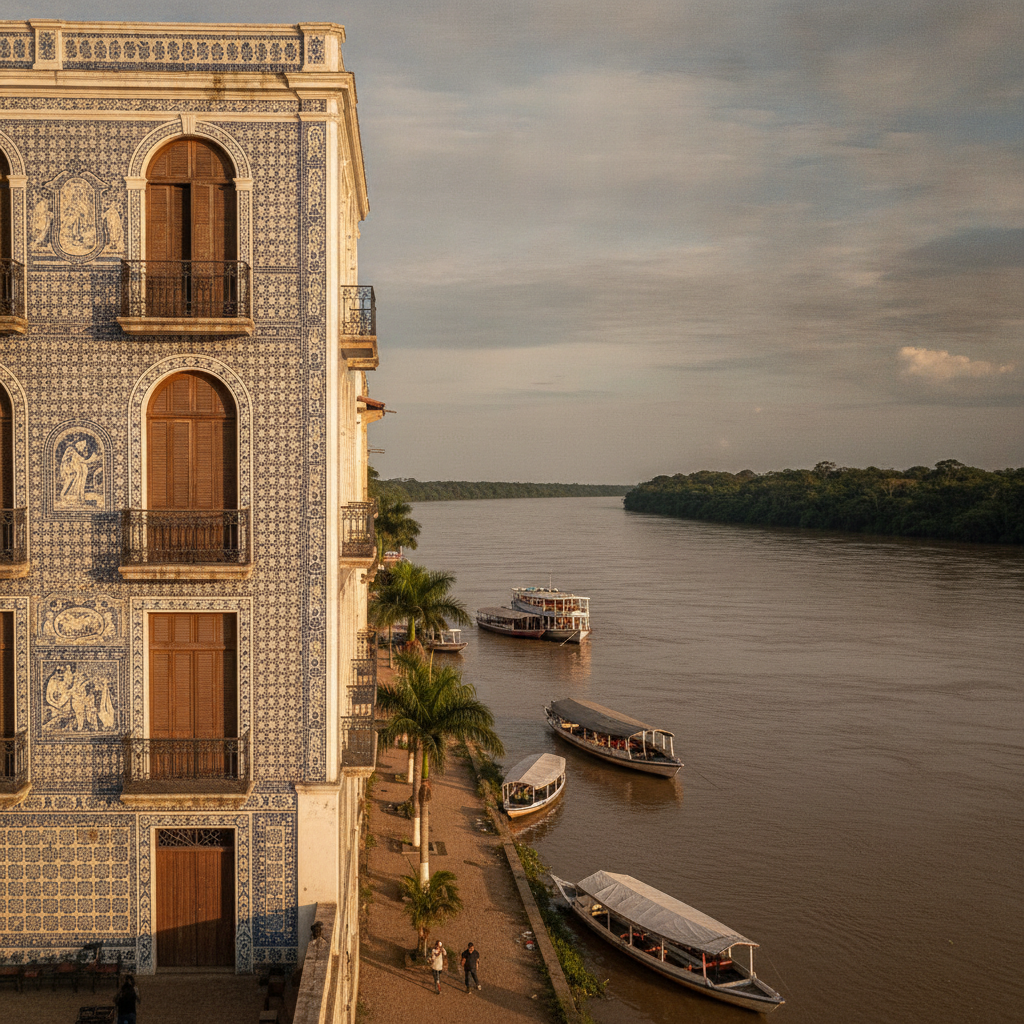
Iquitos: City of the Rubber Barons
Between 1880 and 1914, Iquitos was one of the wealthiest cities in South America — the rubber boom (exploiting the wild rubber trees of the Amazon) created an era of extraordinary luxury; the mansions, the European architecture, and the stories of the rubber barons define the city's identity