Iquitos: Global Centre of Ayahuasca Tourism
Iquitos has become the world capital of ayahuasca tourism — the ceremonial use of the psychedelic vine brew for healing and spiritual exploration; dozens of retreat centres around the city offer multi-day programmes combining indigenous healing traditions with contemporary therapeutic frameworks
- 1
Ayahuasca Brew
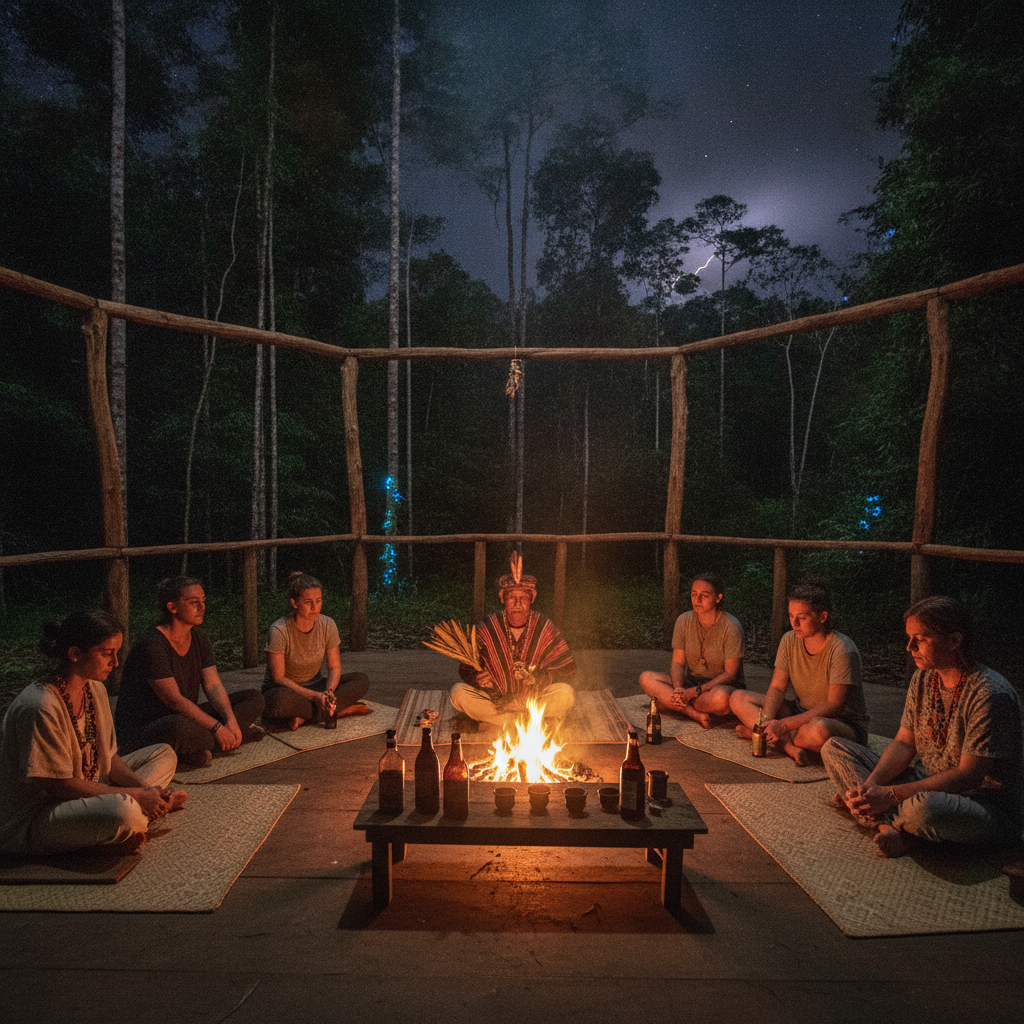
Ayahuasca is a brew made from the ayahuasca vine (Banisteriopsis caapi) in combination with the chacruna leaf (Psychotria viridis); the combination provides a profound and often challenging psychedelic experience lasting 4-8 hours; the brew is traditionally prepared by a curandero who sings icaros (healing songs) during the ceremony to guide the experience
- 2
Curandero Tradition
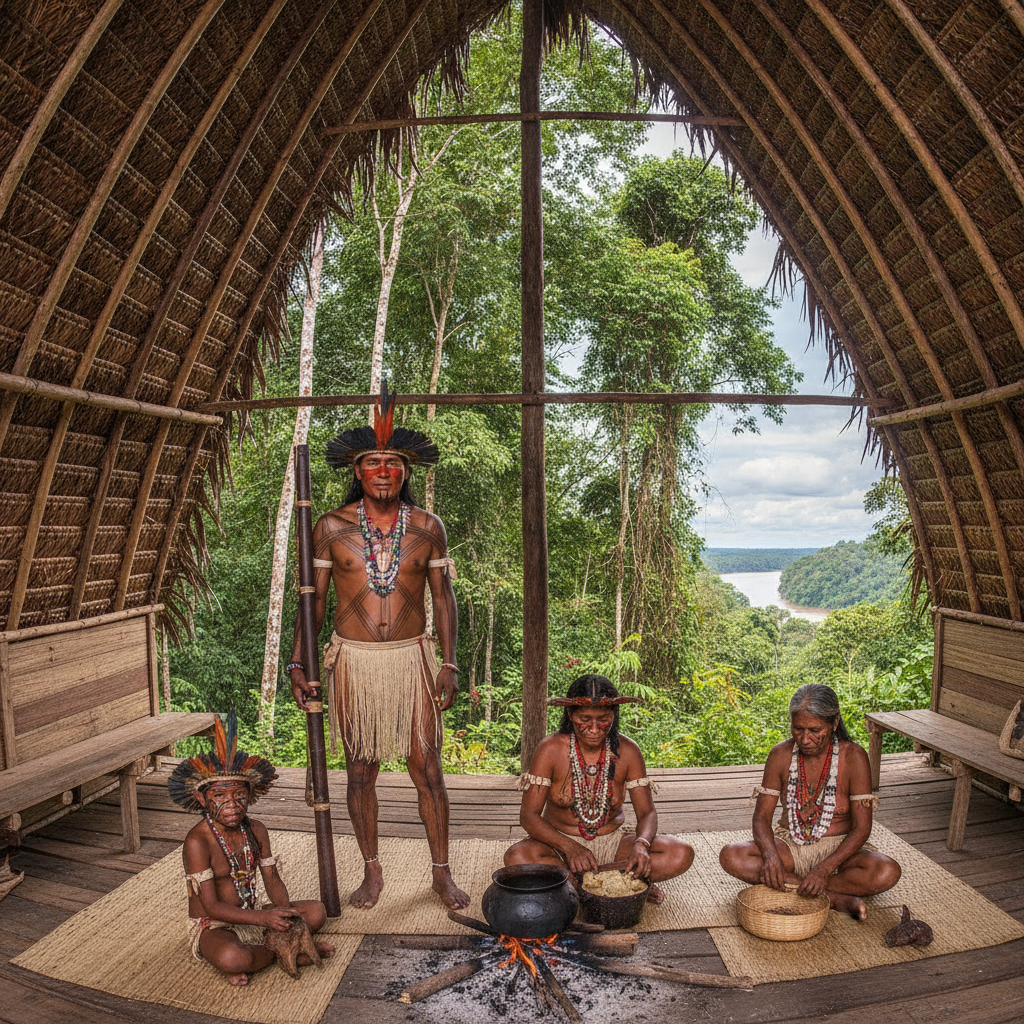
The curandero (traditional healer) who leads ayahuasca ceremonies has undergone years of training — including extended dietary retreats (dietas) in isolation in the forest — to learn the plant spirits and the healing songs (icaros); the curandero's role is to facilitate healing and spiritual exploration, not simply to administer a substance
- 3
Therapeutic use
Contemporary ayahuasca retreats around Iquitos serve a global clientele seeking healing from depression, PTSD, addiction and existential crisis; clinical research into ayahuasca's therapeutic potential (carried out at institutions including Imperial College London and Johns Hopkins) has produced encouraging results; the global interest in psychedelic therapy has transformed Iquito's economy
- 4
Retreat Center Diversity
The retreat centers around Iquitos range from simple jungle camps offering basic ceremonies to luxury lodges charging thousands of dollars per week; the quality, safety and cultural integrity of ceremonies vary enormously; careful research and due diligence (checking curandero credentials, safety protocols, and participant reviews) is essential before choosing a retreat
- 5
Shipibo Healing Tradition
The Shipibo-Conibo people are among the Amazon's most respected ayahuasca healers; The Shipibo healing tradition (which includes the kené patterns seen in ayahuasca visions) is the foundation of many Iquitos retreat centers; the commercialization of Shipibo healing knowledge has created complex ethical issues of cultural appropriation and distribution of distribution
- 6
San Pedro and other plants
Beyond ayahuasca, the Iquitos region uses dozens of other plant medicines - San Pedro cactus (mescaline), tobacco (mapacho), toe (datura) and many others in traditional healing methods; the concept of "plant teachers" — plants with awareness and wisdom that can communicate with humans — is central to Amazonian shamanic traditions
Walk this route with audio
Stories play automatically as you reach each stop — no tapping needed.