Iquitos: City of the Rubber Barons
Between 1880 and 1914, Iquitos was one of the wealthiest cities in South America — the rubber boom (exploiting the wild rubber trees of the Amazon) created an era of extraordinary luxury; the mansions, the European architecture, and the stories of the rubber barons define the city's identity
- 1
Rubber Boom Economy
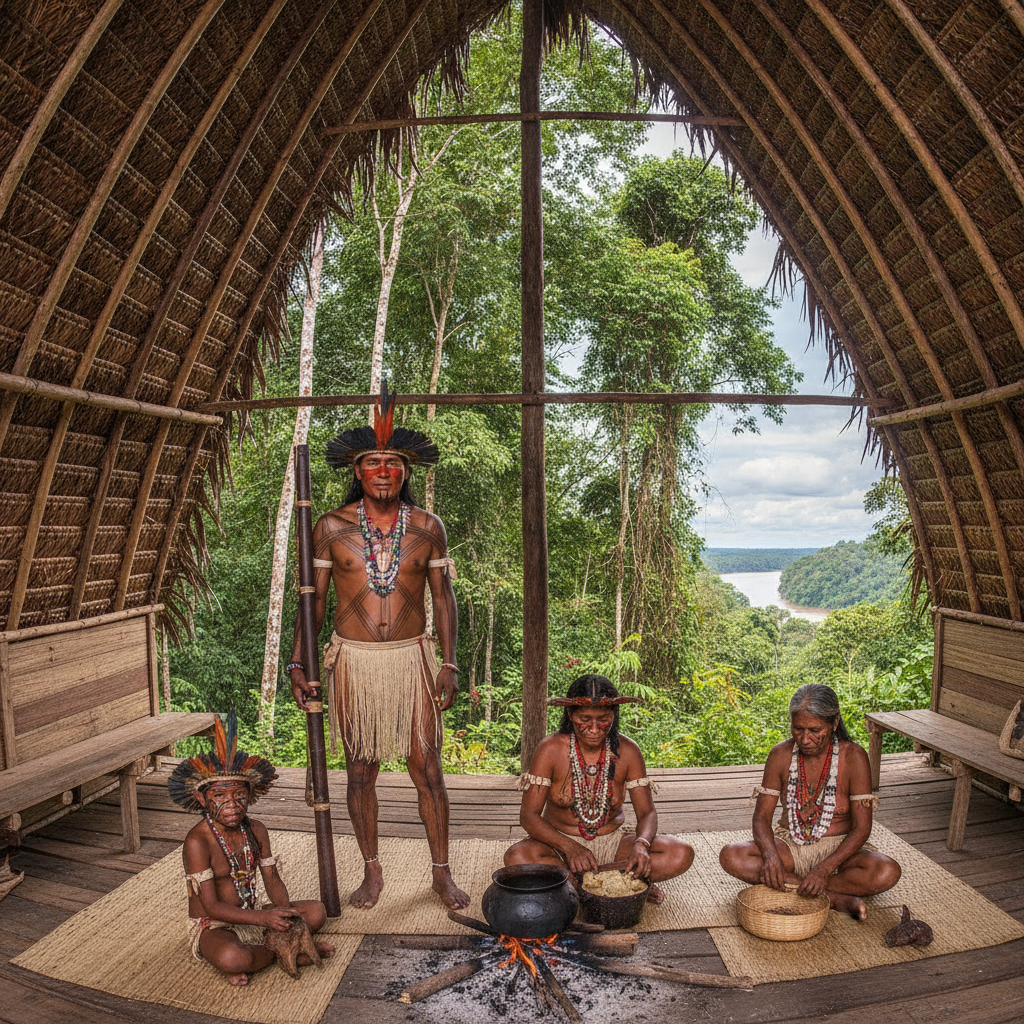
The Amazonian rubber boom (1880-1914) transformed Iquitos from a small mission into a wealthy city; the rubber barons controlled the extraction of wild rubber (hevea brasiliensis) by enslaving indigenous communities; at its peak, Loreto's rubber exports were comparable to those of all other South American nations combined
- 2
Casa de Fierro
The Casa de Fierro (Iron House) on the Plaza de Armas — a prefabricated iron building designed by Gustave Eiffel's workshop and shipped from Europe to Iquitos — is the most extraordinary surviving rubber boom structure; the iron panels, bolted together on the Plaza, were designed for European assembly; the irony of Eiffel iron in the Amazon is complete
- 3
Malecón Mansions
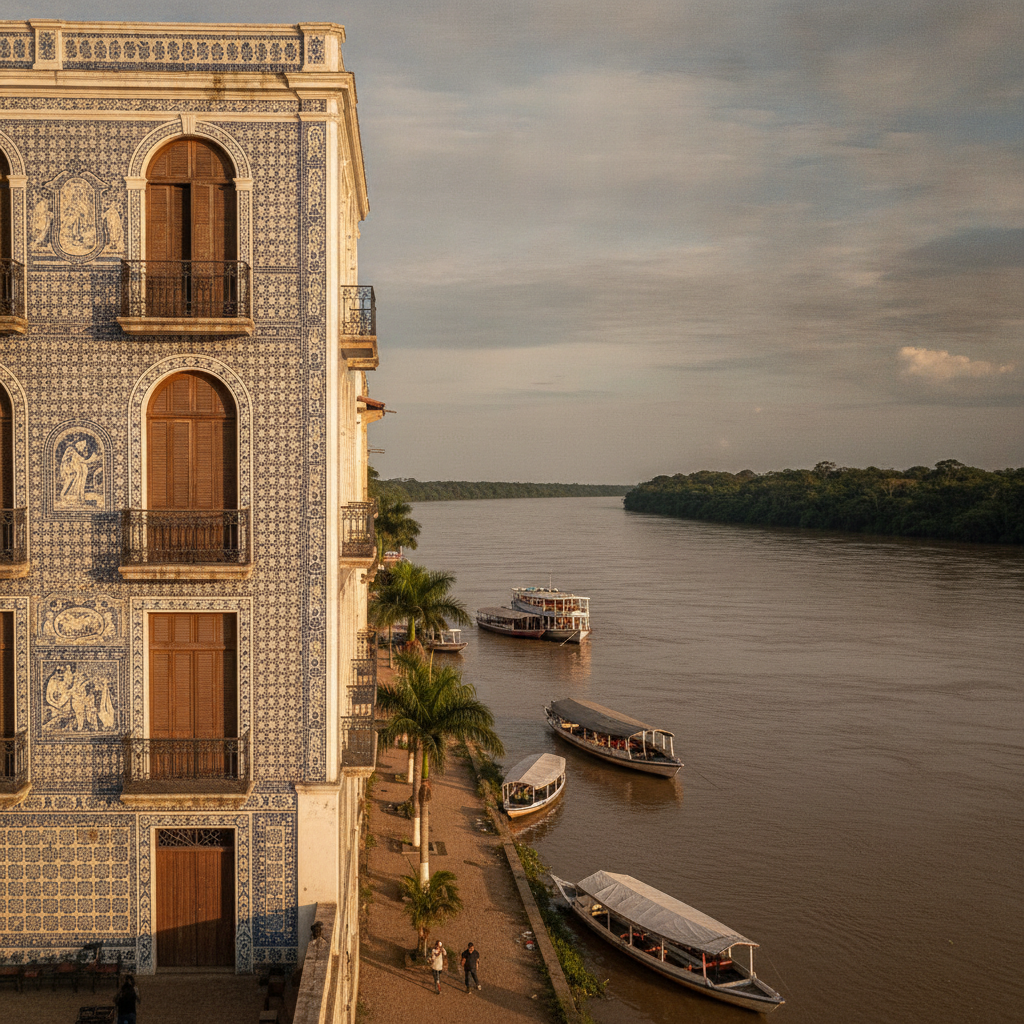
The Malecón Tarapacá — Iquitos's riverfront promenade above the Amazon — is lined with Portuguese azulejo-tiled mansions from the rubber boom era; the tiles (shipped from Lisbon) were used to clad the exterior of the mansions in a style that references the wealth and European ambition of the rubber barons
- 4
Fitzcarraldo Story
The story of Carlos Fitzcarrald (the Peruvian rubber baron who dragged a steamboat over a mountain pass to access a new rubber territory) inspired Werner Herzog's 1982 film Fitzcarraldo; the film was shot in the jungle around Iquitos with a real steamboat actually dragged over a hill; the production itself became a legendary story of obsession and excess
- 5
Rubber Boom Declines
The rubber boom ended abruptly in 1913 when the British-grown rubber plantations in Malaya (from seeds smuggled out of Brazil by Henry Wickham in 1876) flooded the market with cheaper rubber; the collapse was devastating for Iquitos; the mansions, the opera house, and the casinos were abandoned and the city entered a long decline
- 6
Contemporary Iquitos
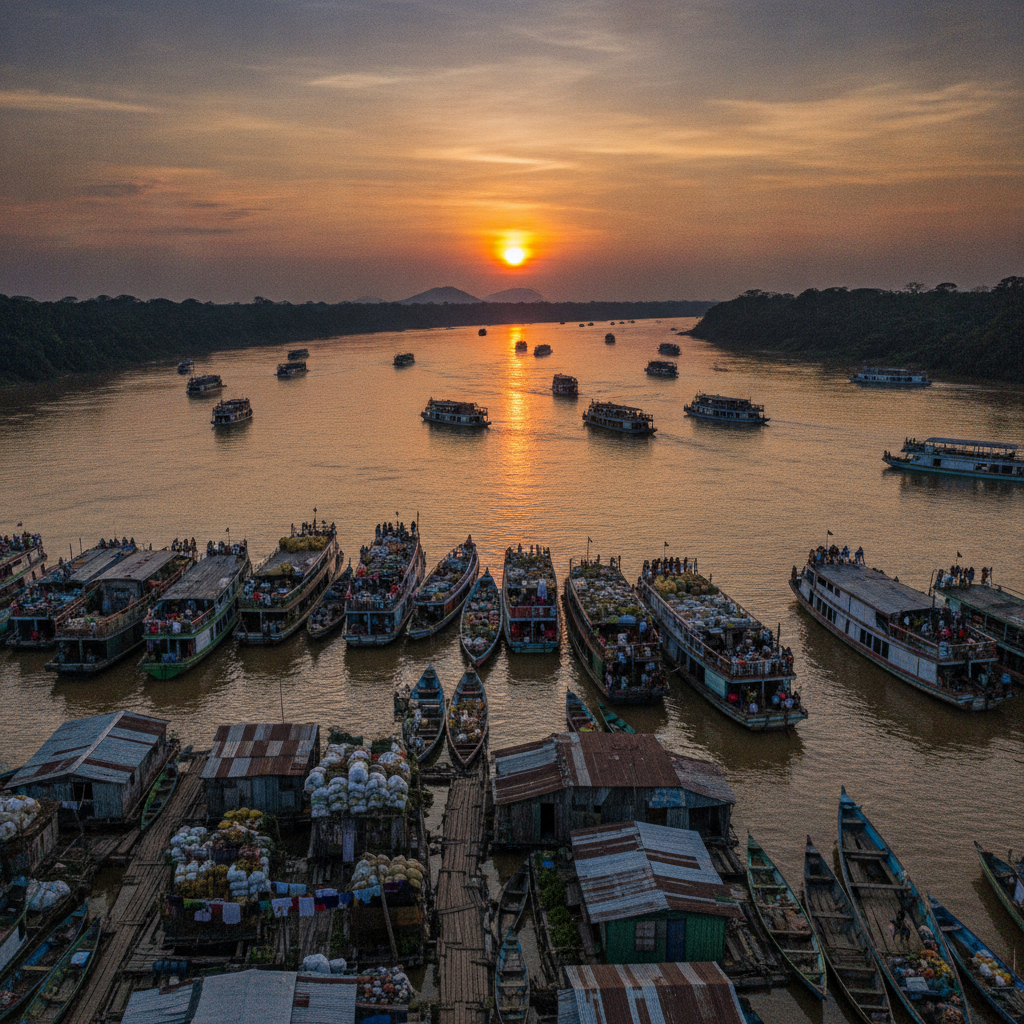
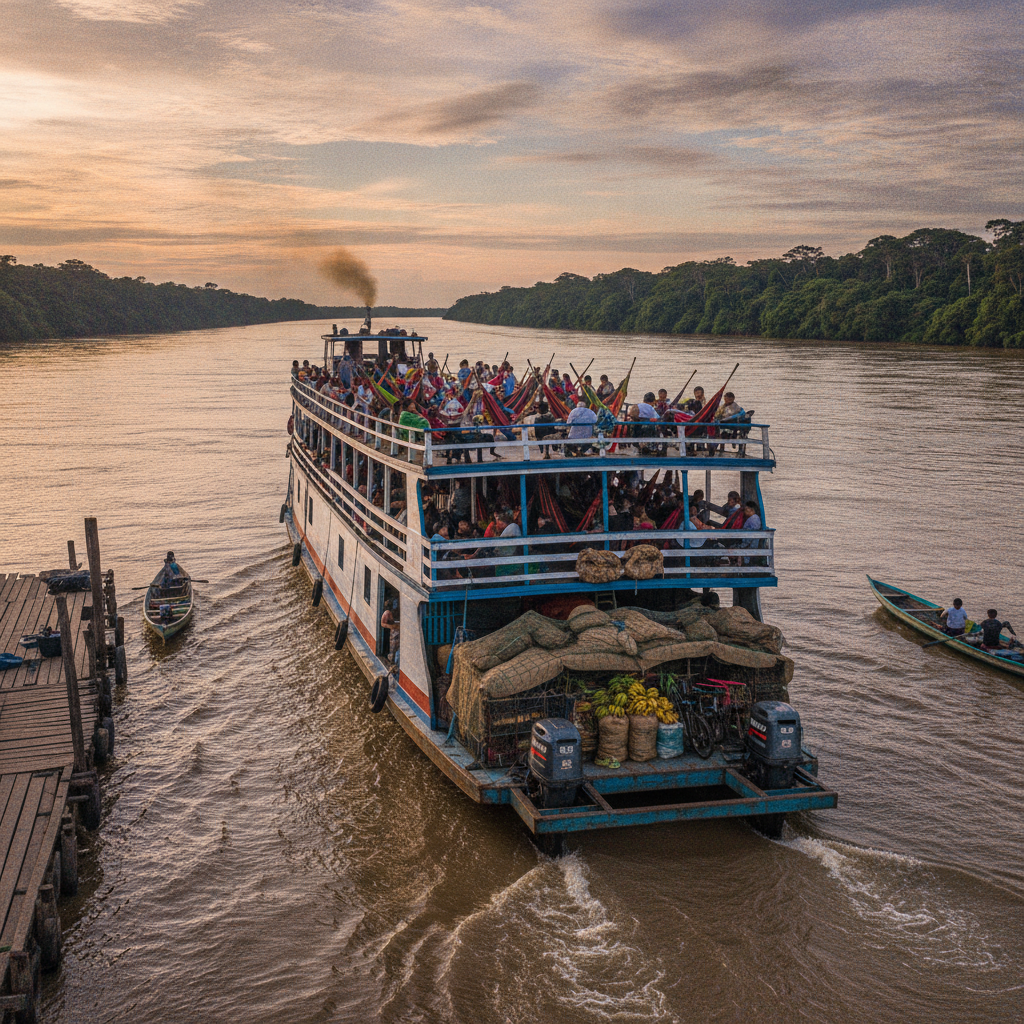
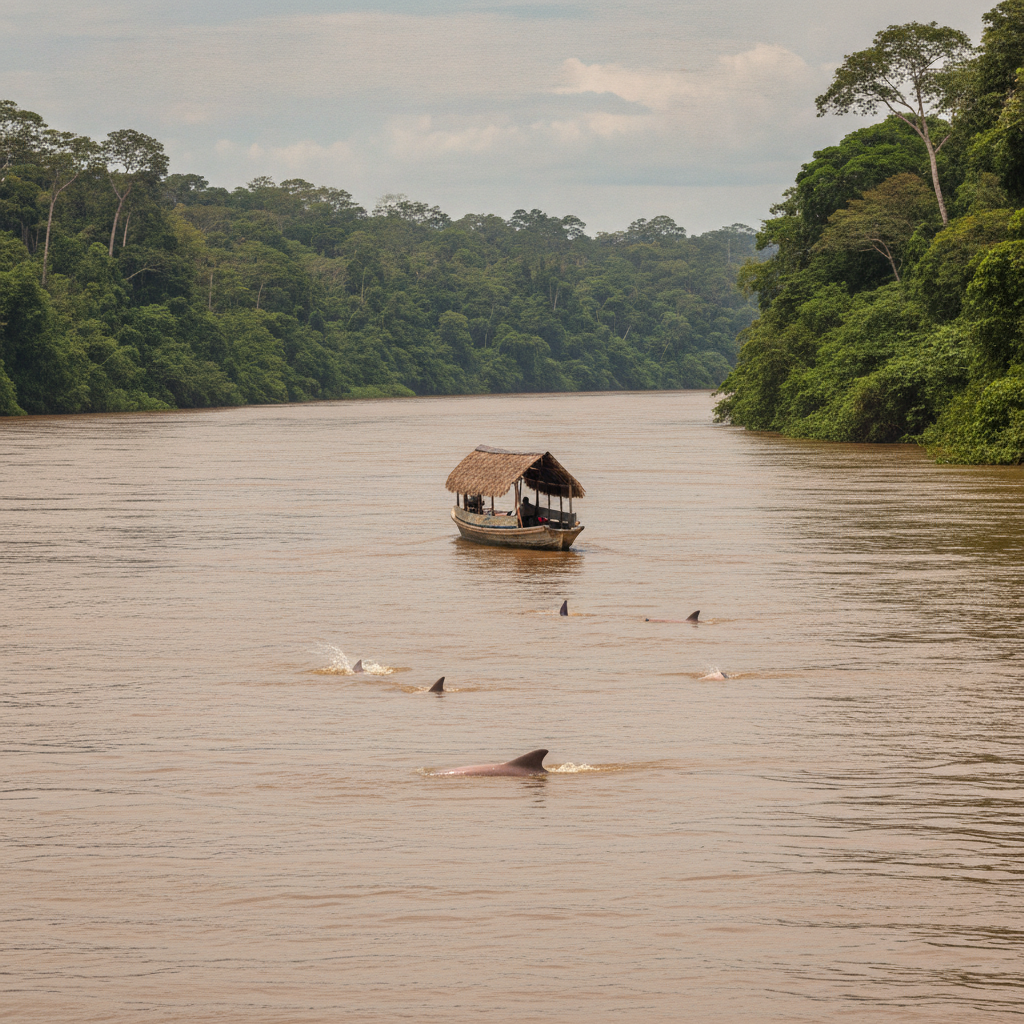
Contemporary Iquitos has reinvented itself as the gateway to eco-tourism and as a pharmaceutical research center — the Amazon's biodiversity has value that the rubber barons never imagined; the city's isolation, its extraordinary natural surroundings, and its rubber boom heritage create a unique character that no other Amazonian city can match
Walk this route with audio
Stories play automatically as you reach each stop — no tapping needed.