Corumbá & Fort Coimbra: Pantanal Gateway City
Corumbá — on the Bolivian border deep in the Pantanal — is one of Brazil's most remote and distinctive cities; the colonial Fort Coimbra, the Paraguay River trade, and the Pantanal floods define life here
- 1
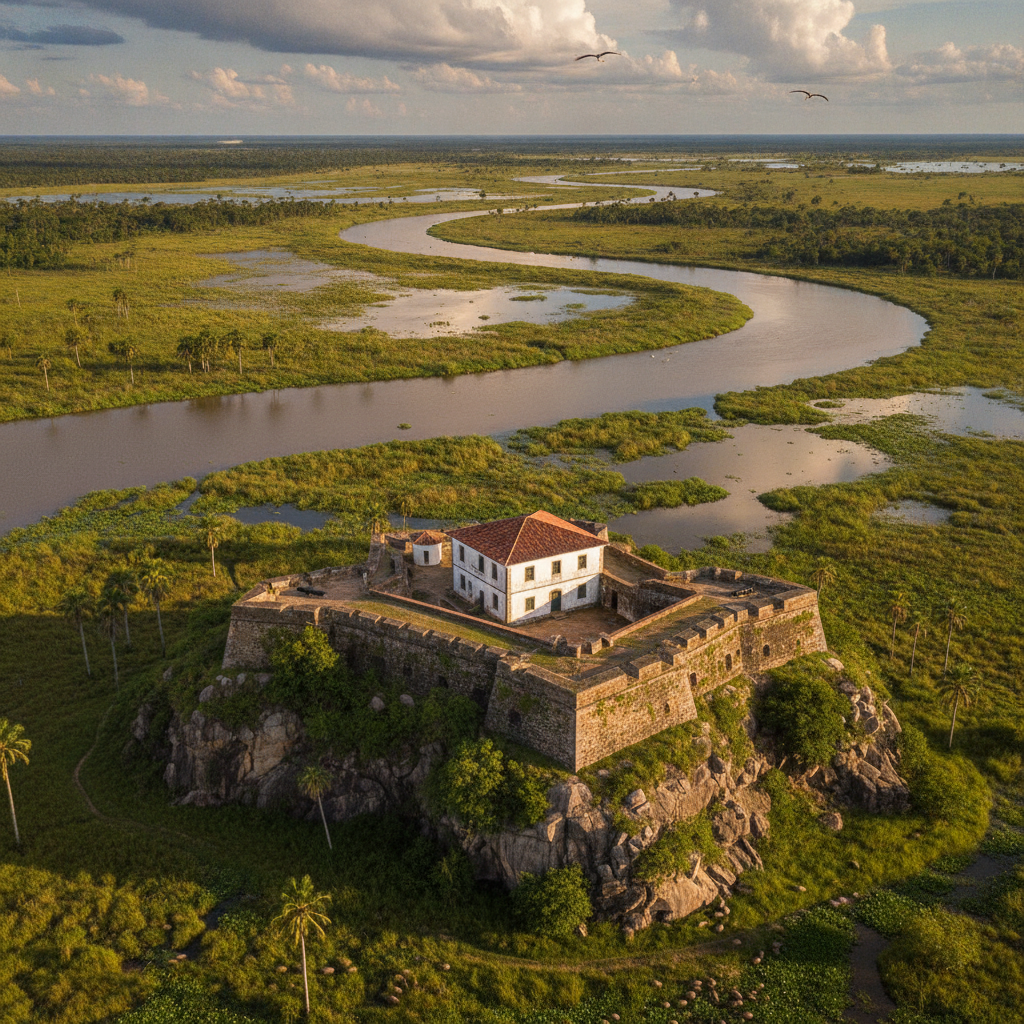
Fort Coimbra National Monument
18th-century Fort Coimbra – built by the Portuguese to block Spanish access to the Pantanal – can only be reached by river; the journey down the Paraguay River to the fort is in itself an extraordinary Pantanal experience
- 2
Corumbá Paraguay River Trade
Corumbá's port on the Paraguay River connects Brazil with Bolivia and Paraguay — river trade on the Pantanal border is conducted in a mix of Portuguese, Spanish and indigenous languages
- 3
Pantanal Flood Season
The annual Pantanal flood (November–March) transforms Corumbá's surroundings into an inland sea – streets flood, boats replace cars and wildlife concentrations reach extraordinary levels
- 4
Bolivian border crossing
The Corumbá-Puerto Suárez border crossing is one of South America's most colorful — the informal economy, boliviano/real currency exchange and the mix of nationalities in a small border town
- 5
Pantanal Piranha Fishing
Fishing for piranhas in the Pantanal's seasonal lagoons near Corumbá — with simple lines baited with meat — is a classic frontier experience; the cruelty of the red-bellied piranha is well justified
- 6
Corumbá's Iron Ore Economy
The ore mountain at Urucum above Corumbá is one of the world's richest iron ore deposits — Vale mining and its environmental impact on the Pantanal is an important conservation issue
Walk this route with audio
Stories play automatically as you reach each stop — no tapping needed.
More in Campo Grande
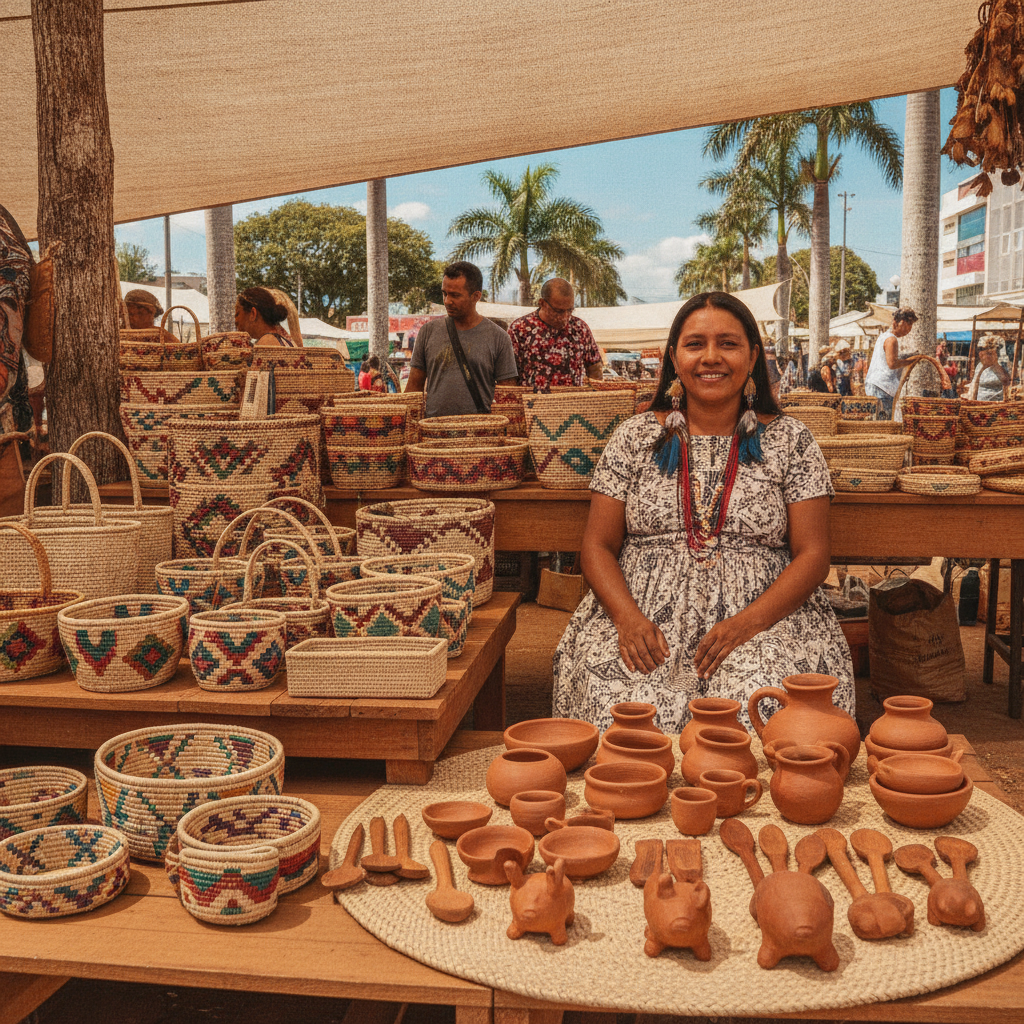
Indigenous Mato Grosso do Sul: Guarani, Terena & Living Cultures
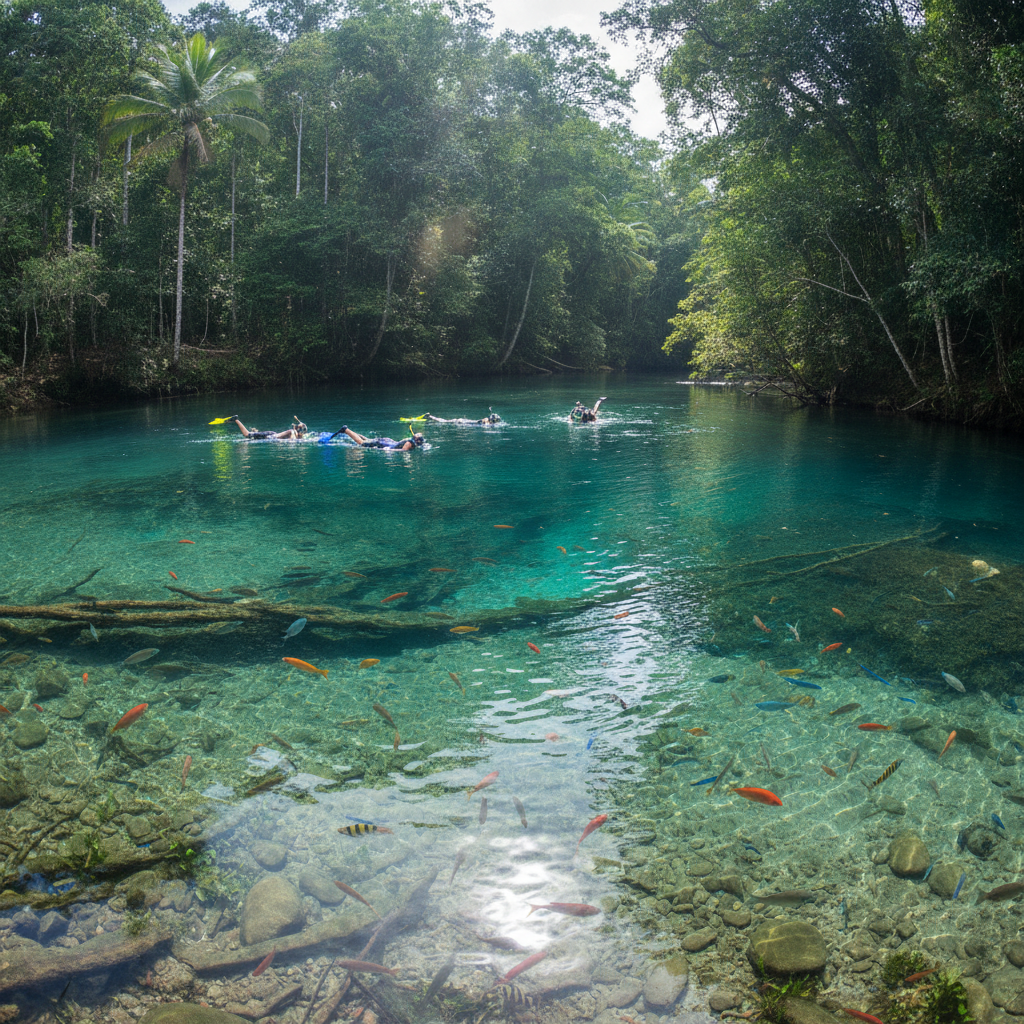
Bonito: South America's Crystal Clear River Capital
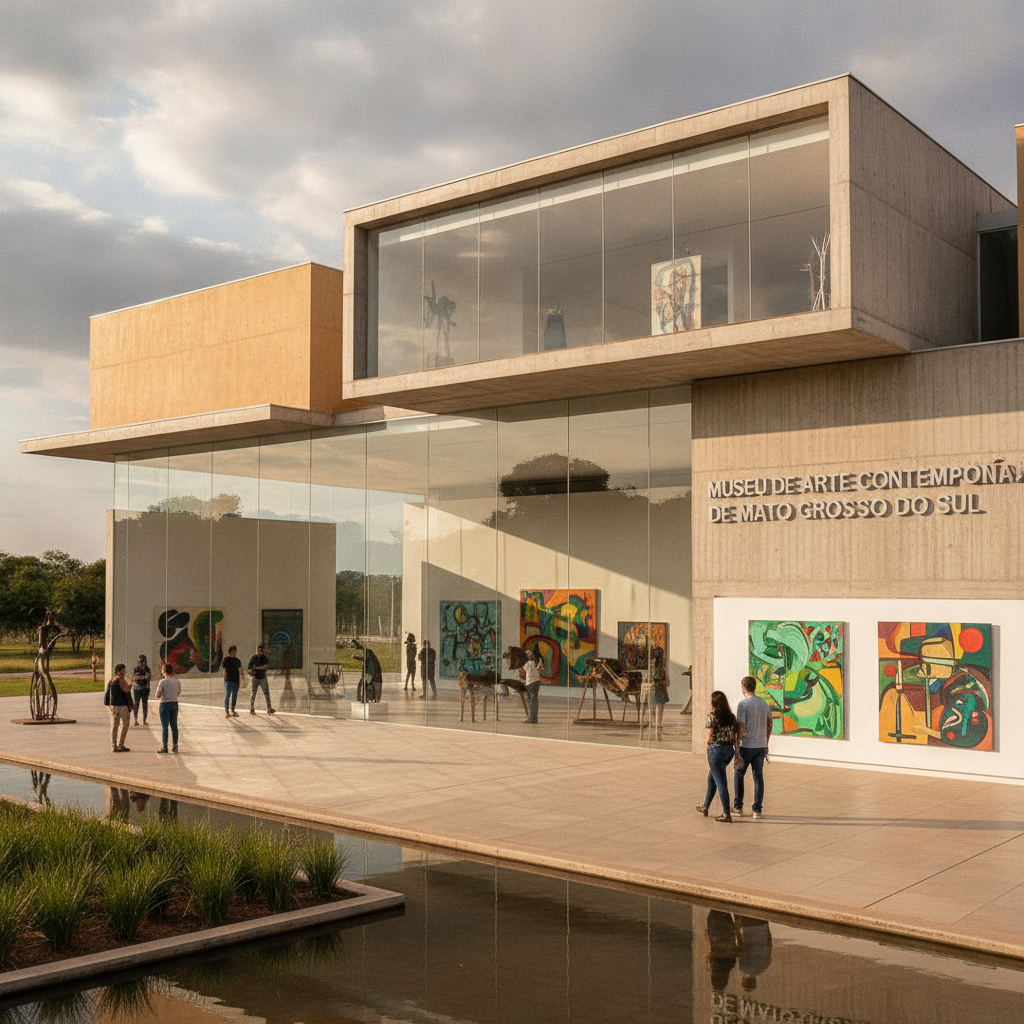
Campo Grande's Cultural Scene: Museums, Music & Frontier Arts
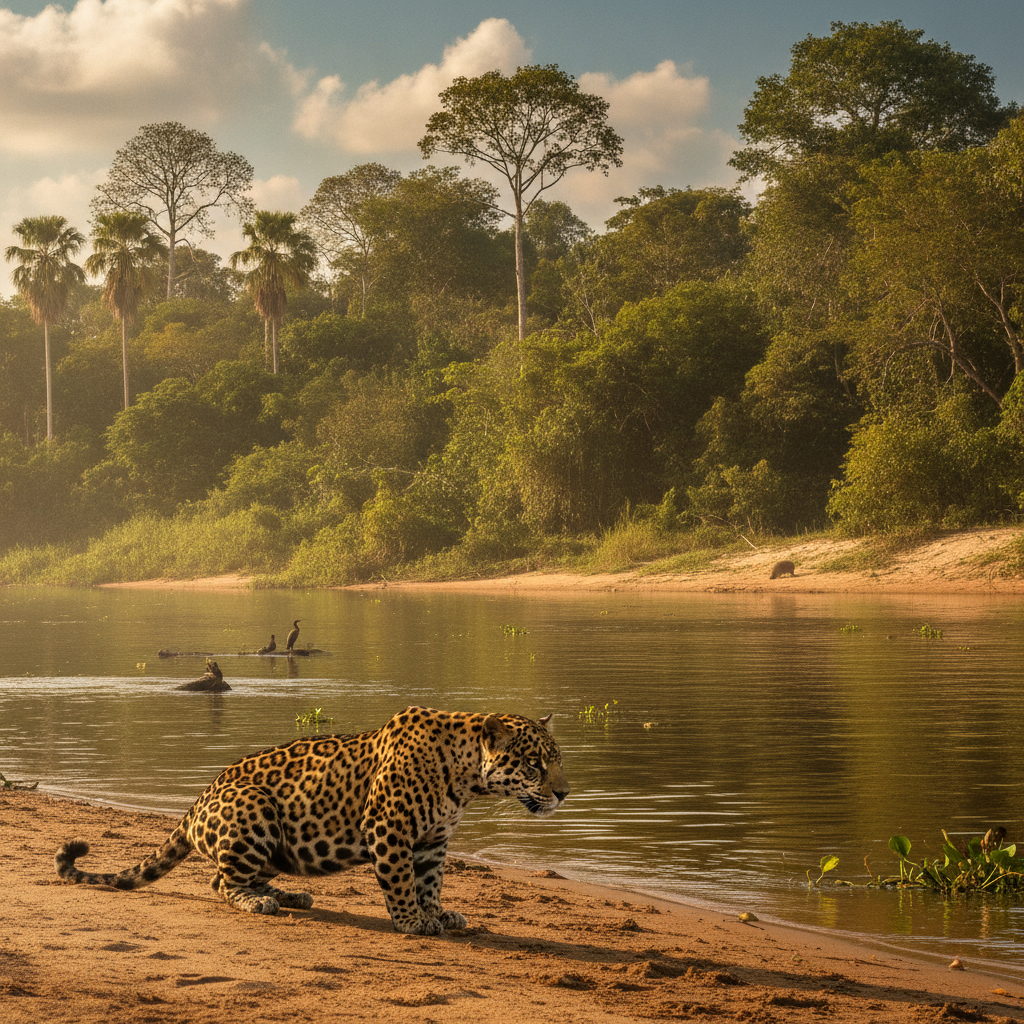
Pantanal: World's Greatest Wildlife Refuge Near Campo Grande
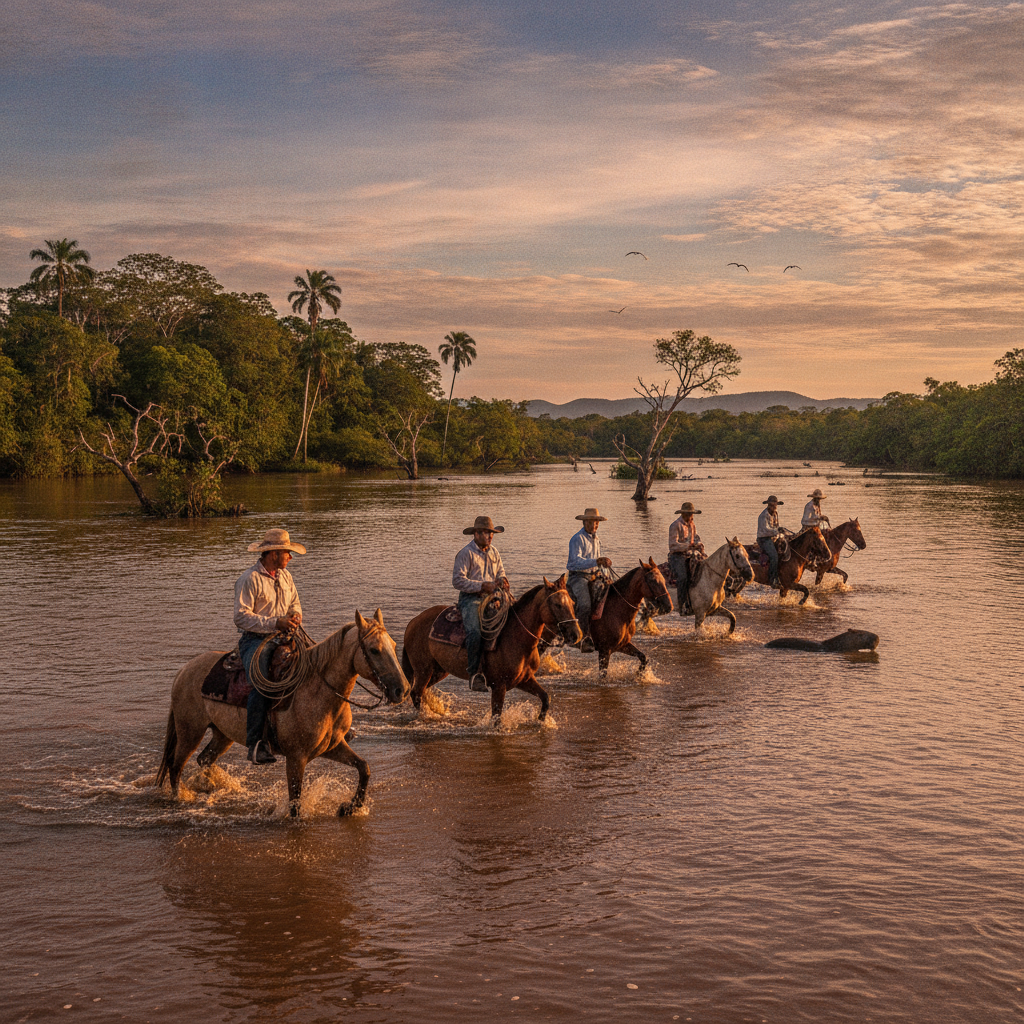
Aquidauana: Pantaneiro Cowboys & Southern Pantanal Life