Indigenous Mato Grosso do Sul: Guarani, Terena & Living Cultures
Mato Grosso do Sul has Brazil's largest indigenous population in absolute terms — the Guarani-Kaiowá, Terena, and other nations maintain living cultures in reserves within sight of the cerrado capital
- 1
Guarani-Kaiowá land rights
The Guarani-Kaiowá of Mato Grosso do Sul are fighting for the recovery of traditional territories now occupied by soy farms and cattle ranches; their struggle for land rights is one of Brazil's most pressing indigenous rights issues
- 2
Terena Cultural Traditions
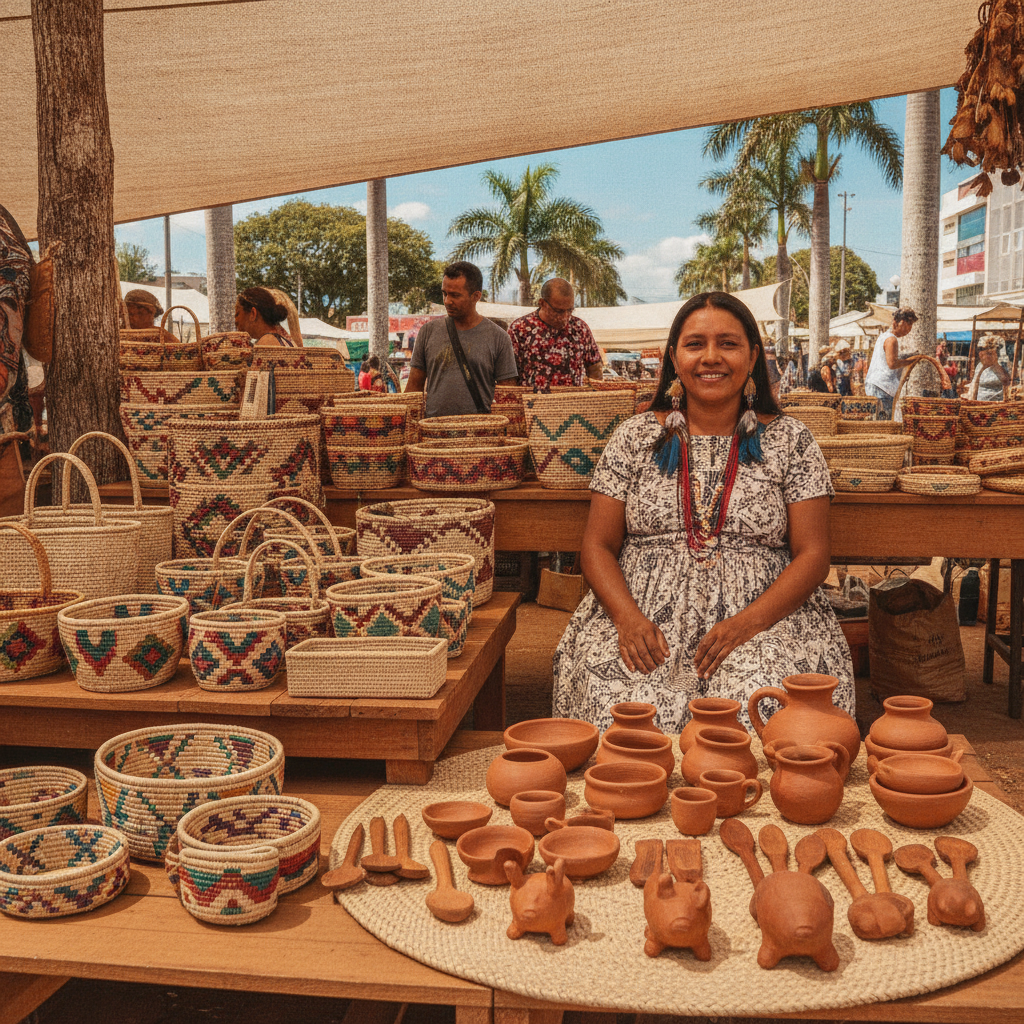
The Terena people – concentrated in Campo Grande and surrounding reserves – maintain traditional crafts, language and ceremonial life along with full participation in the city's economy
- 3
Museum of the Indian
The Museu do Índio in Campo Grande documents the indigenous people of Mato Grosso do Sul – their material culture, language and the history of their relations with the Brazilian state
- 4
Nioaque Indigenous Reserve
The indigenous reserves near Campo Grande preserve community life – visits arranged through cultural organizations reveal traditional construction, use of medicinal plants and spiritual practices
- 5
Kaiowá Ñande Reko
The Guarani concept of ñande reko – the traditional way of being – embodies their relationship to land, community and spirituality; its survival during displacement is remarkable
- 6
Borders Indigenous Peoples
The Pantanal borderlands between Brazil, Paraguay and Bolivia are home to transboundary indigenous peoples who maintain identities that predate national borders
Walk this route with audio
Stories play automatically as you reach each stop — no tapping needed.
More in Campo Grande
Bonito: South America's Crystal Clear River Capital
Campo Grande's Cultural Scene: Museums, Music & Frontier Arts
Pantanal: World's Greatest Wildlife Refuge Near Campo Grande
Aquidauana: Pantaneiro Cowboys & Southern Pantanal Life
Campo Grande's Railway Heritage & the Trem do Pantanal