Campo Grande Food: Tereré, Churrasco & Frontier Cuisine
Campo Grande's food reflects its position at the frontier between Brazil, Bolivia, and Paraguay — the tereré cold mate culture, frontier churrasco, and indigenous food influences create a distinctive cuisine
- 1
Tereré Cold Mate Ritual
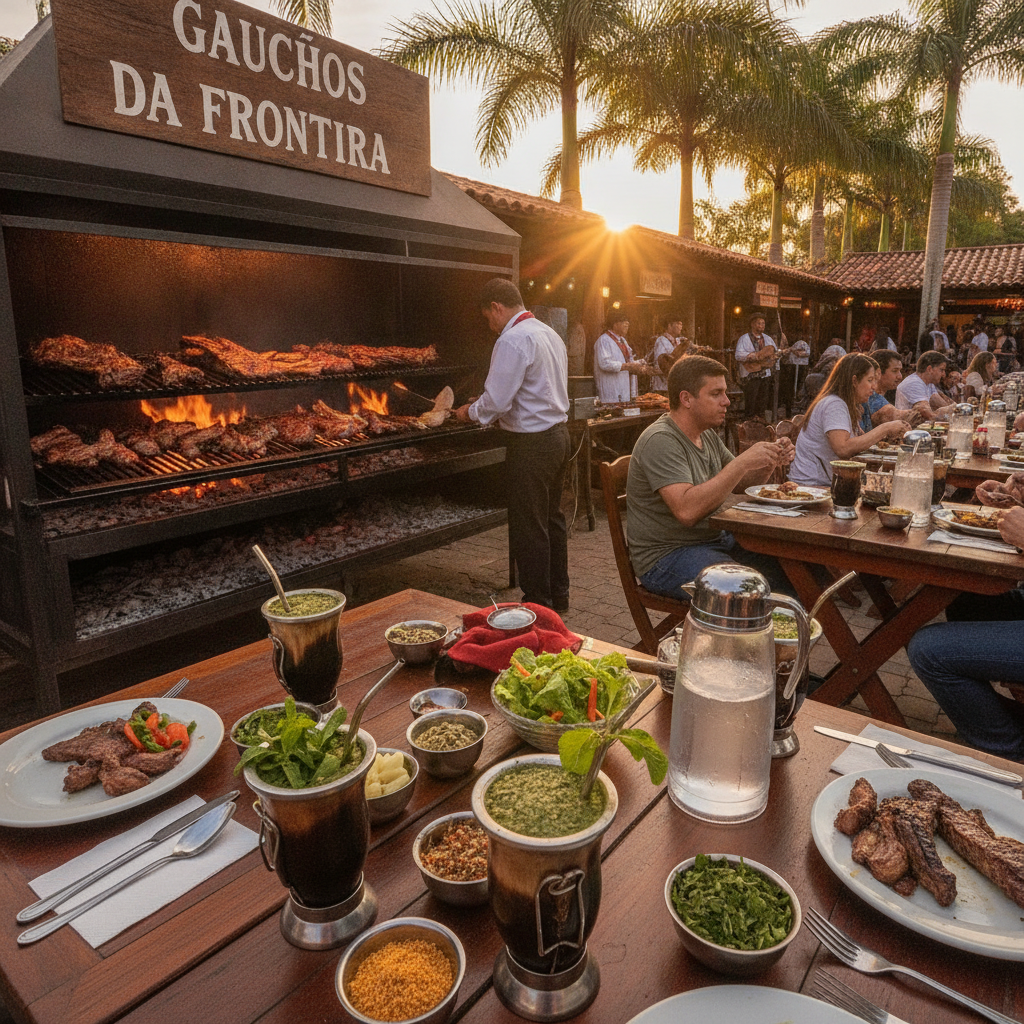
The tererén – cold water infused with yerba mate and fresh herbs in a guampa gourd – is the social drink of Mato Grosso do Sul; it is shared in a circle and the ritual of passing and drinking is a cultural ceremony
- 2
Campo Grande Churrasco
Mato Grosso do Sul beef - from cerrado and Pantanal cattle in the state - is among Brazil's finest; the local churrascarias serve cuts rarely seen in São Paulo churrascos, including thick costela ribs
- 3
Sobá Noodle Soup
Sobá — a noodle soup introduced by the Japanese-Brazilian community of Campo Grande — is the city's signature dish; the combination of Japanese noodles with Brazilian ingredients creates a genuine hybrid food
- 4
Pantanal Fish: Pintado
Pintado catfish from the Pantanal rivers — grilled or fried in field-style preparation — is the region's iconic fish dish; large catfish served in riverside restaurants in portions for several people
- 5
Paraguayan border influence
Proximity to Paraguay and the large Paraguayan community in Campo Grande add dishes like chipa bread, sopa Paraguayan cornbread, and Paraguayan beef preparations to the city's food scene
- 6
Domestic Food Ingredients
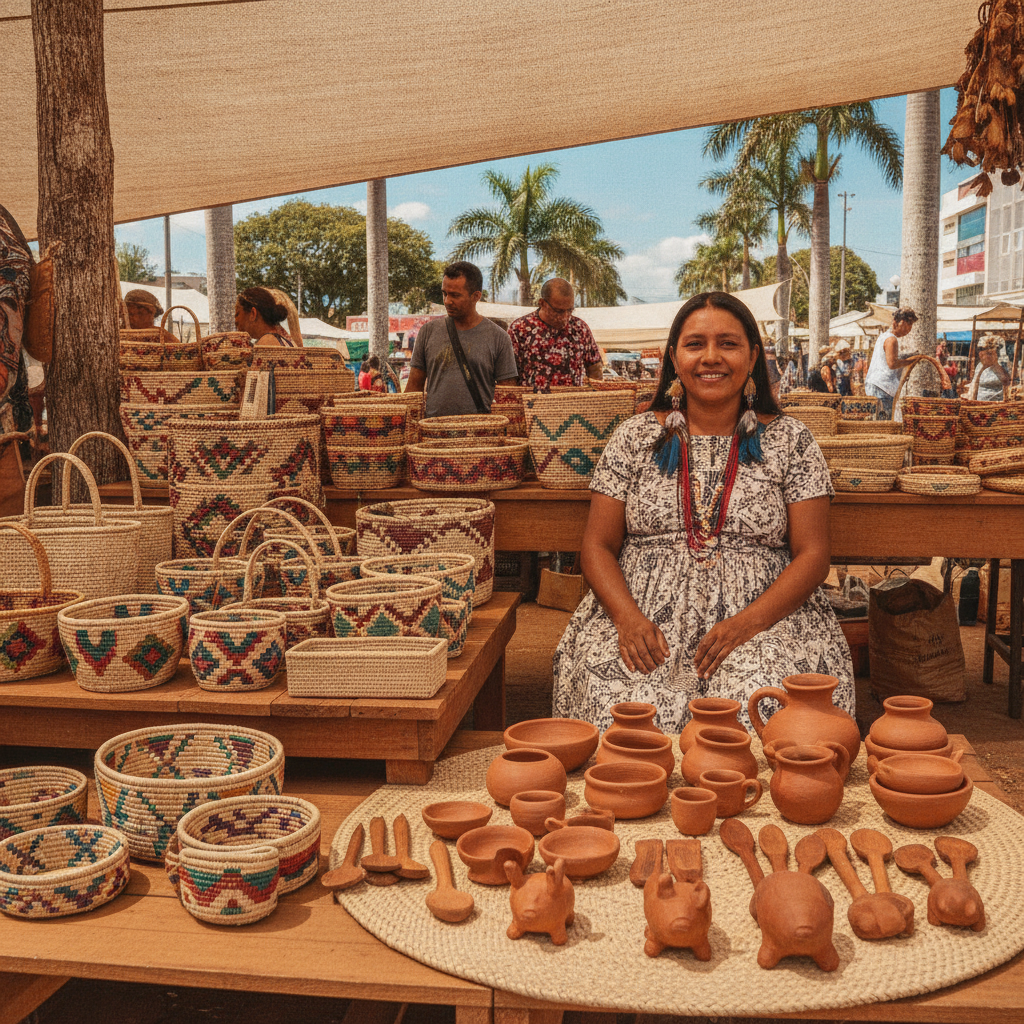
Campo Grande's large indigenous population (Guarani, Terena) contribute traditional ingredients – pequi, bocaiuva palm and native honey – to the city's market and restaurant culture
Walk this route with audio
Stories play automatically as you reach each stop — no tapping needed.
More in Campo Grande
Indigenous Mato Grosso do Sul: Guarani, Terena & Living Cultures
Bonito: South America's Crystal Clear River Capital
Campo Grande's Cultural Scene: Museums, Music & Frontier Arts
Pantanal: World's Greatest Wildlife Refuge Near Campo Grande
Aquidauana: Pantaneiro Cowboys & Southern Pantanal Life