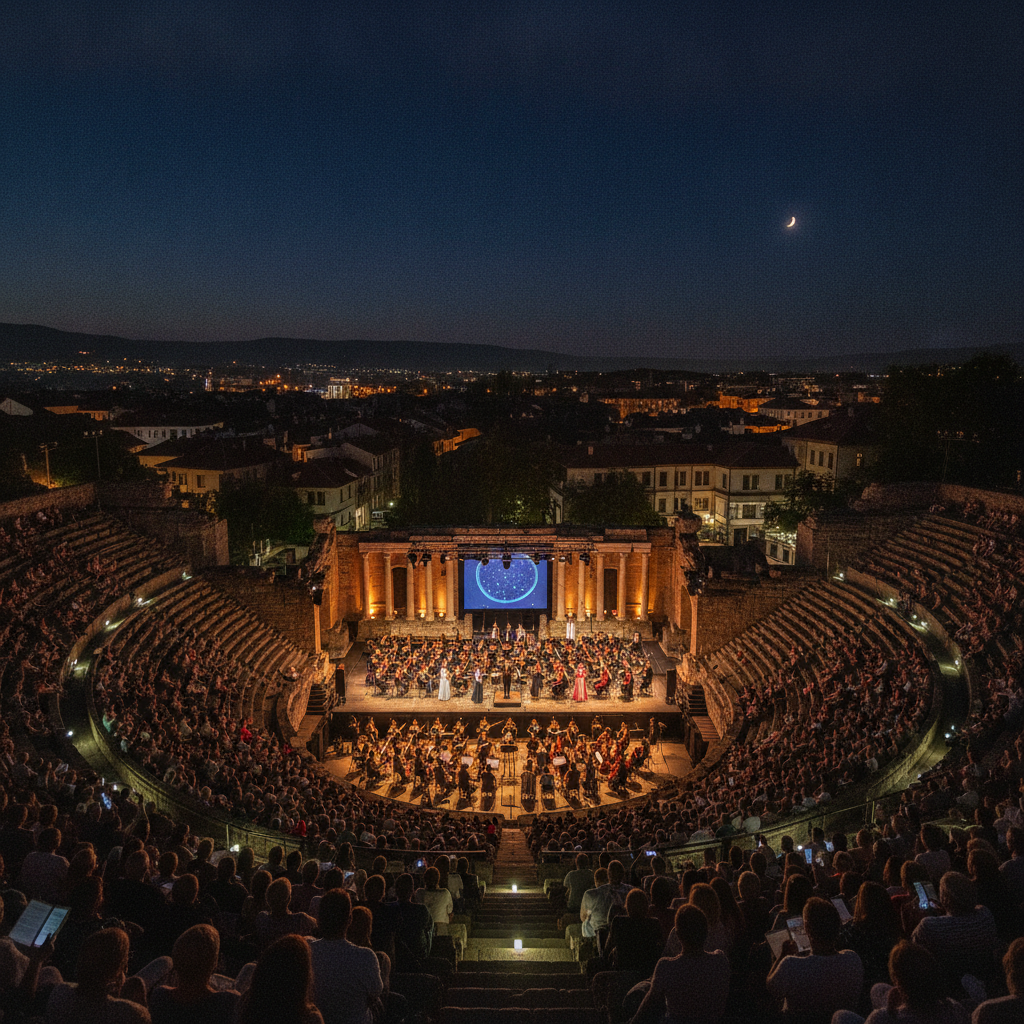
Plovdiv as Cultural Capital: Opera, Orpheus & the Seven Hills
Discover what made Plovdiv Bulgaria's European Capital of Culture—opera in a 2,000-year-old Roman theatre, the mythological Orpheus legacy of the Rhodope Mountains, a thriving literary tradition, First Friday gallery nights in National Revival mansions, and the extraordinary geological drama of a city built on seven volcanic hills.
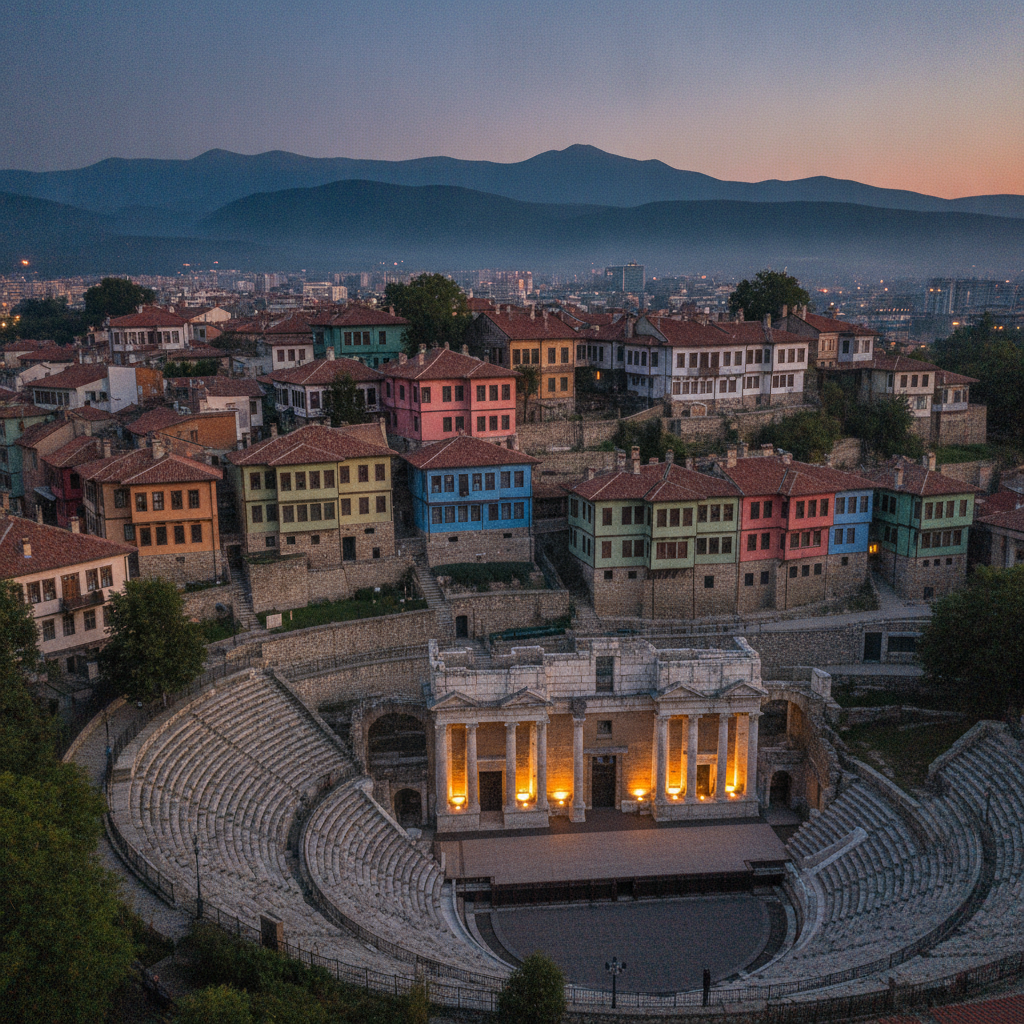
Plovdiv Classics: Roman Theatre, Old Town Mansions & Kapana
Experience one of Europe's oldest continuously inhabited cities—Plovdiv's Roman amphitheatre still hosts concerts 2,000 years after Trajan built it, the National Revival mansions of the Old Town are among Europe's most colourful, and the revitalised Kapana quarter buzzes with the creative energy that made this Bulgaria's European Capital of Culture 2019.
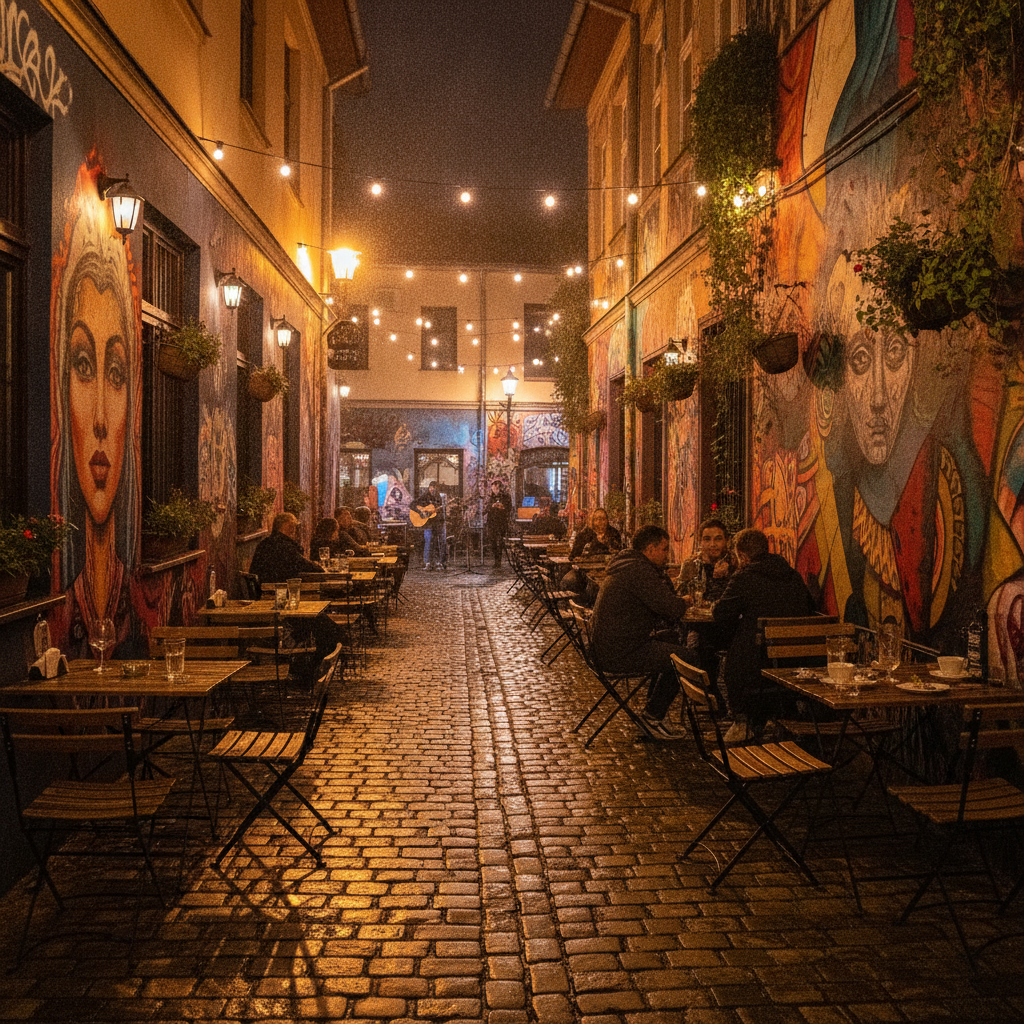
Plovdiv Arts, Food & Nightlife: Kapana Quarter & Mavrud Wine
Live Plovdiv like a local—eat innovative Bulgarian cuisine in Kapana's converted workshops, taste Mavrud red wine from the ancient Thracian Valley, explore the European Capital of Culture street art installations, and end the evening at a jazz concert in the Roman Theatre or a rooftop bar above the old town.
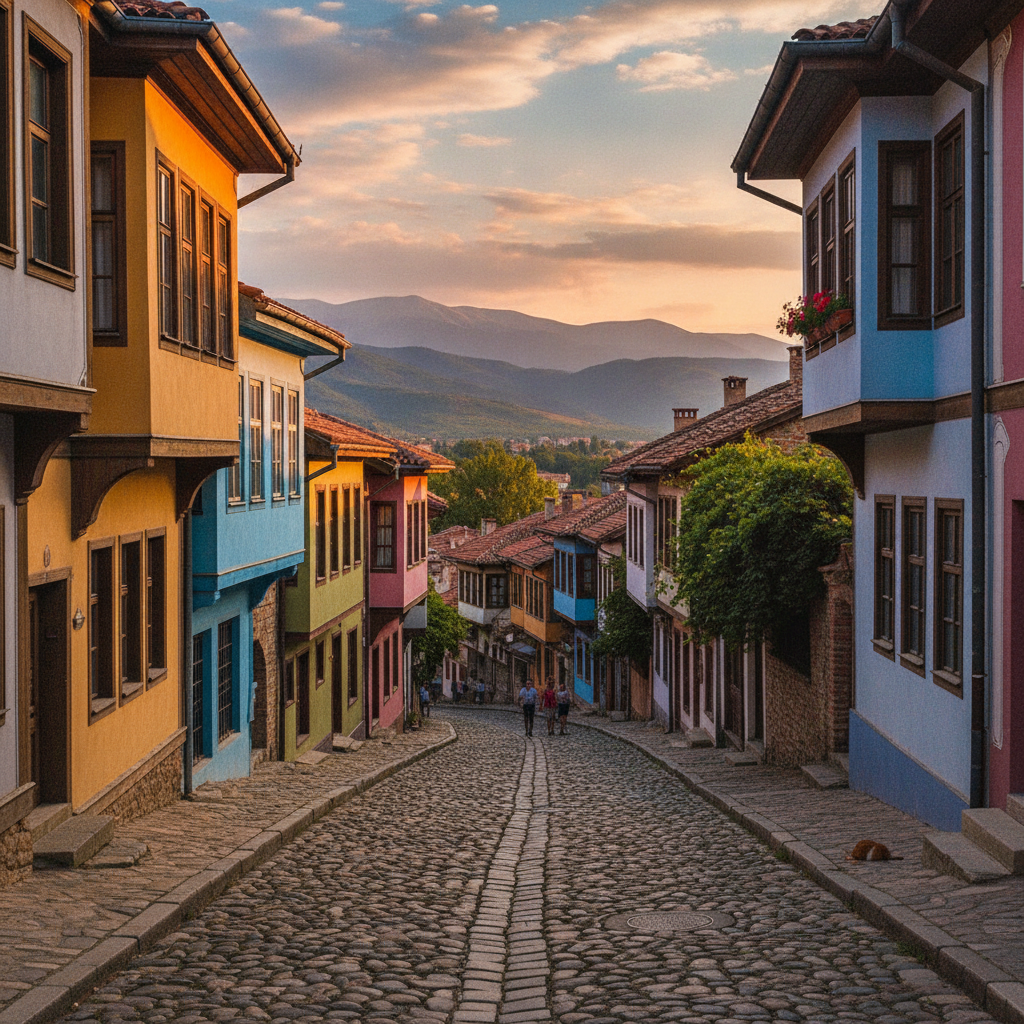
Plovdiv Practical Guide: Transport, Budget & Best Seasons
Plan your Plovdiv visit—fast trains from Sofia in under 2 hours, walking the compact Old Town in comfortable shoes, day trips to Bachkovo Monastery and the Rhodope gorges, and why Plovdiv is one of Europe's best-value cultural destinations at around €40/day total.
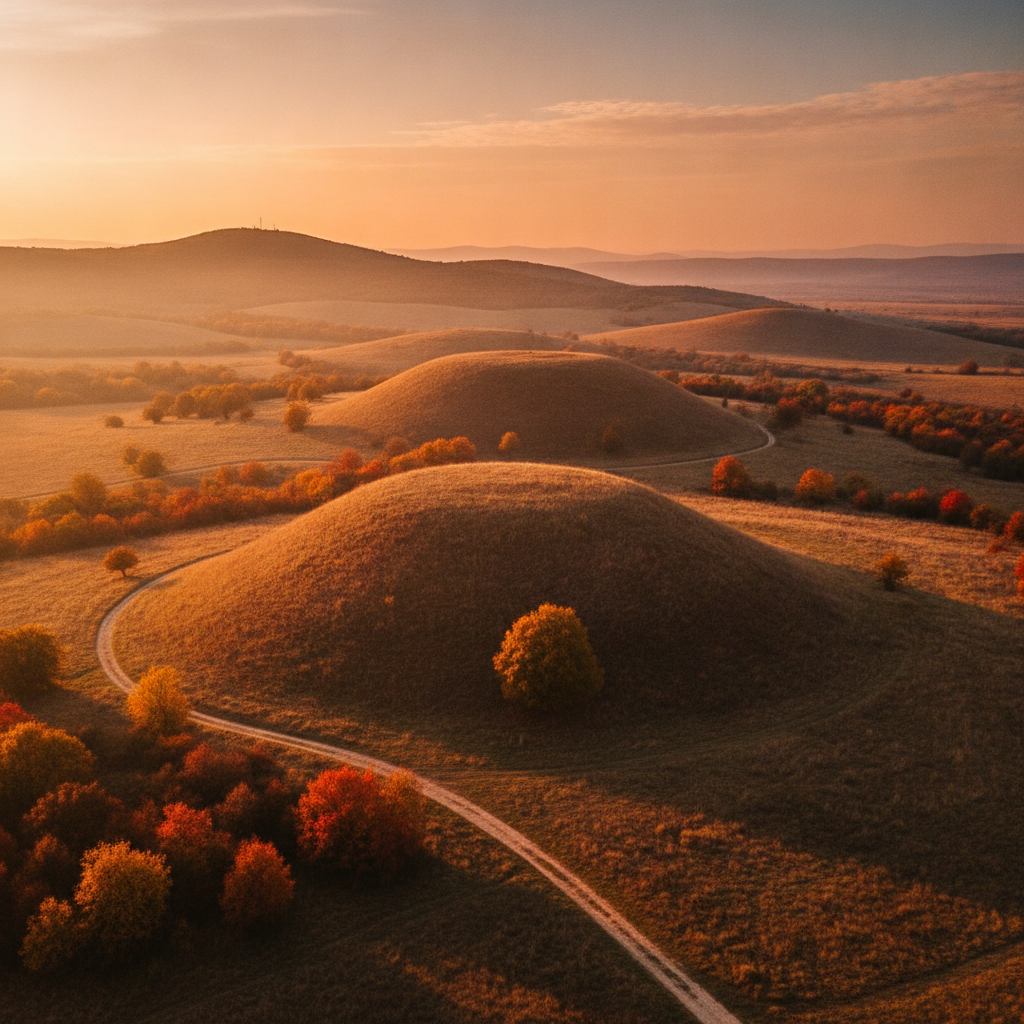
Plovdiv Ancient History: Thracian Kings, Archaeology & Rhodope Monasteries
Trace 8,000 years of civilisation from Nebet Tepe's prehistoric settlement through Philip of Macedon's city, Thracian royal tombs, and the exquisite 11th-century Bachkovo Monastery in the Rhodope Mountains—Plovdiv is one of Europe's most layered ancient cities, and one of its least visited.