Plovdiv Ancient History: Thracian Kings, Archaeology & Rhodope Monasteries
Trace 8,000 years of civilisation from Nebet Tepe's prehistoric settlement through Philip of Macedon's city, Thracian royal tombs, and the exquisite 11th-century Bachkovo Monastery in the Rhodope Mountains—Plovdiv is one of Europe's most layered ancient cities, and one of its least visited.
- 1
Nebet Tepe Hill – 8,000 Years of Settlement
Plovdiv is one of the oldest continuously inhabited cities in the world—settlement on Nebet Tepe (Watchtower Hill) dates to 6000 BC, predating Mycenae and Troy. The Thracians built a fortress here called Eumolpias; Philip II of Macedon (father of Alexander the Great) captured and renamed it Philippopolis in 342 BC. The hilltop ruins offer the best free panorama of the city.
- 2
Archaeological Museum of Plovdiv
Plovdiv's Archaeological Museum houses 100,000 artefacts spanning 6,000 years of the city's extraordinary history—Thracian goldwork, Hellenistic marble sculpture, Roman glass and ceramics, early Byzantine jewellery, and medieval Bulgarian treasures. The star exhibits include the Panagyurishte gold treasure (temporarily) and remarkable Thracian bronze armour from the 4th century BC.
- 3
Plovdiv's Thracian Kings – Seuthopolis & the Valley of the Thracian Kings
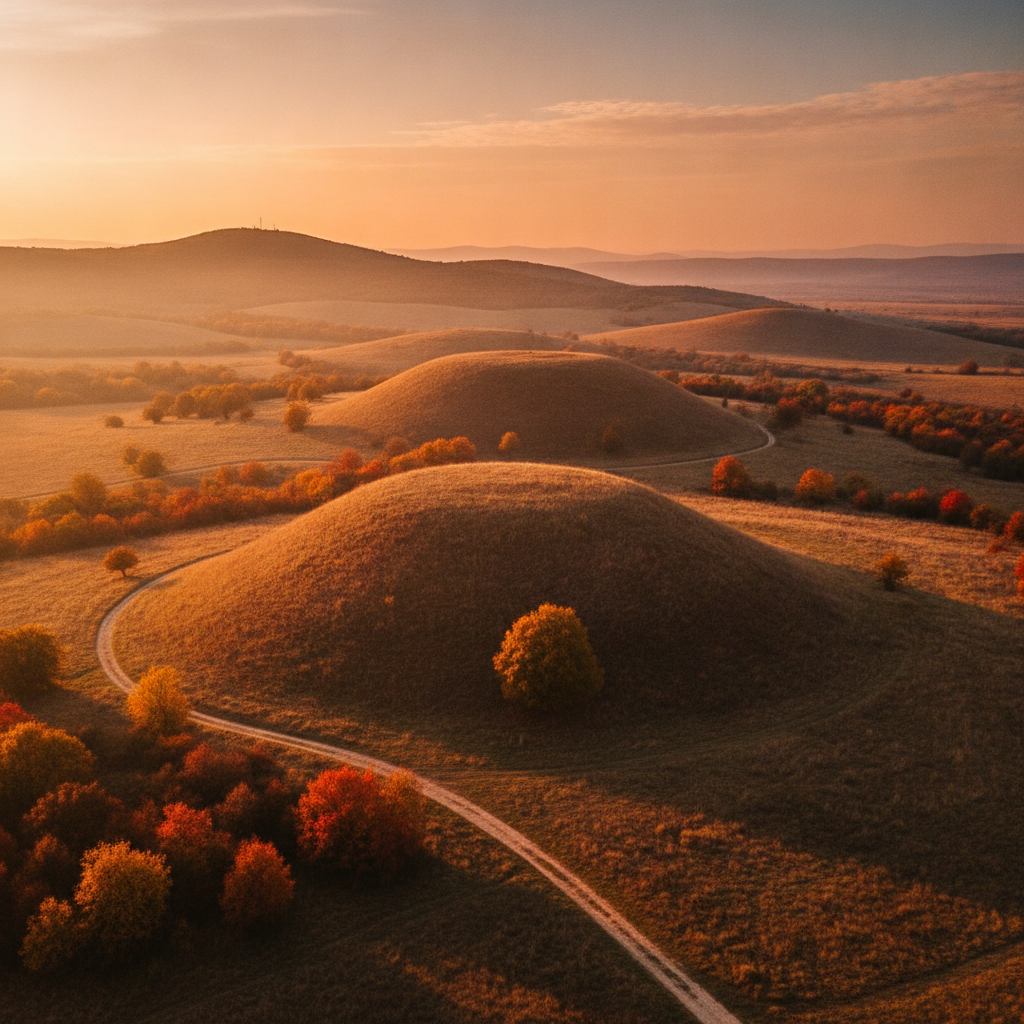
The region around Plovdiv was at the heart of the Odrysian Thracian kingdom. The Valley of the Thracian Kings—around Kazanlak, 90 km north—contains over 1,000 burial mounds (tumuli) of Thracian nobles, several decorated with intact frescoes. The UNESCO Kazanlak Tomb (3rd century BC) is the finest; eight more have been excavated and opened to visitors in the surrounding Stara Zagora region.
- 4
Plovdiv Water Tower & City Views
The distinctive circular Water Tower (Vodna Kula) above Sahat Tepe hill dates from the 1930s and is the most visible landmark on Plovdiv's horizon after the Roman Theatre. Climbing through the residential streets around Sahat Tepe reveals a mixture of Ottoman-era stone houses, communist-era blocks, and new development—the palimpsest of Plovdiv's rapid 20th-century growth from a small market town.
- 5
Bachkovo Monastery & Rhodope Mountains
The Bachkovo Monastery, 30 km south of Plovdiv in the Rhodope Mountains, is Bulgaria's second-largest monastery after Rila—founded in 1083 by a Georgian general in Byzantine service. The monastery's 17th-century ossuary frescoes by Zahari Zograf are among Bulgaria's finest; the surrounding Rhodope valleys offer excellent hiking, gorge walks, and the spectacular Trigrad Gorge with its Devil's Throat cave.
- 6
Plovdiv International Fair & Trade Heritage
Plovdiv has been a trading crossroads since antiquity—its position on the ancient Via Diagonalis connecting Rome to Constantinople made it the commercial capital of the Balkans. The Plovdiv International Fair, established in 1892, remains one of the oldest trade fairs in Eastern Europe; the fair grounds south of the centre host events year-round and Bulgaria's largest annual consumer and industrial exhibitions.
Walk this route with audio
Stories play automatically as you reach each stop — no tapping needed.