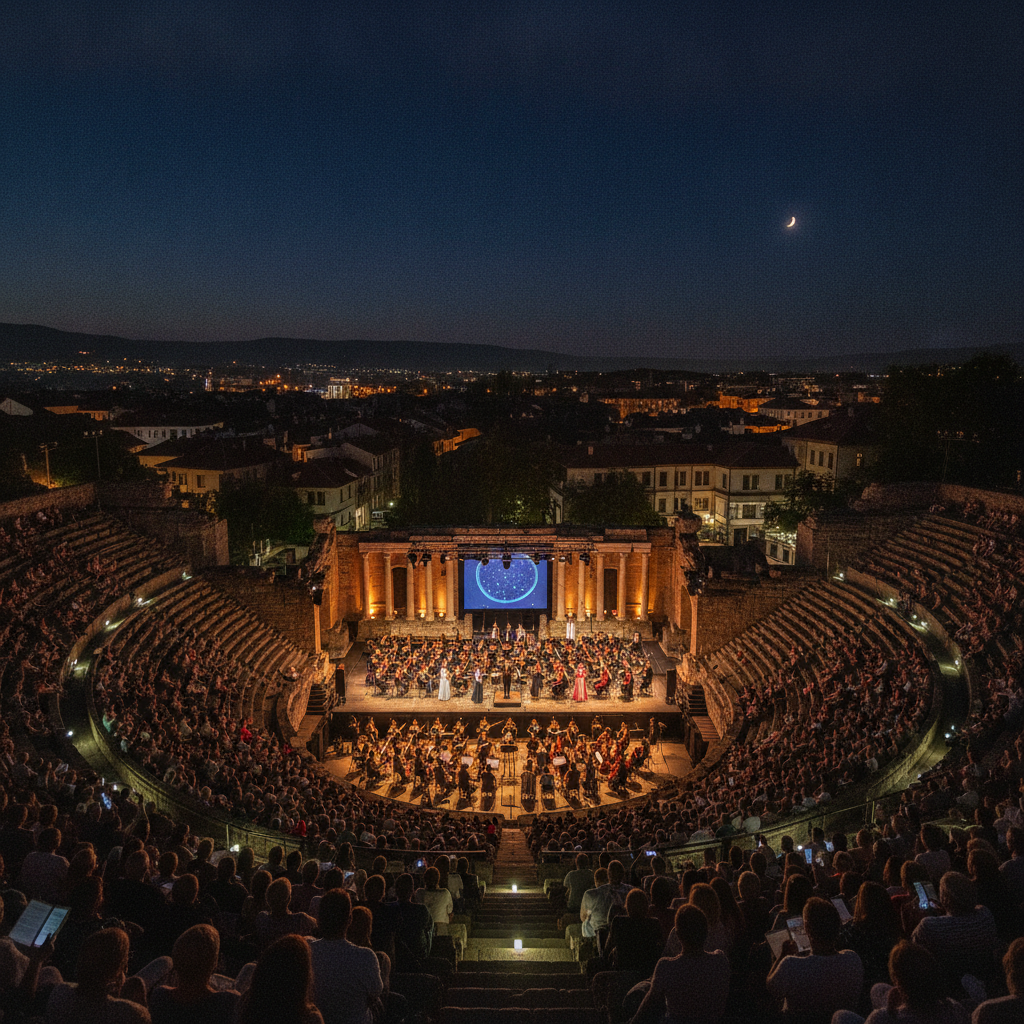
Plovdiv as Cultural Capital: Opera, Orpheus & the Seven Hills
Discover what made Plovdiv Bulgaria's European Capital of Culture—opera in a 2,000-year-old Roman theatre, the mythological Orpheus legacy of the Rhodope Mountains, a thriving literary tradition, First Friday gallery nights in National Revival mansions, and the extraordinary geological drama of a city built on seven volcanic hills.
- 1
Plovdiv as European Capital of Culture 2019
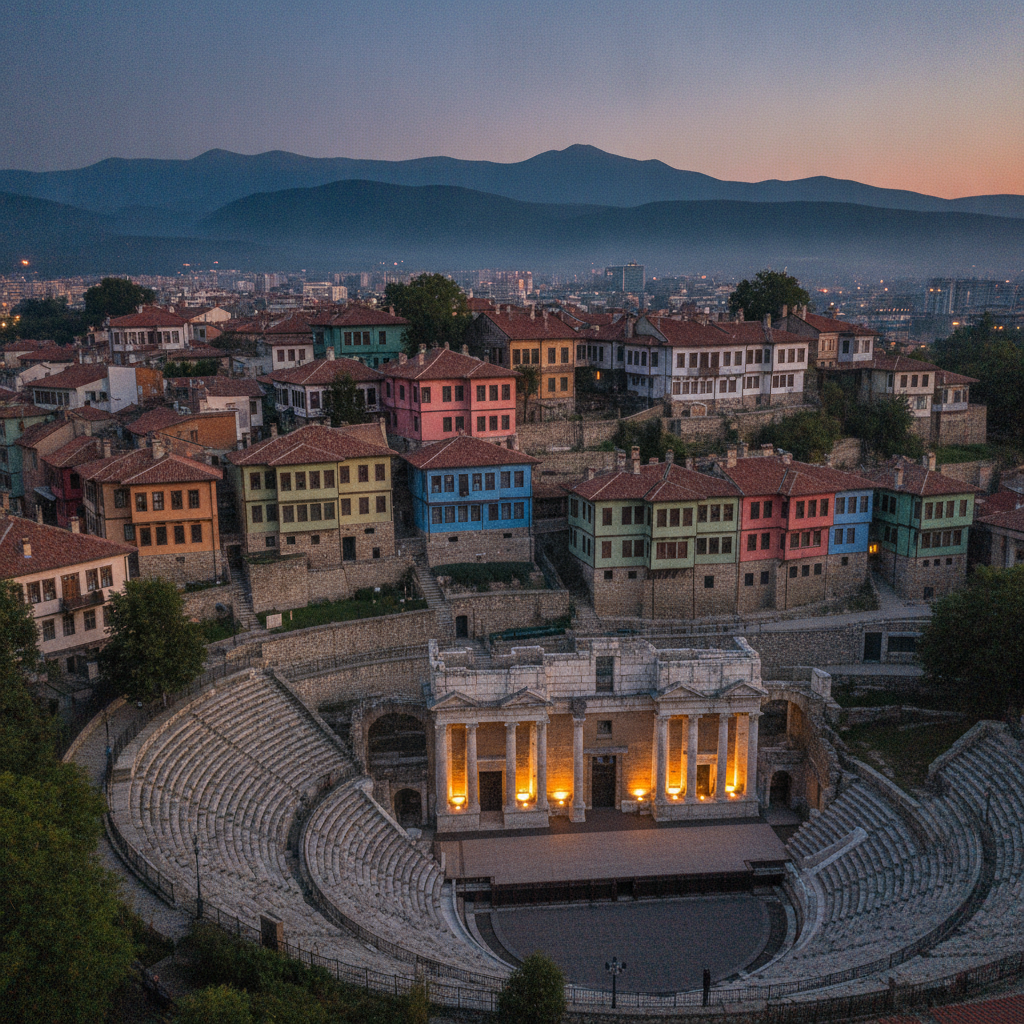
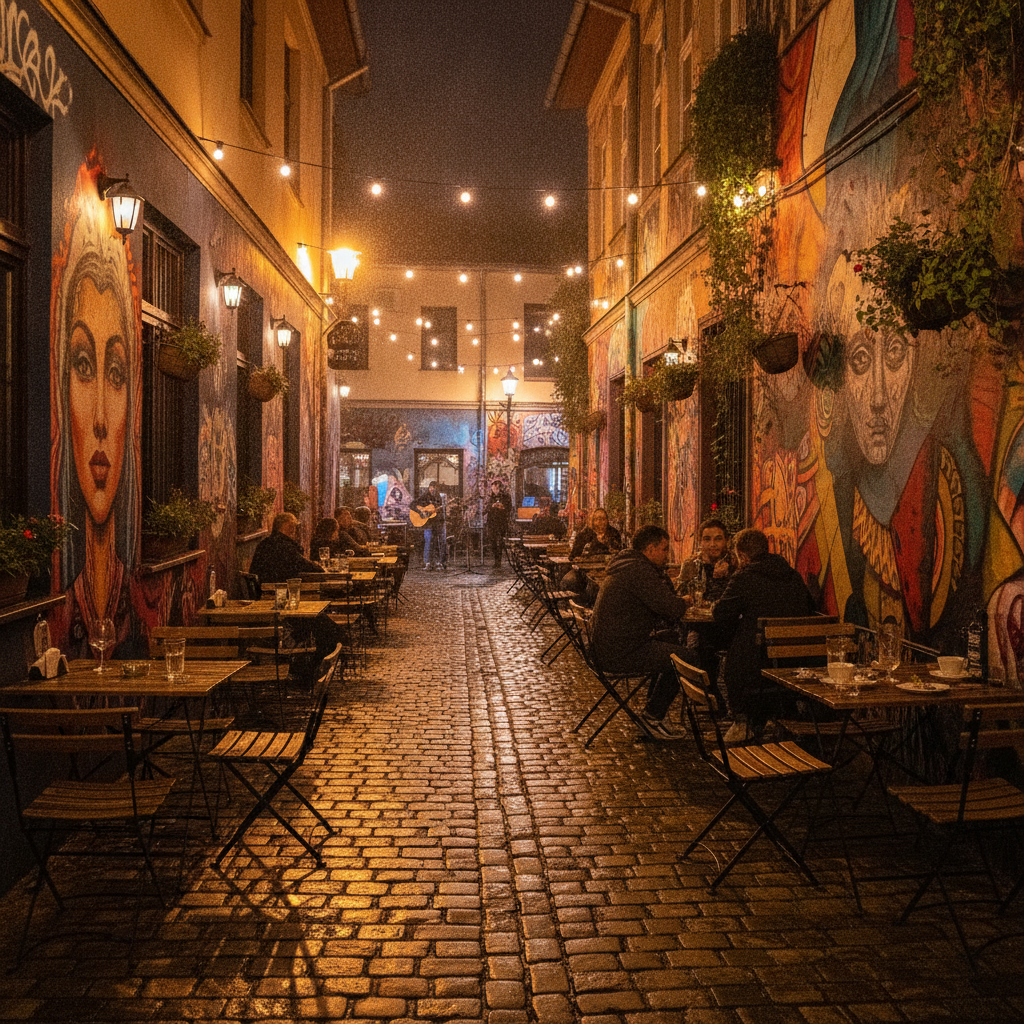
Plovdiv was the first Bulgarian city to hold the European Capital of Culture title (2019, shared with Matera, Italy). The year-long programme—under the theme 'Together'—produced 500 events, 200 new artworks, and transformed the city's infrastructure and cultural confidence. The legacy continues: Kapana remains animated, the Roman Theatre hosts summer operas, and visitor numbers have doubled since 2018.
- 2
Open Arts Festival & Summer Cultural Programme
Plovdiv's summer calendar is among Bulgaria's most ambitious. The Opera Open festival (June–July) stages opera and ballet on the Roman Theatre's ancient stage; the Night of Museums and Galleries (September) opens all institutions free from 6 pm to midnight; the Plovdiv Film Fest and the City Bazaar (craft market) fill different weekends throughout the warmer months.
- 3
Orpheus – Plovdiv's Mythological Identity
Ancient Thracian mythology placed the birthplace of Orpheus—the divine musician of Greek myth—in the Rhodope Mountains above Plovdiv. The city has fully embraced this mythological identity: the Orpheus Festival celebrates music and poetry; street statues and murals depict Orpheus; and the connection between music, mythology, and landscape remains central to Plovdiv's cultural self-understanding.
- 4
Plovdiv's Literary Heritage
Ivan Vazov—Bulgaria's national writer, author of the novel Under the Yoke (1893)—was born in Sopot near Plovdiv and spent formative years here. The Plovdiv Literary Circle of the late 19th century was central to Bulgarian national literature during the National Revival. The literary café tradition remains strong; the Plovdiv Book Fair each autumn is the largest in Bulgaria outside Sofia.
- 5
Contemporary Art Galleries in the Old Town
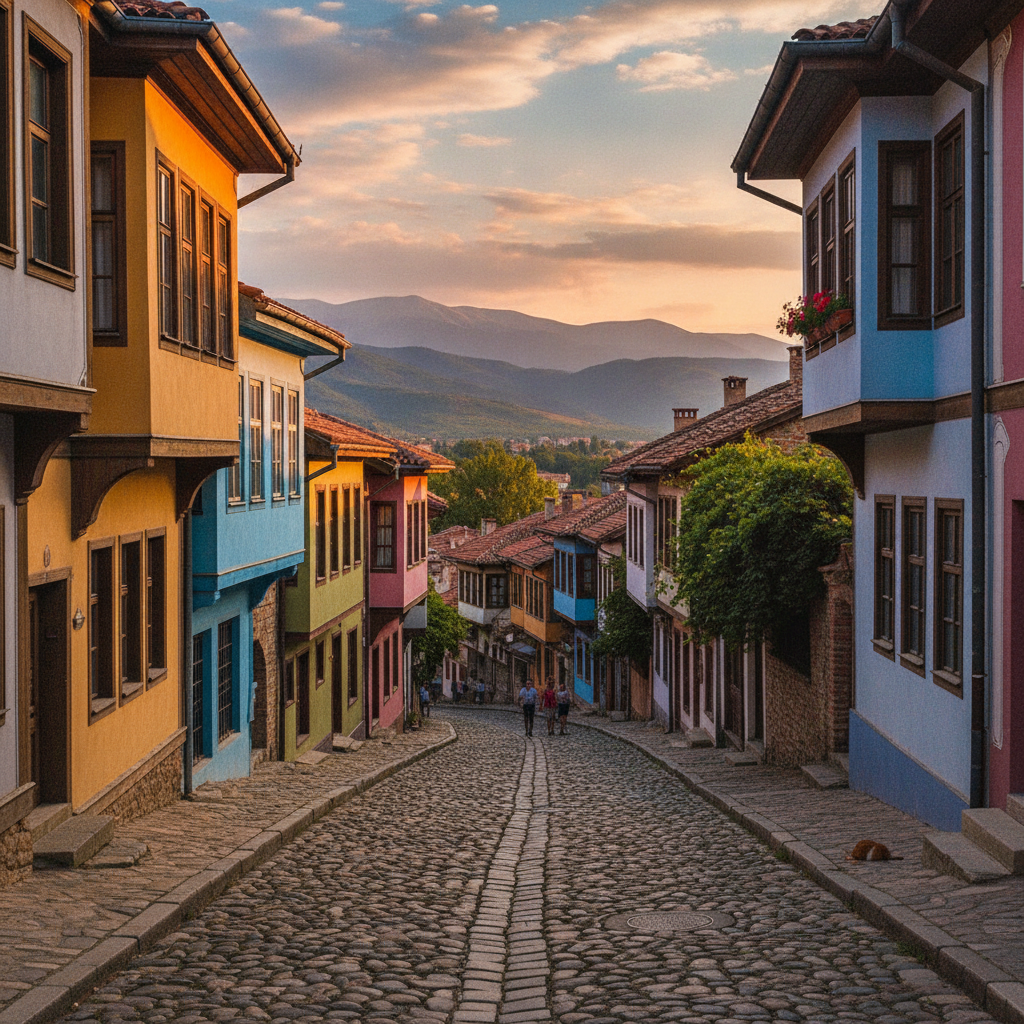
The Old Town's National Revival mansions house an exceptional concentration of commercial and public galleries. The Plovdiv City Art Gallery in the Central Municipal Building holds a permanent collection of Bulgarian art; the Balabanov House hosts chamber music and temporary exhibitions; and dozens of private ateliers open for First Friday gallery nights each month, transforming the Old Town into an open-air gallery.
- 6
Plovdiv's Seven Hills & Sacred Geography
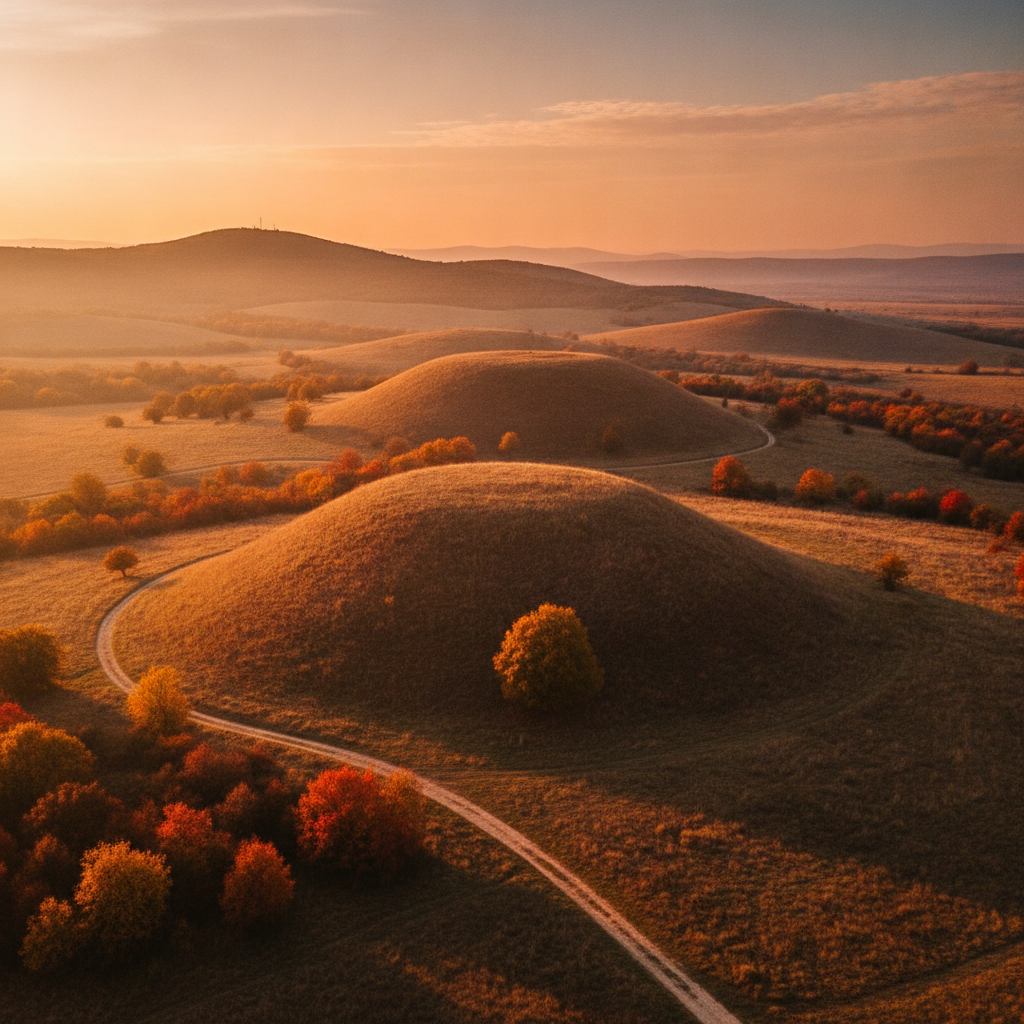
Plovdiv is built on seven syenite hills—a rare geological formation created by volcanic intrusion. The hills determined the city's ancient Thracian settlement, its Roman development, and its current urban form. Each hill has a distinct character: Nebet Tepe (history), Dzhambaz Tepe (Roman Theatre), Taksim Tepe (Old Town), Sahat Tepe (Water Tower), Bunardzhika (Alyosha), and the two newer hills of Markovo Tepe and Mladezhi Halm.
Walk this route with audio
Stories play automatically as you reach each stop — no tapping needed.