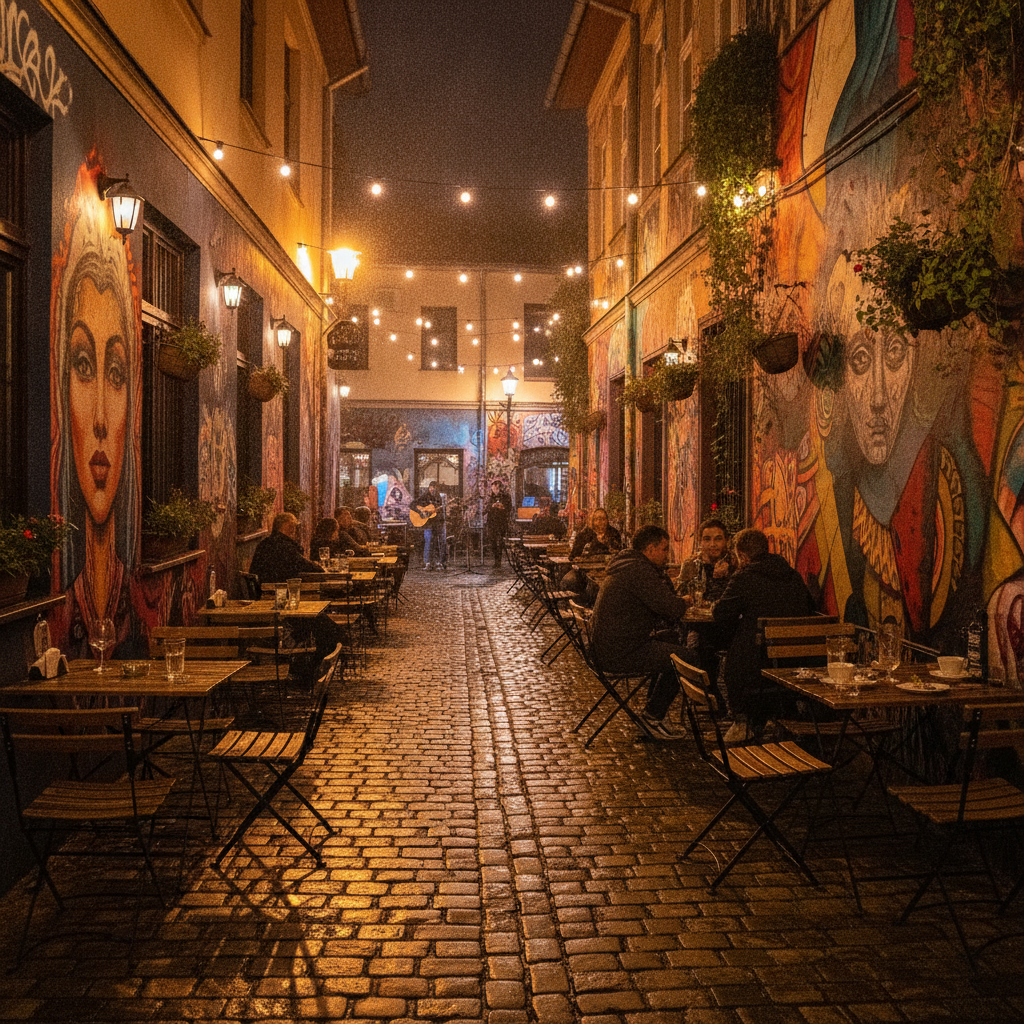
Plovdiv Arts, Food & Nightlife: Kapana Quarter & Mavrud Wine
Live Plovdiv like a local—eat innovative Bulgarian cuisine in Kapana's converted workshops, taste Mavrud red wine from the ancient Thracian Valley, explore the European Capital of Culture street art installations, and end the evening at a jazz concert in the Roman Theatre or a rooftop bar above the old town.
- 1
Plovdiv Food Scene – European Capital of Taste
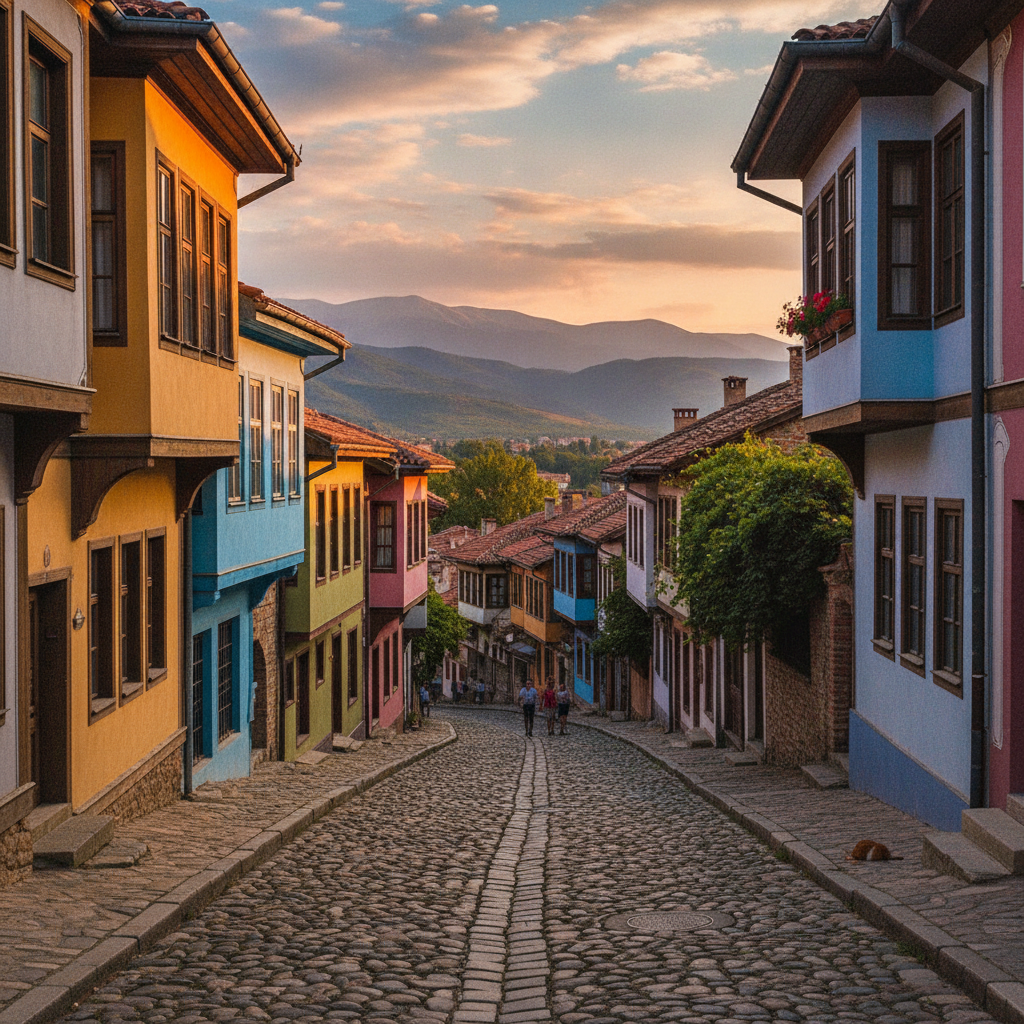
Plovdiv's restaurant scene has evolved dramatically alongside its European Capital of Culture recognition. The Kapana quarter houses Sofia-quality restaurants at half the price: craft cocktail bars, Japanese ramen, Georgian khachapuri, and innovative Bulgarian tasting menus jostle for space in former artisan workshops. The morning market on Zhitnitsa Street supplies most kitchens with seasonal produce.
- 2
Tarator, Meshana Skara & the Mixed Grill
Bulgarian cuisine reaches its most generous expression in Plovdiv's traditional restaurants. Tarator (cold yoghurt-cucumber soup) begins summer meals; meshana skara (mixed grill) is the definitive main course—a platter of kebapche, kavarma, kyufte, and shashlik with shopska salad and white bread. The bread here—mekhur (a large flat ring loaf)—is distinctively different from northern Bulgaria.
- 3
Plovdiv Wine Scene & Thracian Valley Wines
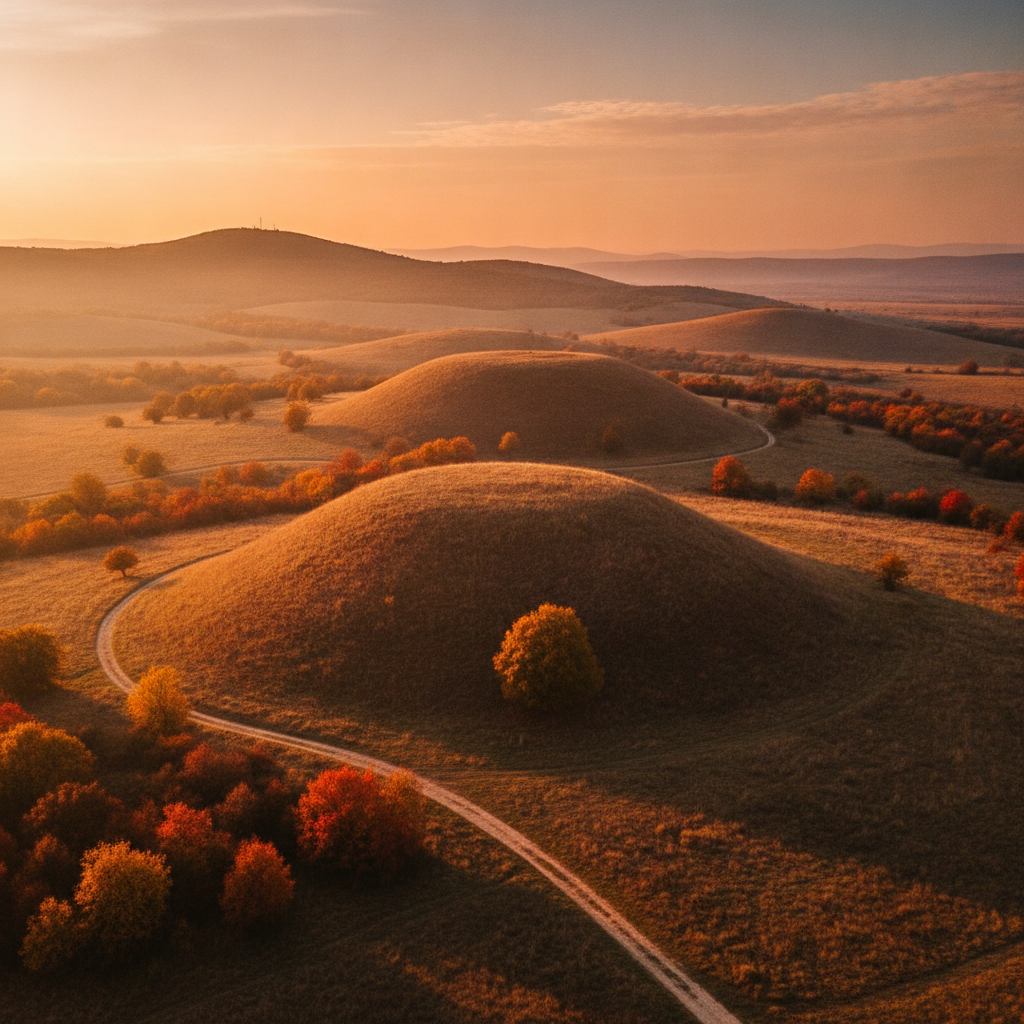
Plovdiv sits within the Thracian Valley wine region—Bulgaria's most productive, benefiting from the continental climate between the Balkan and Rhodope ranges. Local varieties Mavrud (dark, tannic red made only around Plovdiv) and Rubin are gaining international recognition. The Plovdiv wine bar scene—particularly in Kapana—has expanded rapidly, with natural wine shops and tasting events run by small-batch producers.
- 4
Plovdiv's Street Art & Public Art Scene
The 2019 European Capital of Culture year transformed Plovdiv's public spaces with commissioned murals, sculptures, and installations. The Kapana district has the highest concentration of street art; the underpass beneath the main pedestrian zone became a gallery; and temporary art interventions throughout the Old Town have become permanent fixtures. Plovdiv Street Art tours run year-round.
- 5
Alyosha Monument & Panoramic Views
The giant 'Alyosha' statue—a 17-metre concrete Soviet soldier—stands on the highest of Plovdiv's hills and is visible from across the Thracian Plain. Built in 1957 and surviving multiple demolition attempts, Alyosha has become an unlikely symbol of Plovdiv's layered history. The hill below the monument offers 360° panoramas across the city to the Rhodope and Balkan ranges.
- 6
Plovdiv After Dark – Jazz, Opera & Rooftop Bars
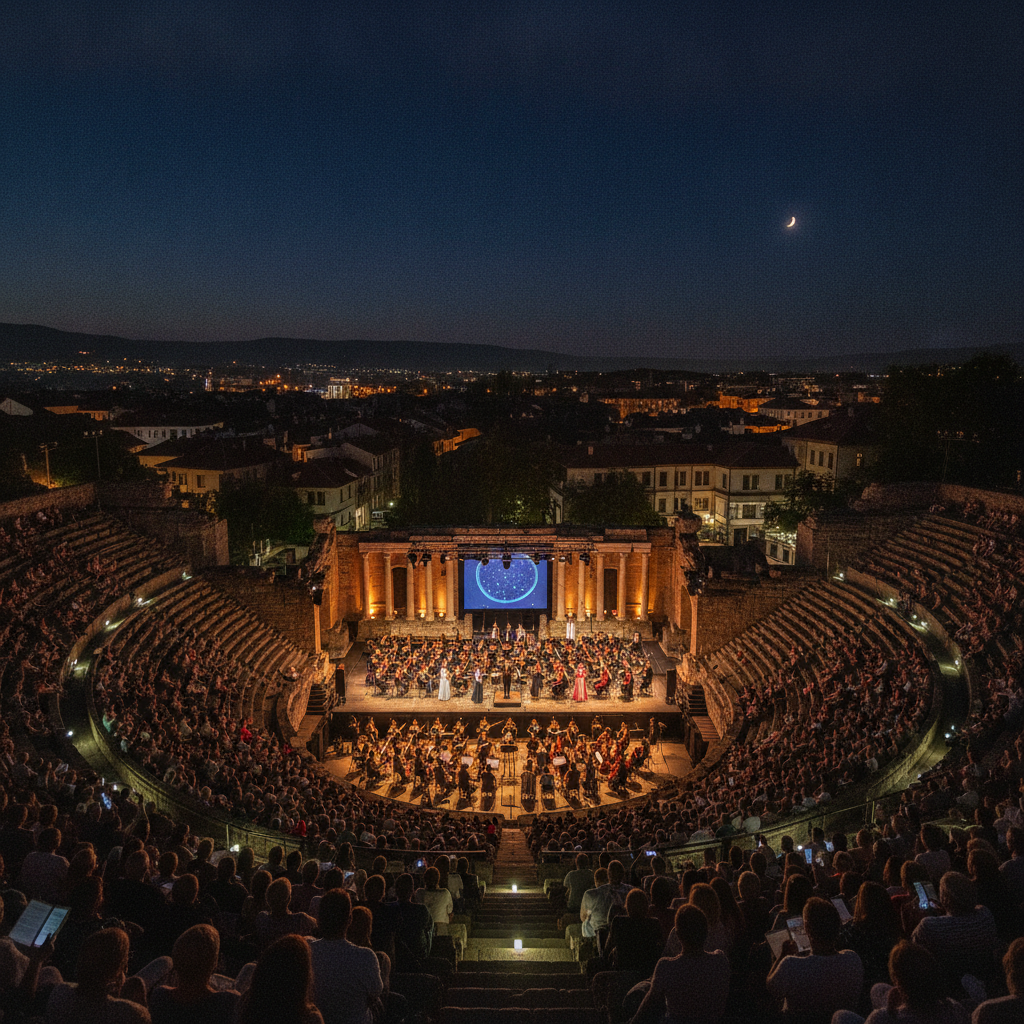
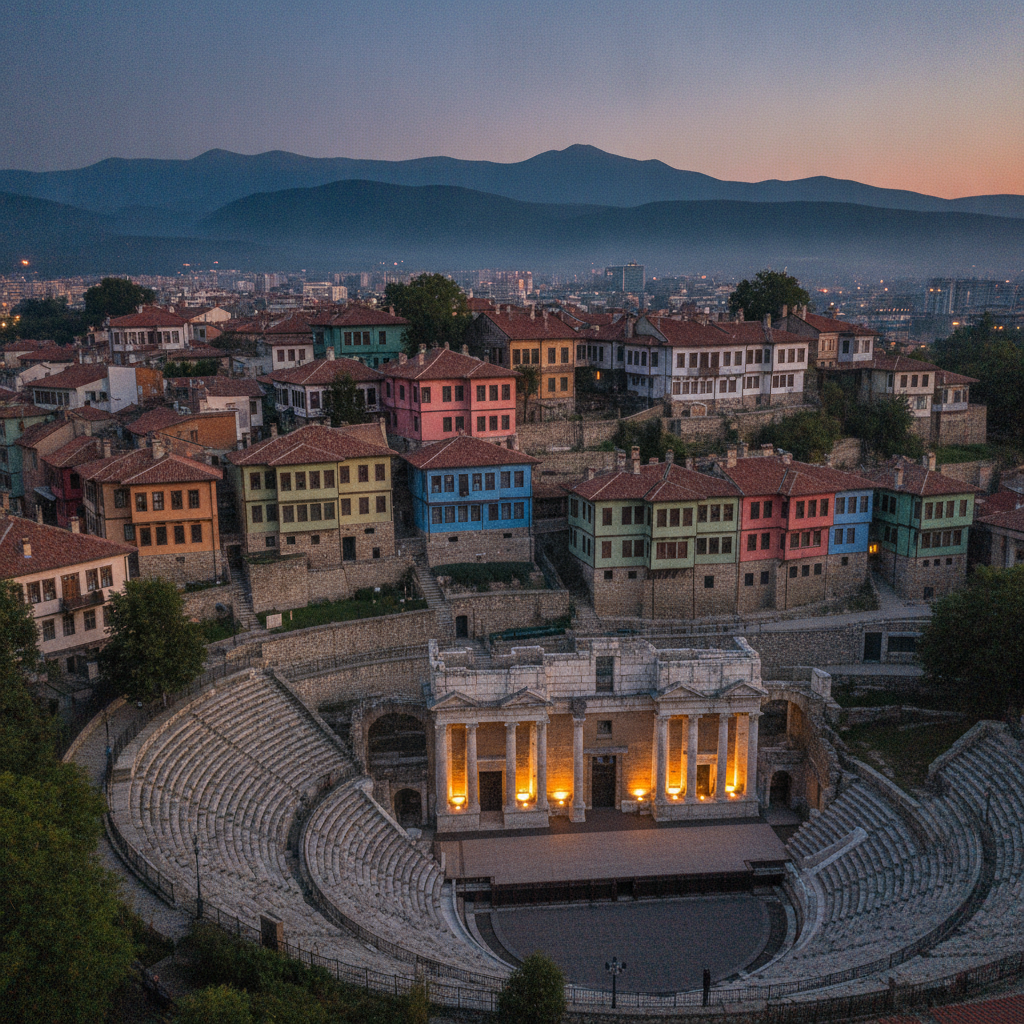
Plovdiv's nightlife is concentrated in Kapana (craft beer and cocktail bars closing at 2–3 am), the Old Town (wine bars in converted mansions), and the main pedestrian zone (dancing until dawn at basement clubs). The Opera Plovdiv performs in the Roman Theatre in summer; the Plovdiv Jazz Festival each October fills the Old Town with free outdoor concerts; the rooftop bars above the pedestrian zone offer unforgettable evening panoramas.
Walk this route with audio
Stories play automatically as you reach each stop — no tapping needed.