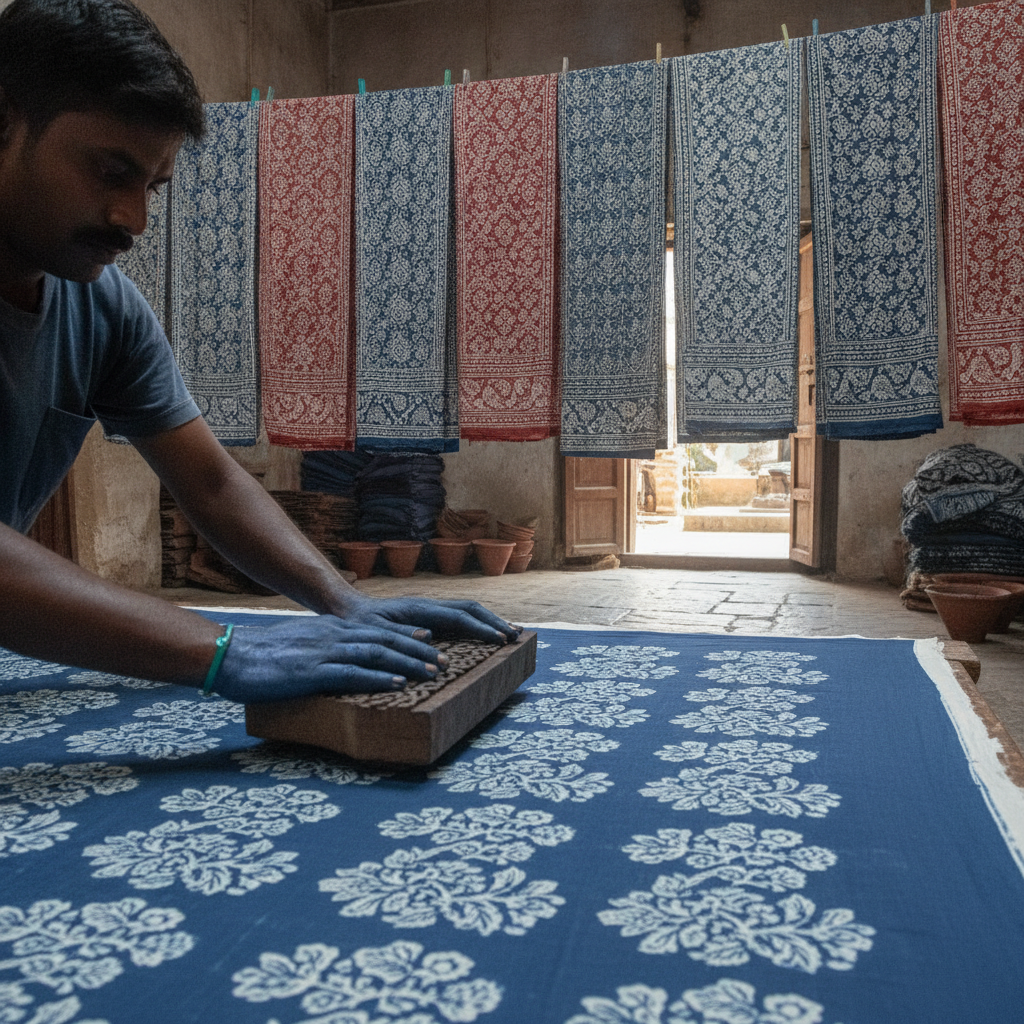
Jaipur Living: Dal Baati Churma, Hand-Block Textiles, the World's Largest Free Literary Festival & Elephant Ethics
Experience Jaipur's living culture—dal baati churma with ghee in a 19th-century maharaja's ballroom, hand-block printing workshops in Bagru where every family participates in centuries-old dyeing techniques, the Jaipur Literature Festival drawing 250,000 visitors free of charge to hear Nobel laureates and Booker winners over 5 January days, how Jaipur banned elephant rides after welfare investigations and replaced a festival with an ethical alternative, and getting between Delhi, Jaipur, and Agra on the Golden Triangle on $30 a day.
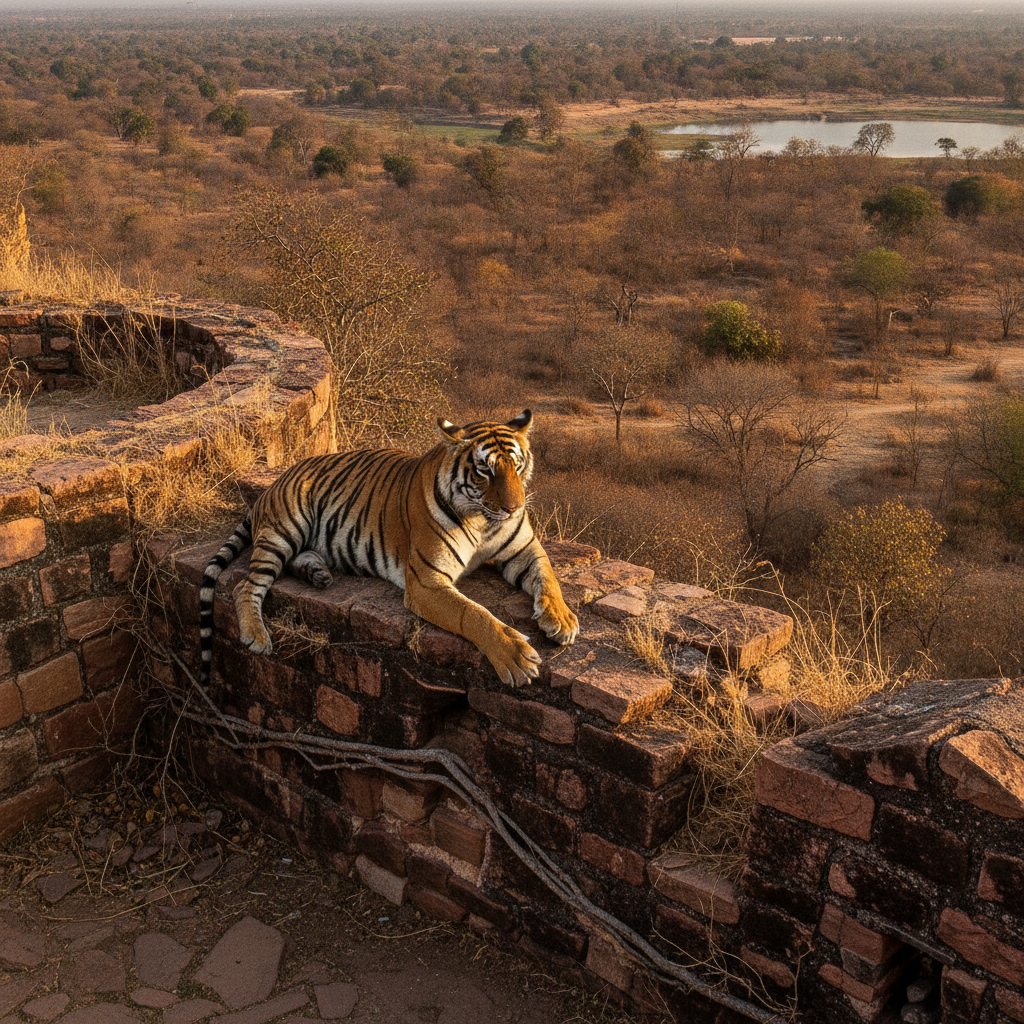
Jaipur's Hinterland: Tiger Spotting in Ruins, the World's Largest Camel Fair & Sufi Pilgrimage at Ajmer
Venture out from Jaipur—Nahargarh Fort's ghost story and sunset panorama above the city, the world's largest wheeled cannon (never fired in battle) in Jaigarh's treasury, Bengal tigers resting on Mughal-era fort ramparts at Ranthambore (40–60% sighting probability), Pushkar Lake's 52 holy ghats and the world's largest camel fair with 50,000 animals, Shekhawati's havelis with more frescoes per square kilometre than anywhere on earth, and the Dargah of Moinuddin Chishti where 150,000 pilgrims arrive daily to hear qawwali music over a 13th-century Sufi saint's tomb.
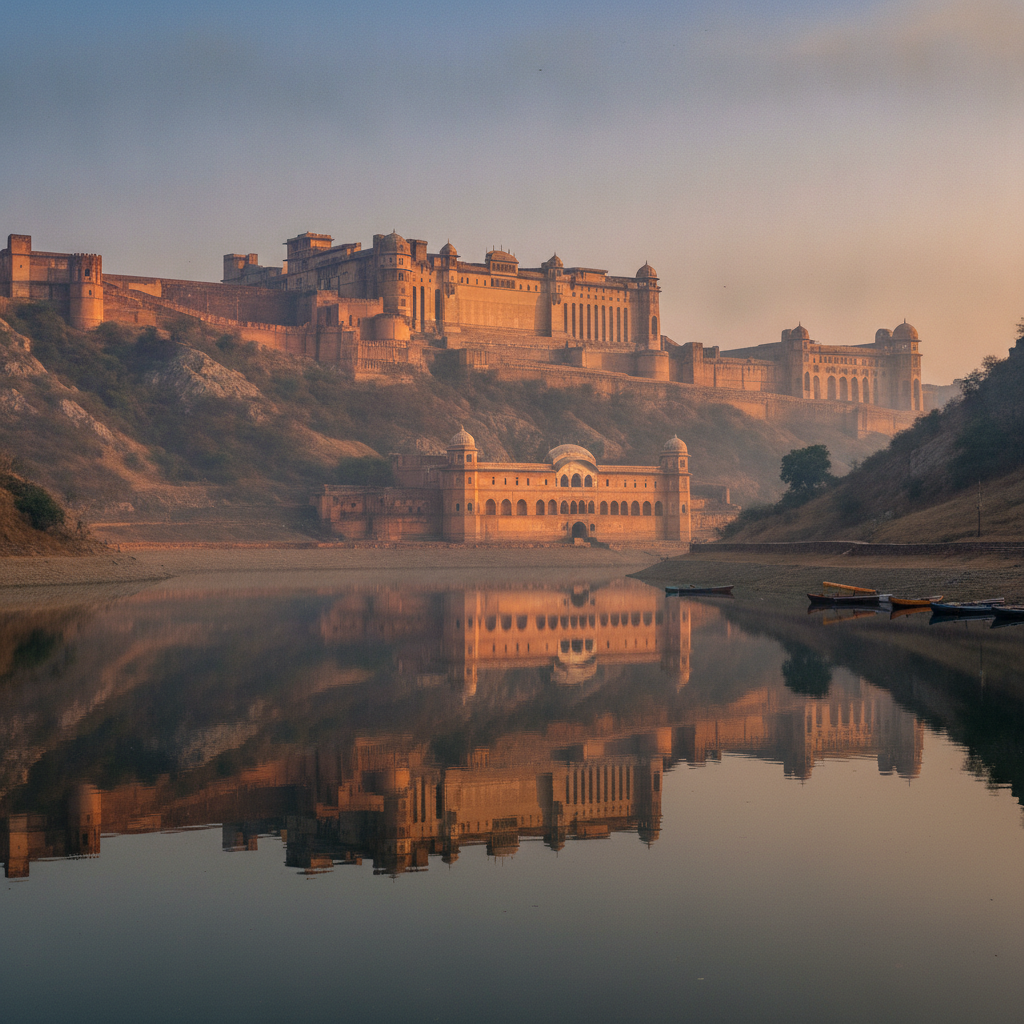
Jaipur Essentials: Amber Fort's Mirror Palace, the Palace of Winds & the World's Largest Stone Sundial
Enter Rajasthan's Pink City—Amber Fort's Sheesh Mahal where a single candle becomes a thousand stars in floor-to-ceiling mirrors, the Hawa Mahal's 953 screened windows built so purdah-bound royal women could watch street festivals unseen, the City Palace's 340-kg silver vessels commissioned to transport sacred Ganges water to an English coronation, the Jantar Mantar's 27-metre sundial accurate to two seconds, and the old walled city painted uniformly pink by royal decree to welcome a British prince in 1876.
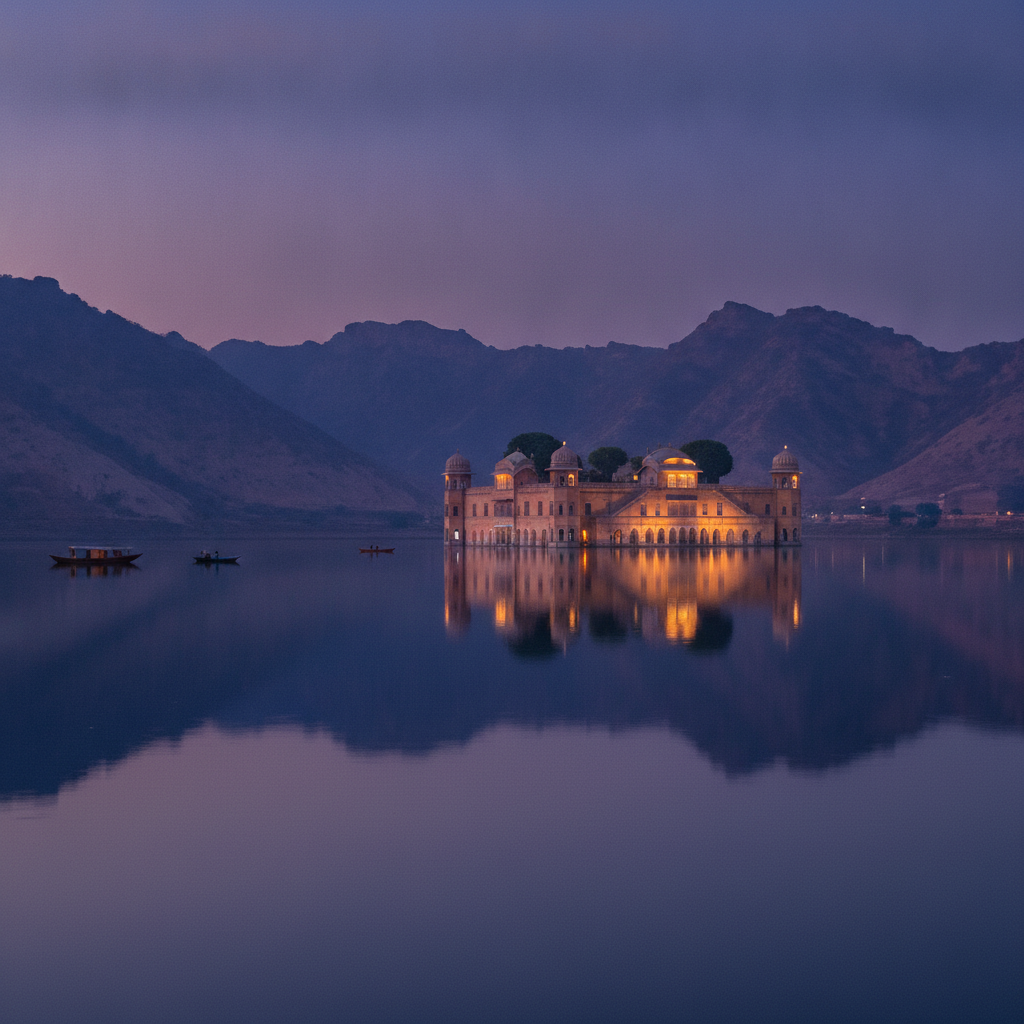
Jaipur's Dynasties: Astronomer Kings, the Most Beautiful Woman in the World & the Floating Water Palace
Trace four centuries of Rajput ambition—Maharaja Man Singh I allying with Akbar through his aunt's marriage to build Amber Fort with Mughal wealth, astronomer-king Jai Singh II founding a grid-planned city and building five stone observatories to correct European tables, Maharani Gayatri Devi winning history's largest election margin before Indira Gandhi imprisoned her, the Jaipur polo season on one of Asia's finest grounds, and the five-storey Jal Mahal floating palace where four storeys lie permanently underwater.
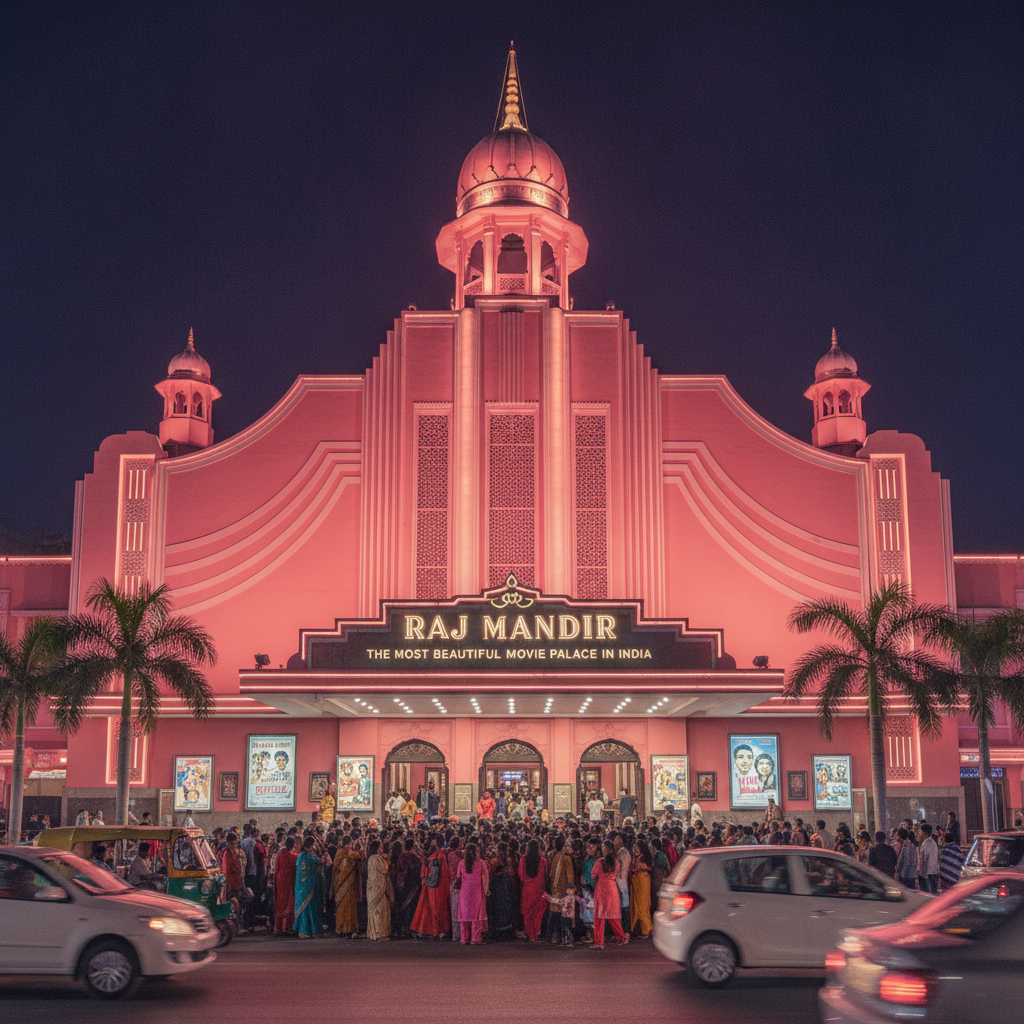
Jaipur Unfiltered: Palace-Hotels, Water Crisis, the Most Beautiful Cinema in India & Women's Safety
Confront Jaipur's complexities—how the maharaja converted his palace to the world's first palace-hotel while negotiating his privy purse with Sardar Patel, five rivers restored by a water activist who revived 1,000 traditional johad dams, the Bishnoi community's 500-year legal protection of blackbucks while child marriage persists in neighbouring villages, Chand Baori in The Dark Knight Rises and the Raj Mandir Cinema on MI Road (India's most beautiful picture palace), and practical advice for women travelling solo in a city that is stunning but not always safe.
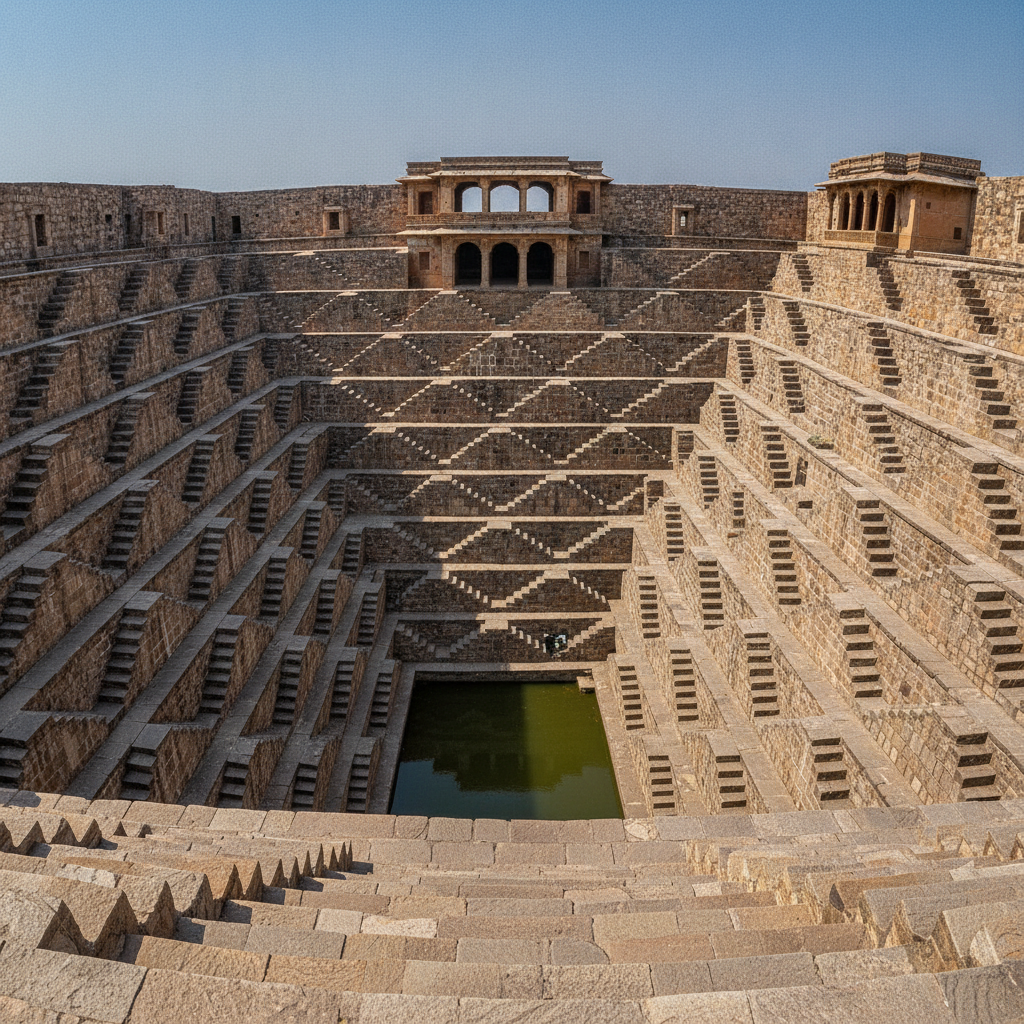
Jaipur's Hidden Rajasthan: Chand Baori's 3,500 Steps, Bundi's Kipling Murals & the Manganiyar Music Tradition
Escape the tourist circuit—Chand Baori stepwell's 3,500 zigzag steps descending 19 metres (the prison pit from The Dark Knight Rises), Bundi's blue-painted city with Rajput wall murals Rudyard Kipling called the finest in India, Kota's Chambal River crocodile safaris alongside 150,000 IIT exam-cramming students, Manganiyar hereditary musicians performing 40-generation-old kamaicha melodies from the Thar Desert courts, and Jaipur's lac bangle workshops, silver filigree boxes, and rooftop restaurants where the Hawa Mahal glows amber at sunset.