Jaipur Unfiltered: Palace-Hotels, Water Crisis, the Most Beautiful Cinema in India & Women's Safety
Confront Jaipur's complexities—how the maharaja converted his palace to the world's first palace-hotel while negotiating his privy purse with Sardar Patel, five rivers restored by a water activist who revived 1,000 traditional johad dams, the Bishnoi community's 500-year legal protection of blackbucks while child marriage persists in neighbouring villages, Chand Baori in The Dark Knight Rises and the Raj Mandir Cinema on MI Road (India's most beautiful picture palace), and practical advice for women travelling solo in a city that is stunning but not always safe.
- 1
Jaipur's Role in Indian Independence – Privy Purses & Palace Hotels
Rajasthan's princely states were the last to integrate into independent India in 1949, two years after independence (1947). The Jaipur state—under Maharaja Sawai Man Singh II—negotiated accession with Sardar Patel. The maharajas initially retained their privy purses (annual government payments) until Indira Gandhi abolished them in 1971. Jaipur's maharajas adapted more successfully than most: the Rambagh Palace became the world's first palace-hotel (1957), and Maharaja Man Singh's son Bubbles (Brigadier Sawai Bhawani Singh) became a distinguished military officer who fought in the 1971 Indo-Pakistan war. Today Maharaja Padmanabh Singh (born 2000, took the title at 13) is a professional polo player who models internationally.
- 2
The Golden Triangle Tourist Circuit – Delhi, Agra & Jaipur
The 'Golden Triangle'—Delhi–Agra–Jaipur—is India's most visited tourist circuit, attracting approximately 6 million foreign visitors annually. The circuit can be completed in 5–7 days (minimum); the standard itinerary allocates 2 days in Delhi, 1 day in Agra (Taj Mahal), and 2 days in Jaipur. A longer version (10–14 days) allows Ranthambore tiger safaris, Pushkar and Ajmer, and the Shekhawati fresco towns. Private drivers (₹5,000–8,000/day, €55–87) are the most flexible option. Trains: Jaipur to Delhi (4–5 hours, Shatabdi Express ₹755/€8.30 chair car); Jaipur to Agra (3.5–4.5 hours by train or 4 hours by road).
- 3
Rajasthan's Caste System & Contemporary Social Reality
Rajasthan has India's highest proportion of scheduled castes (SC) and scheduled tribes (ST) and some of its most entrenched caste hierarchies. The Meena tribe (the original inhabitants of the region) were displaced by Rajput clans who arrived from Central Asia. The Bishnoi community (founded 15th century by guru Jambheshwar) practises radical environmental protection—members have sacrificed their lives to prevent tree-felling and have legally protected blackbuck antelope in their villages for 500 years. Child marriage (illegal since 1929) persists in rural Rajasthan, with NGO data suggesting 40–50% of girls in some districts are married before 18.
- 4
Jaipur's Water Crisis & the Aravalli Hills
Jaipur sits in one of India's most water-stressed regions: annual rainfall of 650 mm/year (versus Mumbai's 2,200 mm) and a rapidly expanding population of 4.1 million have depleted groundwater to critical levels. Traditional Rajasthani water harvesting—johads (earthen check dams), kunds (underground cisterns), baolis (stepwells)—represent centuries of adaptation to scarcity, many neglected after piped water arrived in the 20th century. The Tarun Bharat Sangh NGO (led by Rajendra Singh, Stockholm Water Prize 2015) revived over 1,000 johads in Alwar district, restoring five rivers that had run dry. The Aravalli range—2.5 billion years old, among the world's oldest mountain ranges—faces severe quarrying and encroachment.
- 5
Jaipur's Film Heritage – Rajasthan on Screen
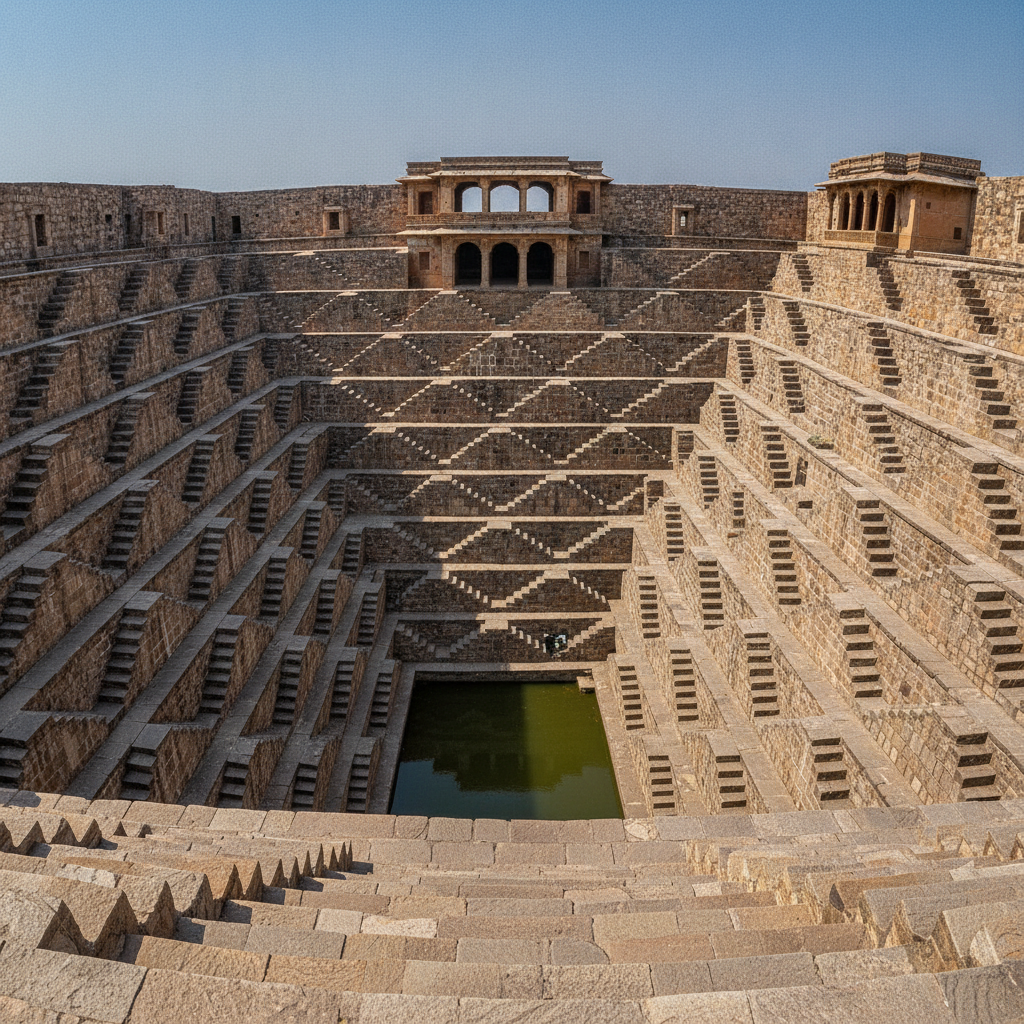
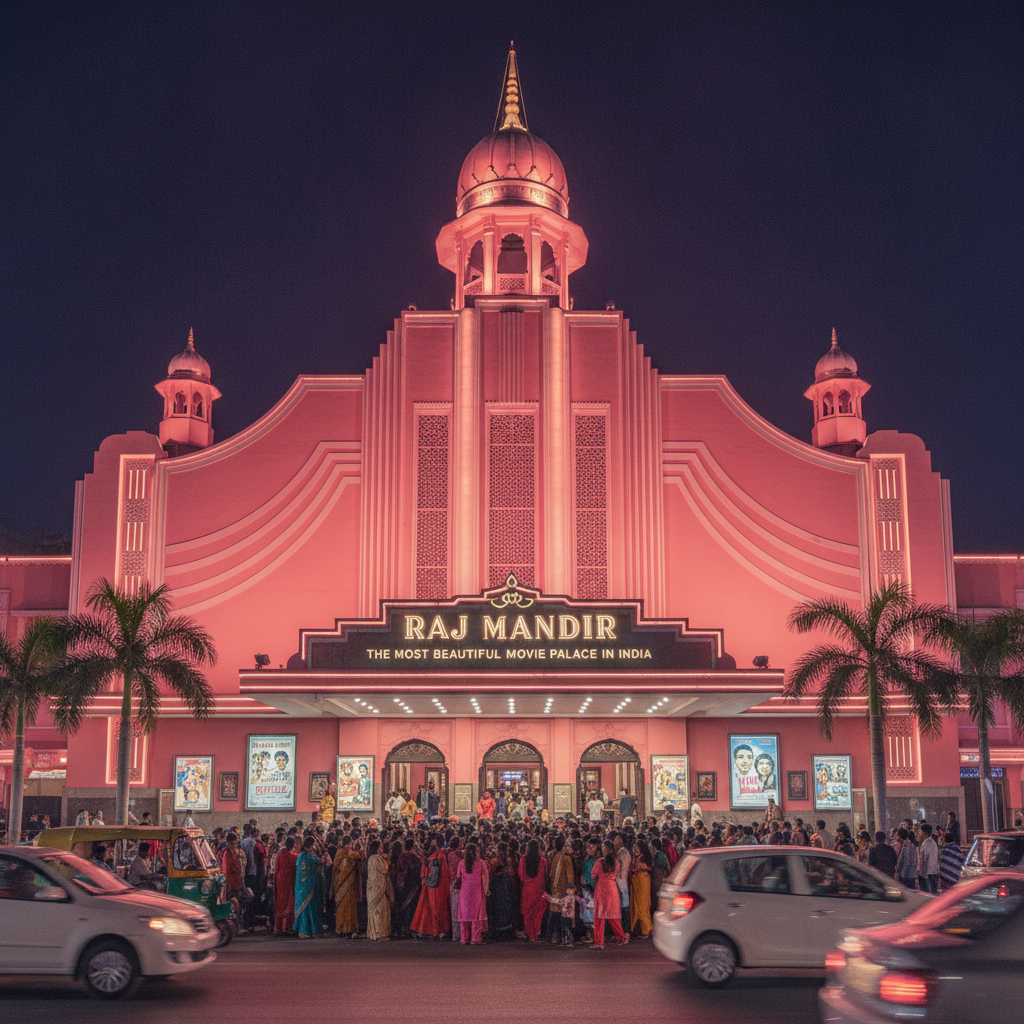
Rajasthan's dramatic landscape has made it India's most-filmed location outside Mumbai studios: palaces, desert, and festivals provide backdrops unavailable elsewhere. Jaipur and Rajasthan feature in: The Dark Knight Rises (Chand Baori stepwell as the prison pit), The Best Exotic Marigold Hotel (Jaipur throughout), Bollywood classics Mughal-E-Azam and Sholay. Jaipur's own cinema landmark: the Raj Mandir Cinema (1976, capacity 1,300)—a soufflé-pink Art Deco confection on MI Road—is widely considered India's most beautiful single-screen cinema and the finest surviving example of 1970s Indian picture palace architecture. Evening shows sell out; the interval during a Bollywood film here is a cultural experience in itself.
- 6
Women's Safety & Responsible Tourism in Jaipur
Jaipur and Rajasthan attract millions of tourists while facing documented challenges around women's safety. Solo women travellers consistently report harassment on public streets; the situation is notably better in tourist areas and upmarket hotels. Practical measures: hiring a female guide (several women-owned guide companies operate in Jaipur), staying in Civil Lines or C-Scheme rather than very cheap guesthouses in the old city, dressing conservatively in old-city areas (covering shoulders and knees), and using app-based taxis (Ola, Uber) rather than unmarked auto-rickshaws after dark. Sheroes Café (supporting acid attack survivors) and Luna Experience are women-led businesses providing both a safe space and insight into the real challenges facing Rajasthani women.
Walk this route with audio
Stories play automatically as you reach each stop — no tapping needed.
More in Jaipur
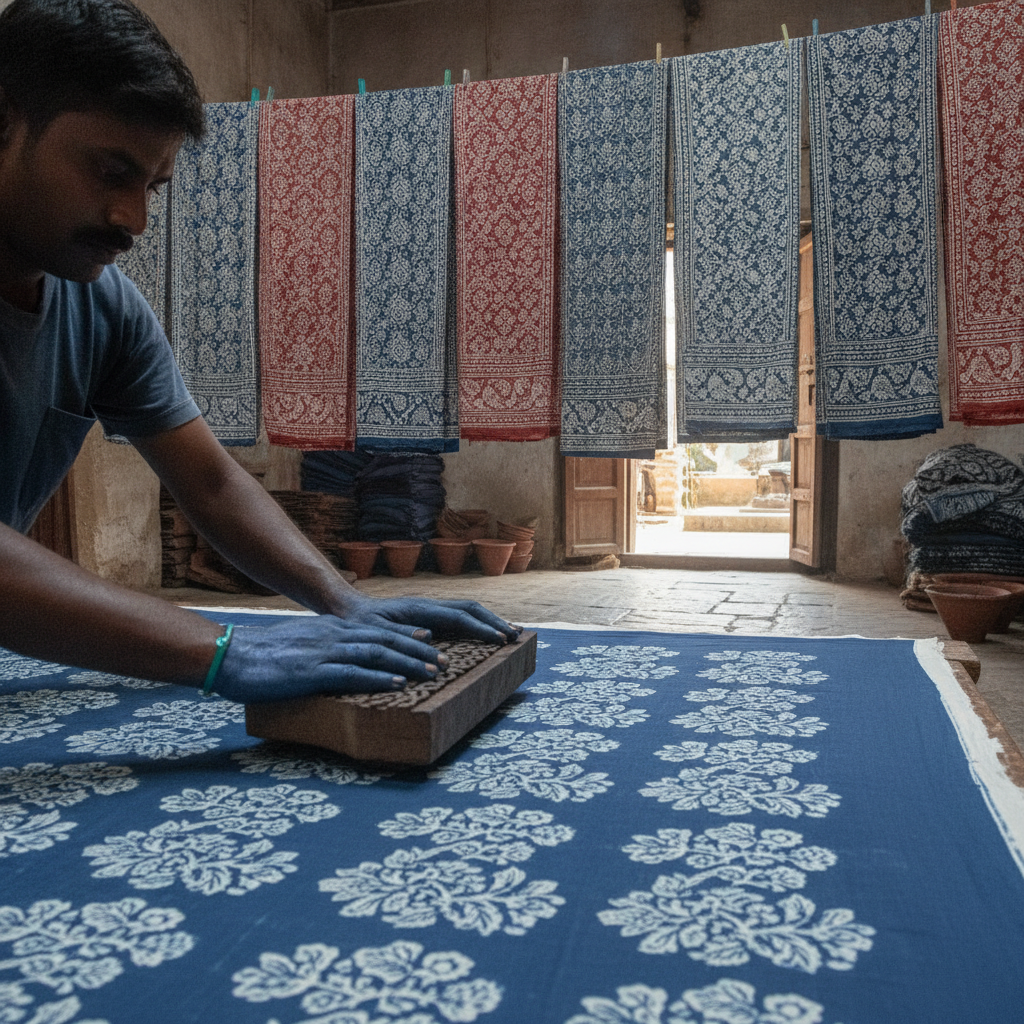
Jaipur Living: Dal Baati Churma, Hand-Block Textiles, the World's Largest Free Literary Festival & Elephant Ethics
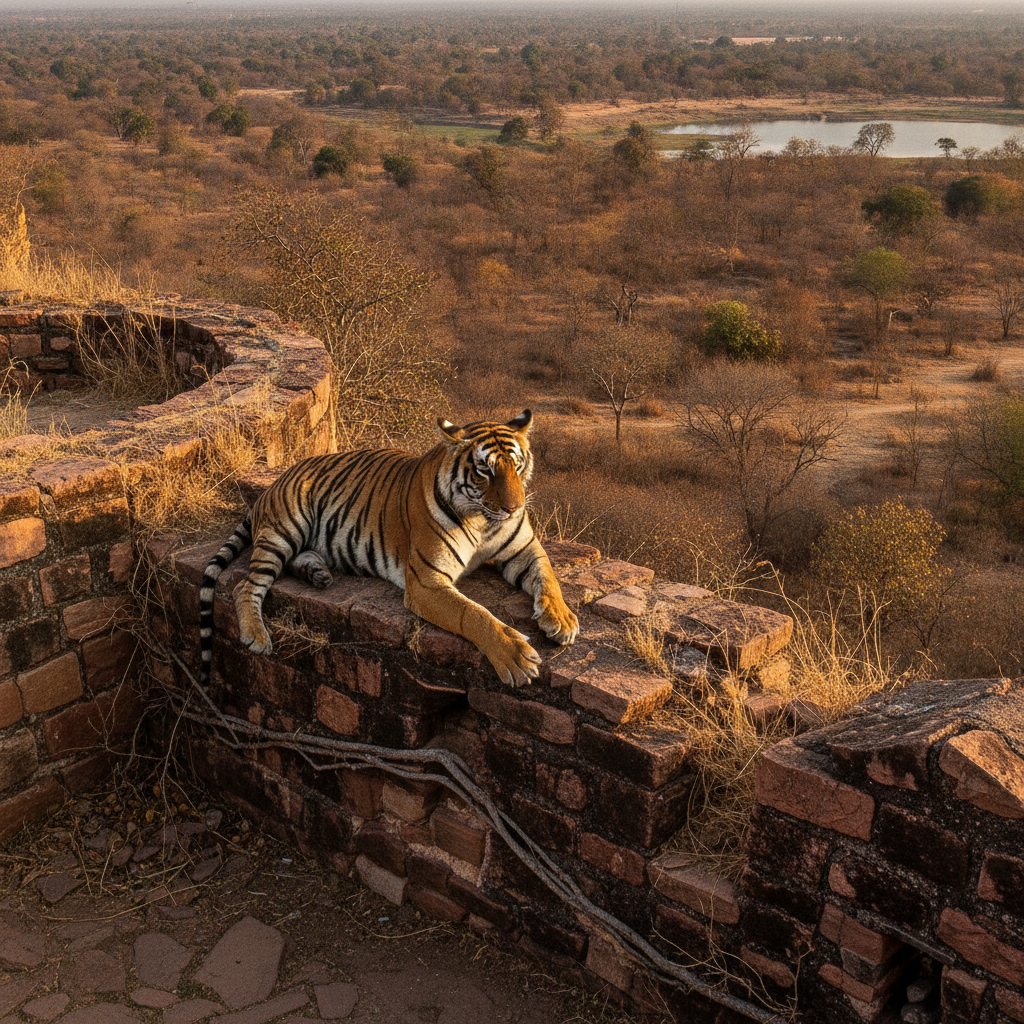
Jaipur's Hinterland: Tiger Spotting in Ruins, the World's Largest Camel Fair & Sufi Pilgrimage at Ajmer
Jaipur Essentials: Amber Fort's Mirror Palace, the Palace of Winds & the World's Largest Stone Sundial
Jaipur's Dynasties: Astronomer Kings, the Most Beautiful Woman in the World & the Floating Water Palace