
Morocco's King Bears the Title Amir al-Muminin (Commander of the Faithful) Giving the Moroccan Monarchy a Unique Theocratic Religious Legitimacy Distinct From All Other Arab Monarchies; The Andalusian Music Tradition al-Ala Was Brought to Fes by Refugees From the 1492 Expulsion of Muslims and Jews From Spain and Is Still Performed in Three Regional Schools; Fes Is Arguably the Most Important Single City in the Spiritual Life of West African Islam Through the Tijaniyya Sufi Order With 100-150 Million Adherents
Morocco's Amir al-Muminin title giving unique theocratic legitimacy; the al-Ala Andalusian music tradition preserved in three Moroccan regional schools after the 1492 expulsion; Fes as the most important city in West African Islam through the Tijaniyya order; the Ramadan medina with cannon-fire iftar, harira soup, and souks open until 3am; the attarine herbalist market and traditional Moroccan pharmacopoeia including habba sawda (nigella sativa); and Fes as the only city in the world that hosts the world's oldest university, the headquarters of a 150-million-member Sufi order, and the world's largest medieval living medina simultaneously.
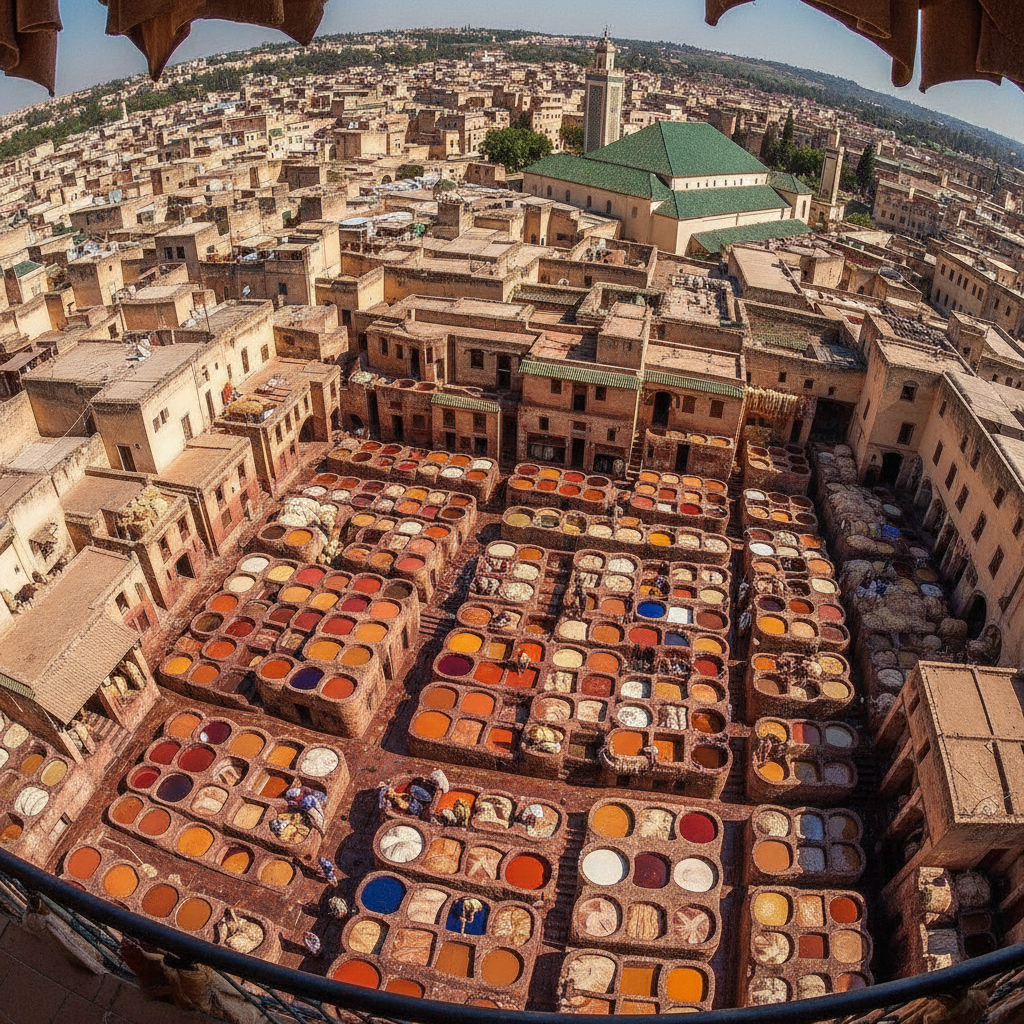
The Fes el-Bali Medina Is the Largest Car-Free Urban Area in the World With 9,000 Streets and 150,000 Inhabitants; The University of al-Qarawiyyin Founded in 859 CE by Fatima al-Fihri Is the Oldest Continuously Operating University in the World; The Chouara Tannery Uses Pigeon Dung as an Ammonia Source to Soften Hides in a Process Unchanged Since the Medieval Period
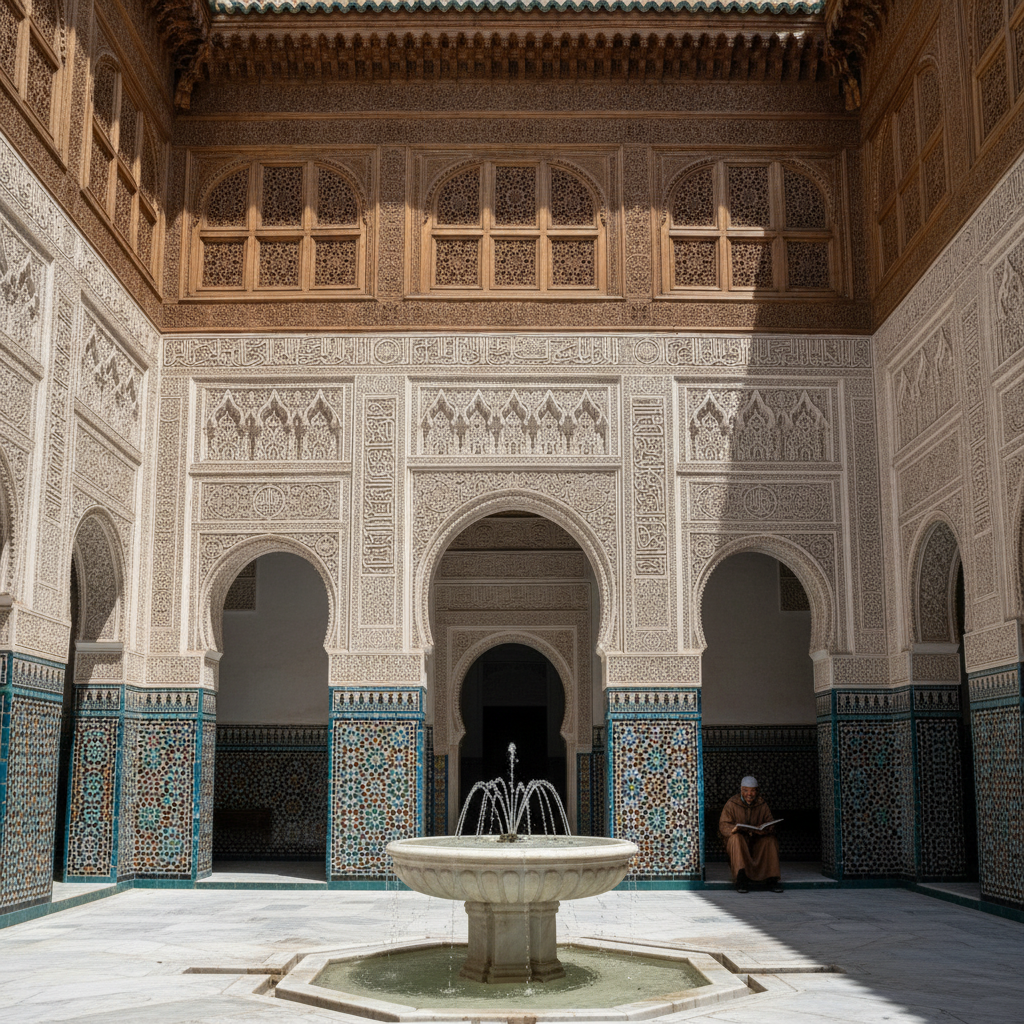
The Fes el-Bali medina as the largest car-free urban area in the world with 9,000 streets; al-Qarawiyyin university founded 859 CE by Fatima al-Fihri as the world's oldest continuously operating university; the Chouara Tannery using pigeon dung, henna, indigo, and saffron in a medieval process; the Bou Inania Madrasa (1350-1357) with its three-zone interior of zellij, carved plaster, and cedarwood; the Fes Mellah as the oldest Jewish quarter in Morocco (14th century); and the Fes practical guide including bastilla pie and the Volubilis Roman mosaics day trip.
The Fes Festival of World Sacred Music Founded in 1994 Presents Sufi, Gnawa, Gregorian, Jewish, Hindu, and Buddhist Sacred Music in Venues Within the 1,200-Year-Old Medina; The Almohad Dynasty (1147-1244) Was the Most Hostile to Jews in Moroccan History Forcing Conversion or Emigration and Driving Fassi Jews to Flee to Christian Spain; The Fes Medina Has No Single Tourist Focal Square Like Marrakech's Djemaa el-Fna Making It More Authentically Urban and Less Tourist-Organized
The Fes Festival of World Sacred Music (founded 1994) drawing 30,000-40,000 visitors for Sufi, Gnawa, and world sacred music; the Almohad dynasty forcing Jewish conversion or emigration; the Fes Mellah as the oldest Jewish quarter in Morocco (1438); Fes vs Marrakech comparison with Fes being more authentically urban and less tourist-organized; harira soup for 5-10 MAD and mechoui lamb at 100-150 MAD/kg as budget options; and the Fes complete reference covering all six dynasties from 789 CE to the present Alaouite dynasty.
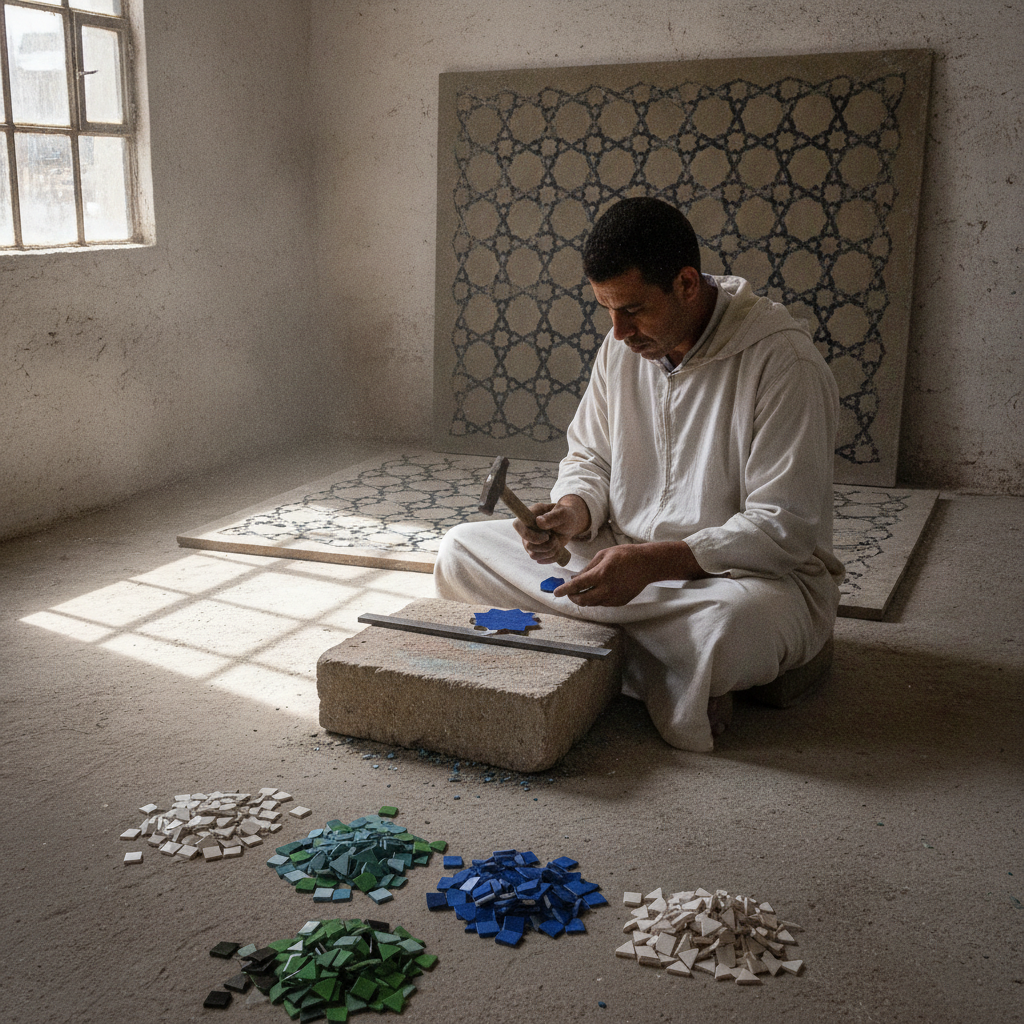
Moroccan Zellij Geometric Patterns Based on Star Polygon Mathematics Anticipate the Mathematical Concept of Aperiodic Penrose Tiling Described in 1974 By Hundreds of Years; Leo Africanus Captured by Sicilian Corsairs in 1518 Was Presented to Pope Leo X Who Had Him Baptized and Commissioned the First Comprehensive European Description of Africa; The Barbary Macaque of the Middle Atlas Cedar Forests Is the Only Wild Primate in Africa North of the Sahara
Moroccan zellij geometric patterns anticipating aperiodic Penrose tiling by hundreds of years; Leo Africanus captured by Sicilian corsairs and commissioned by Pope Leo X to write the first European description of Africa; the Barbary macaque as the only wild primate in Africa north of the Sahara; the Mevlevi Sema whirling dervish ceremony; the al-Qarawiyyin Library restored 2012-2016 by architect Aziza Chaouni; and the structural challenges of preserving the world's largest living medieval city with inadequate medieval drainage and no vehicular emergency access.
Ibn Khaldun's Muqaddimah Concept of Asabiyya (Group Solidarity) As the Driver of Historical Change Anticipated Modern Sociology by 500 Years; The Tijaniyya Sufi Order Founded in Fes in 1781 Has 100-150 Million Adherents Primarily in West Africa Making It One of the World's Largest Sufi Orders; The Fassi Bastilla Pie Combines Sweet Warqa Pastry With Savory Pigeon Meat Eggs and Almonds in the Definitive Andalusian-Moroccan Sweet-Savory Dish
Ibn Khaldun's asabiyya theory anticipating modern sociology by 500 years; the Tijaniyya Sufi order (founded Fes 1781) having 100-150 million West African adherents; bastilla pie combining sweet pastry with savory pigeon meat eggs and almonds; the seven crafts of Fes including zellij hand-cut tile mosaics; the Chouara Tannery optimal photography at 9-11am; and a complete Fes 3-day itinerary including Volubilis Roman mosaics and Meknes Bab Mansour gate.
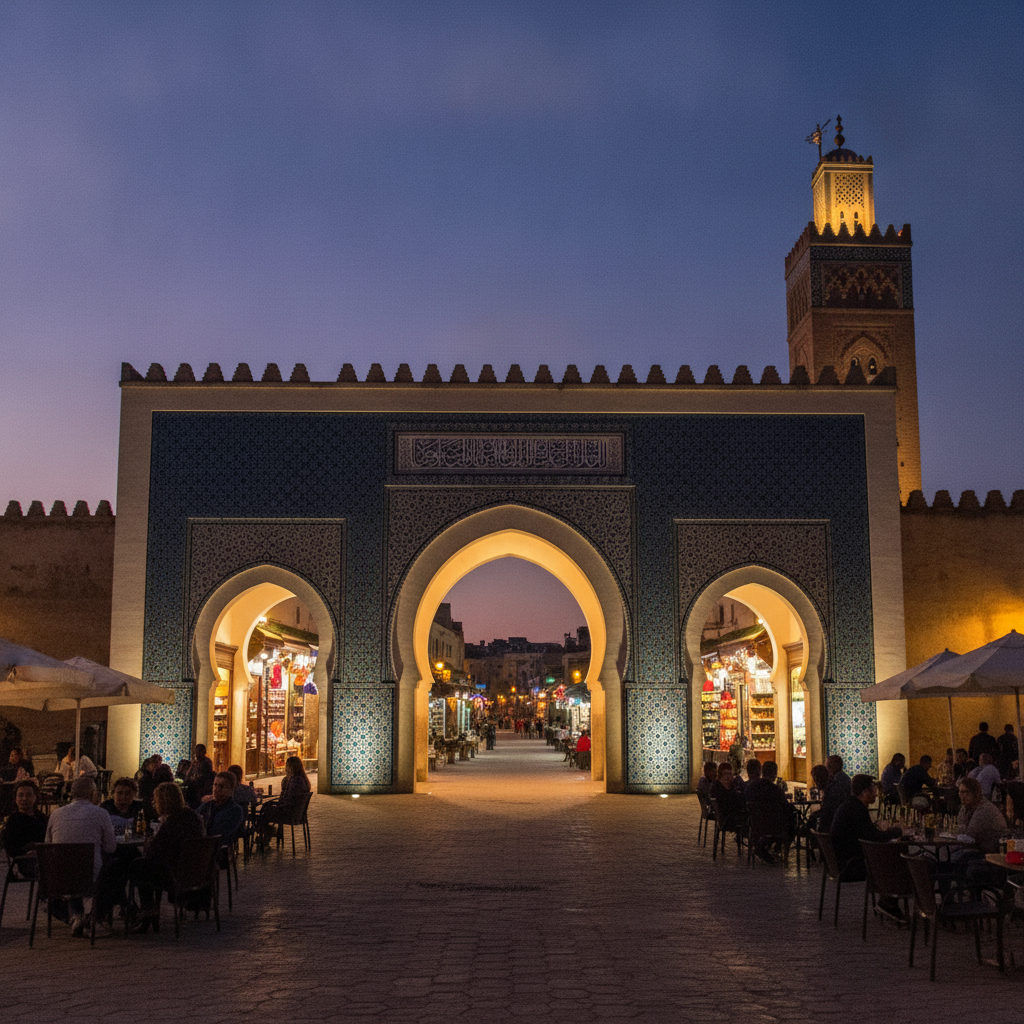
Idris I Was Poisoned in 791 CE on Orders of the Abbasid Caliph Harun al-Rashid From Baghdad Demonstrating the Extraordinary Long-Reach of Abbasid Power; The Bab Mansour Gate of Meknes (1732) Is Decorated With Marble Columns Taken From the Roman Ruins of Volubilis 33 km Away; The Fassi Ulema (Islamic Scholars of Fes) Have Legitimated or Challenged Moroccan Rulers for Over a Thousand Years as One of the World's Oldest Ongoing Political Relationships
Idris I poisoned by Abbasid Caliph Harun al-Rashid from Baghdad; the Bab Mansour gate decorated with marble columns from Roman Volubilis; Moulay Ismail holding 2,000-4,000 European Christian slaves to build Meknes; the Fes medina UNESCO-listed 1981 as Morocco's first; the February 20 Movement of 2011 with Fes as a primary protest center; and Fes as the center of Moroccan civilization with the world's oldest university, the Tijaniyya Sufi order, and the defining Moroccan artisanal traditions.