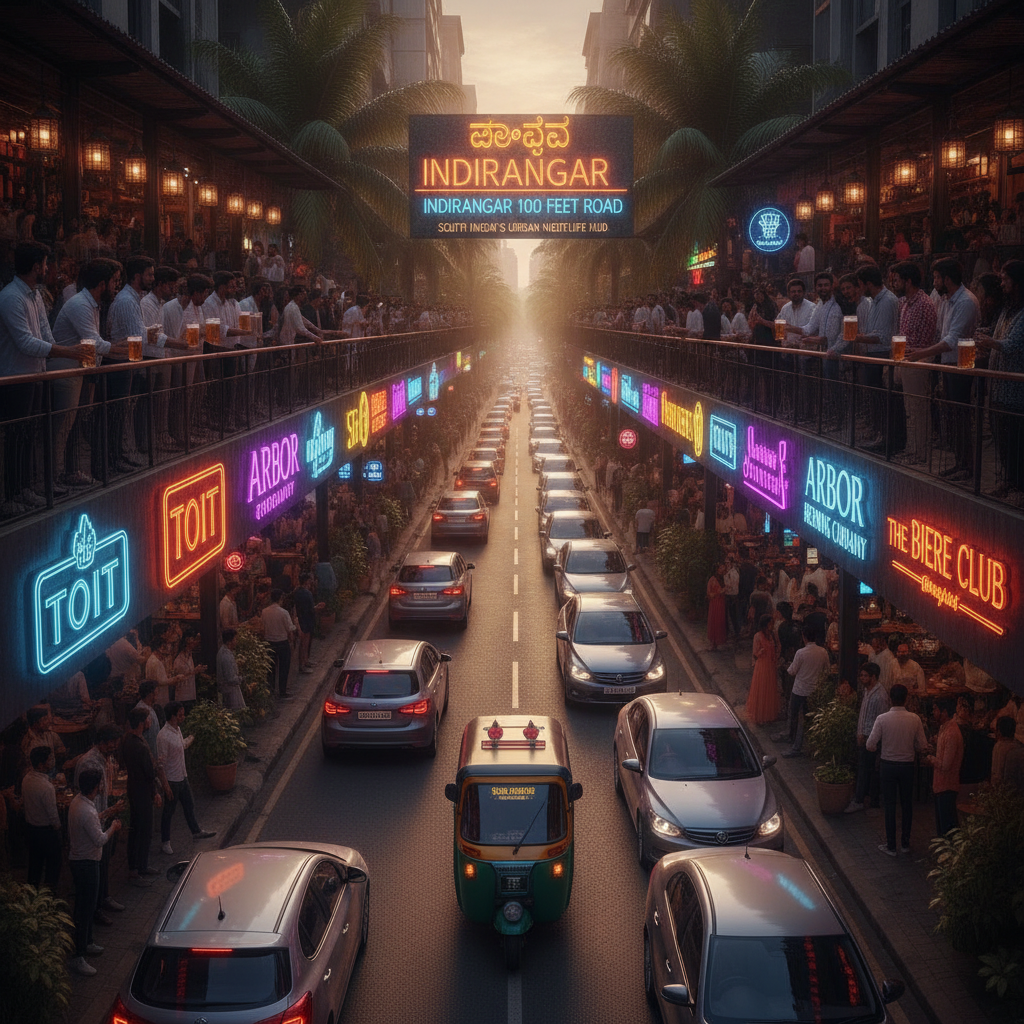
Bengaluru After Dark: 1am Bars, India's Most Visible Queer Scene & Why Hyderabad Is Trying to Steal the Silicon Valley Crown
Close the Bengaluru story—Koshy's opening at 5:30am and Imperial Restaurant serving Mughlai biryani at 2am bookending a city that works and plays on its own schedule, UB City's Louis Vuitton and Burberry built on Vijay Mallya's collapsed Kingfisher Airlines debt, the kere tank cascade system that watered the Deccan Plateau for 1,500 years now being restored lake by lake by citizen movements, the Queer Azaadi March of 15,000 people celebrating the Section 377 Supreme Court ruling in a city that is India's most openly LGBTQ+-friendly, and the Hyderabad challenge to Bengaluru's technology dominance—and why the 40-year human capital compound makes it hard to dislodge.
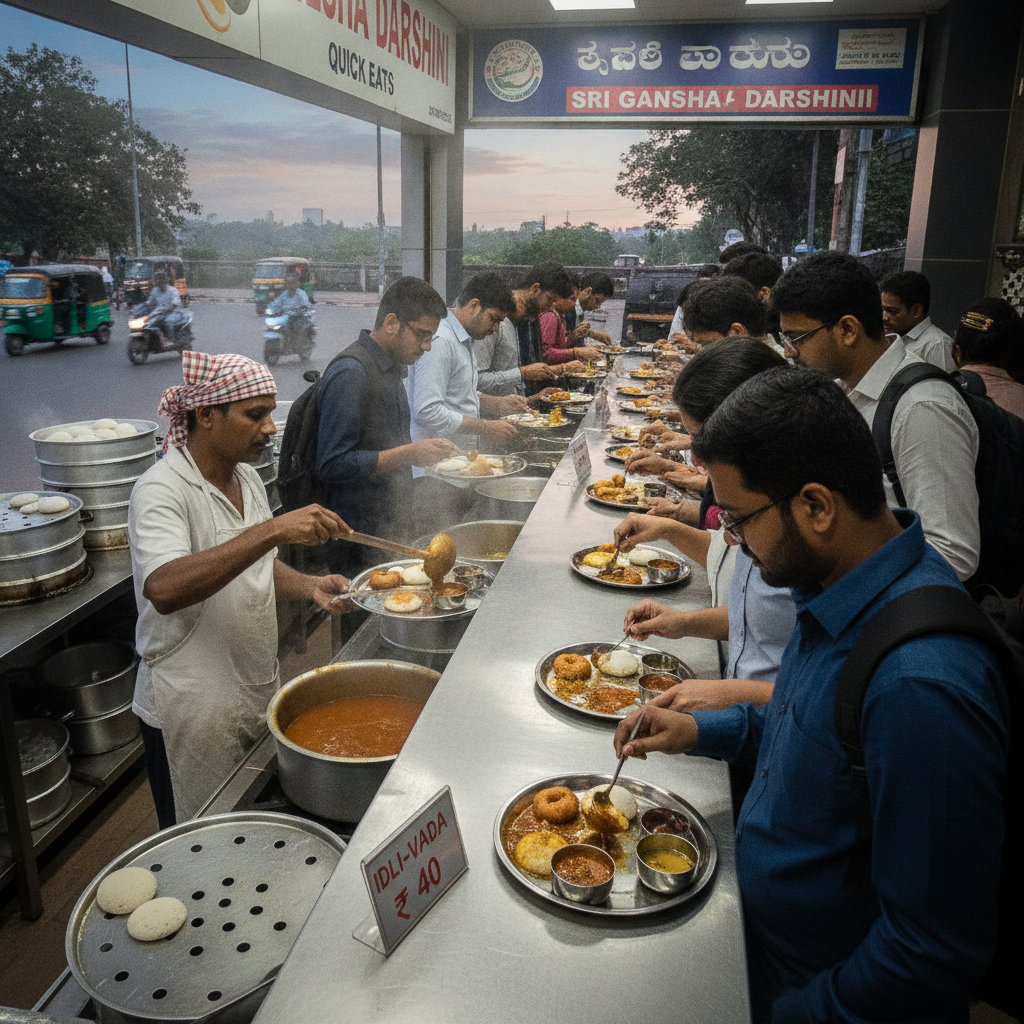
Bengaluru Complete: Coorg Coffee Estates 5 Hours Away, the Standing-Only Darshini Breakfast & a City Without a Single Famous Monument
Finish the Bengaluru portrait—Coorg's coffee homestays where guests pick arabica berries 260 km from the Indiranagar cafés that roast them, Ranga Shankara's 300 annual theatre performances in four languages, the Gavi Gangadhareshwara cave temple whose rock columns are astronomically aligned to illuminate the Shiva lingam precisely on January 14th, Blossom Book House's 150,000 second-hand titles on Church Street, the darshini standing restaurant feeding Bengaluru's 1.7 million IT workers for ₹40 before the commute, and the honest visitor's guide to a city with no Taj Mahal equivalent but the best urban quality of life in India for those who find their monuments in coffee shops, microbreweries, and a well-laid-out park.
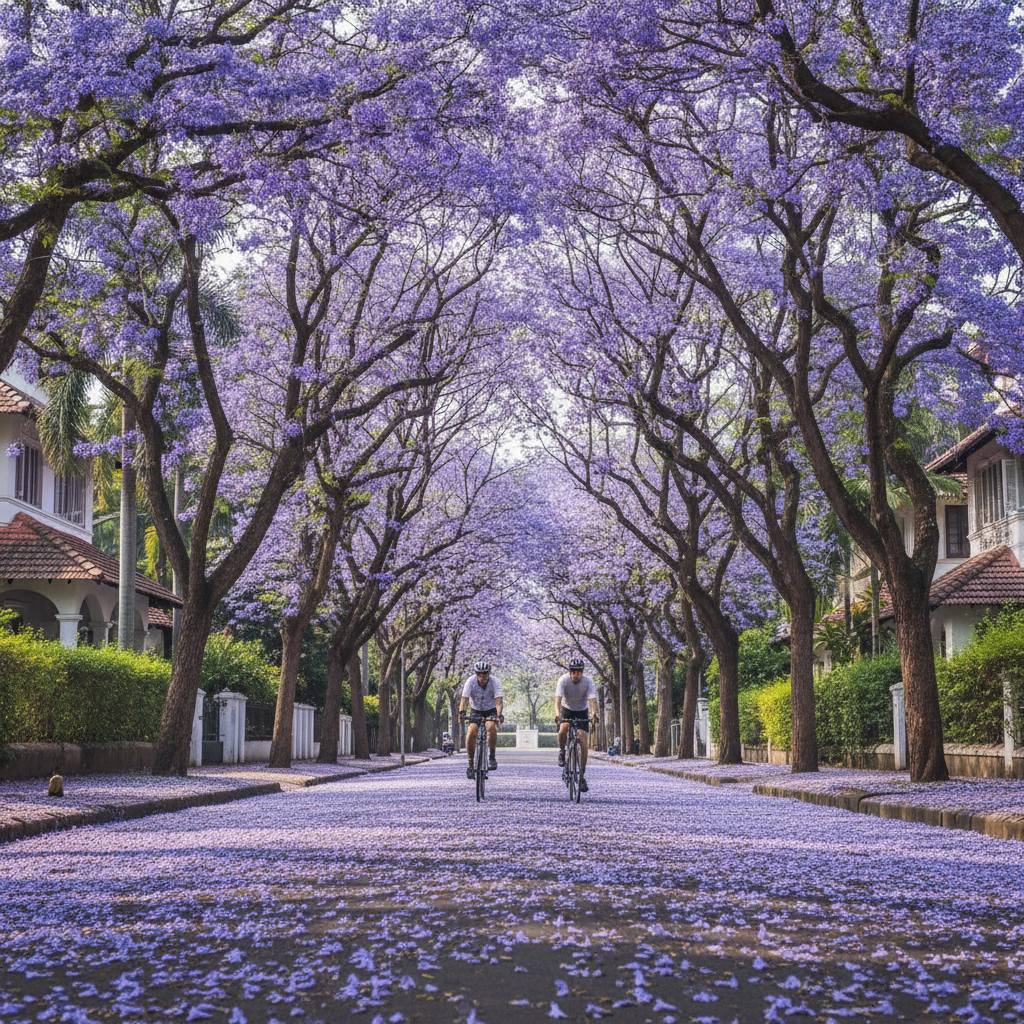
Bengaluru Insider: ISRO's $74m Mars Mission, Jacaranda Streets in March & the Indie Music Scene That Defined Indian Festivals
Live Bengaluru like a local—Kannada's 8 Jnanpith Awards (the most of any Indian language) and the 'son of the soil' politics that recurs every time IT migration alters the city's character, ISRO's Mars Orbiter Mission reaching Mars on the first attempt for $74 million (cheaper than the film The Martian), the March jacaranda bloom carpeting the cantonment streets in purple-blue under the colonial rain tree canopy, craft beer at Toit and single-origin Coorg coffee at Third Wave in Indiranagar's 100 Feet Road dense kilometre, Bannerghatta National Park's lion and tiger walks within the city limits, and the NH7 Weekender festival format that Bengaluru invented in 2010 before taking it to the rest of India.
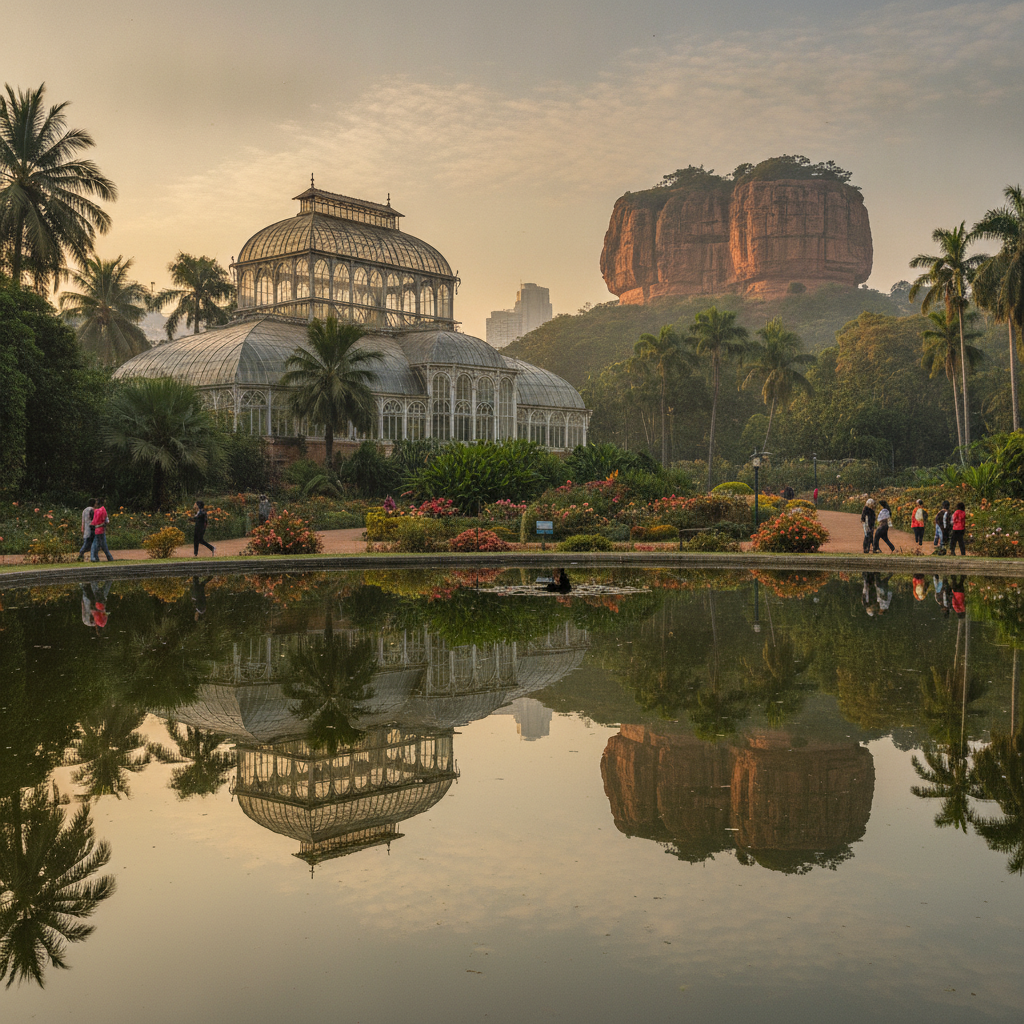
Bengaluru Essentials: India's Silicon Valley, the Garden City's Botanical Parks & the Country's Best Pub Scene
Discover India's most cosmopolitan city—Lalbagh's 19-million-year-old rock outcrop in a 240-acre Victorian garden where the Crystal Palace glasshouse hosts half-million-visitor flower shows, Cubbon Park's colonial core beside the granite Vidhana Soudha legislature, Toit Brewpub's 2010 opening that launched India's craft beer revolution (Bengaluru got it first), Tipu Sultan's teak palace and the British siege that killed India's most formidable colonial opponent in 1799, 1.7 million IT workers earning $60 billion in software exports annually, and the benne masala dosa at CTR Malleswaram (established 1920) alongside craft cocktail bars in Indiranagar that rival any Asian city.
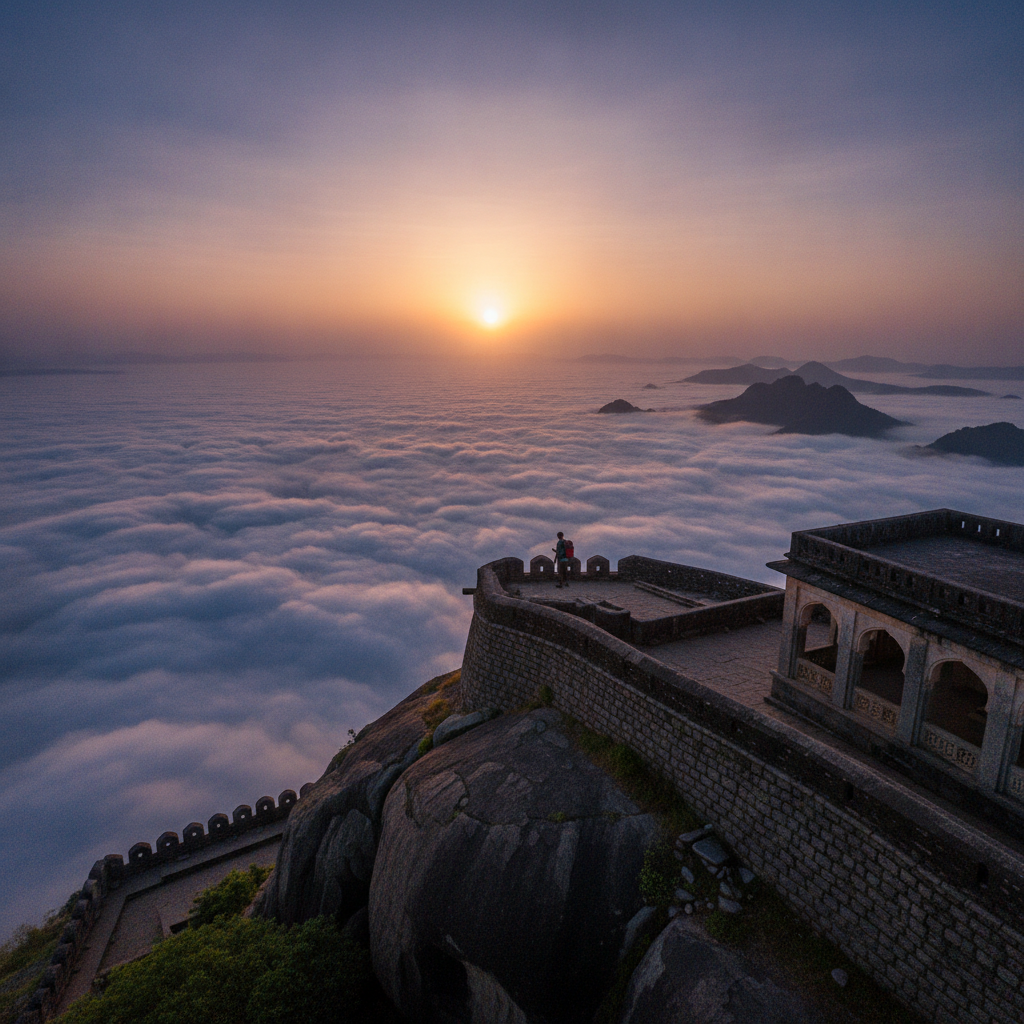
Bengaluru's Contrasts: Burning Lakes, ISRO's Moon Landing & the World's Most Traffic-Congested City
Confront Bengaluru's paradoxes—a city of 200 engineered lakes reduced to 80 by IT campus construction (Bellandur Lake caught fire three times from industrial effluent), Flipkart's $16 billion Walmart sale and ISRO's Chandrayaan-3 first-ever lunar south pole landing both originating from the same city, Coorg arabica single-estate beans at Bengaluru's third-wave cafés (the coffee grows 200 km west), Nandi Hills dawn above the cloud-sea where Tipu Sultan had his summer retreat, and the world's most traffic-congested city (TomTom 2023) where 14 million people moved faster than the 16 km/h peak-hour average suggests it should be possible.
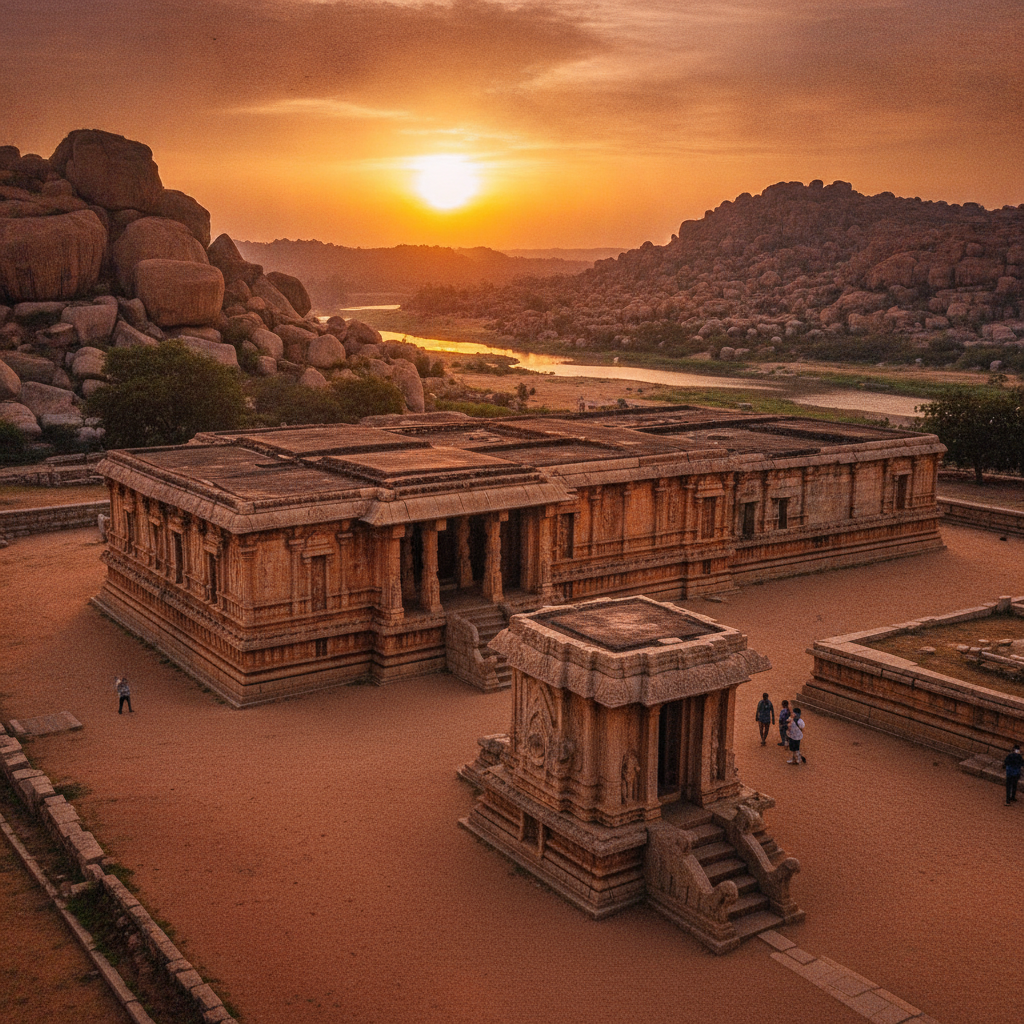
Bengaluru's Depth: Karnataka's Silk Economy, C.V. Raman at IISc & Hampi's 500 Vijayanagara Monuments in a Boulder Landscape
Discover Bengaluru's wider world—Karnataka producing 45% of India's raw silk and the Mysore Sandal Soap factory using genuine sandalwood oil since 1918, the IISc campus where C.V. Raman discovered the Raman Effect (first Asian Nobel laureate in science) on 400 acres of forested land with spotted deer grazing outside the labs, Hampi's surreal boulder landscape with 500 Vijayanagara Empire monuments including pillars that produce musical notes when struck, the 60% of Bengaluru residents born outside Karnataka making it India's most immigrant-dependent city, and the 2022 September floods that evacuated Wipro and Infosys employees from Whitefield by boat—the IT economy meeting the climate crisis.