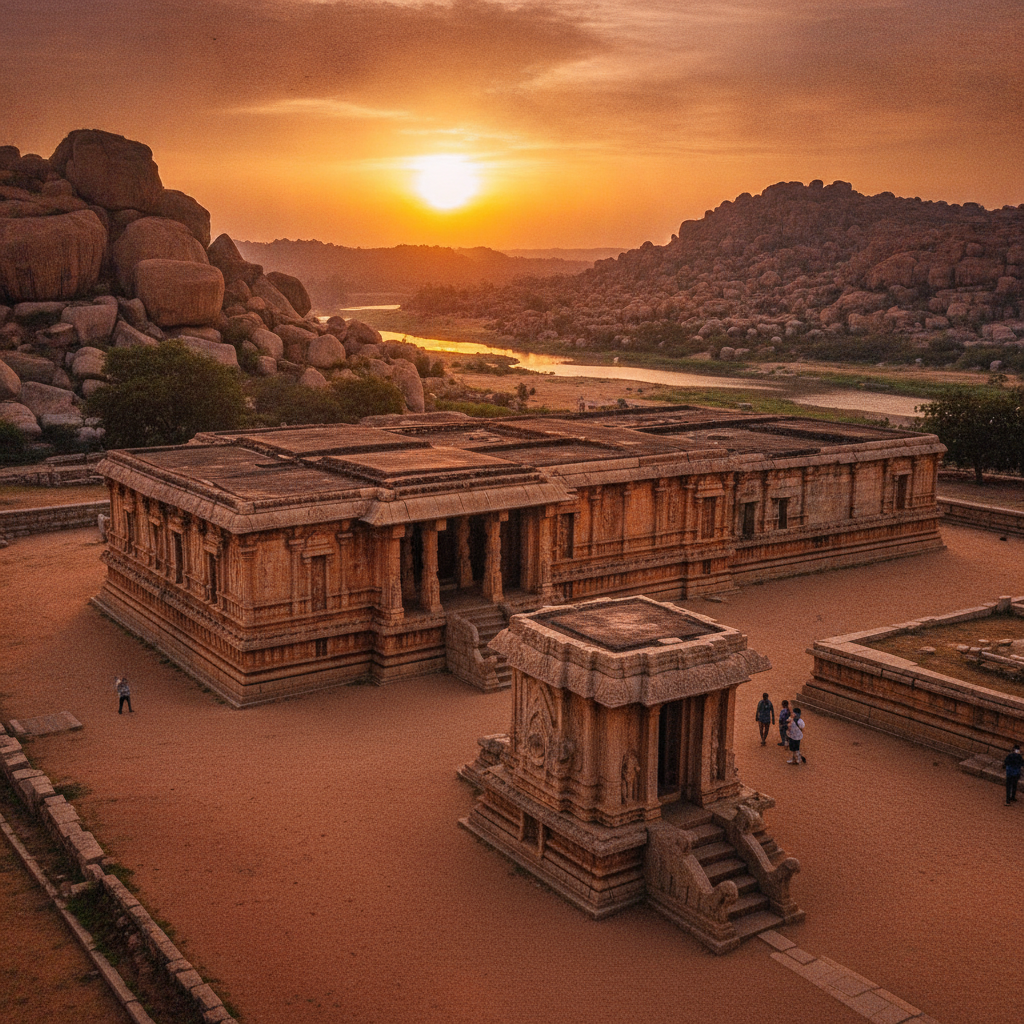
Bengaluru's Contrasts: Burning Lakes, ISRO's Moon Landing & the World's Most Traffic-Congested City
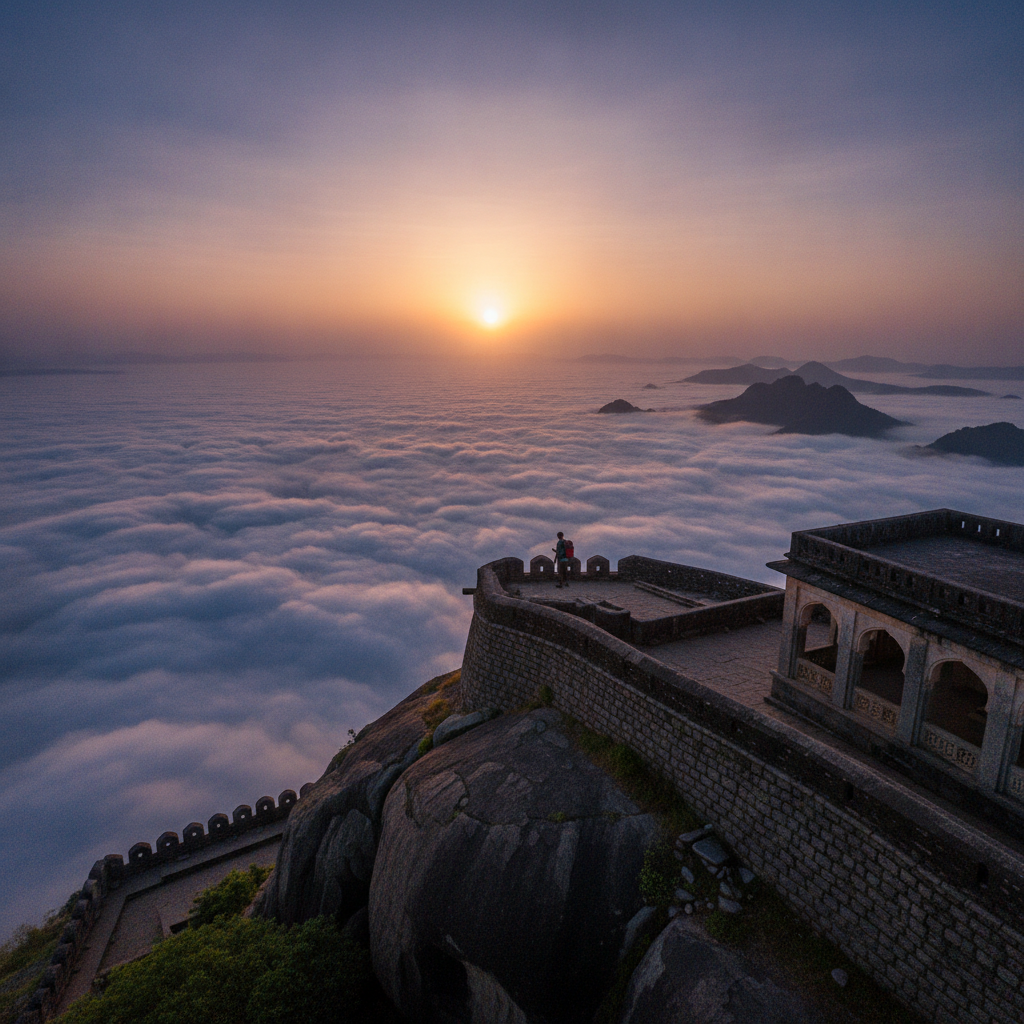
Confront Bengaluru's paradoxes—a city of 200 engineered lakes reduced to 80 by IT campus construction (Bellandur Lake caught fire three times from industrial effluent), Flipkart's $16 billion Walmart sale and ISRO's Chandrayaan-3 first-ever lunar south pole landing both originating from the same city, Coorg arabica single-estate beans at Bengaluru's third-wave cafés (the coffee grows 200 km west), Nandi Hills dawn above the cloud-sea where Tipu Sultan had his summer retreat, and the world's most traffic-congested city (TomTom 2023) where 14 million people moved faster than the 16 km/h peak-hour average suggests it should be possible.
- 1
Bengaluru's Lakes – A Vanishing Ecological Network
Bengaluru was historically a city of 200+ lakes—an engineered wetland network (kempe gowda's lake system, begun 16th century) that provided water storage, irrigation, and microclimate regulation across the Deccan Plateau. Rapid urbanisation since the 1980s has reduced this to approximately 80 functional lakes (many degraded); dozens were converted to residential layouts, IT campuses, or filled with construction debris. The surviving lakes (Ulsoor Lake in central Bengaluru, Hebbal Lake in north, Sankey Tank)—now framed by apartment blocks and road traffic—still attract migratory birds and morning walkers. Bellandur Lake (South Bengaluru) has achieved notoriety as India's most polluted urban lake: industrial and domestic effluents have caused the lake to catch fire repeatedly (2015, 2017, 2018)—a globally reported phenomenon of a burning lake.
- 2
The Bangalore Palace & Mysore Maharajas' Legacy
The Mysore Kingdom—ruled by the Wadiyar dynasty from 1399 to Indian independence (with interruption during Hyder Ali and Tipu Sultan's Sultanate 1761–1799)—was one of the most progressive and well-administered princely states in British India. The Wadiyars invested in education, sanitation, irrigation, and industry; the Mysore state had the highest per-capita income of any Indian state in 1947. Bengaluru was the kingdom's administrative capital; the Bangalore Palace (1887, modelled on Windsor Castle—Tudor-style towers and battlements in a 45-acre estate in the city's north) is still owned by the family and open for guided tours. The Mysore Palace (in Mysore city, 150 km south—the most visited monument in India after the Taj Mahal, 6 million visitors annually) is the dynasty's supreme achievement: a fantasy Indo-Saracenic palace illuminated by 97,000 bulbs during the Dasara festival.
- 3
Bengaluru's Start-Up Ecosystem – India's Innovation Capital
Bengaluru is India's start-up capital: approximately 12,000 technology start-ups are based in the city, including the highest concentration of unicorns (start-ups valued at $1 billion+) of any Indian city. Notable Bengaluru unicorns: Flipkart (founded 2007 by Sachin and Binny Bansal, IIT Delhi alumni—sold to Walmart for $16 billion in 2018), Ola Cabs (founded 2010), Swiggy (food delivery, founded 2014), Byju's (ed-tech, peak valuation $22 billion, later faced significant financial difficulties), Zomato (originally Delhi-based but with major Bengaluru operations). The Indian Space Research Organisation (ISRO) headquartered in Bengaluru achieved the Chandrayaan-3 moon landing (August 23, 2023—the first landing near the lunar south pole, and India's first successful moon landing) from its Telemetry Tracking & Command Network in Bengaluru.
- 4
Bengaluru's Craft Beer & Coffee Scene
Bengaluru pioneered both India's craft beer movement and its specialty coffee movement—and the two coexist in the same neighbourhoods. Craft beer: Toit (the original, opened 2010, Indiranagar), Windmills Craftworks (Whitefield), Arbor Brewing, The Beer Café—a scene that spread from Bengaluru to Mumbai, Delhi, and Pune over the following decade. The craft beer community's scale: approximately 40 microbreweries operating in Bengaluru in 2024. Specialty coffee: Bengaluru's third-wave coffee scene (Maverick & Farmer, Blue Tokai, Corridor Seven, Third Wave Coffee—now a chain with 100+ outlets nationally, started in Bengaluru in 2016) reflects the city's position at the centre of the Coorg and Chikmagalur coffee-growing region (200 km west). Coorg arabica coffee is one of the finest Indian specialty coffees; direct-sourced single-estate Coorg beans are the basis of Bengaluru's best coffee.
- 5
Nandi Hills & Day Trips from Bengaluru
Nandi Hills—60 km north of Bengaluru (1.5 hours), at 1,478 metres altitude—is the closest hill escape from the city: a rock fortress (used by Tipu Sultan as a summer retreat), walking trails, and (during winter months) a sea of clouds below the hilltop visible at dawn. The sunrise at Nandi Hills draws such large weekend crowds that the Karnataka government has imposed entry quotas and pre-booking requirements. Mysore (150 km, 3 hours) is the most popular day-trip from Bengaluru: the Mysore Palace (illuminated Wednesday evenings and during Dasara), the Chamundeshwari Temple (on Chamundi Hill, 1,000+ stone steps), the Devaraja Market (flowers, silk sarees, sandalwood), and Mysore silk sarees. Coorg (Kodagu, 260 km, 5 hours) is Karnataka's coffee and trekking district: dense rainforest, waterfalls (Abbey Falls), the Brahmagiri Wildlife Sanctuary, and the highest rainfall in South India.
- 6
Bengaluru's Traffic & Infrastructure Crisis
Bengaluru's population has grown from 1.6 million in 1981 to approximately 14 million in 2024—one of the fastest urban growth rates of any major city in the world—and its infrastructure has failed to keep pace. The city has India's worst traffic congestion (ranked the world's most traffic-congested city by TomTom in 2023, with an average commute speed of 16 km/h during peak hours); the Outer Ring Road (ORR) connecting the IT clusters is regularly gridlocked for 3–4 hours daily. The Bengaluru Metro (Namma Metro, 73 km operational as of 2024, Phase 2 under construction) covers key corridors but not the IT clusters where congestion is worst. The Cauvery water dispute (between Karnataka and Tamil Nadu over the waters of the Cauvery River—the primary water source for both Bengaluru and Chennai) has resulted in Supreme Court adjudication and occasional riots in both cities.
Walk this route with audio
Stories play automatically as you reach each stop — no tapping needed.
More in Bengaluru
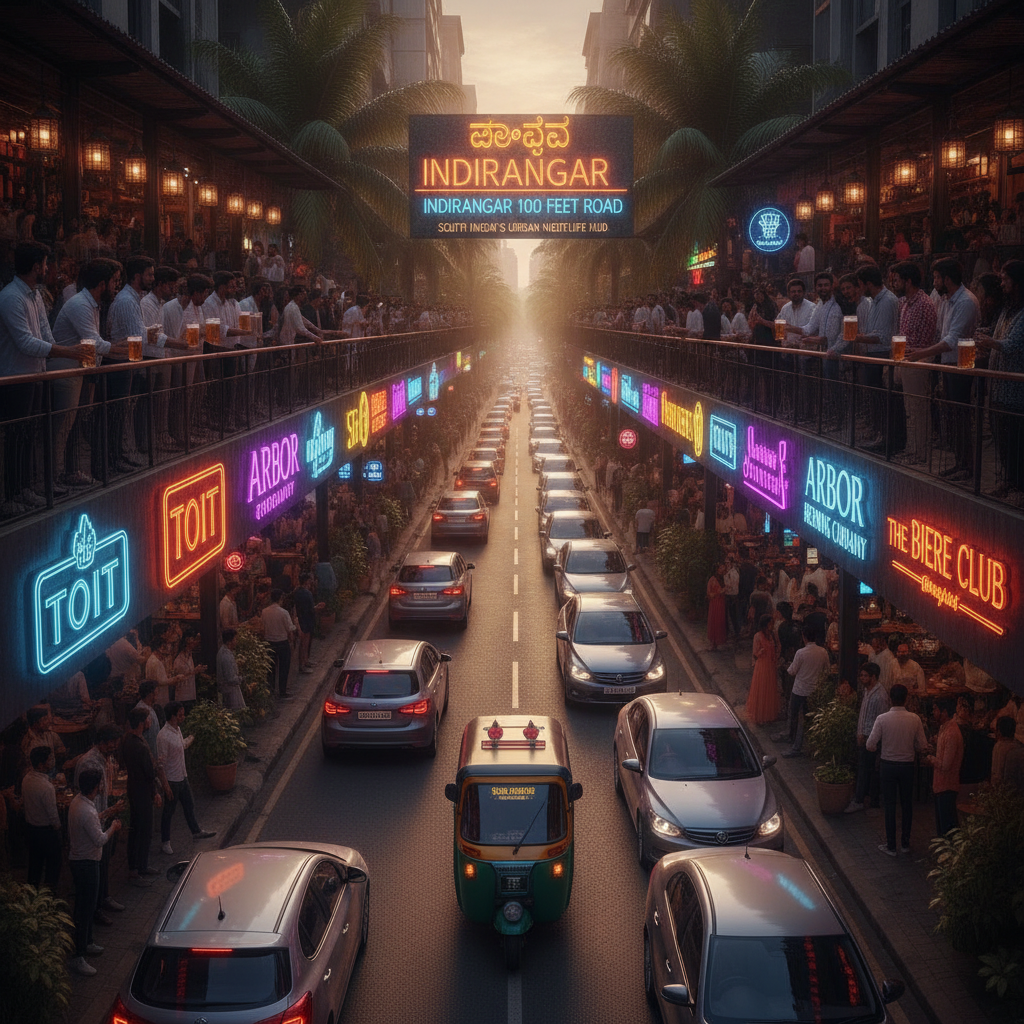
Bengaluru After Dark: 1am Bars, India's Most Visible Queer Scene & Why Hyderabad Is Trying to Steal the Silicon Valley Crown
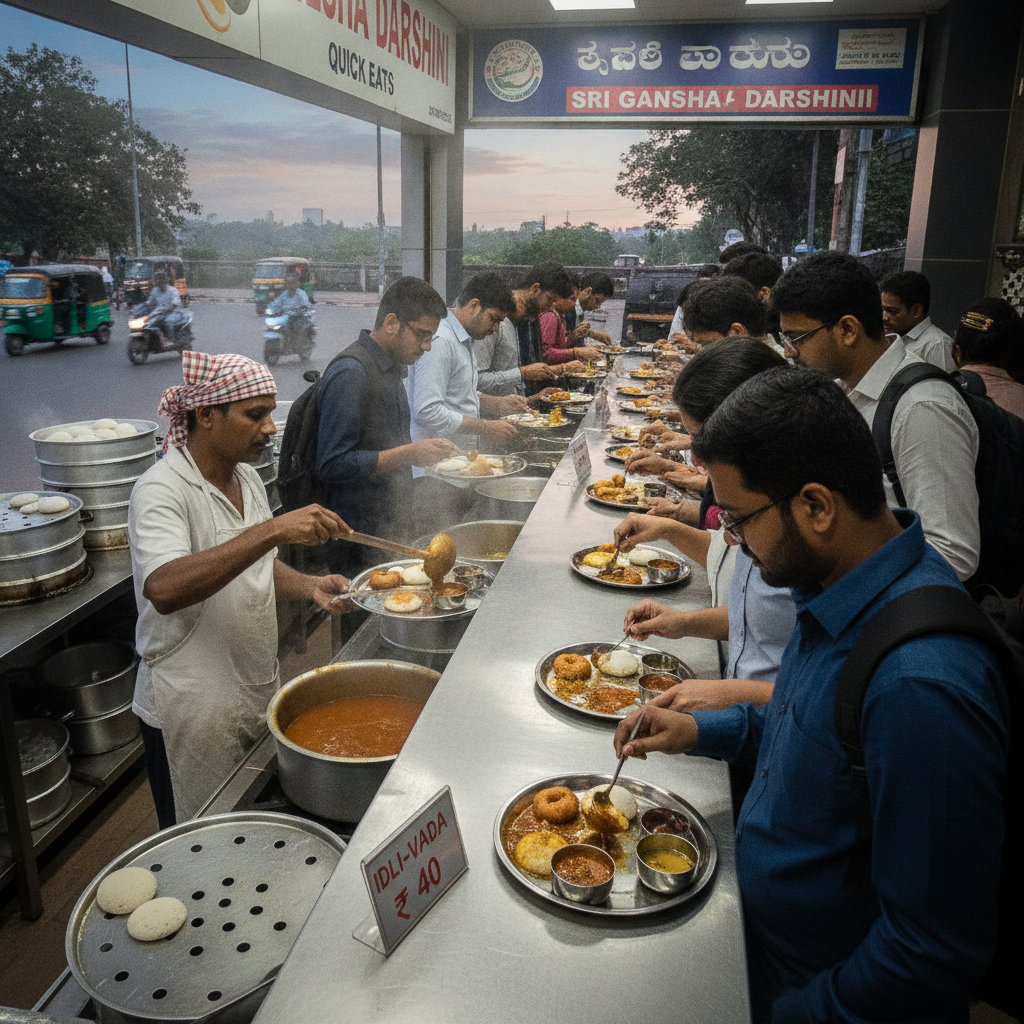
Bengaluru Complete: Coorg Coffee Estates 5 Hours Away, the Standing-Only Darshini Breakfast & a City Without a Single Famous Monument
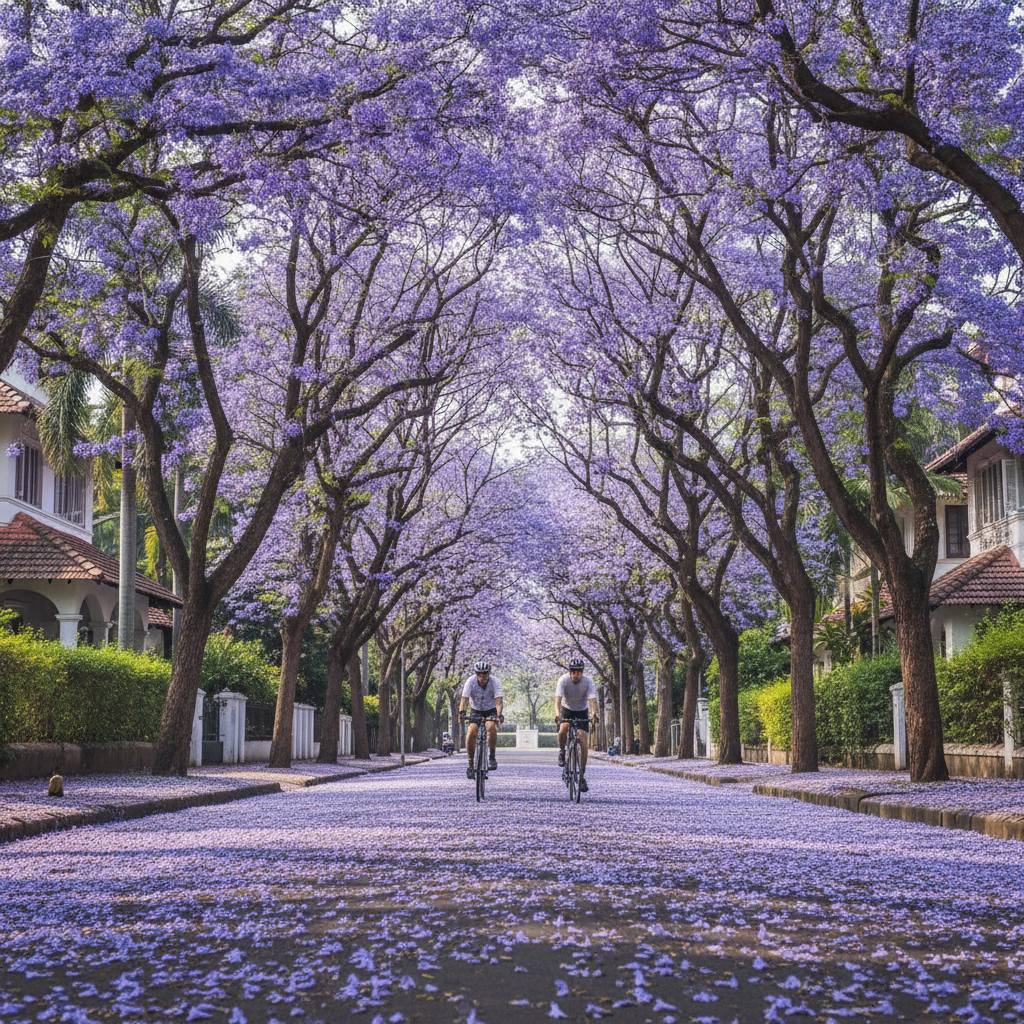
Bengaluru Insider: ISRO's $74m Mars Mission, Jacaranda Streets in March & the Indie Music Scene That Defined Indian Festivals
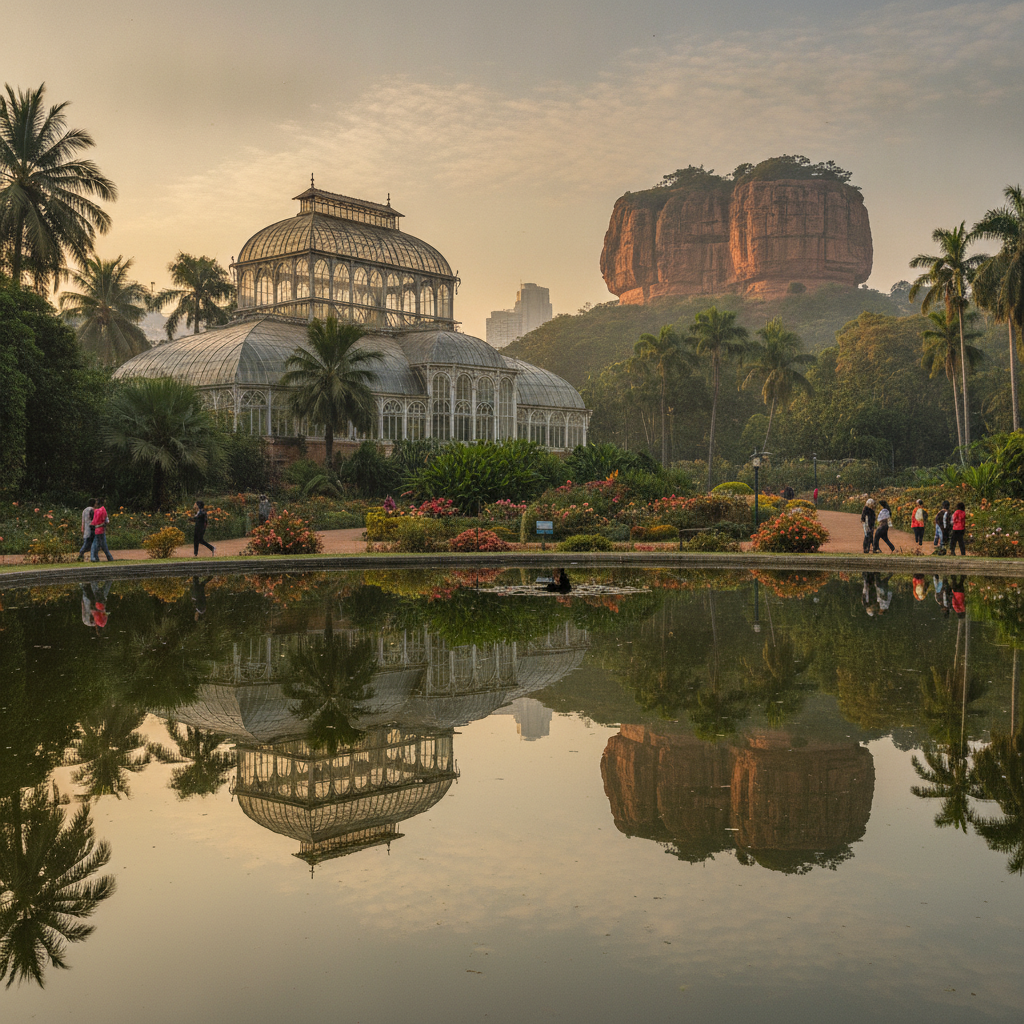
Bengaluru Essentials: India's Silicon Valley, the Garden City's Botanical Parks & the Country's Best Pub Scene