Bengaluru Insider: ISRO's $74m Mars Mission, Jacaranda Streets in March & the Indie Music Scene That Defined Indian Festivals
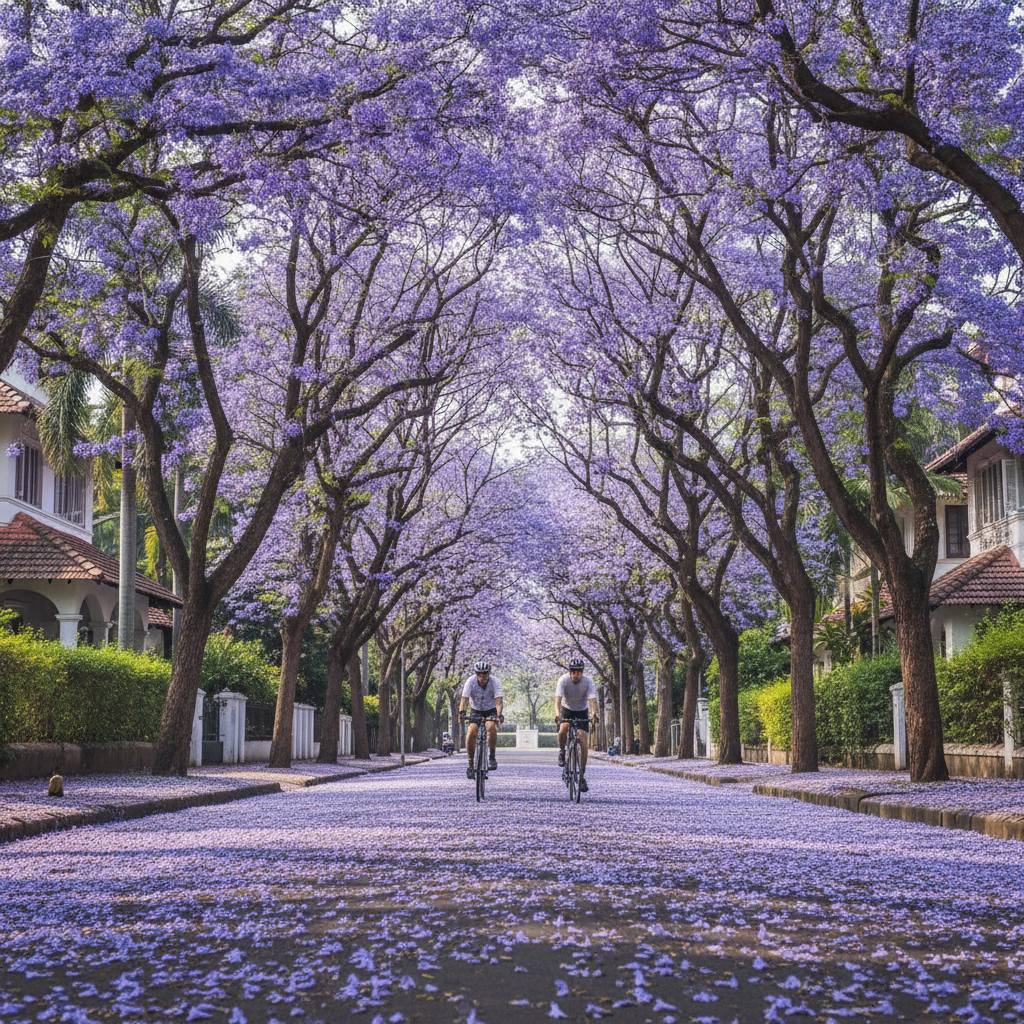
Live Bengaluru like a local—Kannada's 8 Jnanpith Awards (the most of any Indian language) and the 'son of the soil' politics that recurs every time IT migration alters the city's character, ISRO's Mars Orbiter Mission reaching Mars on the first attempt for $74 million (cheaper than the film The Martian), the March jacaranda bloom carpeting the cantonment streets in purple-blue under the colonial rain tree canopy, craft beer at Toit and single-origin Coorg coffee at Third Wave in Indiranagar's 100 Feet Road dense kilometre, Bannerghatta National Park's lion and tiger walks within the city limits, and the NH7 Weekender festival format that Bengaluru invented in 2010 before taking it to the rest of India.
- 1
Bengaluru's Kannada Culture – Language, Literature & Identity
Karnataka's official language Kannada—one of the four major Dravidian languages (alongside Tamil, Telugu, and Malayalam) with a literary tradition dating to the 9th century AD (the Kavirajamarga, 850 AD, the earliest surviving Kannada literary text)—has 8 Jnanpith Award winners (India's highest literary honour), more than any other Indian language. The Rajyotsava (Karnataka Statehood Day, November 1) is celebrated with particular intensity in Bengaluru: the city fills with Kannada flag-waving and political rallies marking the 1956 reorganisation of Indian states on linguistic lines that united the Kannada-speaking regions into a single state. The 'Kannada pride' movement (Gokak agitation, 1982—which established Kannada as the primary medium of instruction in Karnataka) has produced ongoing tensions with the non-Kannada IT migrant population: 'Outsider' vs 'local son of the soil' politics recurs in Bengaluru's municipal elections.
- 2
ISRO & Bengaluru's Space Programme
The Indian Space Research Organisation (ISRO)—headquartered in Bengaluru's Antariksh Bhavan, with its primary tracking facility at the Telemetry Tracking & Command Network (ISTRAC) in Peenya—manages India's space programme from Bengaluru. India's achievements under ISRO: Chandrayaan-1 (2008, first Indian lunar orbiter, discovered water ice on the moon), Mangalyaan (2014, Mars Orbiter Mission—India became the first country to reach Mars on its first attempt, at $74 million—the cheapest Mars mission in history), Chandrayaan-3 (August 23, 2023, first landing near the lunar south pole—the Vikram lander and Pragyan rover successfully landed after Chandrayaan-2's failed attempt). The ISRO Inertial Systems Unit and the U R Rao Satellite Centre (URSC) in Bengaluru manufacture and test Indian satellites. The ISRO Visitor Centre is open to the public by prior appointment.
- 3
Bengaluru's Gardens & Parks – The Original 'Garden City' Identity
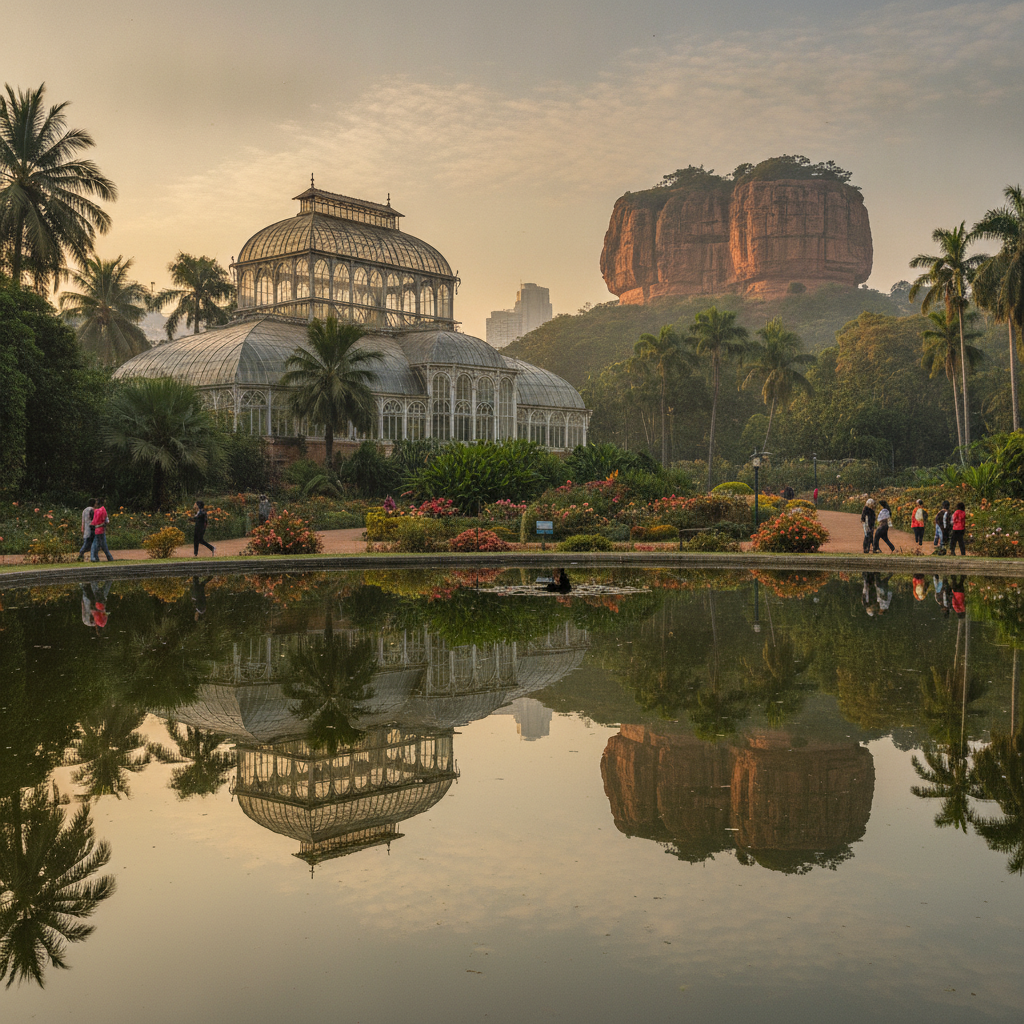
Bengaluru's reputation as 'the Garden City' derives from the extensive tree canopy and parks developed during the British cantonment period (1800–1947): an order was issued in the early colonial period requiring minimum tree spacing in all cantonment roads, producing the characteristic canopy of rain trees (Samanea saman), silver oaks, gulmohar, and jacaranda that define Bengaluru's streetscapes. The jacaranda bloom (March–April)—when the city's streets are carpeted in purple-blue flowers from thousands of jacaranda trees—is the most spectacular natural annual event in Bengaluru. The Hebbal Lake bird sanctuary, Ulsoor Lake rowboats, and the Bannerghatta National Park (22 km south—lion, tiger, bear, elephant, and India's largest butterfly conservatory in a genuine wildlife reserve adjacent to the city boundary) give Bengaluru unusual natural diversity for a major metropolis.
- 4
Indiranagar & Koramangala – The Neighbourhood Culture
Bengaluru's restaurant, bar, and retail culture concentrates in two neighbourhoods that have become templates for a new Indian urban lifestyle. Indiranagar (5 km east of city centre)—specifically the 12th Main Road and 100 Feet Road corridors—is the densest concentration of craft beer pubs, international restaurants, boutique clothing stores, and artisan coffee shops in South India. Koramangala (5 km south-east) is the start-up and young-professional neighbourhood: Flipkart started here; the HSR Layout and BTM Layout extensions south are where many start-up founders and engineers live. Church Street (central Bengaluru) and the MG Road commercial corridor are the older entertainment and retail districts; the Jayanagar 4th Block and Gandhi Bazaar areas of south Bengaluru preserve the older Bengaluru of South Indian restaurants, vegetable markets, and traditional Brahmin households.
- 5
Bengaluru's Music Scene – From Carnatic to Indie Rock
Bengaluru's music scene spans classical and contemporary with unusual depth for an Indian city. Classical: the Bengaluru Gayana Samaja (established 1905)—the oldest functioning music institution in Bengaluru—hosts regular Carnatic and Hindustani concerts. The Chowdiah Memorial Hall (1975, designed in the shape of a violin, named for violin virtuoso T. Chowdiah) is the primary classical music venue. Contemporary: Bengaluru has India's most active indie music scene—a consequence of the IT workforce's exposure to Western music and the city's large student population. Genres: Indian indie rock (The Local Train has Bengaluru connections), electronic music, jazz (Saturday sessions at multiple Indiranagar venues). NH7 Weekender—India's most respected independent music festival, originally Bengaluru-based (now touring multiple cities)—started here in 2010 and defined the Indian live music festival format.
- 6
Practical Bengaluru – Getting Around, Seasons & Where to Stay
Kempegowda International Airport (BLR)—40 km from city centre—is well-connected internationally (direct flights to Singapore, Dubai, London, Frankfurt, New York) and to all Indian cities. The Kempegowda Airport Metro extension (opened 2023) cuts the airport transfer to 60 minutes from the city centre (₹180/€1.97 to MG Road). The Namma Metro has two operational lines; Phase 2 extension is expanding coverage significantly. Auto-rickshaws use meters (a rare genuine practice in Indian cities); Ola and Uber are widely used. Best season: October–February (temperatures 15–28°C—Bengaluru's legendary climate is justly celebrated; the city sits at 920 metres altitude and is significantly cooler than coastal South India). The Cubbon Park and Indiranagar areas are the best-located for sightseeing; Whitefield is convenient for IT corridor meetings but distant from tourist sites. Bengaluru's guesthouses and budget hotels are better value than equivalent quality in Mumbai or Delhi.
Walk this route with audio
Stories play automatically as you reach each stop — no tapping needed.
More in Bengaluru
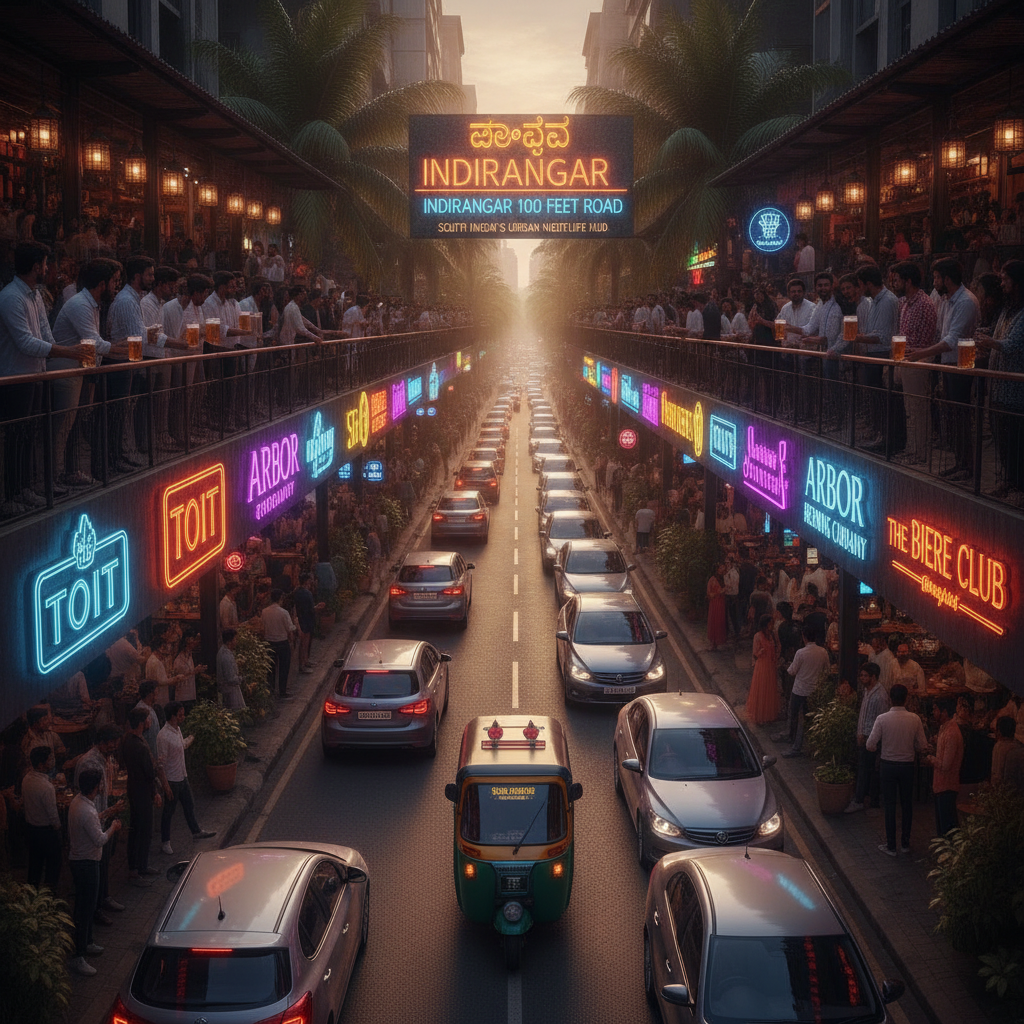
Bengaluru After Dark: 1am Bars, India's Most Visible Queer Scene & Why Hyderabad Is Trying to Steal the Silicon Valley Crown
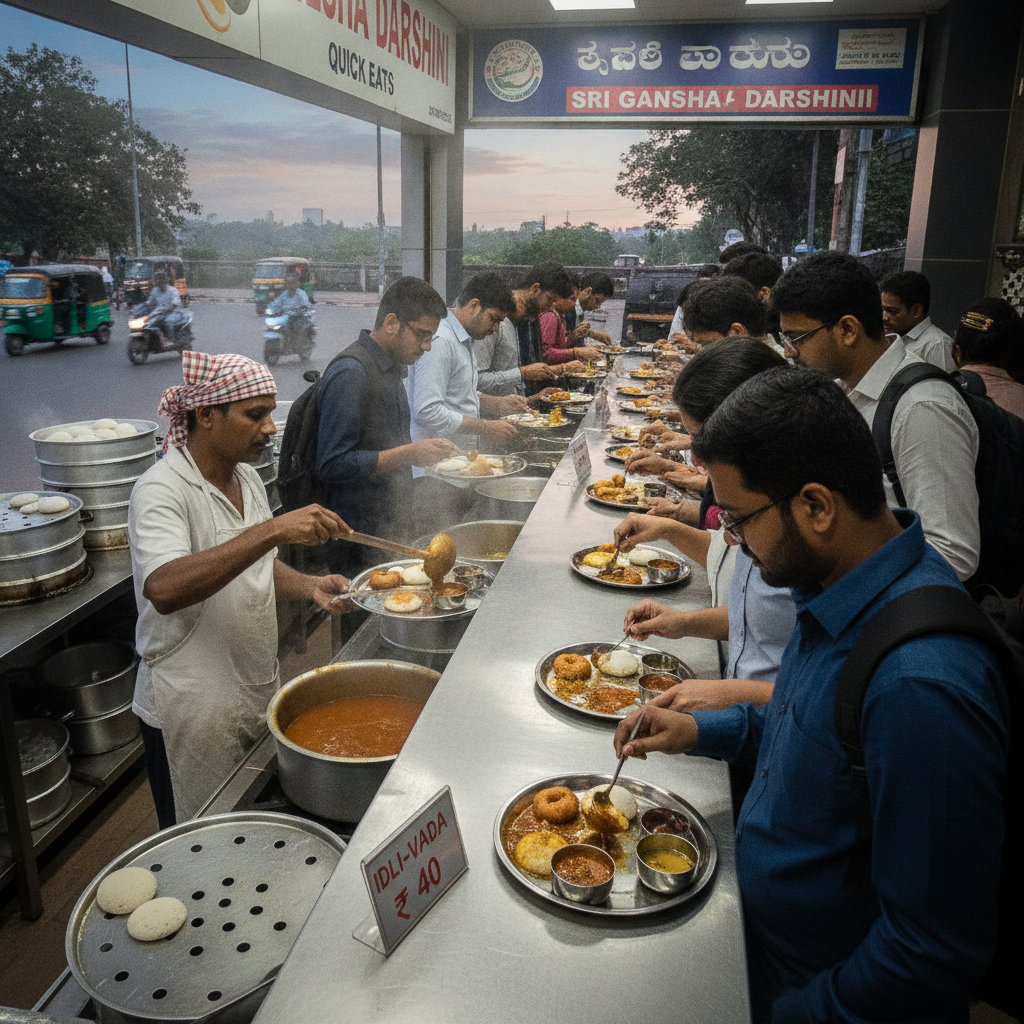
Bengaluru Complete: Coorg Coffee Estates 5 Hours Away, the Standing-Only Darshini Breakfast & a City Without a Single Famous Monument
Bengaluru Essentials: India's Silicon Valley, the Garden City's Botanical Parks & the Country's Best Pub Scene
Bengaluru's Contrasts: Burning Lakes, ISRO's Moon Landing & the World's Most Traffic-Congested City