Asuncion Practical Guide: Getting There, Getting Around, and Paraguay Circuit
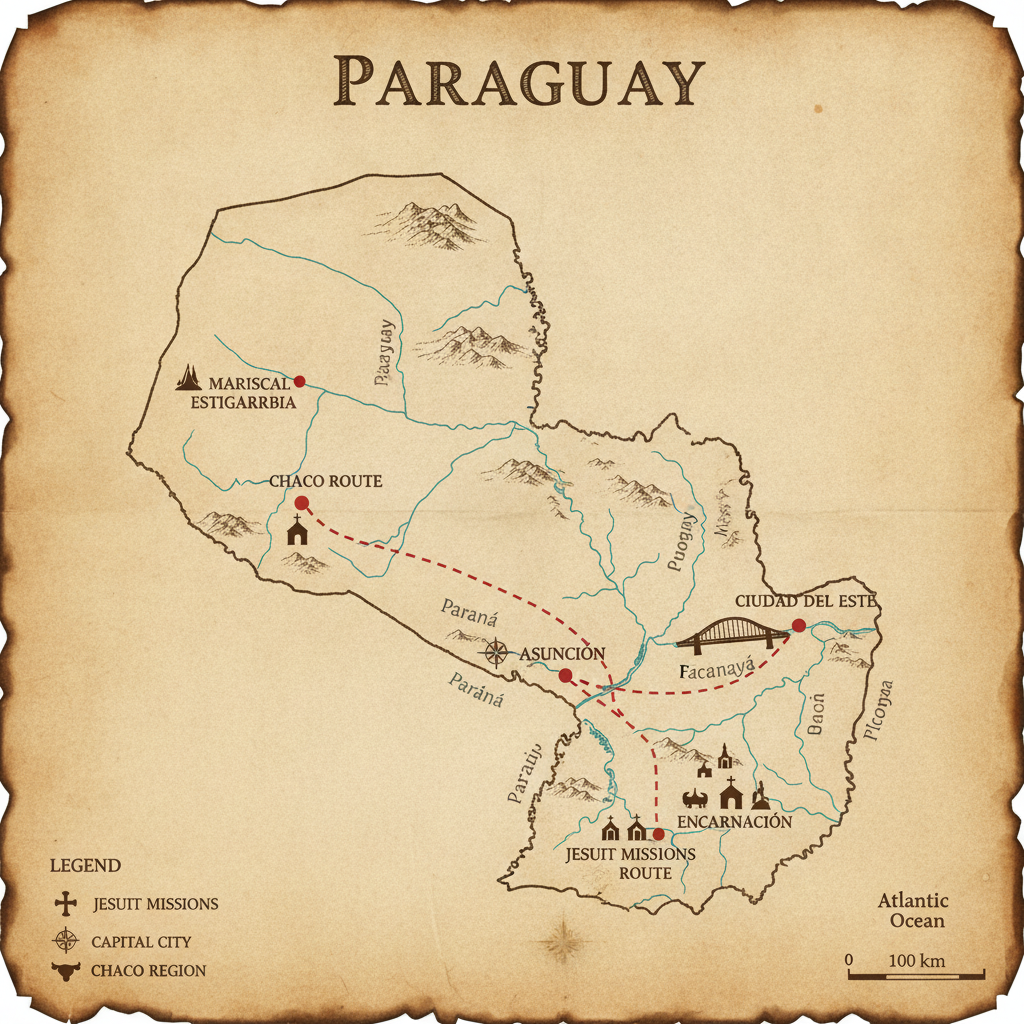
Asuncion is one of the least-visited capital cities in South America, which means that the infrastructure for international tourism is less developed than in Buenos Aires, Lima, or Santiago, but also that the city retains an authenticity and a lack of tourist-industry pressure that many travelers find refreshing. The practical logistics of visiting Asuncion and Paraguay more broadly require some planning around transport, accommodation, currency, safety, and the circuit of sites outside the capital that make a visit to Paraguay worthwhile beyond the city itself.
Asuncion Arts, Music, and the Paraguayan Harp
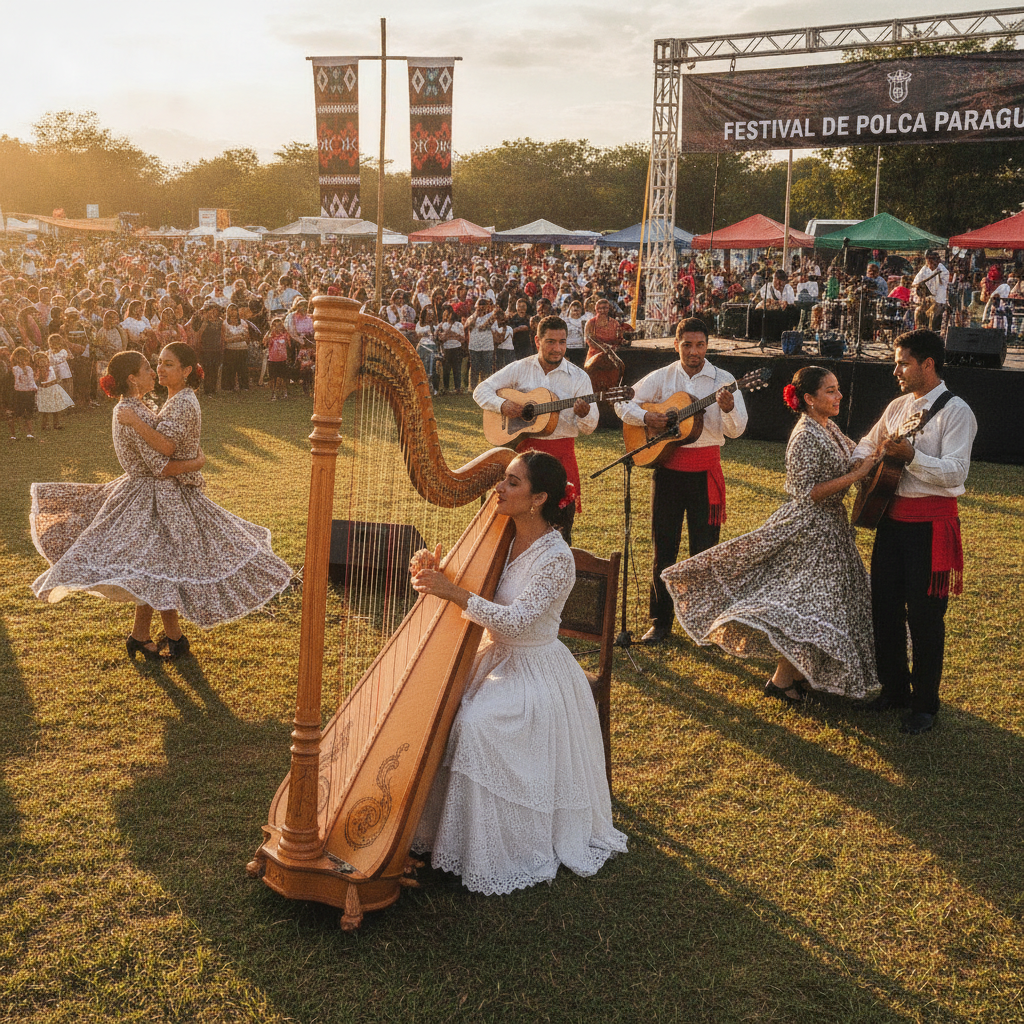
The Paraguayan harp, an instrument of Spanish colonial origin that Paraguay has made entirely its own, is one of the few instruments to become so identified with a single nation that it serves as a national symbol; the Paraguayan harp is the primary melodic instrument of Paraguayan folk music and the foundation of the polca paraguaya, the national dance and music form. The arts scene in Asuncion, concentrated in the Loma San Jeronimo and Villa Morra neighborhoods, includes a small but dedicated community of contemporary artists, the Museo del Barro with one of the best pre-Columbian and indigenous art collections in South America, and the performing arts venues of the Manzana de la Rivera cultural complex. Paraguayan literature and visual art have operated in relative isolation from the main currents of Latin American cultural life, producing a distinctive voice shaped by the Guarani language, the experience of isolation, and the weight of historical tragedy.
Asuncion Day Trips: Areguá, Itauguá, Caacupe, and the Circuito de Oro
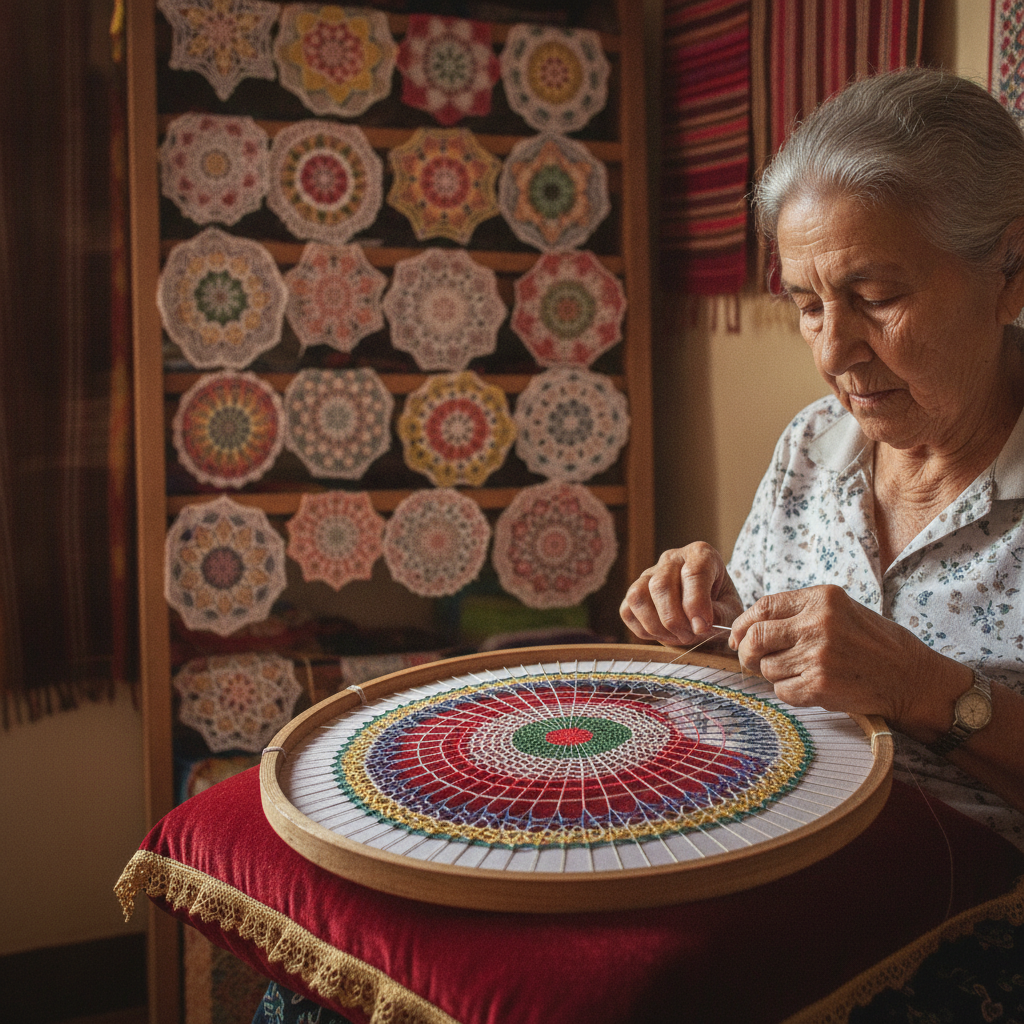
The Circuito de Oro, the Golden Circuit of craft towns east of Asuncion along the highway toward Ciudad del Este, concentrates the primary artisan production centers of Paraguay within a two-hour drive from the capital and forms the most-visited day trip route from Asuncion. The circuit passes through Itauguá, the nanduti lace center; San Bernardino, the lakeside resort town; Caacupe, the pilgrimage basilica; Piribebuy, the ao poi fine cotton textile center; and several other smaller towns each known for a specific craft or local product. The circuit can be completed in a long day or spread over two days with an overnight at San Bernardino on Lake Ypacarai.
Asuncion: The Mother of Cities, Guarani Culture, and the Heart of Paraguay
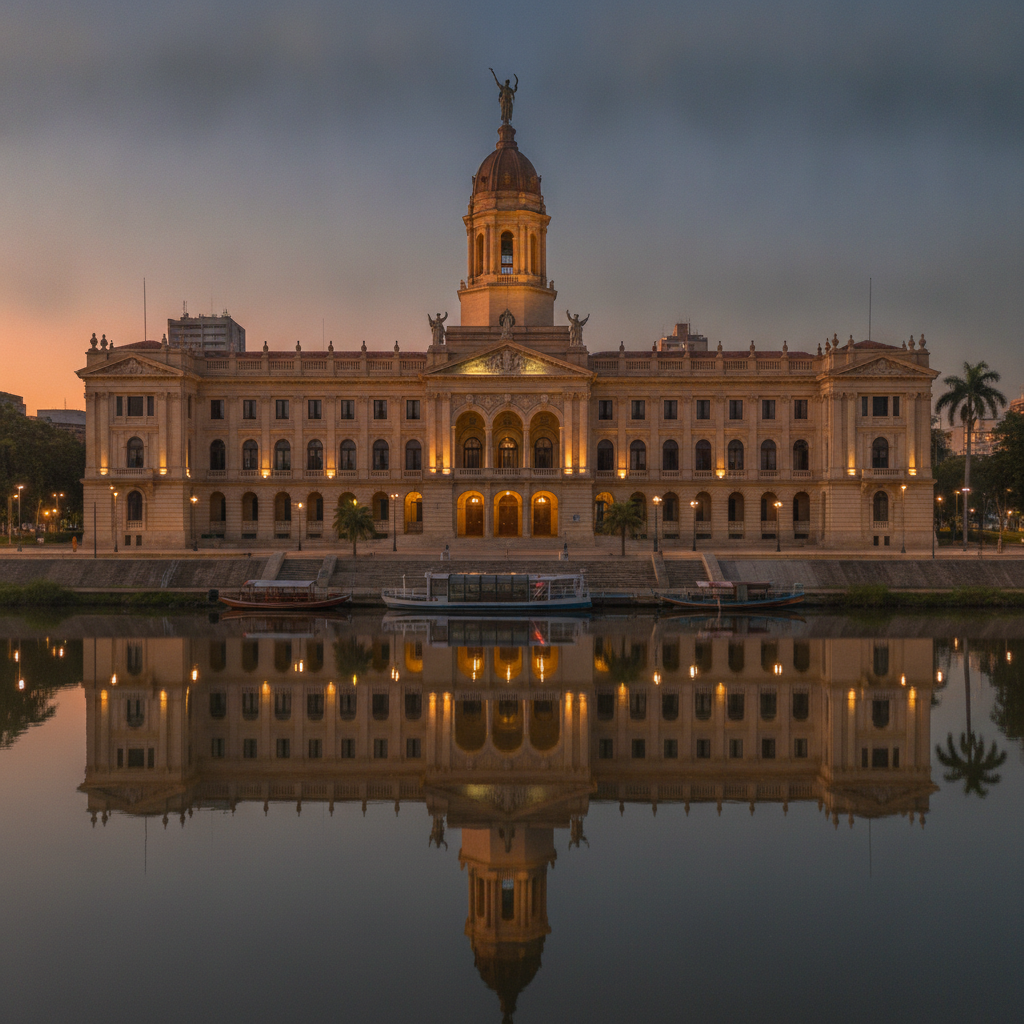
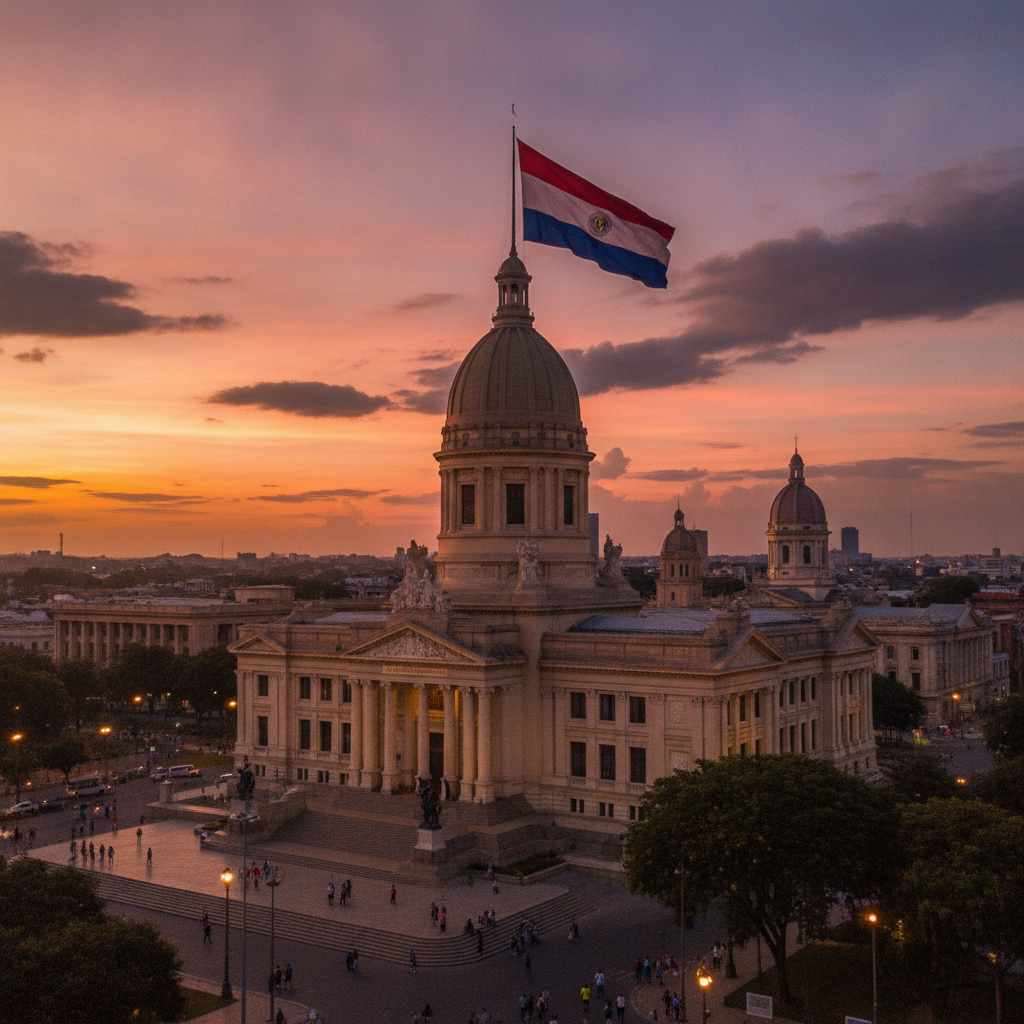
Asuncion, the capital of Paraguay and one of the oldest continuously inhabited cities in South America, was founded by Spanish conquistadors in 1537 and served as the administrative base from which much of the Rio de la Plata region was explored and settled, earning it the title La Madre de Ciudades, the Mother of Cities. The city sits on a bay of the Paraguay River at the border with Argentina, and its riverside position has shaped both its commercial history and its current identity as a subtropical capital with a relaxed pace of life unusual among South American capitals. Paraguay is a bilingual nation where Guarani, the indigenous language of the dominant pre-Hispanic culture, is spoken by the majority of the population alongside Spanish; this linguistic duality is the most distinctive cultural feature of Paraguay and permeates daily life in ways visible to any visitor.
Asuncion History: Foundation, Independence, Dr Francia, and the Lopezas
Asuncion has one of the longest continuous histories of any city in South America, having been established as a permanent Spanish settlement in 1537 and serving as the administrative capital of the entire Rio de la Plata region for several decades before Buenos Aires grew to eclipse it. The political history of independent Paraguay from 1811 onward was dominated by three strong leaders: Dr Jose Gaspar Rodriguez de Francia, who ruled as absolute dictator from 1814 to 1840 and isolated Paraguay from the outside world; Carlos Antonio Lopez, who opened Paraguay to commerce and modernization from 1844 to 1862; and Francisco Solano Lopez, whose war against the Triple Alliance ended with the near-destruction of the country.
Asuncion Food and Daily Life: Sopa Paraguaya, Chipa, and the Tereré Culture
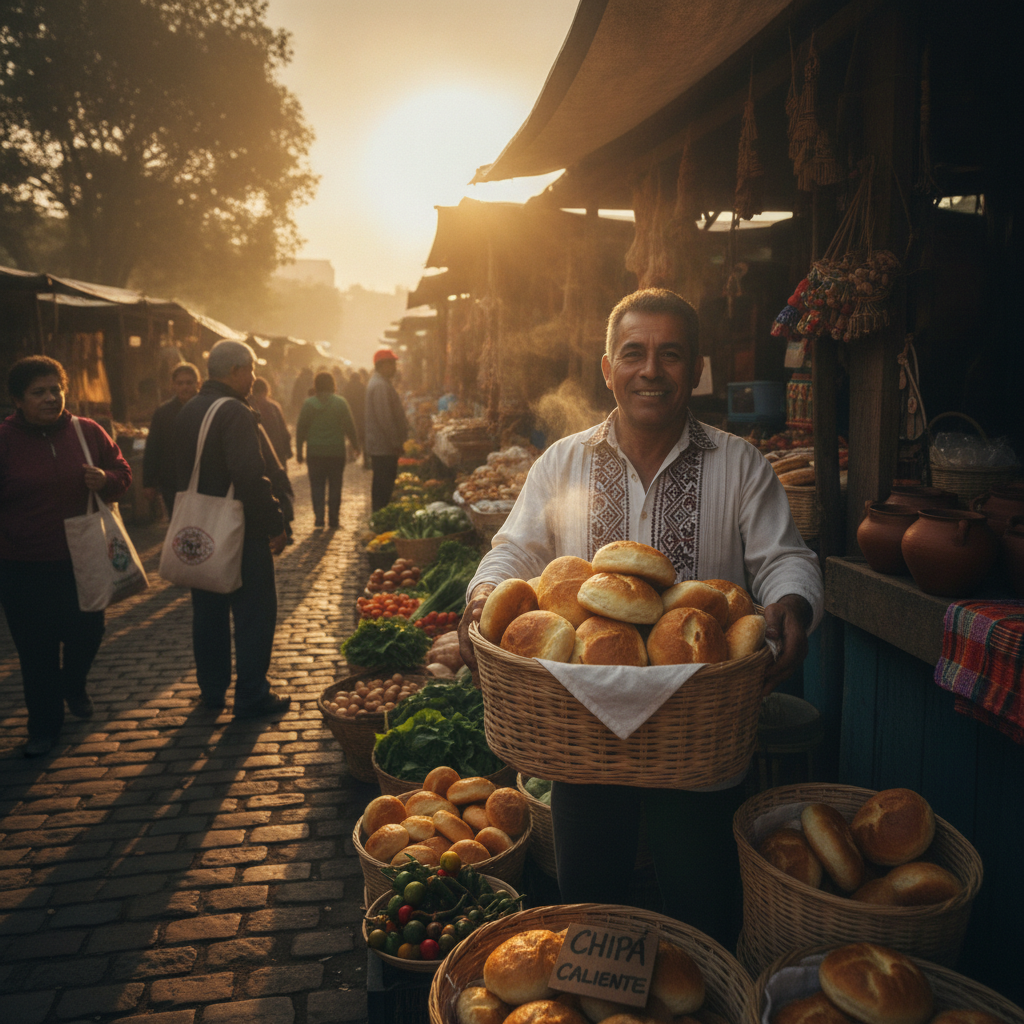
Paraguayan food culture is built on corn, manioc, cheese, and the Paraguay River fish that have fed the country since before the Spanish conquest, combined with the cattle ranching economy introduced by colonial settlement. Sopa paraguaya, the national dish, is not a soup despite its name but a dense savory corn cake with cheese and onion that demonstrates the Guarani corn culture at its most distinctive. Chipa, the round chewy manioc and cheese bread cooked in a tatakua clay oven, is the most universally eaten Paraguayan food and the defining smell of Paraguayan bus stations and market mornings. Tereré, the cold version of the yerba mate drink prepared with cold water or fruit juice and ice, is the Paraguayan summer drink that distinguishes the country's mate tradition from the hot mate of Argentina and Uruguay.

Paraguay Nature: Pantanal, Chaco, and the Gran Chaco Wilderness
Paraguay straddles two of the most ecologically significant biomes in South America: the eastern region is part of the interior Atlantic Forest, one of the most biodiverse and most threatened forest ecosystems on Earth; and the western Chaco region is part of the Gran Chaco, the vast dry forest and scrub ecosystem that extends through Bolivia, Argentina, and Brazil and is the second largest forested area in South America after the Amazon. The Chaco Boreal of Paraguay, covering approximately 60 percent of the national territory, is the most sparsely populated major ecosystem on Earth with indigenous Mennonite and other communities inhabiting a landscape of extreme heat, thornscrub, and seasonal flooding. The Pantanal, the world's largest tropical wetland, extends its southern reaches into the northeastern corner of Paraguay.
Asuncion Neighborhoods, Costanera, and Urban Life
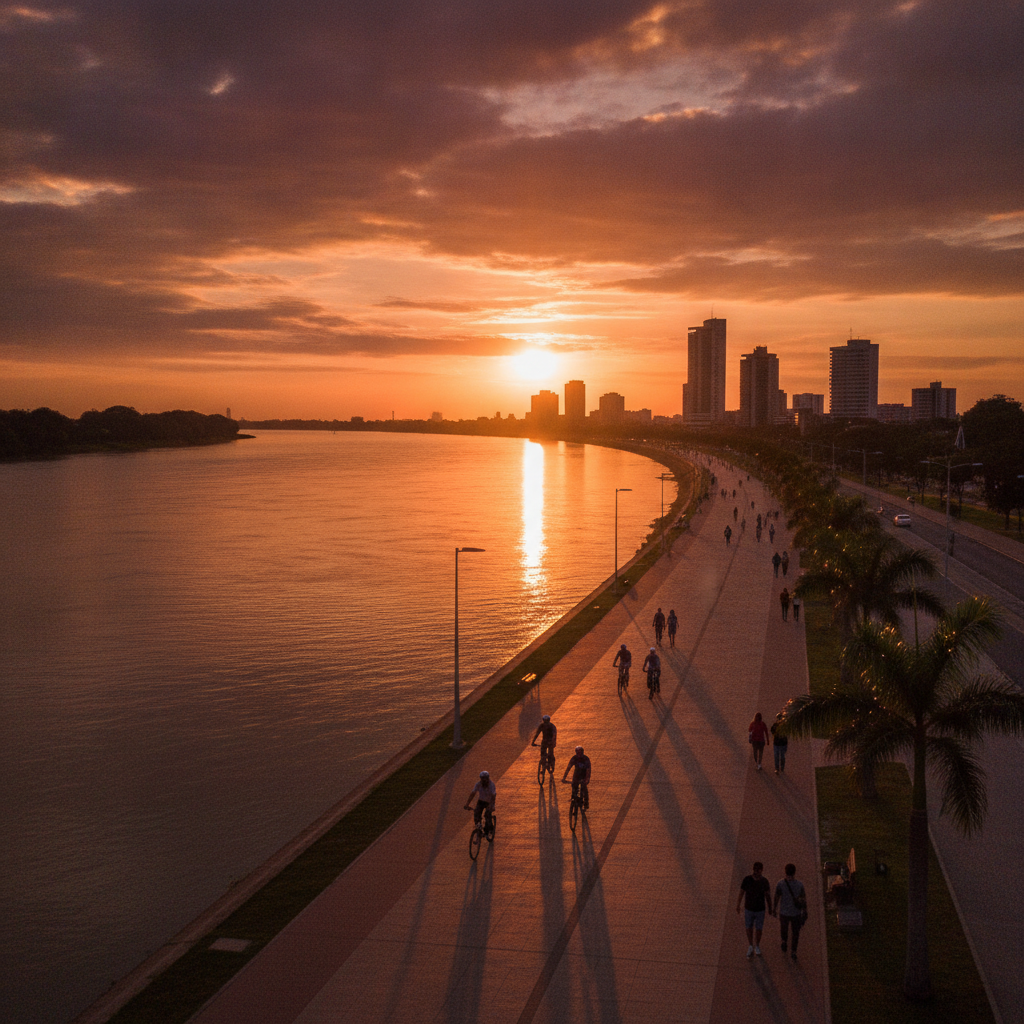
Asuncion is a city of distinct neighborhoods that each preserve a different layer of Paraguayan urban history, from the colonial-era streets of the centro historico to the modernist residential suburbs and the bohemian art district of Loma San Jeronimo. The Costanera, a waterfront promenade developed in the 2010s along the Paraguay River, transformed a previously neglected riverbank into the most dynamic public space in the city.