Asuncion Neighborhoods, Costanera, and Urban Life
Asuncion is a city of distinct neighborhoods that each preserve a different layer of Paraguayan urban history, from the colonial-era streets of the centro historico to the modernist residential suburbs and the bohemian art district of Loma San Jeronimo. The Costanera, a waterfront promenade developed in the 2010s along the Paraguay River, transformed a previously neglected riverbank into the most dynamic public space in the city.
- 1
Centro Historico: The Colonial and Republican Core
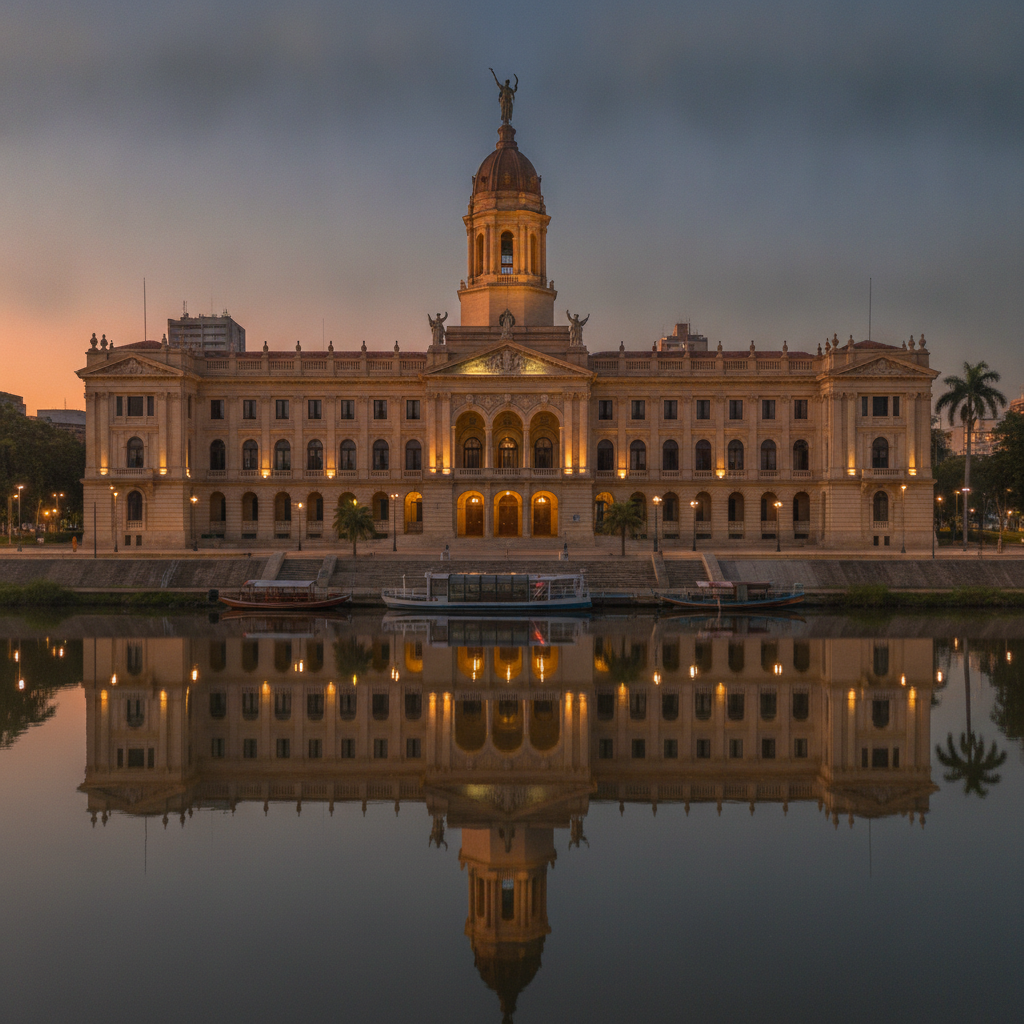
The historic center of Asuncion, concentrated in the blocks surrounding the Plaza de los Heroes and the waterfront, contains the most important civic and religious monuments of the city alongside a working commercial district of markets, pharmacies, and small businesses that gives the area a lived quality absent from more formally preserved historic districts. The Palacio de los Lopez on the waterfront is the most formally impressive building in the centro and is visible from the Costanera. The Manzana de la Rivera, a cluster of eight historic houses of different periods converted into a cultural center with a permanent exhibition on the urban history of Asuncion, is the best single site for understanding the architectural evolution of the city from colonial construction to the 20th century.
- 2
La Costanera: Riverfront Transformation and Weekend Life
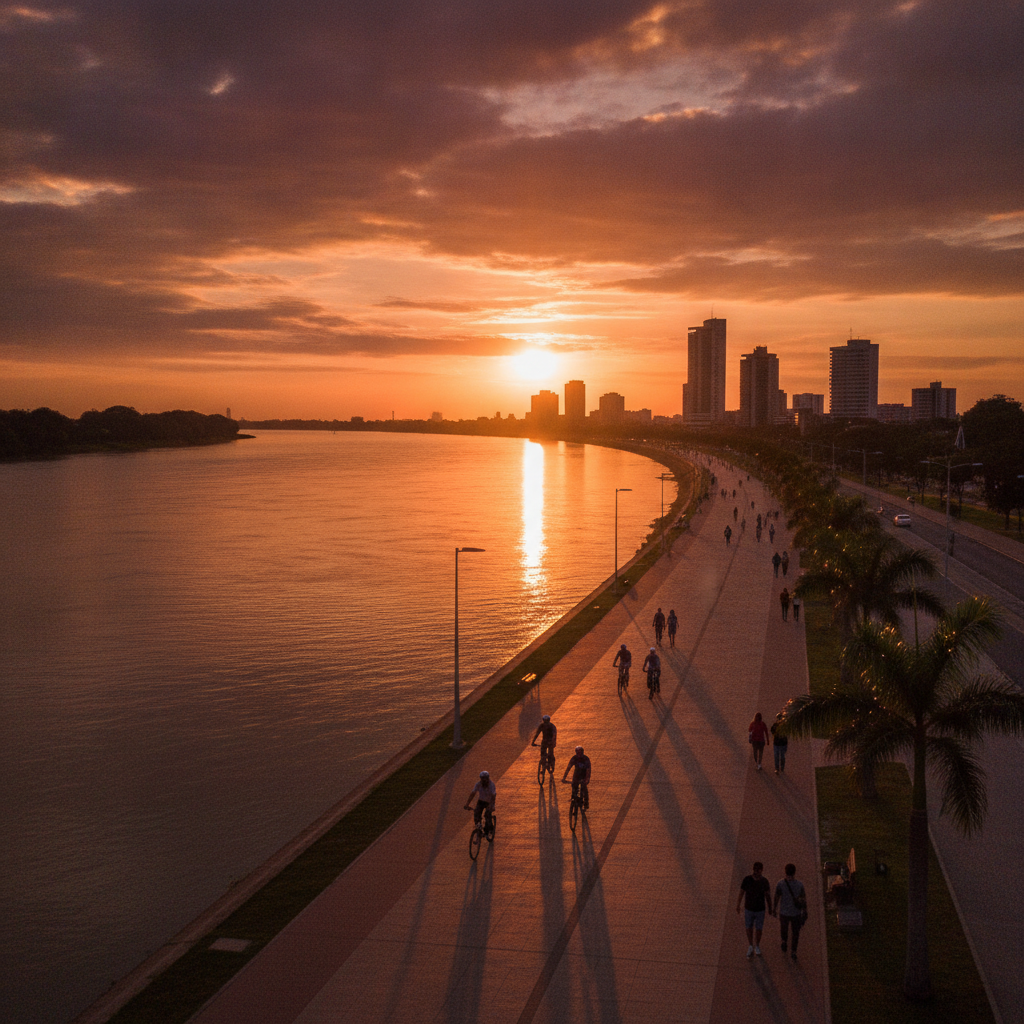
The Costanera Ambiental runs along the Paraguay River from the port area south toward the Jardin Botanico and was developed as part of an urban renewal project that reclaimed the riverside from informal settlements and flooding to create continuous public space of parks, bicycle paths, sports courts, and restaurants. On weekends and evenings the Costanera fills with Asuncion residents cycling, walking, playing football and basketball, and gathering at the food and drink stalls that operate along its length. The view from the Costanera west toward the Chaco on the opposite bank gives a sense of the geographical situation of Asuncion at the junction of the Paraguayan highlands and the flat Chaco plain.
- 3
Villa Morra and Carmelitas: The Modern Commercial Districts
Villa Morra and the adjacent Carmelitas neighborhood constitute the primary upscale commercial, restaurant, and nightlife district of contemporary Asuncion, with a concentration of shopping centers, international restaurants, and the offices of multinational companies that gives the area an atmosphere of South American urban prosperity contrasting with the more worn quality of the centro historico. The Avenida Mariscal Lopez, the main artery through Villa Morra, is lined with the offices of banks and professional services firms and serves as the financial spine of the city. The restaurant scene in Villa Morra reflects both international influence and local adaptation, including a growing number of establishments focused on contemporary Paraguayan cuisine using traditional ingredients in modern preparations.
- 4
Loma San Jeronimo: The Bohemian Hilltop Neighborhood
Loma San Jeronimo, a hillside neighborhood visible from the centro historico below, is the artistic and bohemian district of Asuncion, characterized by painted houses, art studios, craft workshops, and small restaurants and cafes that attract a younger and more internationally connected crowd. The elevated position provides panoramic views over the city center and the Paraguay River, making it a popular destination at sunset when the light over the Chaco creates dramatic colors on the western horizon. The neighborhood hosts regular cultural events, art markets, and music performances on weekend evenings, and the combination of hill views, street art, and informal dining makes it the most photogenic neighborhood in the city.
- 5
Jardin Botanico and Trinidad: Green Space and Residential Asuncion
The Jardin Botanico y Zoologico in the Trinidad neighborhood is the primary green space and nature reserve within the urban area of Asuncion and contains a botanical garden, a small zoo, and the historic mansion of the Lopez family used as a natural history museum. The grounds cover several dozen hectares of native Paraguayan vegetation including gallery forest along a small creek, and on weekday mornings the park is quiet enough to observe birds in contrast to the surrounding urban environment. The zoo holds examples of Paraguayan and South American wildlife including capybaras, tapirs, peccaries, various bird species, and reptiles, and functions as an educational resource for Paraguayan schoolchildren.
- 6
San Lorenzo and the Eastern Suburbs: University City and Lakeside Towns
San Lorenzo, the largest municipality in the Gran Asuncion metropolitan area east of the capital, functions as a university town centered on the main campus of the Universidad Nacional de Asuncion and has a popular commercial district along Avenida Mariscal Lopez with street vendors, local restaurants, and everyday commercial activity. The eastern suburbs each have distinct identities: Luque is known as the national football capital hosting the headquarters of the Paraguayan football association; Aregua is an artistic community of ceramicists and craft producers combining indigenous Guarani traditions with contemporary design; San Bernardino is a lakeside resort town on Lake Ypacarai that functions as a weekend destination for Asuncion residents within an hour of the city.
Walk this route with audio
Stories play automatically as you reach each stop — no tapping needed.
More in Asuncion
Asuncion Practical Guide: Getting There, Getting Around, and Paraguay Circuit
Asuncion Arts, Music, and the Paraguayan Harp
Asuncion Day Trips: Areguá, Itauguá, Caacupe, and the Circuito de Oro
Asuncion: The Mother of Cities, Guarani Culture, and the Heart of Paraguay
Asuncion History: Foundation, Independence, Dr Francia, and the Lopezas