Venice
Cannaregio Sestiere, the Jewish Ghetto & Fondamente Nove Waterfront
The sestiere of Cannaregio — the most populous of Venice's six districts, stretching from the railway station at its western end to the northern lagoon waterfront at Fondamente Nove — contains the oldest Jewish ghetto in the world, established in 1516 when the Venetian Senate confined the city's Jewish population to a walled island in the Cannaregio district.
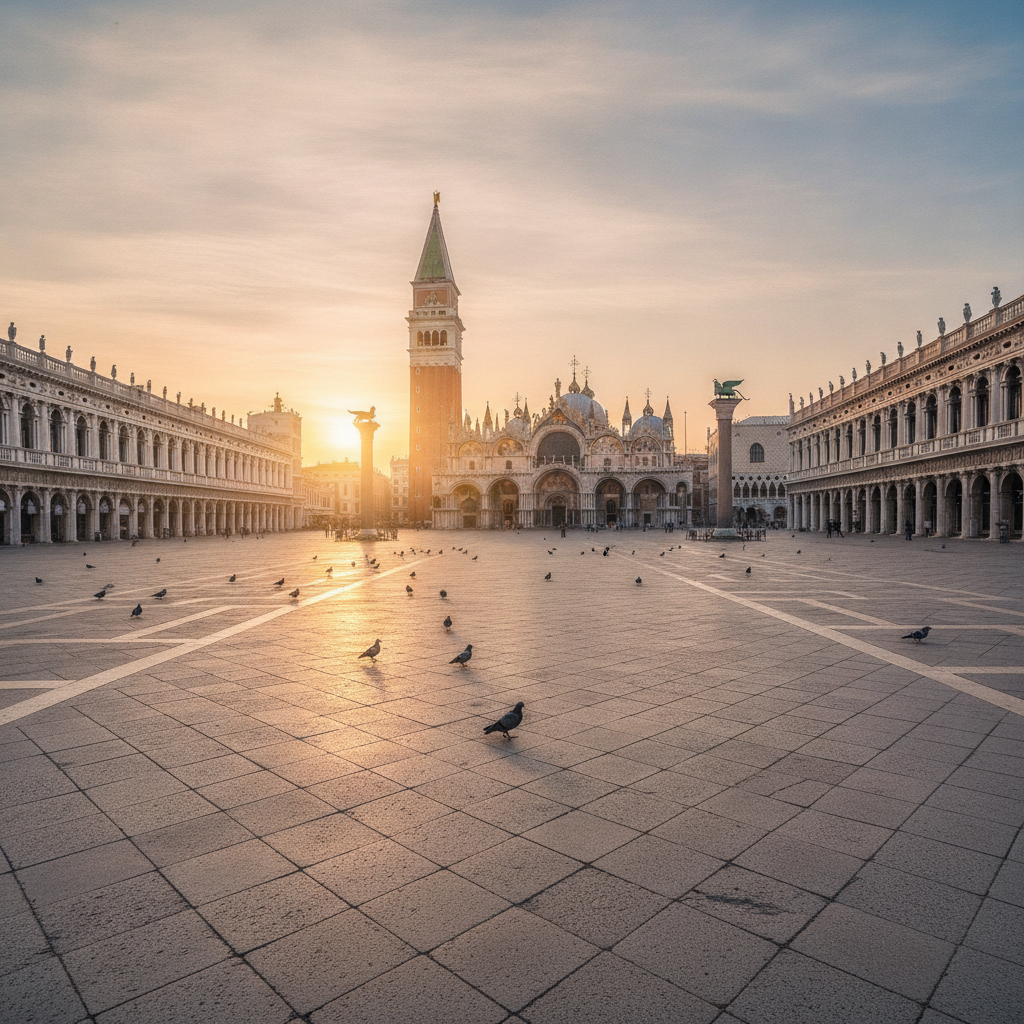
Piazza San Marco, Basilica di San Marco, Palazzo Ducale & the Campanile
The sestiere of San Marco — the administrative and ceremonial heart of the Venetian Republic for over a millennium — preserves the most concentrated ensemble of Byzantine, Gothic, and early Renaissance architecture in Europe: the Piazza San Marco (Napoleon's 'drawing room of Europe'), the Basilica di San Marco (the golden church whose mosaics cover 8,000 square metres of interior surface), the Palazzo Ducale (the Gothic palace that served as the seat of Venetian government for 500 years), and the Campanile (the 99-metre bell tower rebuilt in 1912 after its 1902 collapse) form the symbolic and physical centre of La Serenissima.
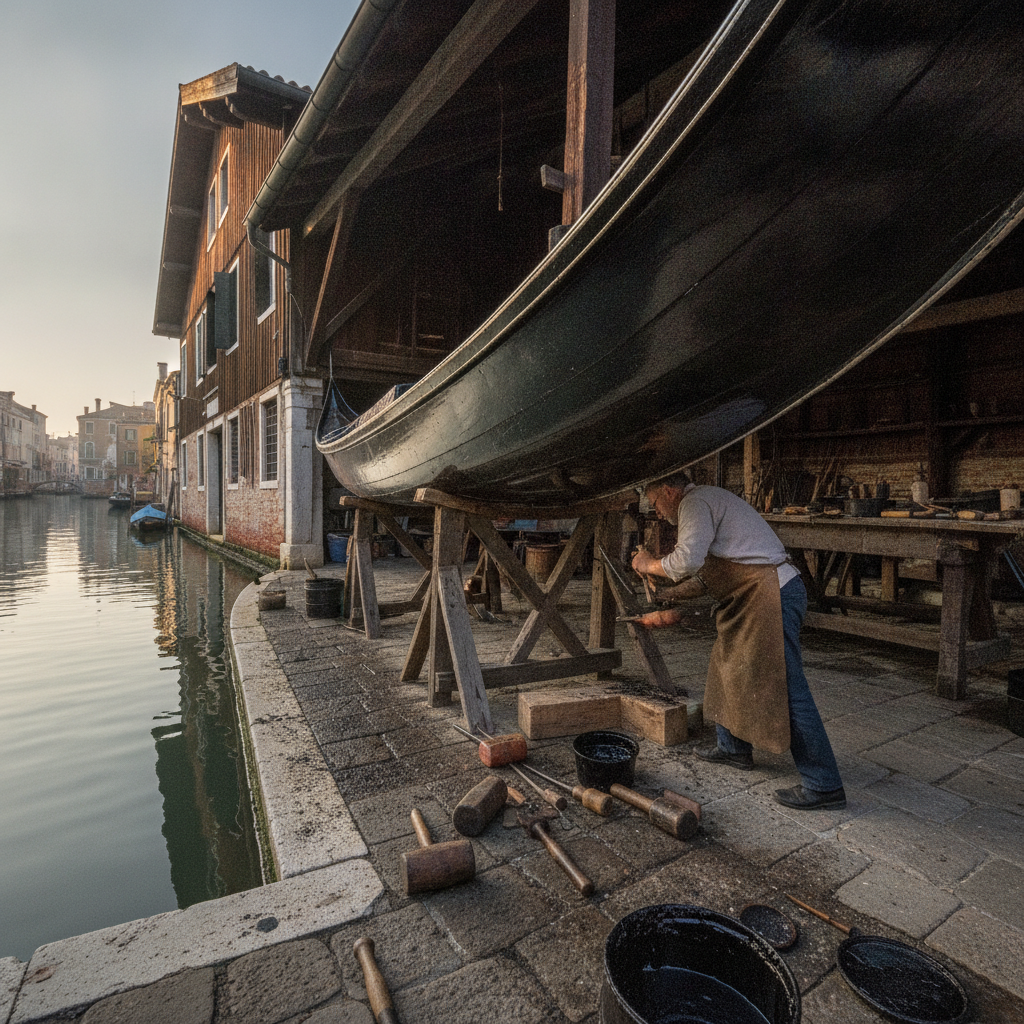
The Gondola: Squero di San Trovaso, the Traghetti & Venice's Working Watercraft
The gondola — the flat-bottomed asymmetric rowing boat that has been the primary private transport vessel of Venice since at least the 11th century — is the most recognizable symbol of the city and, in its current form, the product of a design process refined over several centuries into one of the most sophisticated purpose-built small watercraft ever created: the contemporary gondola is approximately 11 metres long and 1.42 metres wide, weighs approximately 350 kilograms, and is constructed from eight different types of wood.
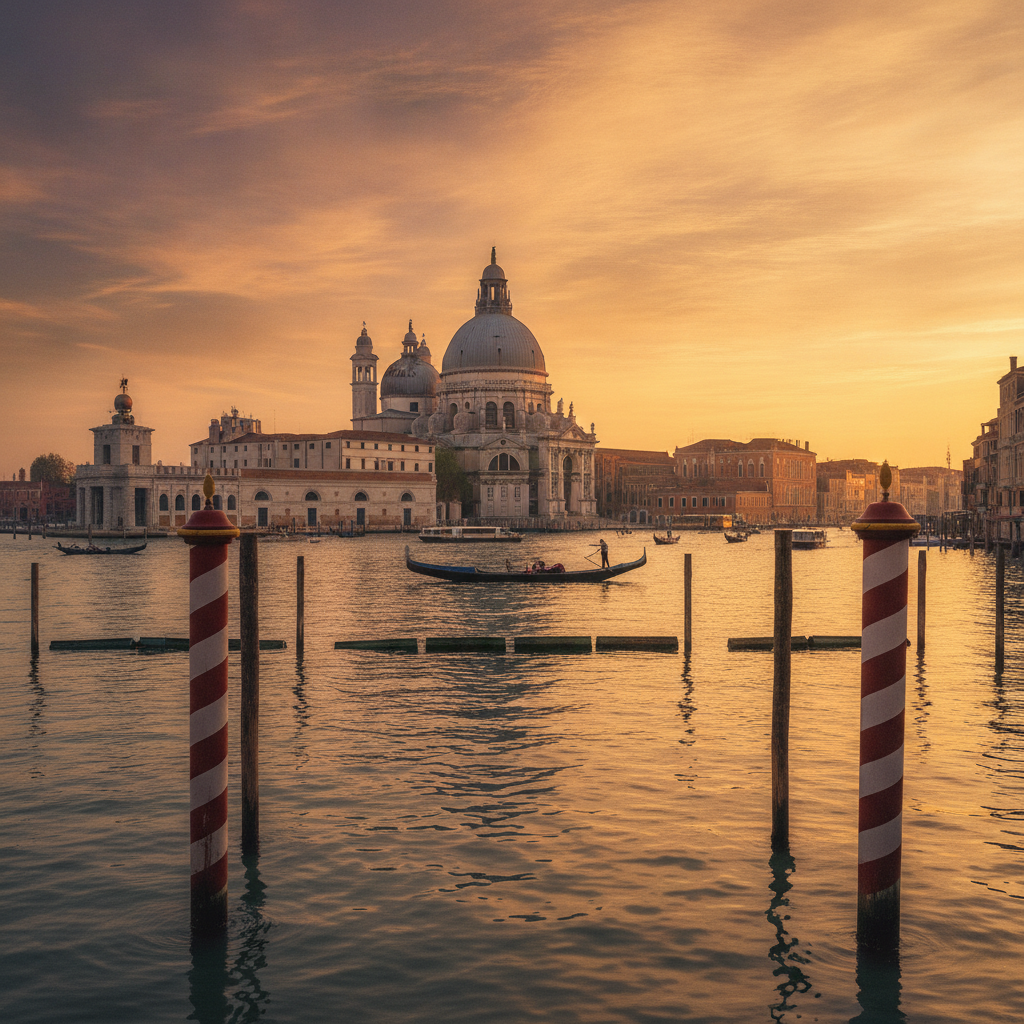
Dorsoduro: Gallerie dell'Accademia, Peggy Guggenheim Collection & Santa Maria della Salute
The sestiere of Dorsoduro — literally 'hard back' (referring to the compacted clay subsoil that made this the most stable of Venice's original islands) — is the cultural and artistic quarter of Venice, home to the two most important art museums in the city (the Gallerie dell'Accademia with the greatest collection of Venetian painting and the Peggy Guggenheim Collection with one of Europe's finest collections of 20th-century art), the most dramatic church in Venice's skyline (Santa Maria della Salute), the contemporary art space at Punta della Dogana, and the quiet waterfront of the Zattere.
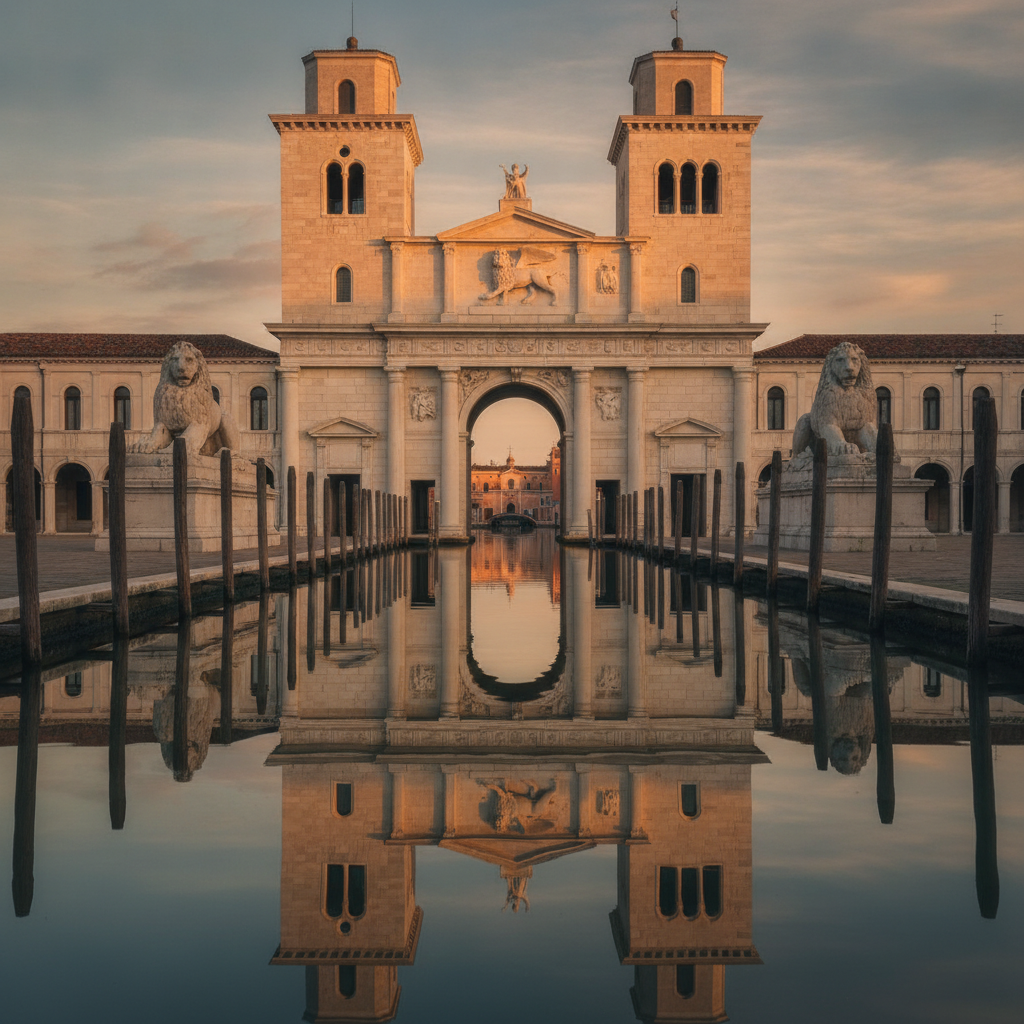
Castello Sestiere: the Arsenale, Venice Biennale Gardens & San Giovanni e Paolo
The sestiere of Castello — the largest of Venice's six districts, stretching from the area immediately east of San Marco to the eastern tip of the main island — was for five centuries the industrial heart of Venice: the Arsenale (the state shipyard established in 1104 and at its 15th-century peak employing 16,000 workers and capable of completing one warship per day) was the most advanced industrial facility in the medieval world and the foundation of Venetian naval supremacy in the Mediterranean.
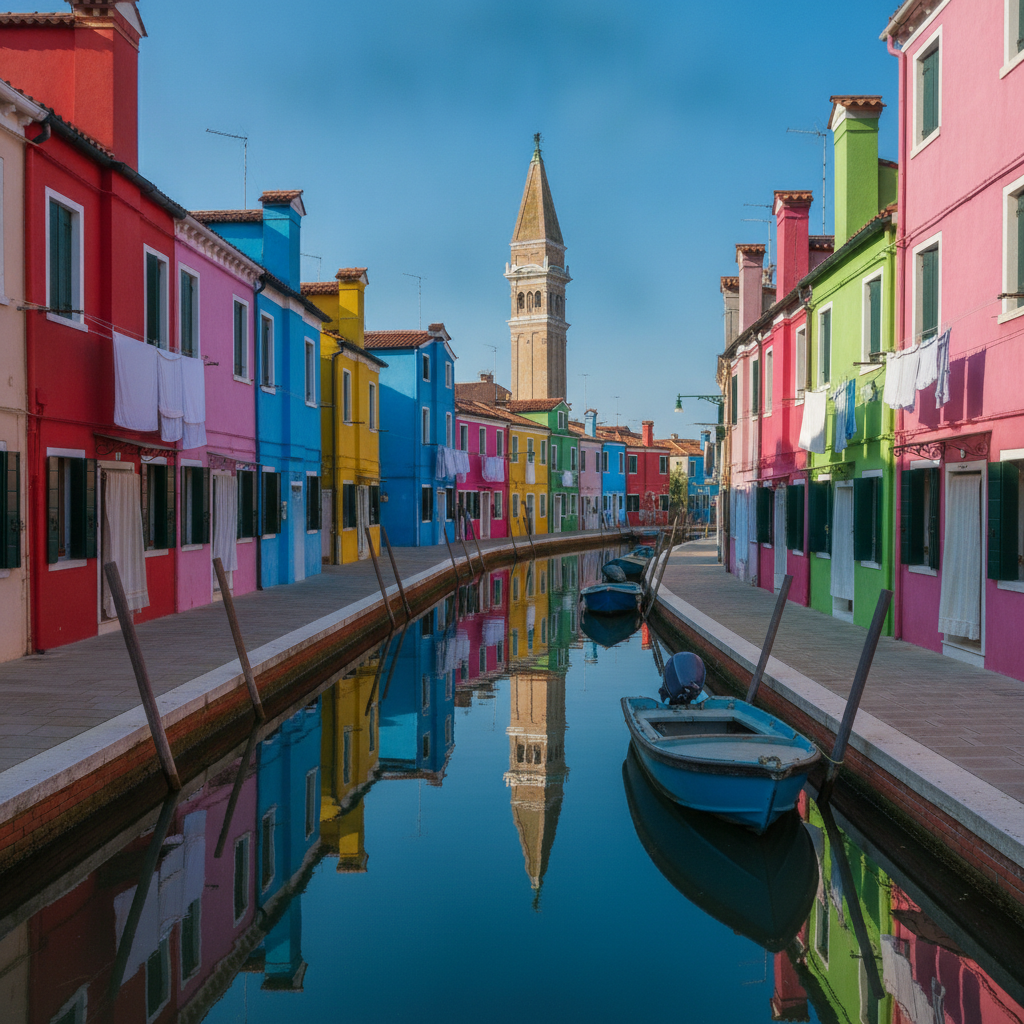
Murano, Burano & Torcello — The Venetian Lagoon Island Circuit
The Venetian Lagoon — the 550-square-kilometre shallow tidal lagoon that separates Venice from the Adriatic Sea and that has been the defining geographical and economic context of Venetian civilization for over 1,500 years — contains over 100 islands, of which three (Murano, Burano, and Torcello) have been continuously inhabited since antiquity and retain the most distinctive identities of any of the lagoon's island communities.
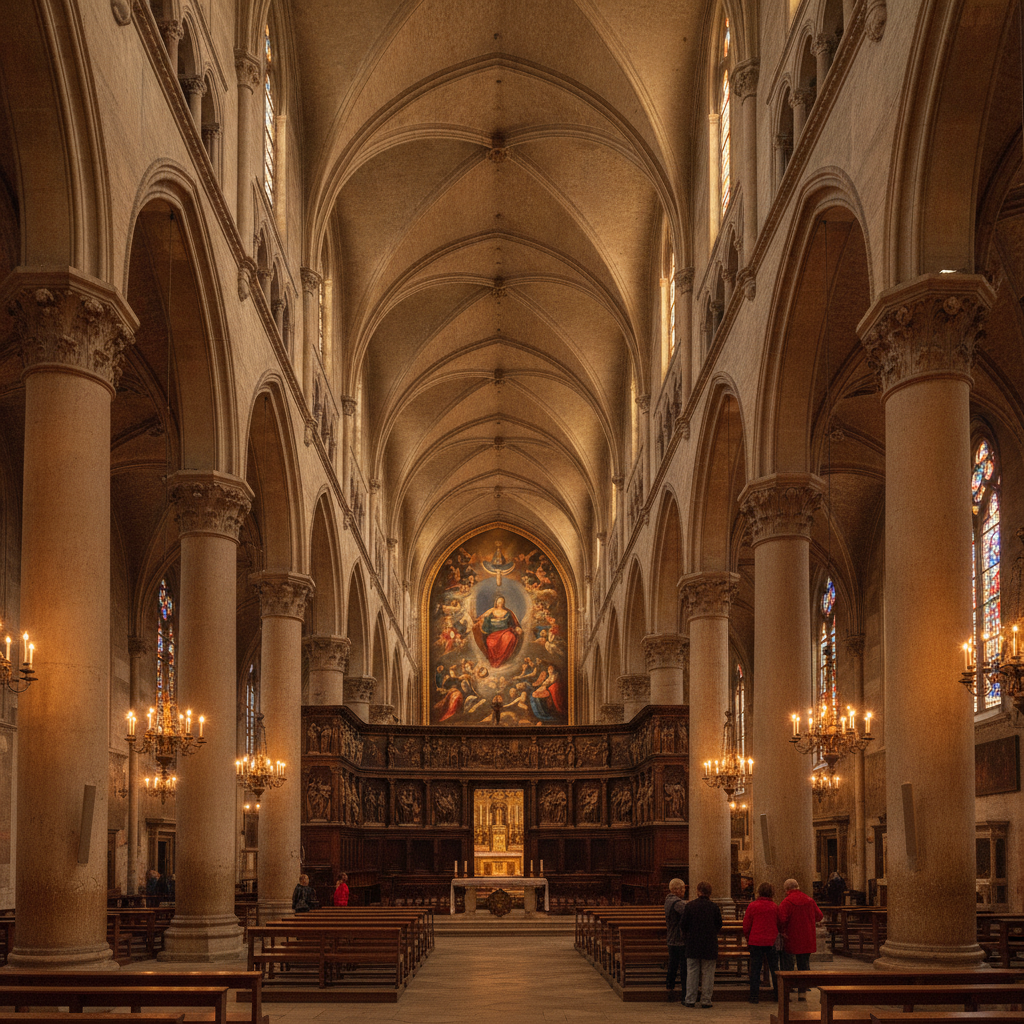
San Polo & Santa Croce: the Frari Basilica, Scuola Grande di San Rocco & Campo San Polo
The twin sestieri of San Polo and Santa Croce — the oldest continuously inhabited area of Venice, situated on the western bank of the Grand Canal loop — contain the two most important religious buildings in Venice outside San Marco: the Basilica di Santa Maria Gloriosa dei Frari (the Franciscan Gothic church containing Titian's 'Assumption of the Virgin') and the Scuola Grande di San Rocco (the confraternity building whose walls and ceilings were decorated by Tintoretto in a fifty-year programme beginning in 1564).
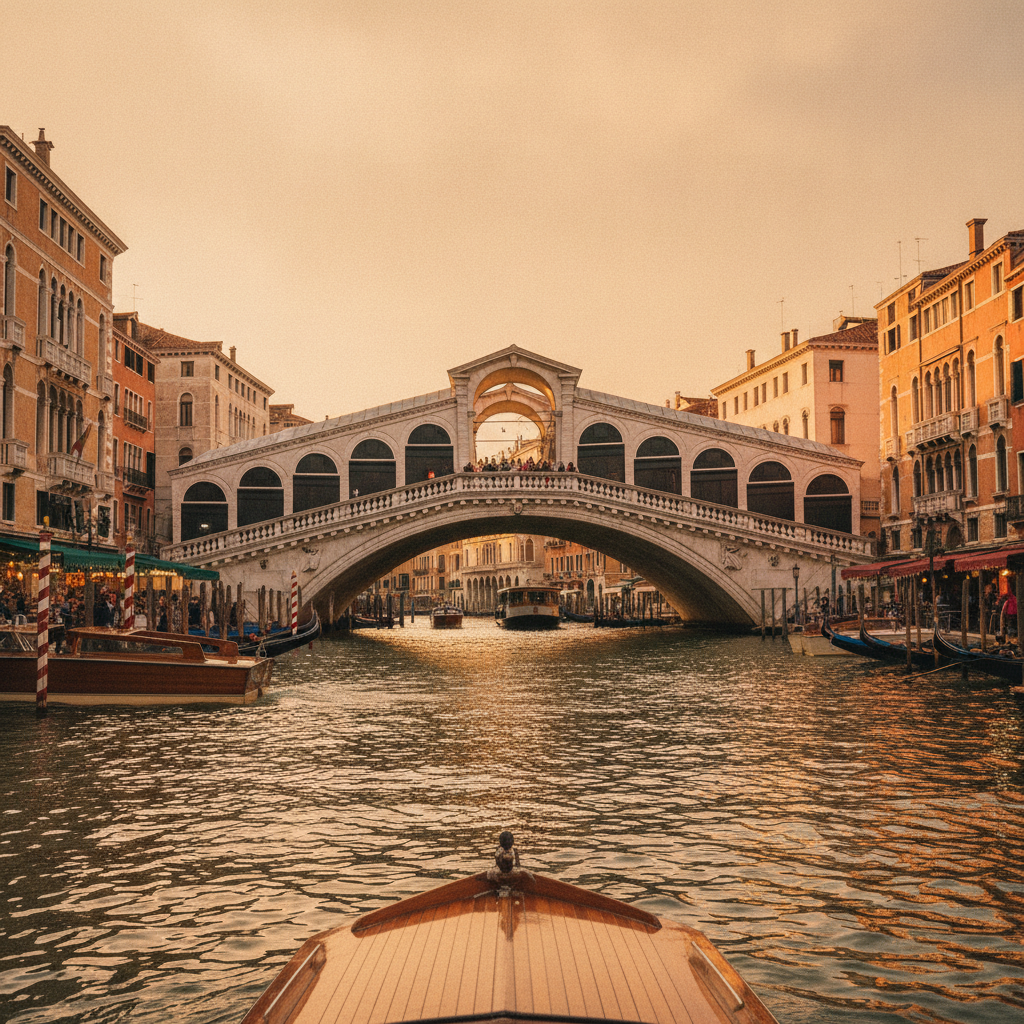
Grand Canal, Rialto Bridge, Rialto Fish Market & Venetian Palazzo Architecture
The Grand Canal — the S-shaped waterway 3.8 kilometres long and up to 90 metres wide that functions as the main 'street' of Venice, lined by over 170 buildings representing six centuries of Venetian palazzo architecture from Gothic to Baroque — and the Rialto district, which was the commercial heart of Venice from the 12th century until the fall of the Republic in 1797, together form the essential commercial and architectural spine of La Serenissima.
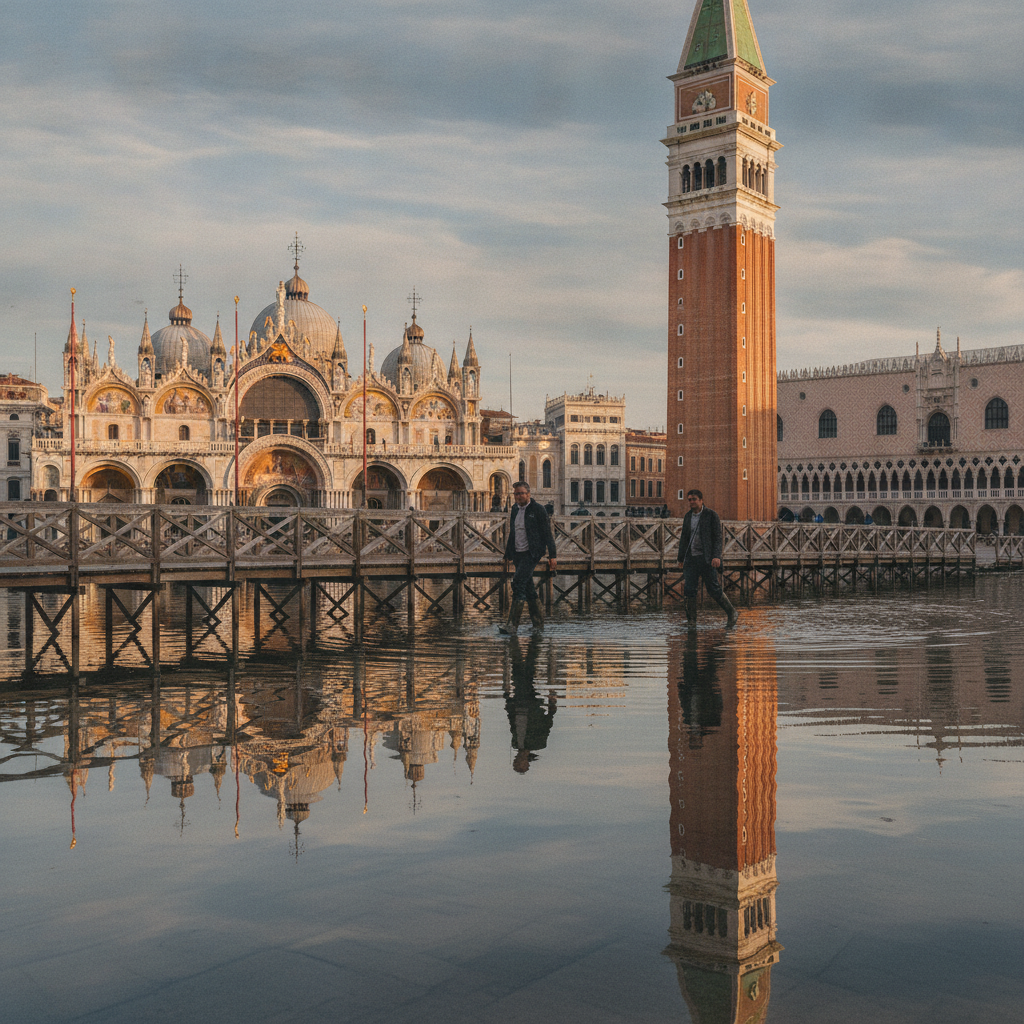
Acqua Alta, the MOSE Barrier & Venice's Relationship with the Sea
The phenomenon of acqua alta (high water) — the seasonal flooding of Venice by tidal waters that rise above the standard mean sea level and inundate the lower-lying areas of the city — is one of the defining characteristics of Venetian life, the most immediate expression of Venice's unique relationship with the sea, and the most visible symptom of the combined effects of sea level rise and land subsidence that threaten Venice's long-term survival.