Santiago
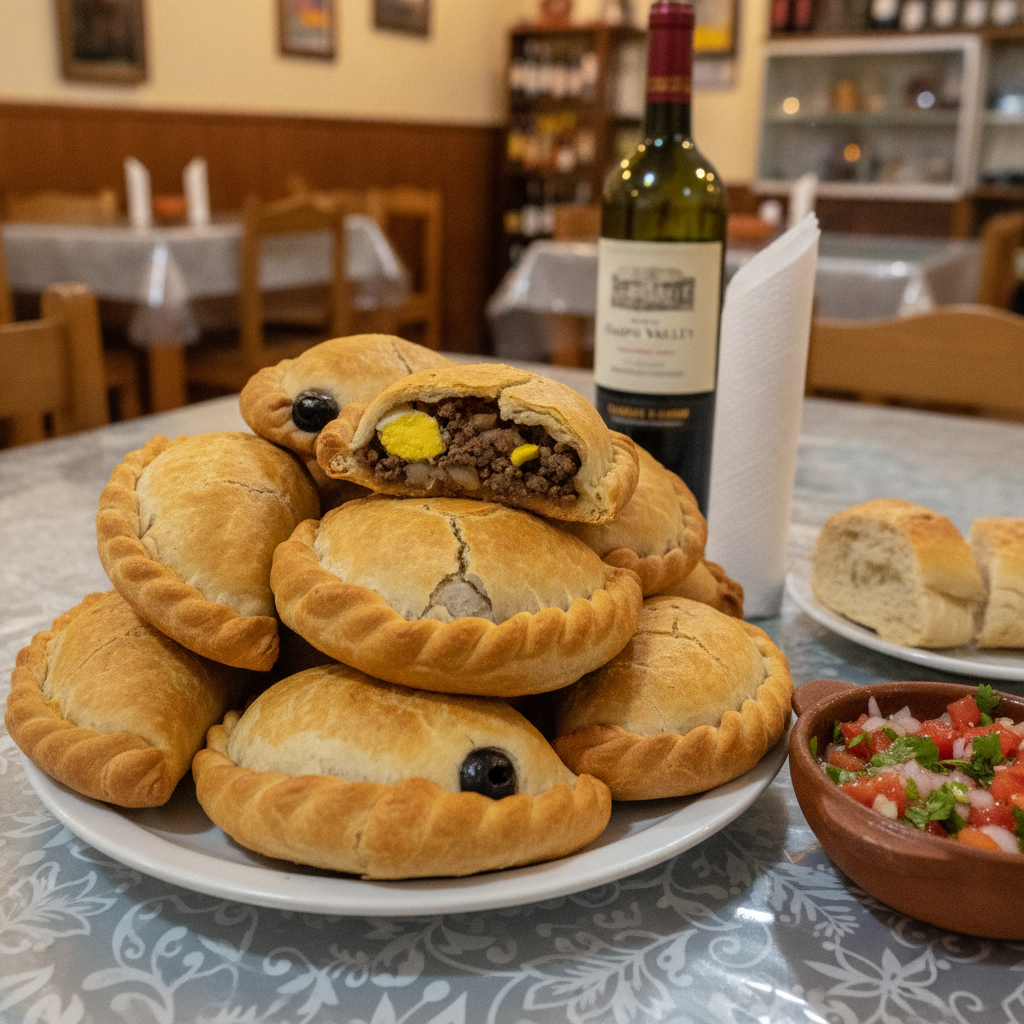
Chilean Cuisine, Empanadas & Santiago's Food Culture
Chilean cuisine (the food culture of the country that stretches from the driest desert on earth (the Atacama) to the sub-Antarctic islands of the south, with 6,435 km (3,998 miles) of Pacific coastline and the world's most diverse climate range within a single nation): Santiago's food scene encompasses the full range of Chilean regional cuisines — from the Pacific seafood of the Mercado Central to the empanadas of the fonditas, the cazuelas of the huasos, and the fine dining of the international chefs who have put Santiago on the world gastronomy map.
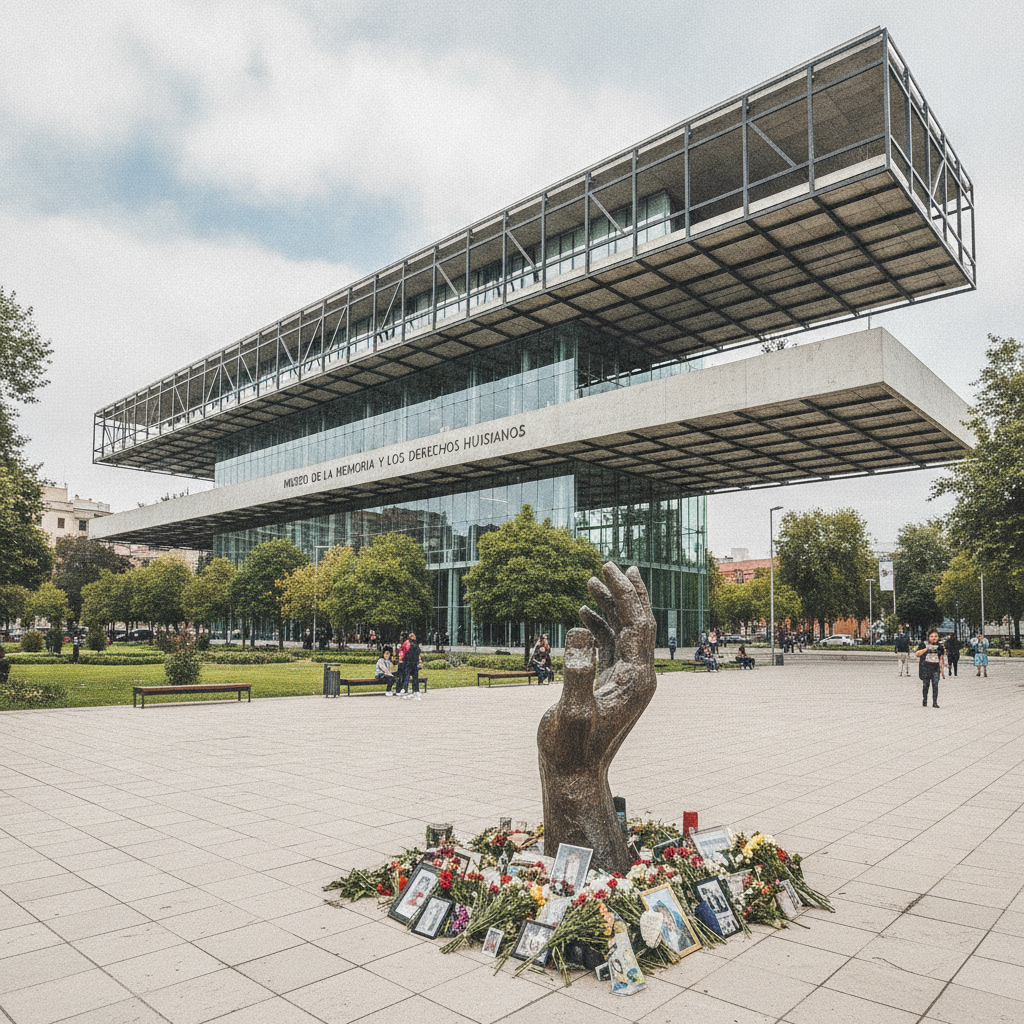
Museum of Memory, Human Rights & Chile's Democratic Recovery
The Museo de la Memoria y los Derechos Humanos (the Museum of Memory and Human Rights in Santiago — the museum dedicated to documenting the human rights violations committed by the military dictatorship of Augusto Pinochet (1973-1990)) is one of the most important human rights museums in the world and an essential part of understanding modern Chile — the country that transformed from military dictatorship to vibrant democracy in one of the most remarkable political transitions of the 20th century.
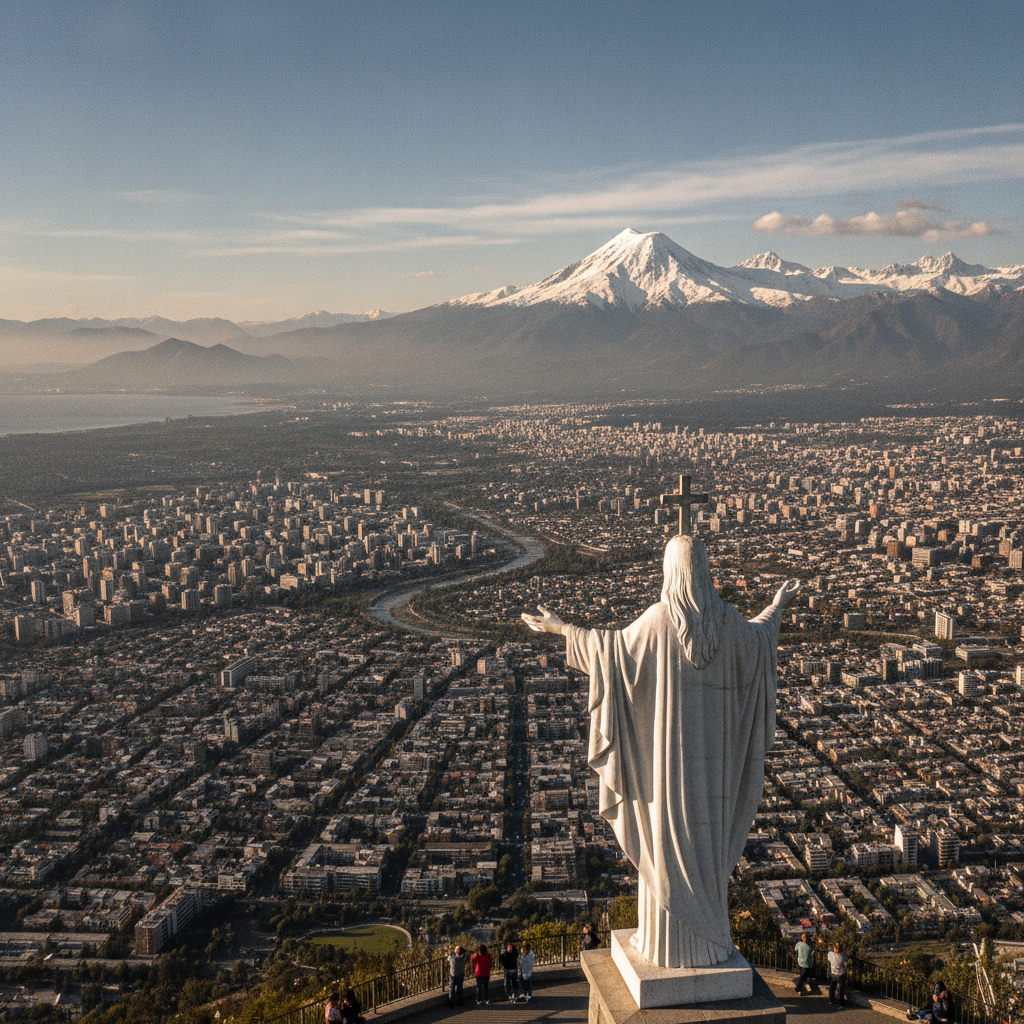
Cerro San Cristóbal, the Andes Panorama & Santiago's Natural Setting
Santiago (the capital of Chile — population approximately 7.1 million in the greater metropolitan area, the political, cultural, and economic capital of the country that stretches 4,300 km (2,670 miles) along the Pacific coast of South America): Cerro San Cristóbal (the 880-metre hill that rises above the Barrio Bellavista neighbourhood north of the city centre, crowned by the Virgen de la Inmaculada Concepción and offering the most spectacular panoramic view of the Andes Mountains of any major South American city) is the defining natural landmark of Santiago.
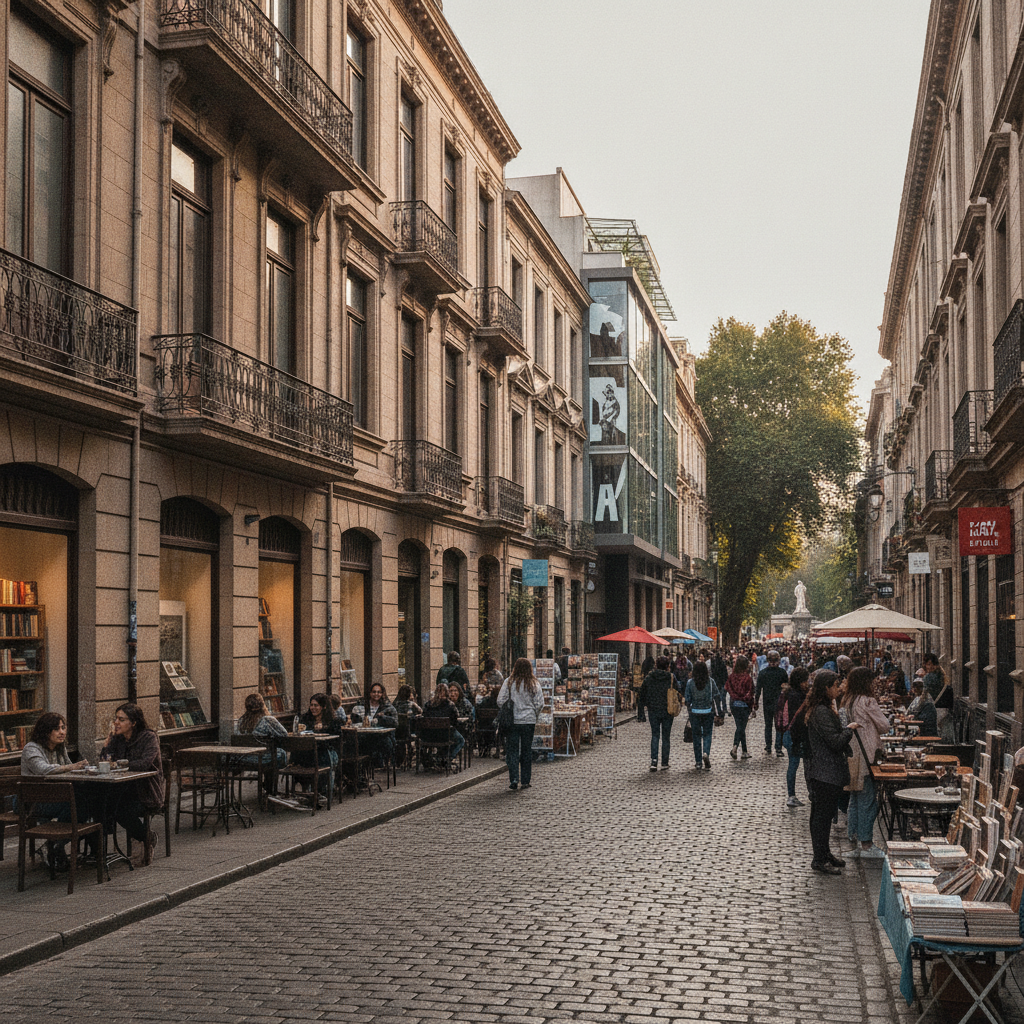
Barrio Lastarria, Bellas Artes & Santiago's Cultural Neighbourhood
Barrio Lastarria (the neighbourhood between Cerro Santa Lucía and the Parque Forestal in the Providencia commune of Santiago — the most elegant cultural neighbourhood in Chile, with its French-influenced early 20th century architecture, independent bookshops, wine bars, galleries, and the Museo de Artes Visuales) and the adjacent Barrio Bellas Artes (centred on the Museo Nacional de Bellas Artes — the National Museum of Fine Arts) together constitute the cultural heart of Santiago.
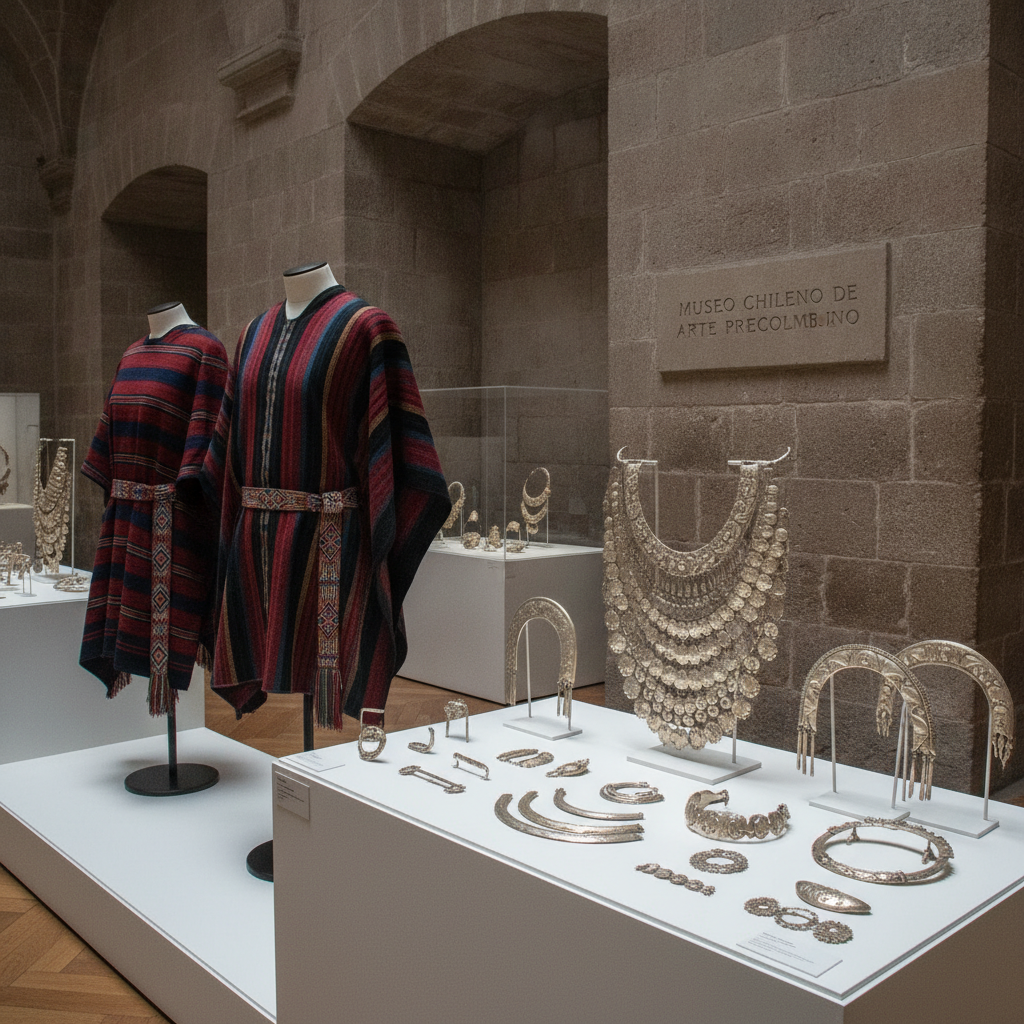
Mapuche Culture, Museo Precolombino & Chile's Indigenous Heritage
The Mapuche (the 'People of the Land' — the Indigenous people of south-central Chile and southwestern Argentina, the people who successfully resisted Spanish colonial domination for 300 years (the 'Guerra de Arauco' — the Arauco War, the longest colonial war in the history of the Americas, fought from 1536 until the Chilean state's 'Pacification of Araucanía' in 1883)) and the Museo Chileno de Arte Precolombino (the finest pre-Columbian art museum in Chile) are at the heart of understanding Chile's Indigenous heritage.
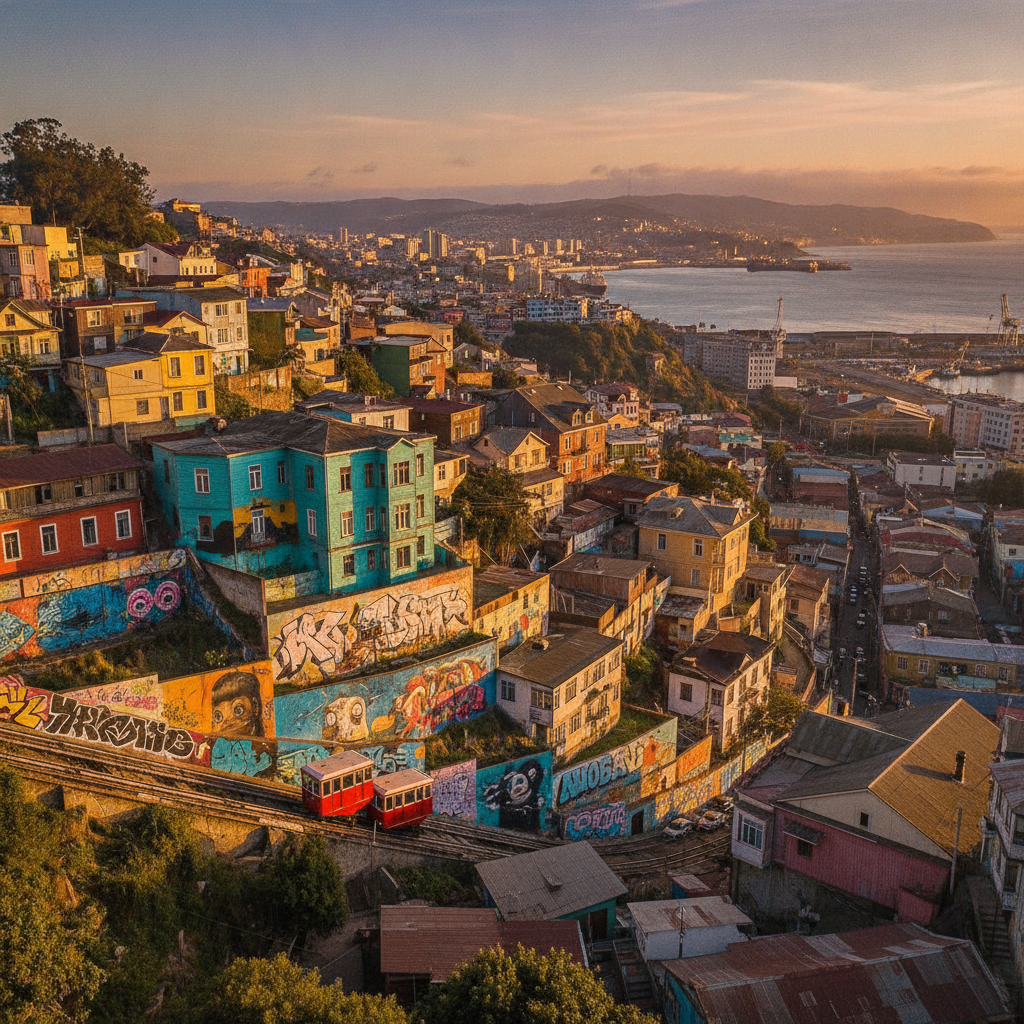
Valparaíso Day Trip — Chile's Bohemian Port City
Valparaíso (the 'Pearl of the Pacific' — the port city 115 km (71 miles) west of Santiago on the Pacific coast of Chile, the city that is the UNESCO World Heritage Site and the most bohemian and most artistically vibrant city in South America) is the most popular and most rewarding day trip from Santiago — a city of painted hills, street art, funiculars, and seafood that is unlike any other city in the world.
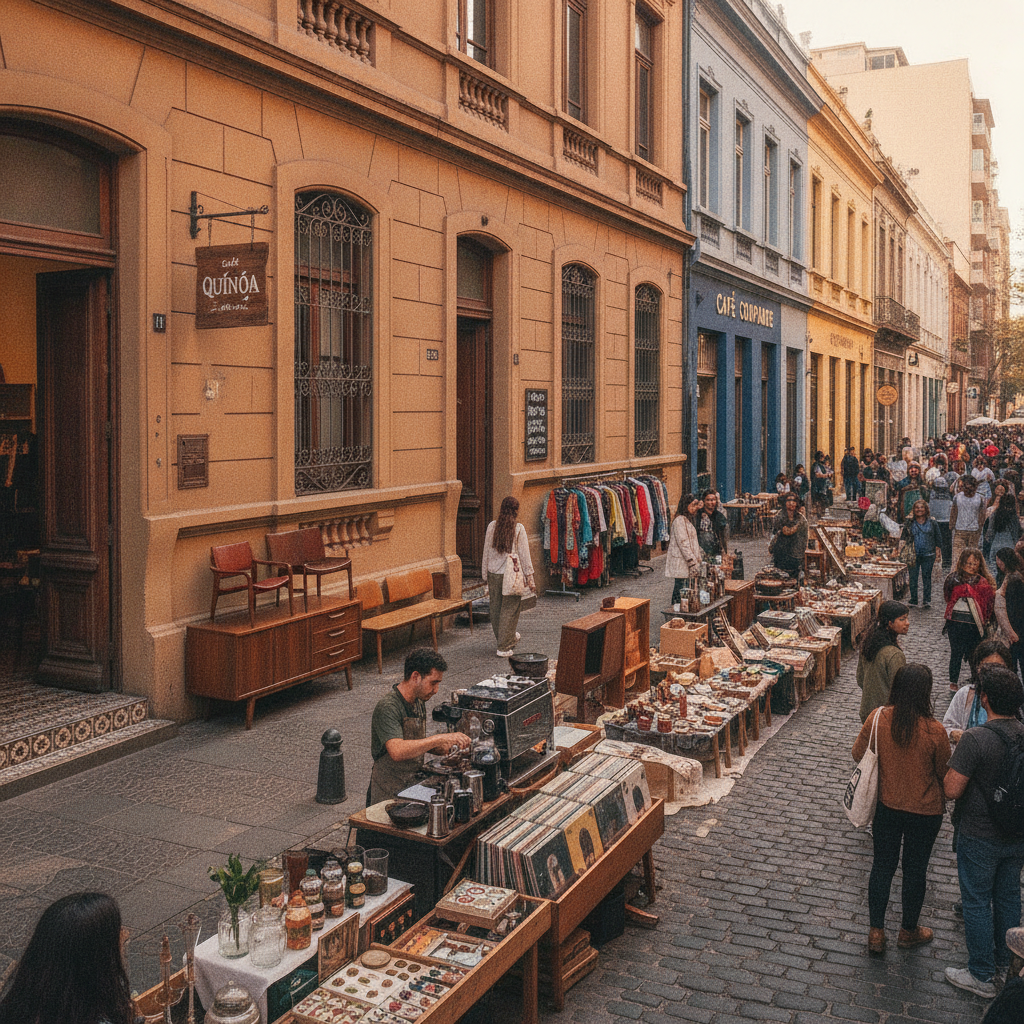
Barrio Italia, Vintage Markets & Santiago's Creative Revival
Barrio Italia (the neighbourhood in the Providencia municipality centred on the Avenida Italia and the parallel Avenida Condell — the neighbourhood that has emerged in the 2010s as the most creative and most rapidly gentrifying neighbourhood in Santiago) is the 'Brooklyn of Santiago': the neighbourhood of mid-century furniture restorers, vintage clothing shops, artisan coffee roasters, independent bookshops, and the design studios and restaurants that define Santiago's creative class.
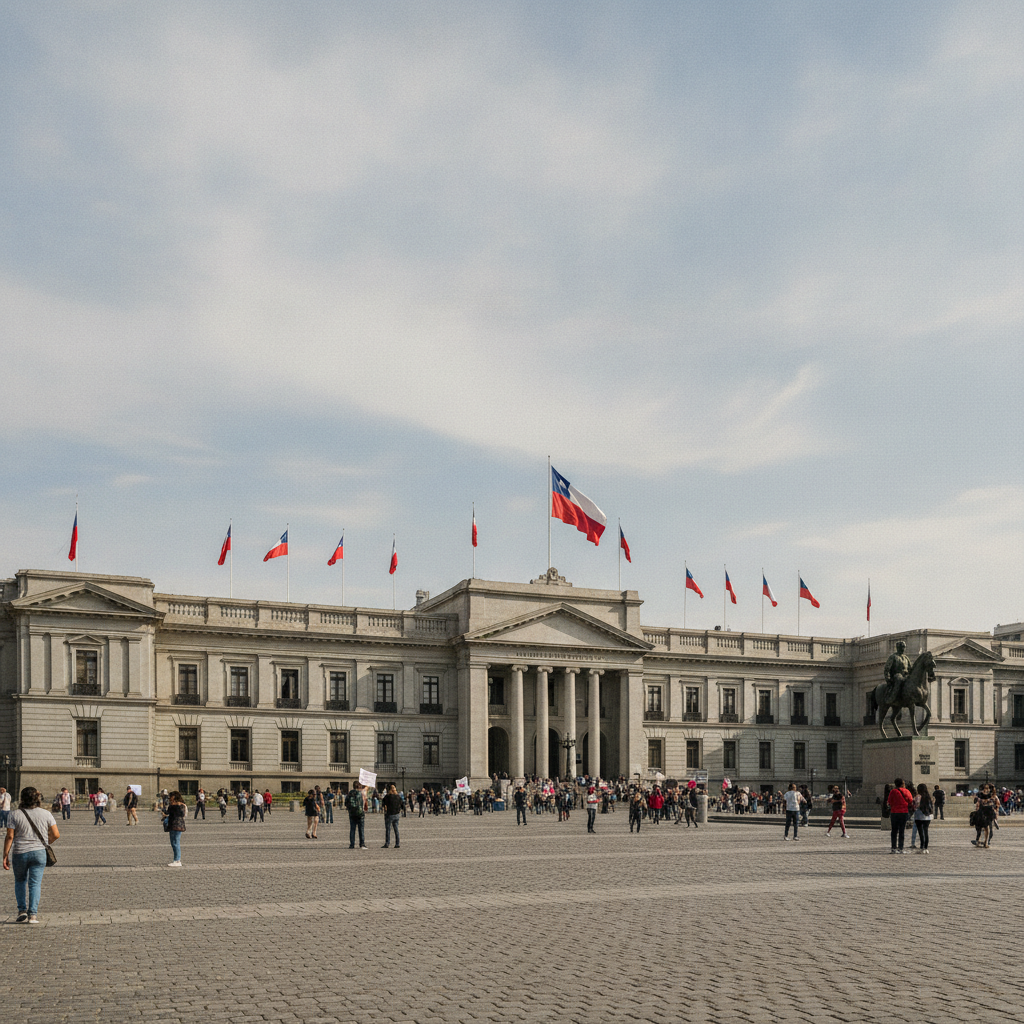
Plaza de Armas, La Moneda Palace & Santiago's Historic Core
Santiago's Plaza de Armas (the main square of the colonial city of Santiago, laid out by Pedro de Valdivia in 1541 as the centre of the new colonial settlement) and the Palacio de La Moneda (the Presidential Palace of Chile — the most important building in Chilean political history, the palace that was bombed by the Chilean Air Force during the military coup of September 11, 1973 that overthrew President Salvador Allende) are the historic and political heart of Chile.
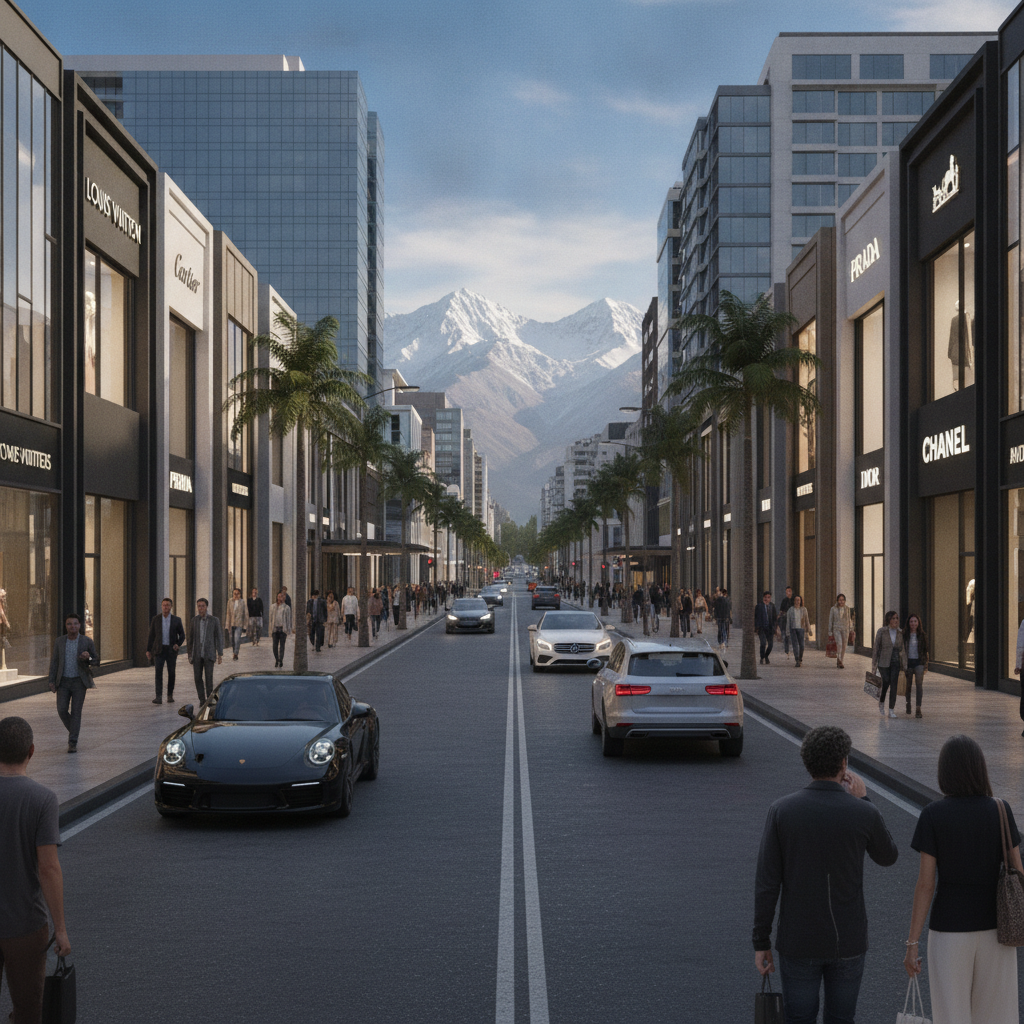
Vitacura, Alonso de Córdova & Santiago's Upscale North
Vitacura (the most affluent municipality in Chile — the neighbourhood of the luxury shopping street of Avenida Alonso de Córdova, the Parque Bicentenario, the galleries of the Barrio El Golf, and the restaurants of the Barrio Patronato) and the adjacent Las Condes ('Sanhattan') district are where Santiago's wealthiest residents live, shop, and dine.