Mumbai
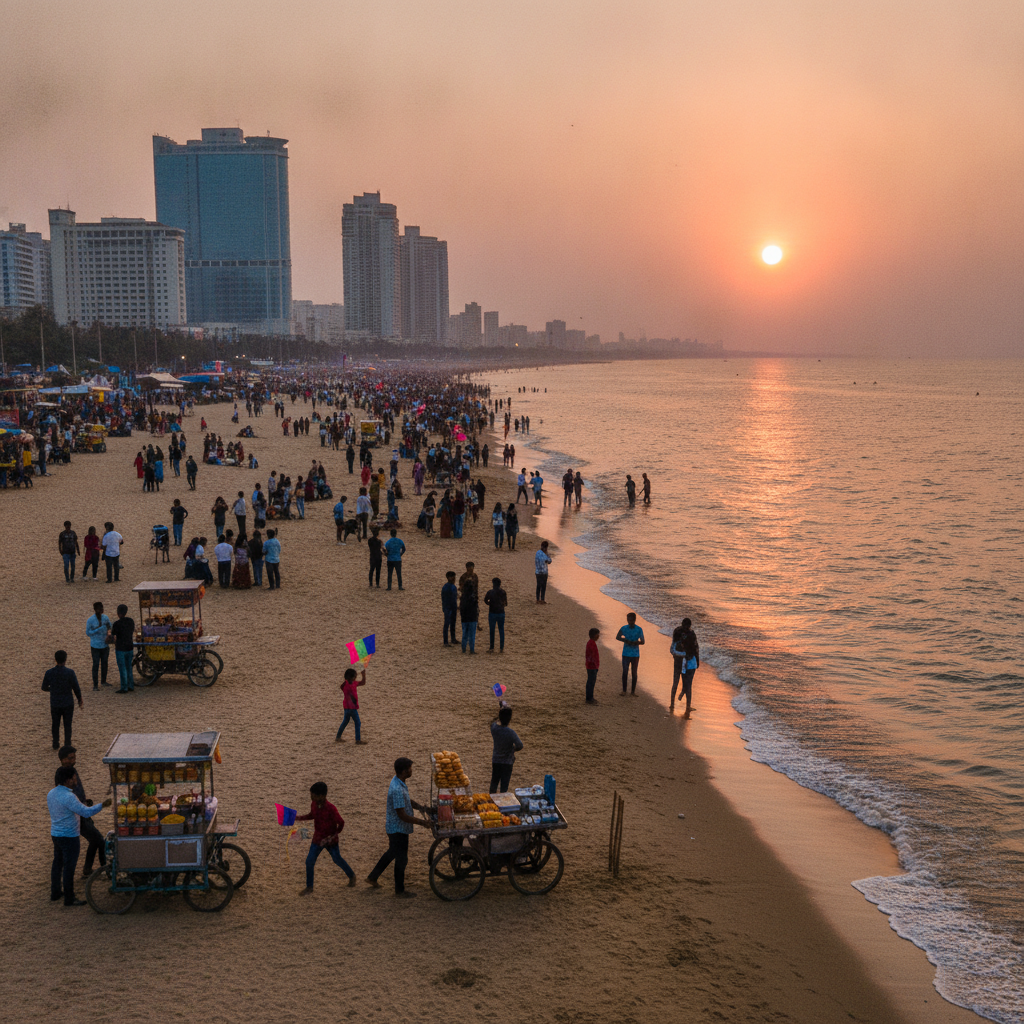
Juhu Beach, Bollywood Villas & the North Mumbai Coastline
Juhu Beach (the 6-kilometre beach in the Juhu suburb of western Mumbai, approximately 25 kilometres from the city centre — the most popular beach in Mumbai and the beach neighbourhood most associated with the Bollywood film industry, whose stars and production houses are concentrated in the adjacent Juhu and Bandra suburbs): Juhu is the beach of middle-class Mumbai, used by families, young people, and weekend visitors from across the city for street food, sand cricket, and an escape from the density of the city.
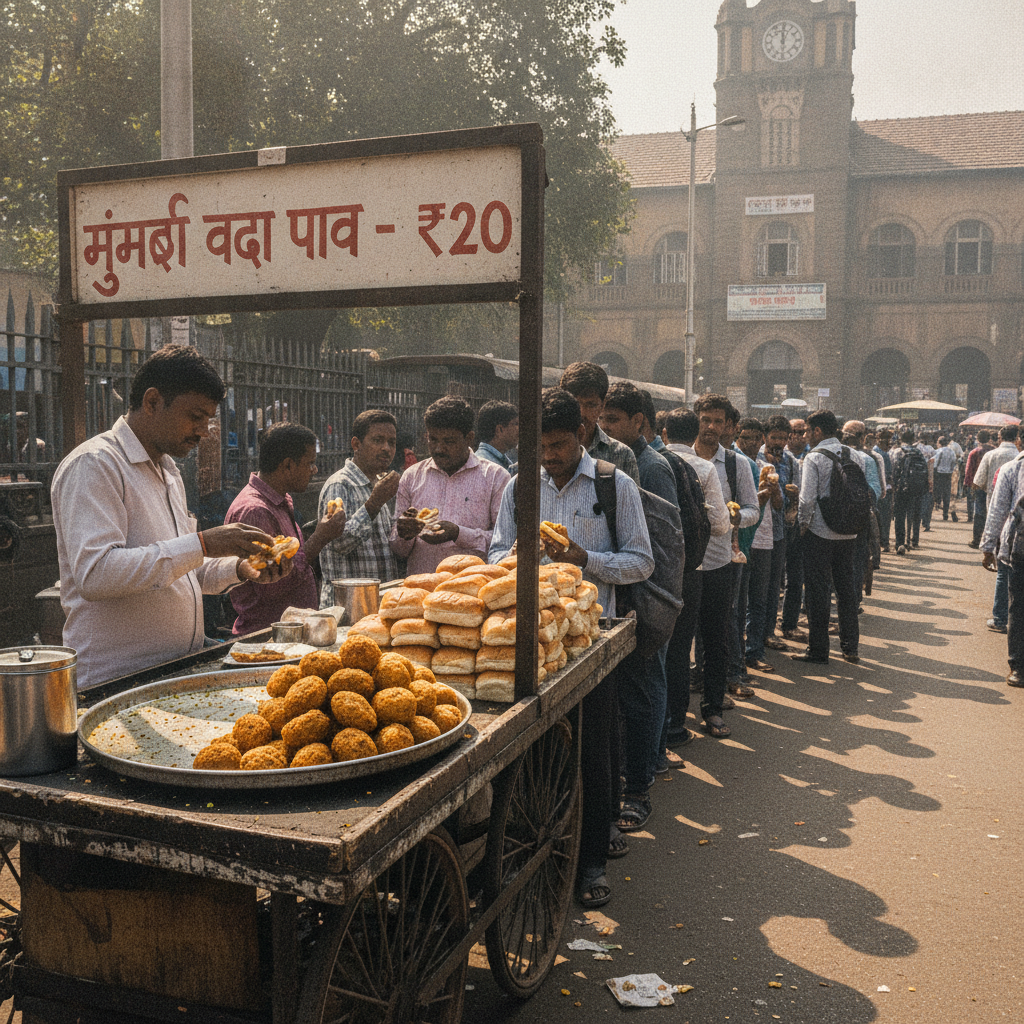
Mumbai Street Food — Vada Pav, Pani Puri, Irani Cafés & Bombay Cuisine
Mumbai street food is one of the world's great street food cultures — the city's position as the primary destination for economic migrants from across India for 150 years has created a food culture that synthesizes the culinary traditions of Maharashtra (the local state), Gujarat, Goa, Karnataka, South India, and the Muslim communities of the city, alongside the distinctive 'Bombay' fusions that emerged from this mixing; the vada pav (the Mumbai-invented spicy potato fritter in a bread roll, the city's unofficial staple food) and the pani puri (the hollow fried wheat shell filled with spiced water and tamarind chutney) are the defining street foods of the city.
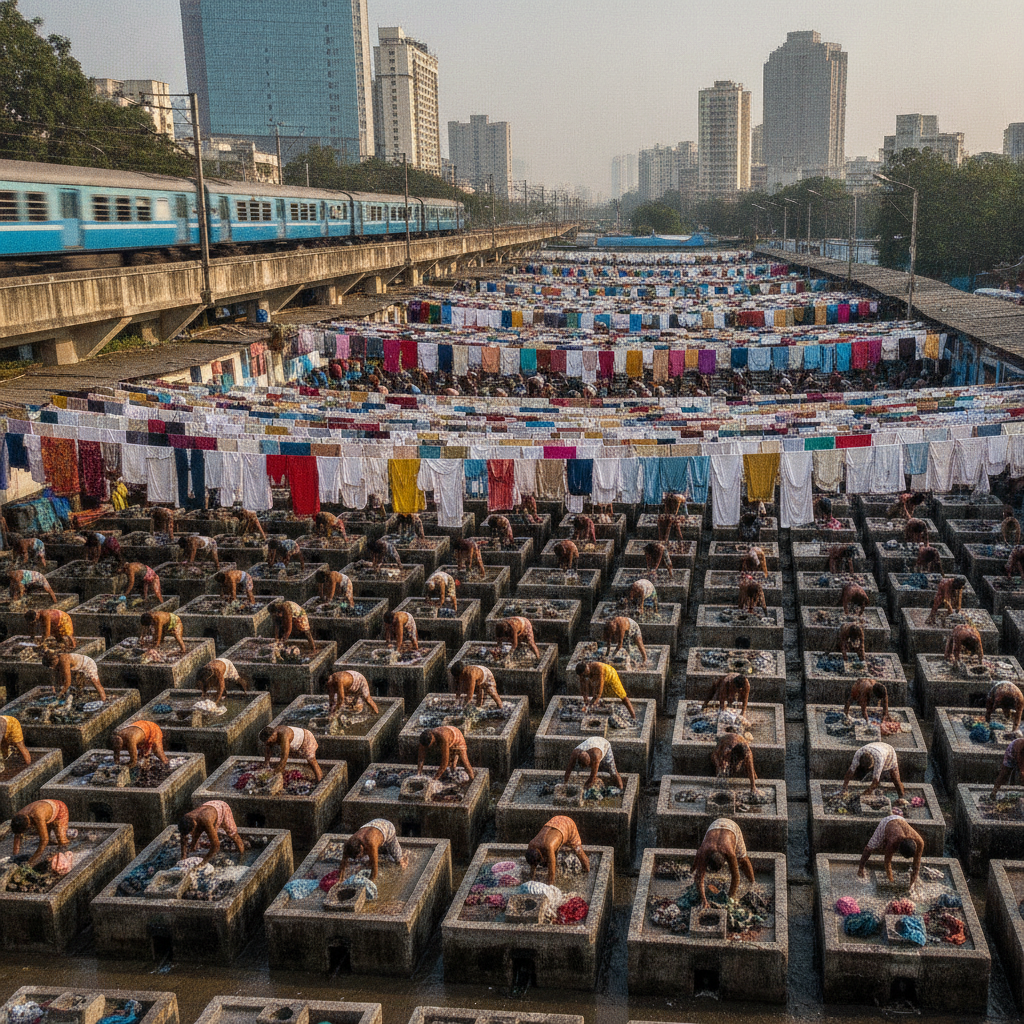
Dharavi, Dhobi Ghat & Mumbai's Local Train — City of Extraordinary Contrasts
Mumbai is a city of extraordinary contrasts — between extreme wealth and extreme poverty, between modernity and tradition, between the colonial heritage of South Mumbai and the organic urban sprawl of the northern suburbs — nowhere more visibly than in Dharavi (one of Asia's largest informal settlements, also one of Asia's most productive industrial areas), the Dhobi Ghat open-air laundry, and the legendary Mumbai local train network (the busiest commuter rail system in the world).
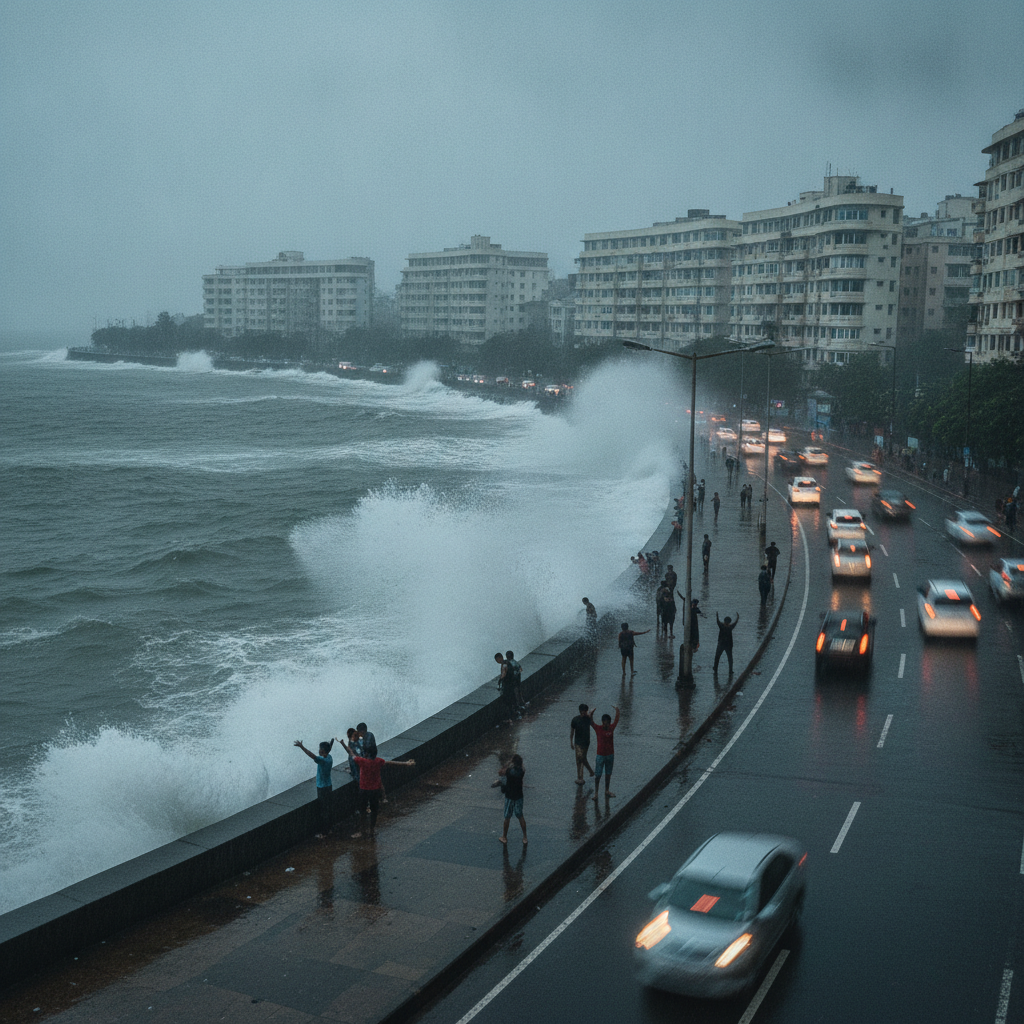
Mumbai Monsoon — The City That Celebrates the Rain
The Mumbai monsoon (the Southwest Monsoon arriving in Mumbai typically between June 5-15 and lasting until late September, bringing approximately 2,400 mm of rainfall in approximately 100 days — the defining meteorological and cultural event of the Mumbai year): Mumbai receives more rainfall in a single month (approximately 800mm in July) than London receives in a year (approximately 600mm total), and the city's relationship with the monsoon — simultaneously celebratory, resigned, and occasionally catastrophic — is central to the identity of Mumbaikars; the monsoon transforms the city: the coastline becomes dramatic with crashing waves, the national park turns impossibly green, and the streets turn into rivers.
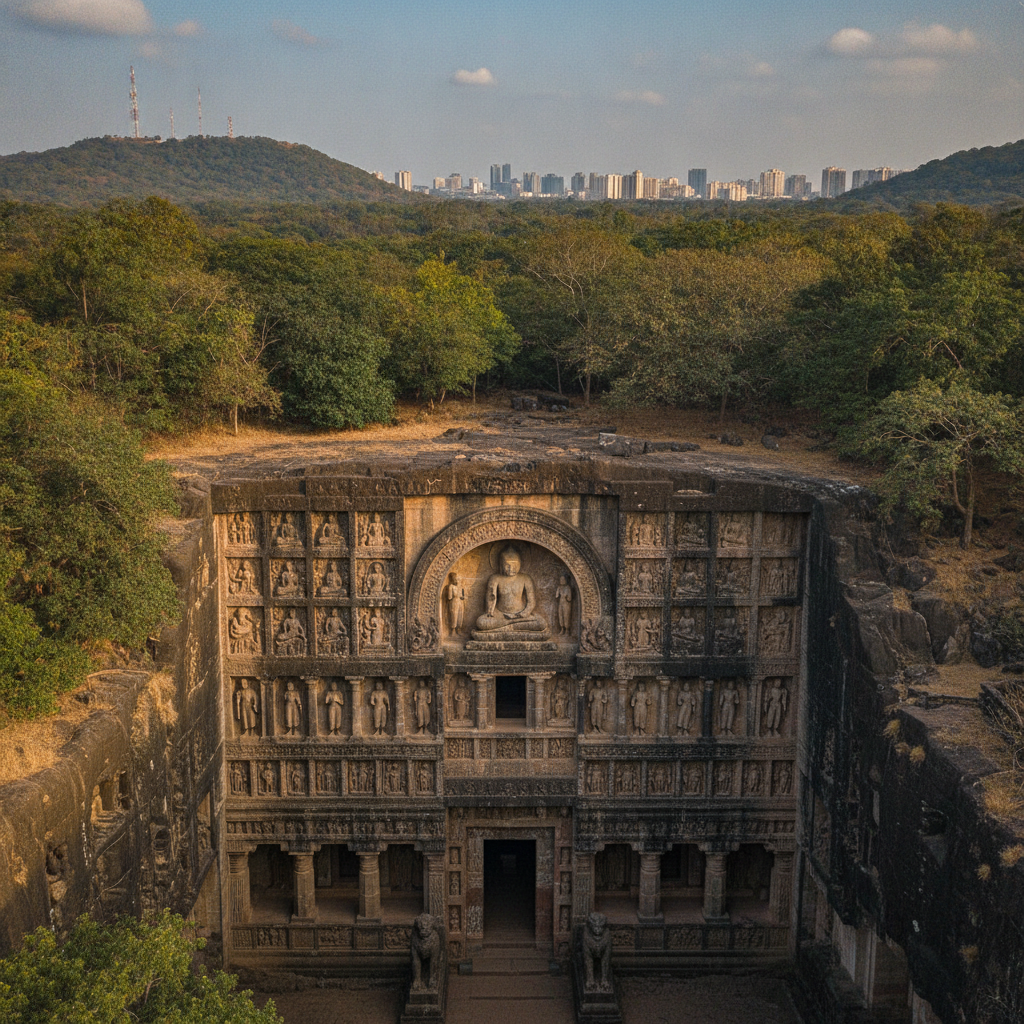
Kanheri Caves, Sanjay Gandhi National Park & Mumbai's Wild Side
Sanjay Gandhi National Park (the 104-square-kilometre national park within the Mumbai metropolitan area in the northern suburbs — one of the only national parks in the world entirely contained within a megacity, home to approximately 40-50 leopards that occasionally emerge into the surrounding suburbs at night): the park is not only a critical wildlife habitat (supporting tigers until the 1970s, and currently supporting leopards, spotted deer, sambar, barking deer, jackals, hyenas, and over 250 bird species) but also contains the Kanheri Caves — the largest Buddhist cave complex in the Mumbai region.
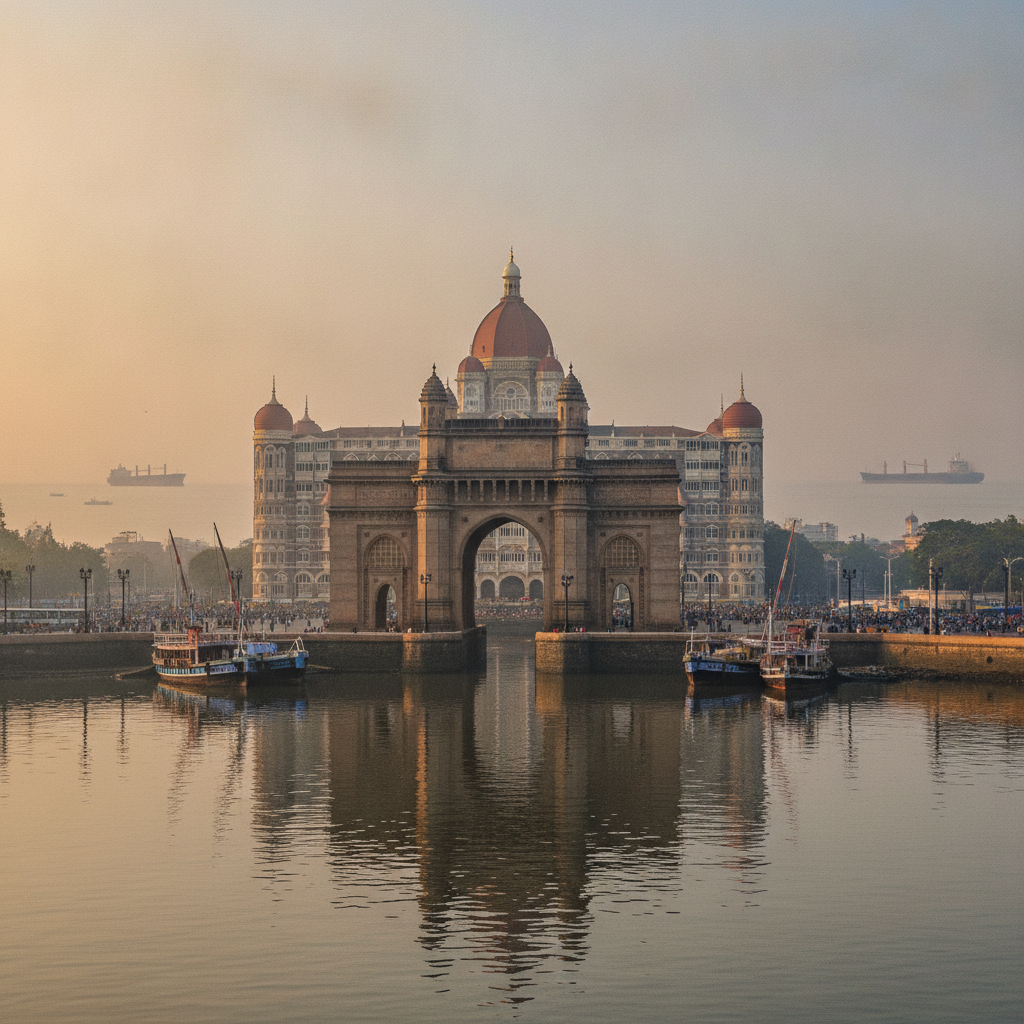
Gateway of India, the Taj Mahal Palace & Mumbai Harbour
The Gateway of India (the Indo-Saracenic triumphal arch on Apollo Bunder, completed 1924) and the adjacent Taj Mahal Palace Hotel (1903) form the most iconic ensemble in Mumbai — the symbolic entrance to the city, the historic waterfront of Colaba, and the enduring image of the colonial and post-colonial city of Bombay/Mumbai that is simultaneously the financial capital, the creative capital, and the cultural crossroads of India.
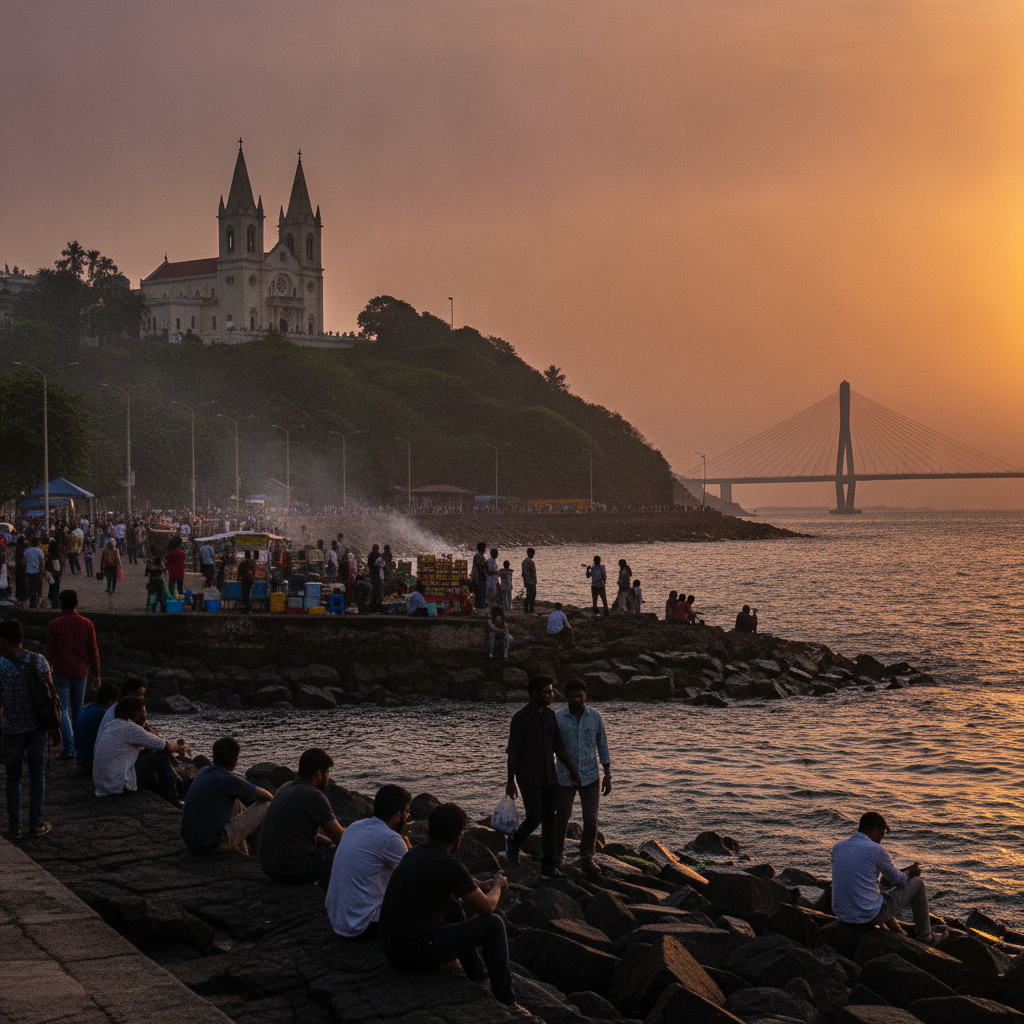
Bandra — Mount Mary Church, Bandstand Promenade & Cool Suburb Culture
Bandra (the suburb on the western coast of Mumbai north of Mahim Bay, connected to South Mumbai by the Bandra-Worli Sea Link (2009) — the most fashionable residential and entertainment suburb in Mumbai, home to the highest concentration of Bollywood stars, media personalities, and the Mumbai creative class): Bandra combines a Portuguese Catholic heritage (the neighbourhood was settled by Portuguese missionaries in the 16th century) with the contemporary cultural energy of Mumbai's most bohemian middle-class suburb.
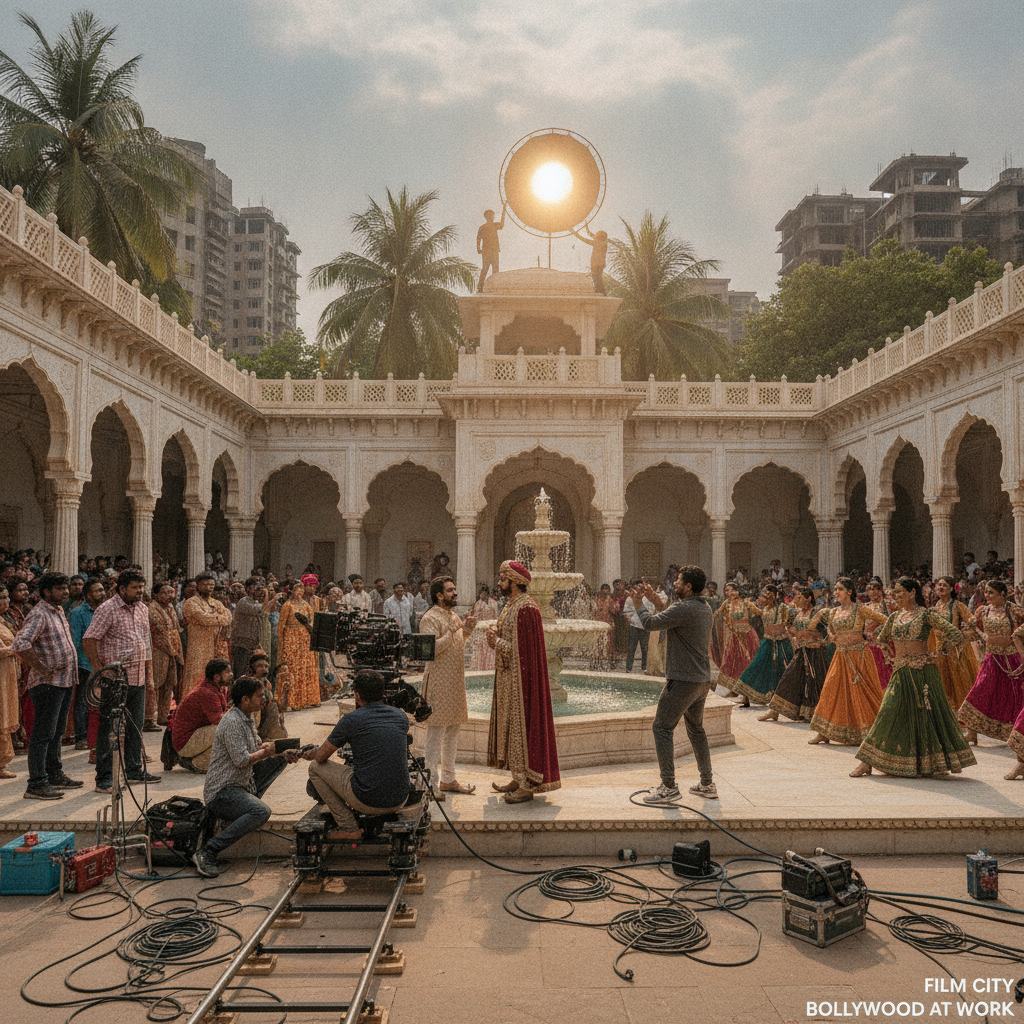
Bollywood — Film City, Studio Tours & the World's Largest Film Industry
Bollywood (the Hindi-language film industry based in Mumbai — the world's largest film industry by number of films produced annually, approximately 1,500-2,000 films per year in Hindi and regional Indian languages, compared to approximately 500-600 films per year in Hollywood): Mumbai (Bombay) is the home of the Hindi film industry since the 1930s, when the first Indian talkies were produced at the Bombay Talkies studio; today the industry generates revenues of approximately $2.5 billion annually and is watched by approximately 3.6 billion people (the largest film audience in the world).
Chhatrapati Shivaji Terminus, Art Deco Oval Maidan & Marine Drive
The Victorian Gothic and Art Deco architectural heritage of South Mumbai — the UNESCO World Heritage Victorian Gothic CST railway station (1888), the Art Deco buildings of the Oval Maidan precinct (the world's second largest concentration of Art Deco buildings after Miami Beach), and Marine Drive (the 3.6-kilometre seafront promenade known as the 'Queen's Necklace') — constitutes one of the finest urban architectural ensembles of the 19th and 20th centuries, also a UNESCO World Heritage Site since 2018.