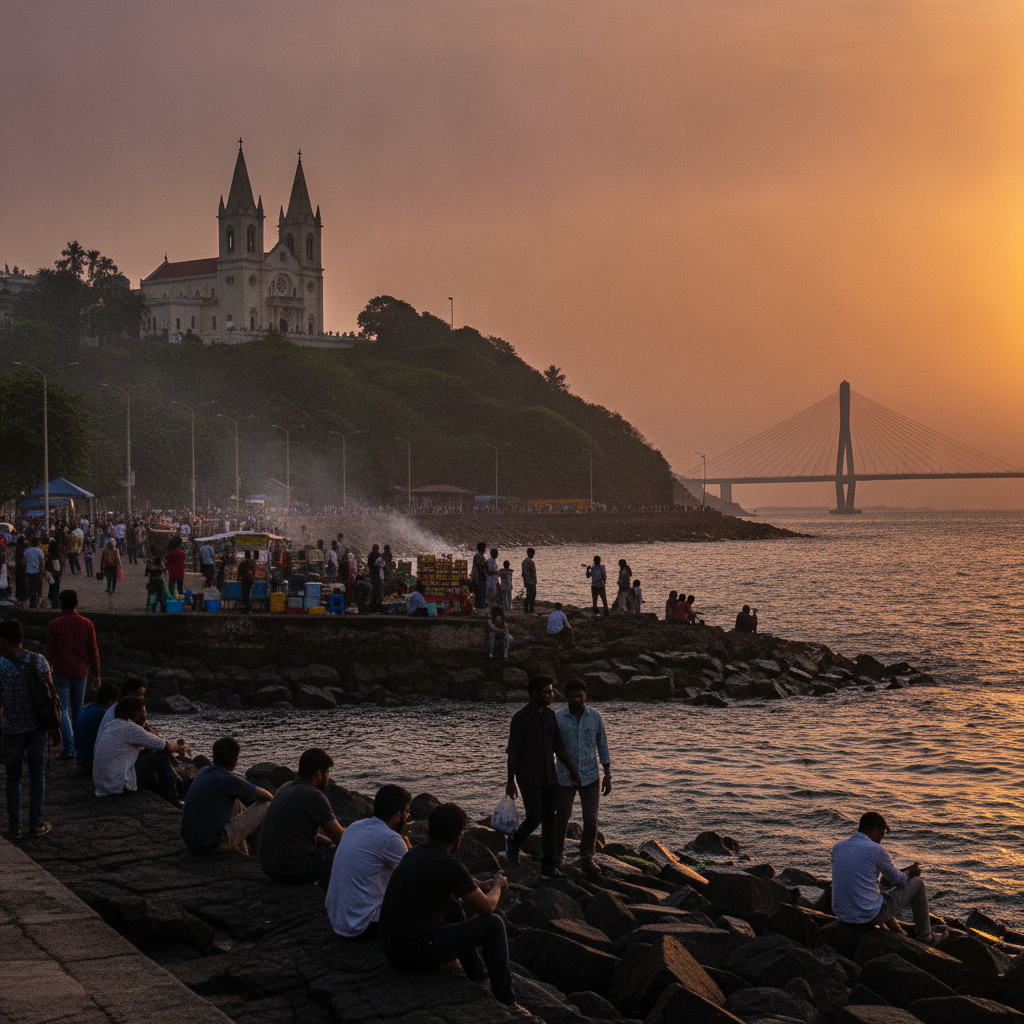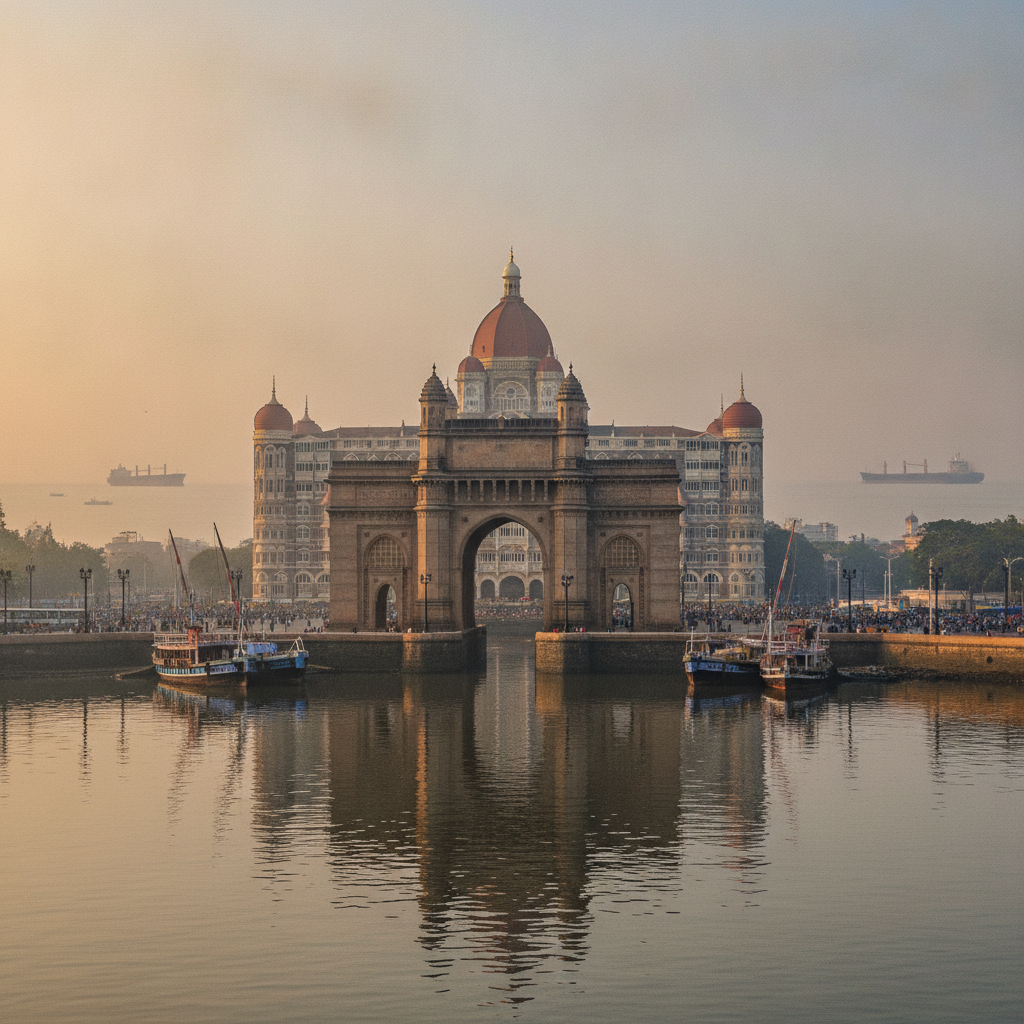
Gateway of India, the Taj Mahal Palace & Mumbai Harbour
The Gateway of India (the Indo-Saracenic triumphal arch on Apollo Bunder, completed 1924) and the adjacent Taj Mahal Palace Hotel (1903) form the most iconic ensemble in Mumbai — the symbolic entrance to the city, the historic waterfront of Colaba, and the enduring image of the colonial and post-colonial city of Bombay/Mumbai that is simultaneously the financial capital, the creative capital, and the cultural crossroads of India.
- 1
Gateway of India — The Symbolic Entrance to Mumbai
Gateway of India (Apollo Bunder, South Mumbai — the basalt triumphal arch completed December 4, 1924, designed by architect George Wittet in the Indo-Saracenic style (a fusion of Indian Mughal and colonial British Gothic architecture), 26 metres tall, facing south over Mumbai Harbour): the Gateway was originally built to commemorate the visit of King George V and Queen Mary in December 1911 (the first British monarchs to visit India), though construction was not completed until 13 years after the visit; the Gateway has a deeply ironic historical significance — it was through this arch that the last British troops formally left India on February 28, 1948, six months after independence, giving the structure a dual identity as both a monument of colonial power and a monument of national liberation; the Apollo Bunder jetty (immediately in front of the Gateway) is the departure point for ferry boats to the Elephanta Caves (Gharapuri Island, 9 km away, UNESCO World Heritage Site, containing the remarkable 6th-century rock-cut cave temples of Shiva — the finest examples of early Shaivite art in India) and the Elephanta ferry is the most popular tourist boat journey in Mumbai.
- 2
Taj Mahal Palace Hotel — The Grande Dame of Mumbai
Taj Mahal Palace Hotel (Apollo Bunder, Colaba — the landmark luxury hotel immediately behind the Gateway of India, built 1903 by Jamshetji Nusserwanji Tata (the founder of the Tata Group, the largest Indian conglomerate), designed by architect Sitaram Khanderao Vaidya and the British firm W.A. Chambers, in a fusion of Moorish, Oriental, and Florentine Gothic styles): the Taj was the first building in Mumbai to have electricity, American fans, German elevators, Turkish baths, and its own laundry; the hotel has hosted virtually every major figure in modern history — from the Beatles (who stayed in 1968 while visiting the Maharishi Mahesh Yogi in Rishikesh), to Bill Clinton, Barack Obama, the British royal family, and most major 20th-century political leaders; the hotel was the target of one of the November 26, 2008 (26/11) Mumbai terror attacks — the three-day siege of the hotel by Pakistani terrorists resulted in 31 deaths inside the building; a permanent memorial in the hotel lobby commemorates the victims; the hotel was fully restored and reopened in 2010.
- 3
Colaba Causeway — Shopping & Street Food
Colaba Causeway (Shahid Bhagat Singh Road — the 1.5-kilometre commercial street running south from the Gateway of India area through the Colaba neighbourhood, the most tourist-focused shopping and dining street in South Mumbai): the Colaba Causeway market (the street stalls and pavement vendors along the causeway) sells clothing, jewellery, handicrafts, antiques, leather goods, and tourist souvenirs at negotiable prices; the permanent shops on either side of the street include the famous Café Mondegar (the Goa-influenced café and bar famous for its Mario Miranda cartoon murals, cold beer, and rock music, a meeting place for foreigners and young Mumbaikars since 1932) and the Leopold Café (Colaba Causeway 5 — one of the oldest restaurants in Mumbai, founded 1871, another target of the 26/11 attacks (nine people killed inside the café) and now restored with bullet holes preserved in the walls as a memorial); the side streets of Colaba (particularly Mandlik Marg and the lanes around Regal Cinema) contain antique dealers, Persian and Burmese restaurants, and some of Mumbai's finest old Art Deco buildings.
- 4
Elephanta Caves — UNESCO Rock-Cut Temples of Shiva
Elephanta Caves (Gharapuri Island, 9 km northeast of the Gateway of India in Mumbai Harbour, accessible by ferry approximately 1 hour from Apollo Bunder — UNESCO World Heritage Site since 1987): the cave temples of Elephanta (principally Cave 1, the Great Cave — the most important of the seven rock-cut caves on the island) were carved from the volcanic basalt rock of the island in the 6th century CE, most likely during the reign of the Kalachuri dynasty; the primary chamber of Cave 1 (27 metres long, 27 metres wide, supported by rows of columns) contains the extraordinary Trimurti (the triple-headed bust of Shiva, 6 metres tall — the greatest single sculpture in all of Indian rock-cut architecture): the three heads represent Shiva as Creator (Brahma, the left profile, benign and gentle), Preserver (Vishnu, the right profile, composed and protective), and Destroyer (Shiva/Mahakala, the forward-facing central head, fierce and powerful); the Trimurti is considered by art historians to be one of the supreme masterpieces of Indian sculpture and of world religious art.
- 5
Mumbai Harbour — Ferries, Fishing Boats & the Arabian Sea
Mumbai Harbour (Bom Bahia — the natural harbour formed by the arc of Mumbai's coastline and the islands of the archipelago, one of the finest natural harbours on the west coast of India and the primary reason for Mumbai's development as a major port city under Portuguese (1534-1661) and then British (1661-1947) colonial rule): the harbour is simultaneously a working port (Mumbai Port is the second busiest port in India, handling approximately 70 million tonnes of cargo per year), a fishing harbour (the koli fishing community — the original inhabitants of Mumbai, who have fished the harbour for at least 2,000 years — still fish the harbour with traditional boats and sell their catch at the Sassoon Docks fish market (Colaba), where the morning fish auction (approximately 6-9am) is one of the most viscerally atmospheric scenes in Mumbai), and a recreational waterway (the harbour ferries connecting South Mumbai to Elephanta, Mandwa, and Alibaug are extensively used by both tourists and daily commuters).
- 6
Sassoon Docks & the Koli Fishing Heritage
Sassoon Docks (the historical fish market at Colaba, the oldest wet dock in Mumbai, built 1875 by Sassoon & Co., the Jewish merchant family): the Sassoon Docks morning fish market (operating approximately 5:30am-9am daily) is one of the most atmospherically intense markets in India — the dock fills with hundreds of fishing boats unloading the night's catch, the fish laid out on the wet concrete in vast quantities (pomfret, surmai (kingfish), bombil (Bombay duck), squid, crabs, and dozens of species of local fish), buyers and sellers in animated negotiation, the smell of the sea and the fish overwhelming, fishing nets being repaired on the boats, the koli fisherwomen (kolins) in their distinctive colourful saris sorting and pricing the catch — the one scene in South Mumbai that remains completely unchanged from the pre-colonial fishing village that preceded the great colonial city of Bombay.
Walk this route with audio
Stories play automatically as you reach each stop — no tapping needed.
More in mumbai
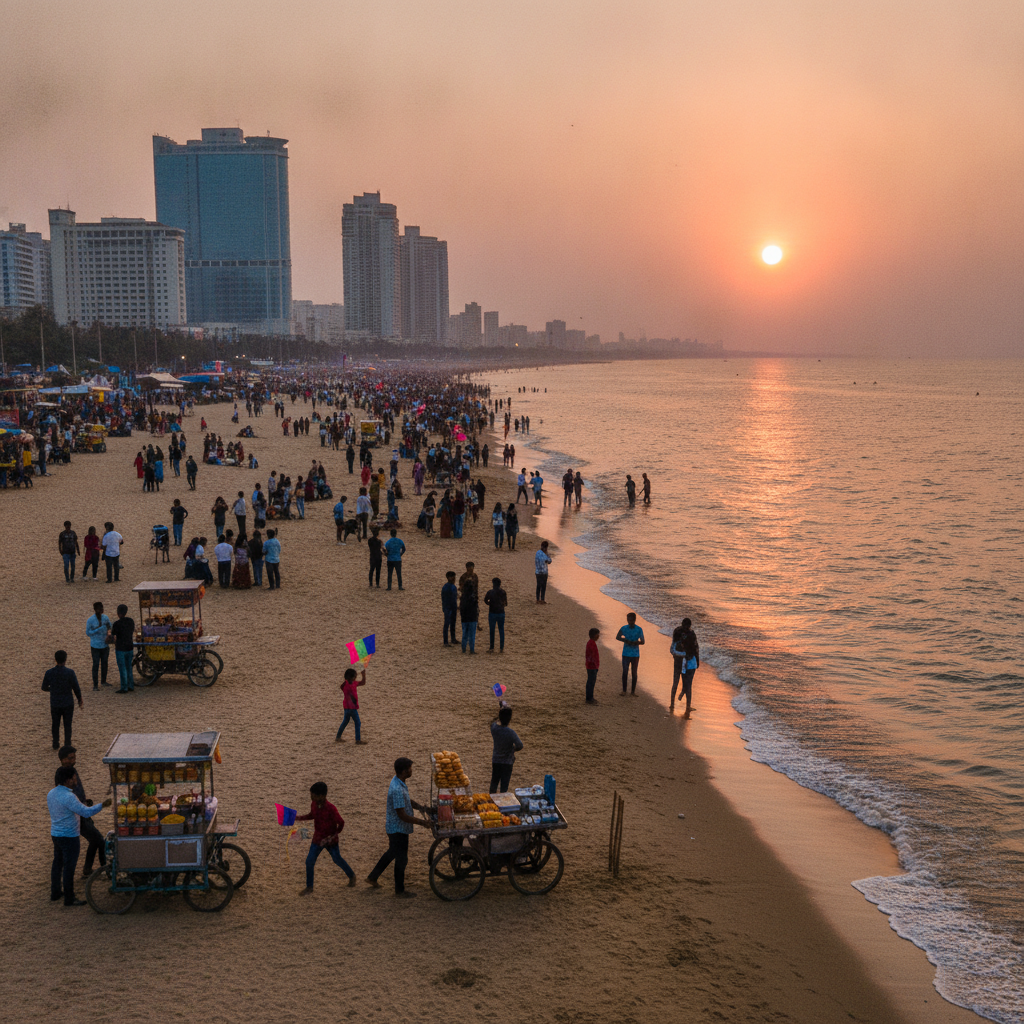
Juhu Beach, Bollywood Villas & the North Mumbai Coastline
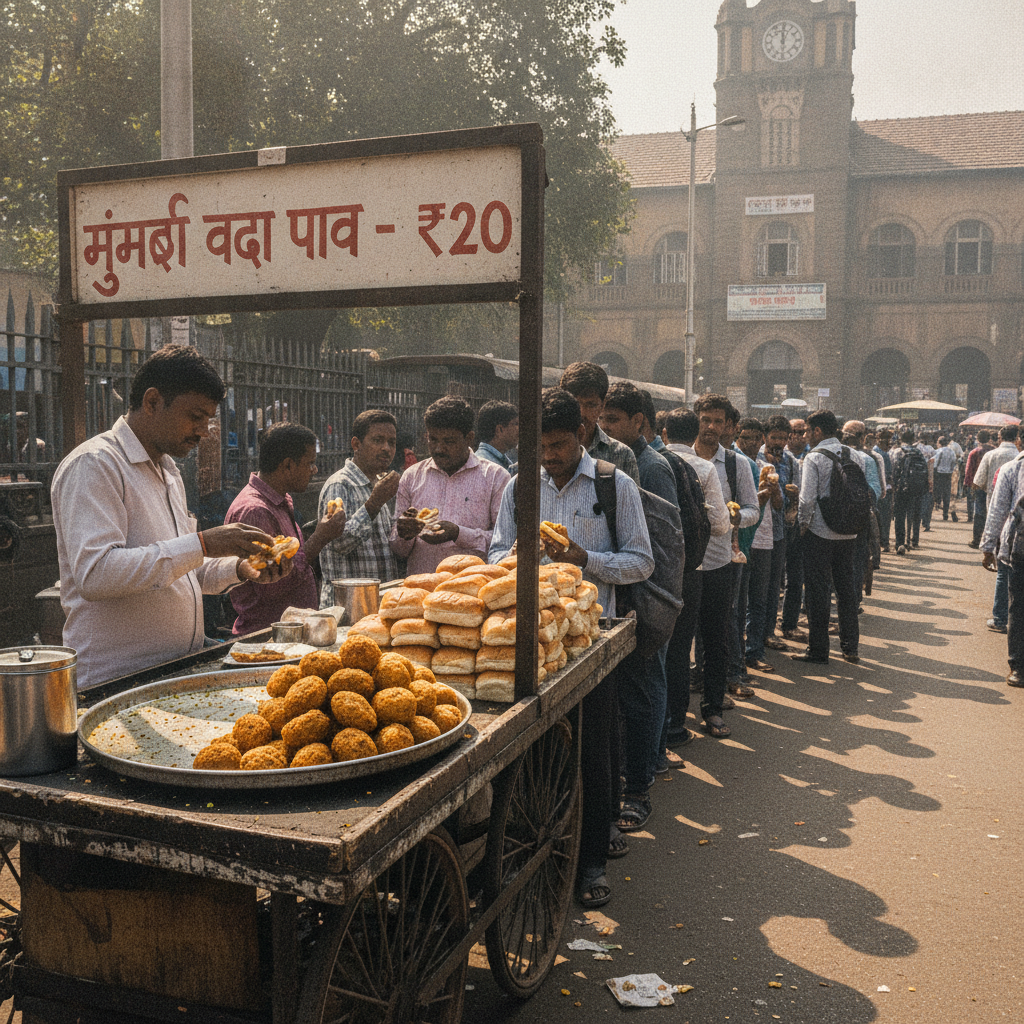
Mumbai Street Food — Vada Pav, Pani Puri, Irani Cafés & Bombay Cuisine
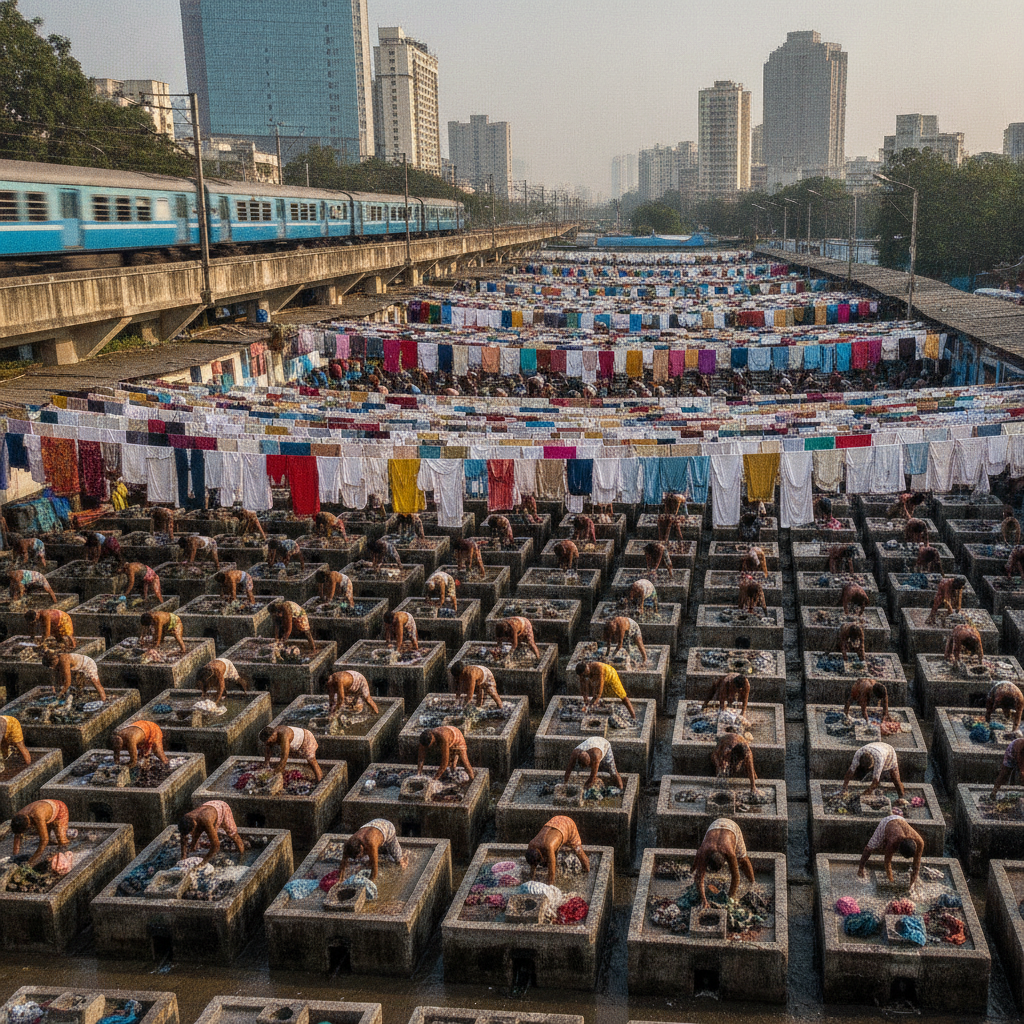
Dharavi, Dhobi Ghat & Mumbai's Local Train — City of Extraordinary Contrasts
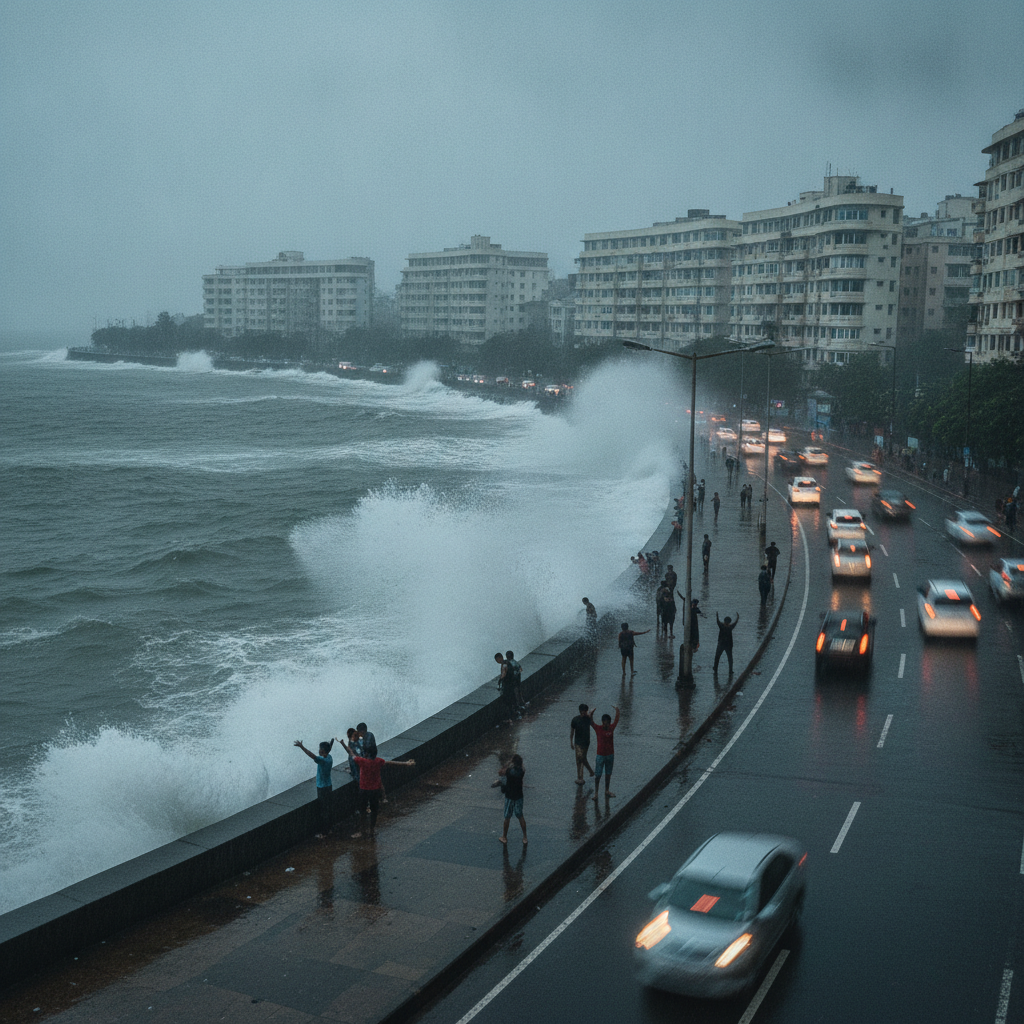
Mumbai Monsoon — The City That Celebrates the Rain
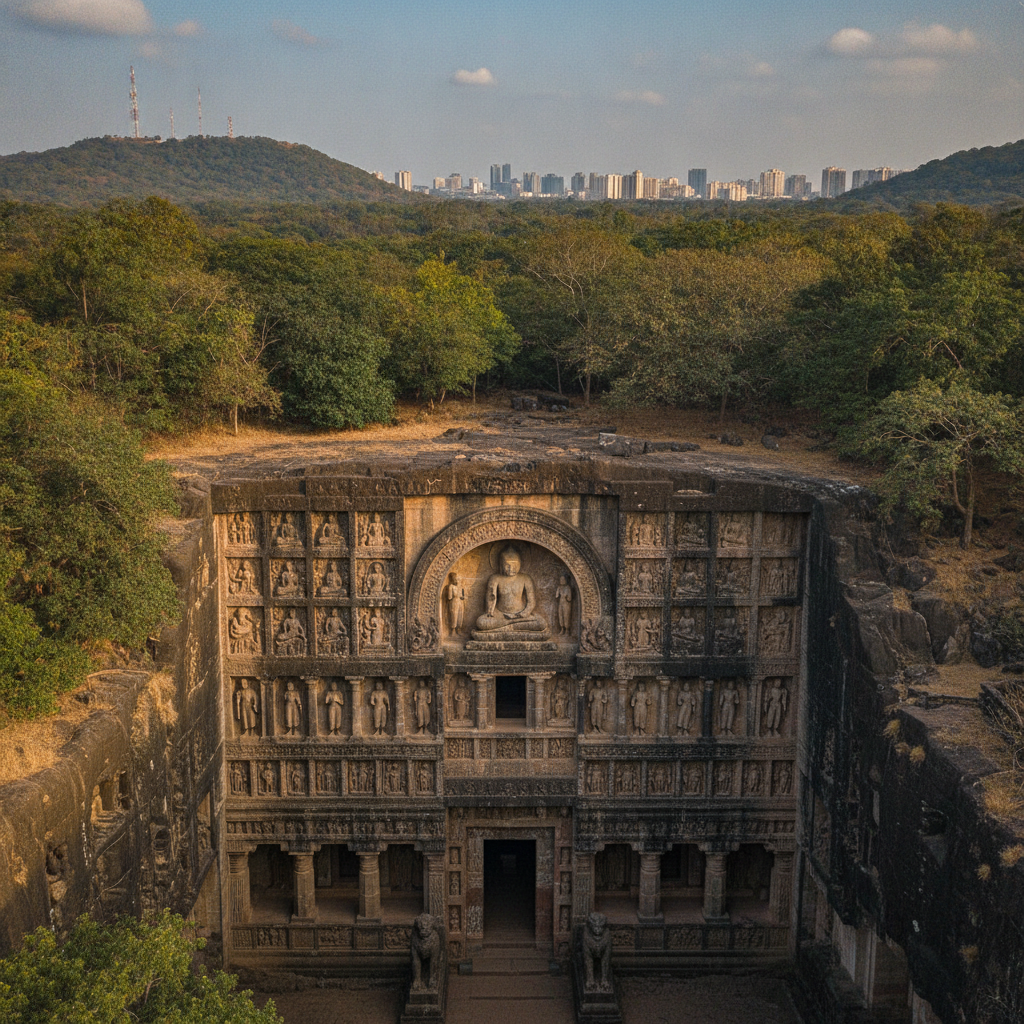
Kanheri Caves, Sanjay Gandhi National Park & Mumbai's Wild Side