Miami
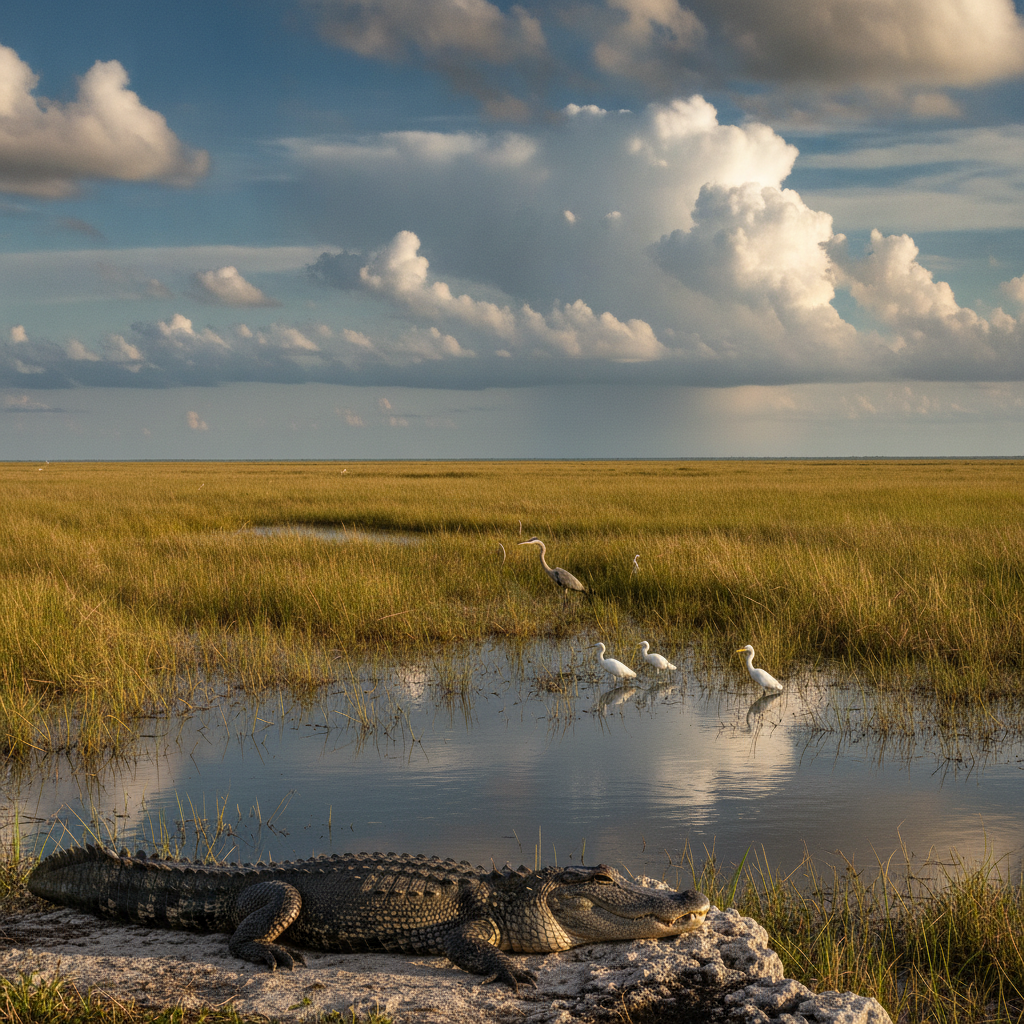
Everglades & Biscayne National Park — The Wilderness at Miami's Door
Miami is unique among major American cities in its proximity to two extraordinary national parks: Everglades National Park (the largest subtropical wilderness in the United States, UNESCO World Heritage and International Biosphere Reserve) and Biscayne National Park (the only national park in the US where the majority of the park's area is underwater — the coral reefs, mangrove forests, and shallow bays of southern Biscayne Bay).
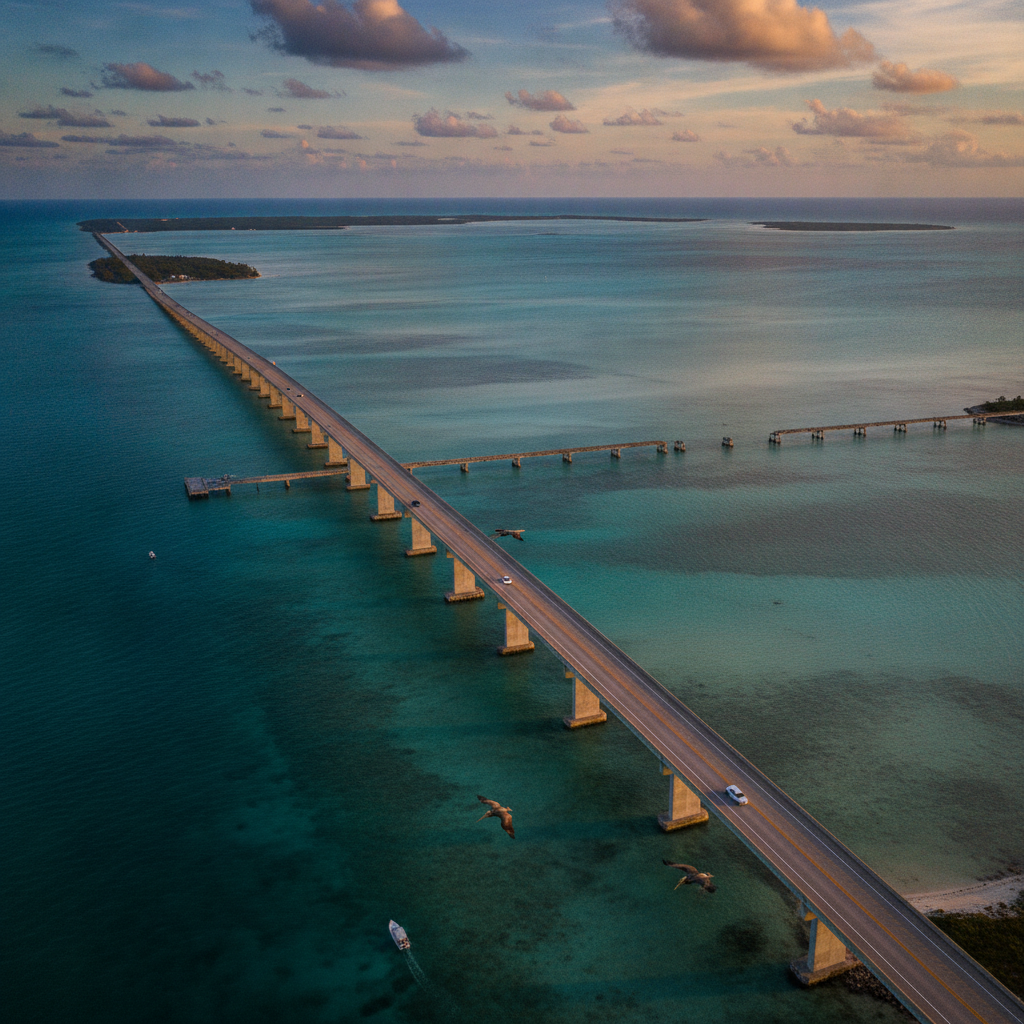
Florida Keys & Key West — The End of the Road and the Reef
The Florida Keys (the chain of approximately 1,700 coral and limestone islands arching 240 km (150 miles) southwest from the southern tip of Florida into the Gulf of Mexico, connected by the Overseas Highway (US-1) — the most scenic drive in Florida and one of the most scenic in the United States): the Keys are the premier day-trip or overnight destination from Miami, offering tropical island scenery, world-class snorkelling and diving, Key Lime pie, and the unique laid-back character of Key West (the southernmost city in the continental United States, 180 km (112 miles) from Miami).
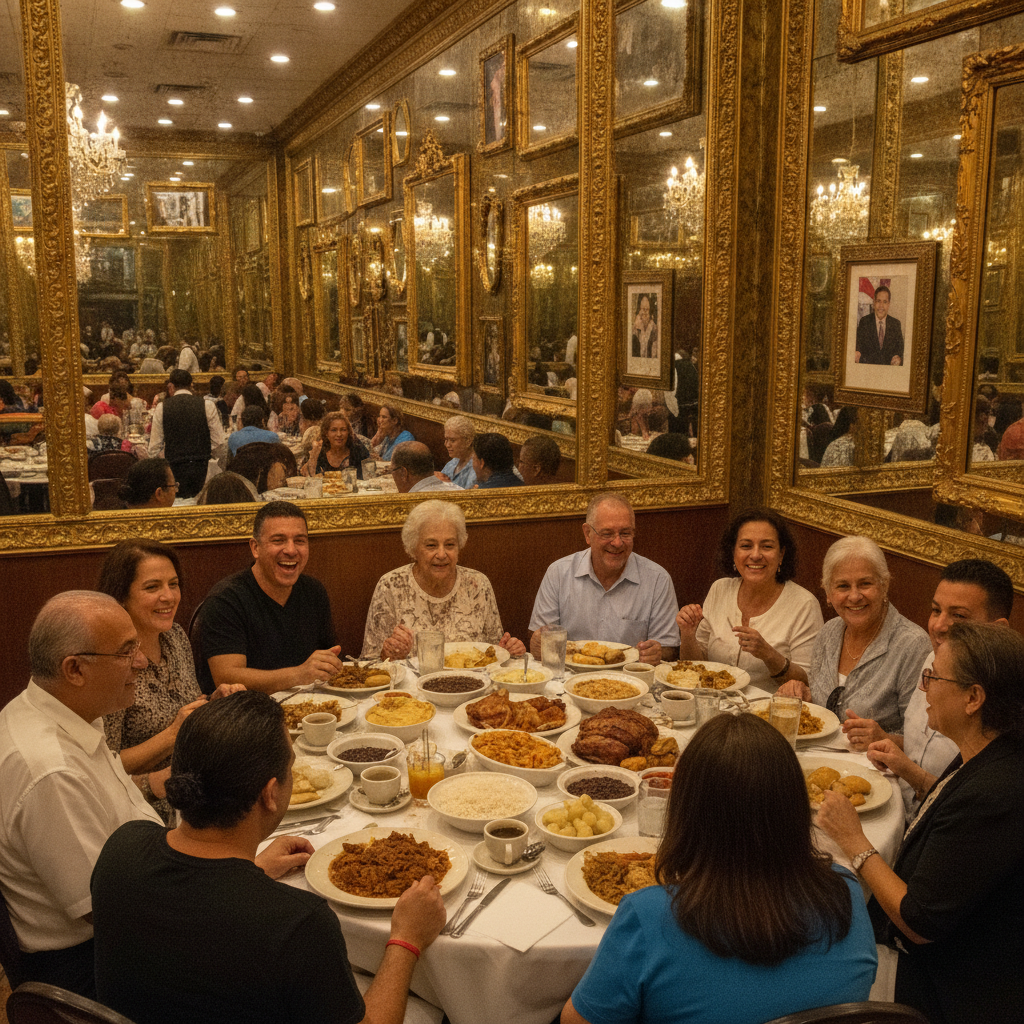
Miami's Global Table — Cuban, Haitian, Venezuelan & Caribbean Cuisine
Miami's food culture (the most diverse in the American South, reflecting the extraordinary cultural mix of the Miami metropolitan area — the most Latin American major city in the United States, with an estimated 72% Hispanic population in Miami-Dade County and significant communities from Cuba, Nicaragua, Venezuela, Colombia, Brazil, Haiti, Jamaica, and virtually every other country in the Caribbean and South America): Miami's restaurant scene is simultaneously the most culturally authentic Latin food destination in the US and an increasingly sophisticated fine dining destination.
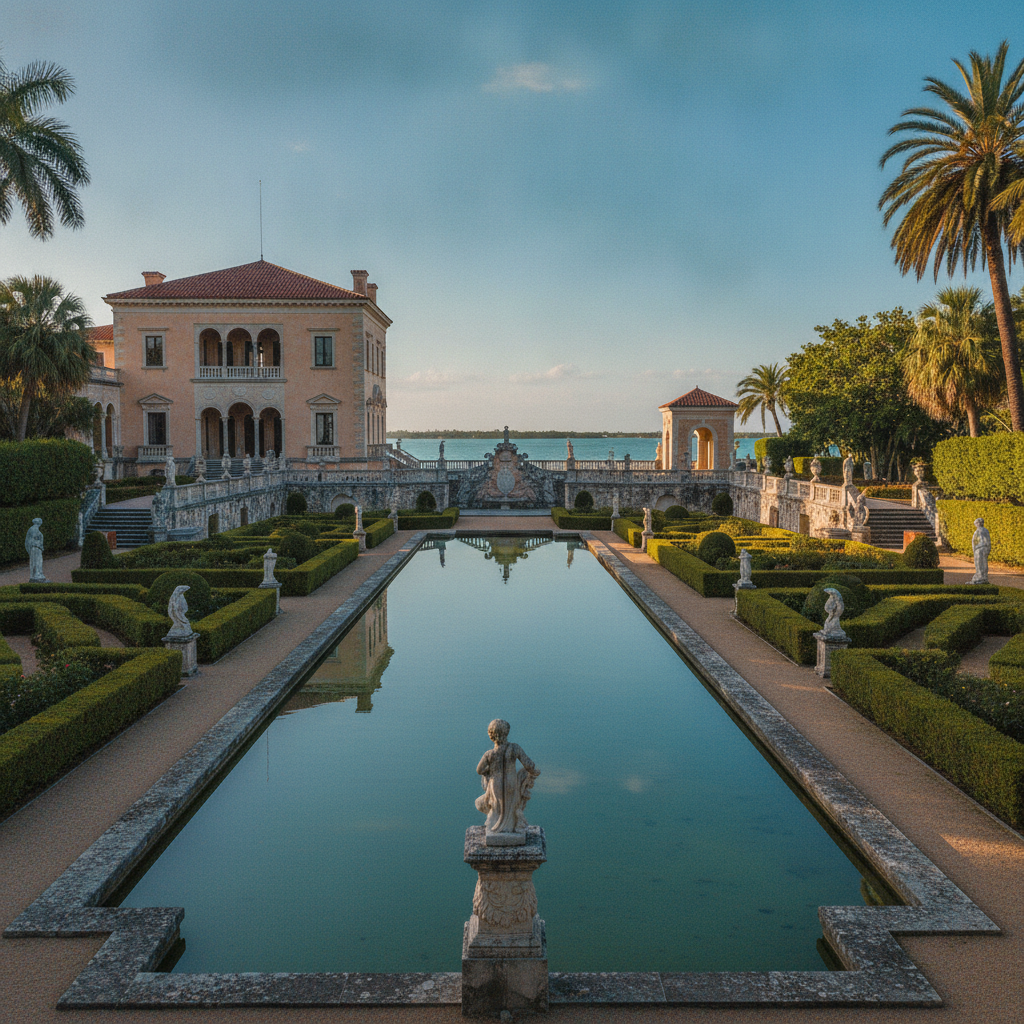
Vizcaya, Coconut Grove & Miami's Historic Soul
Vizcaya Museum and Gardens (the 1916 Italian Renaissance estate on Biscayne Bay in the Coconut Grove neighbourhood of Miami — the finest Gilded Age estate in the American South and the finest Italian formal garden in the United States) and the surrounding Coconut Grove neighbourhood (the oldest continuously inhabited neighbourhood in Miami and the historic centre of Miami's arts and bohemian culture) offer the most historically and culturally layered experience in the city.
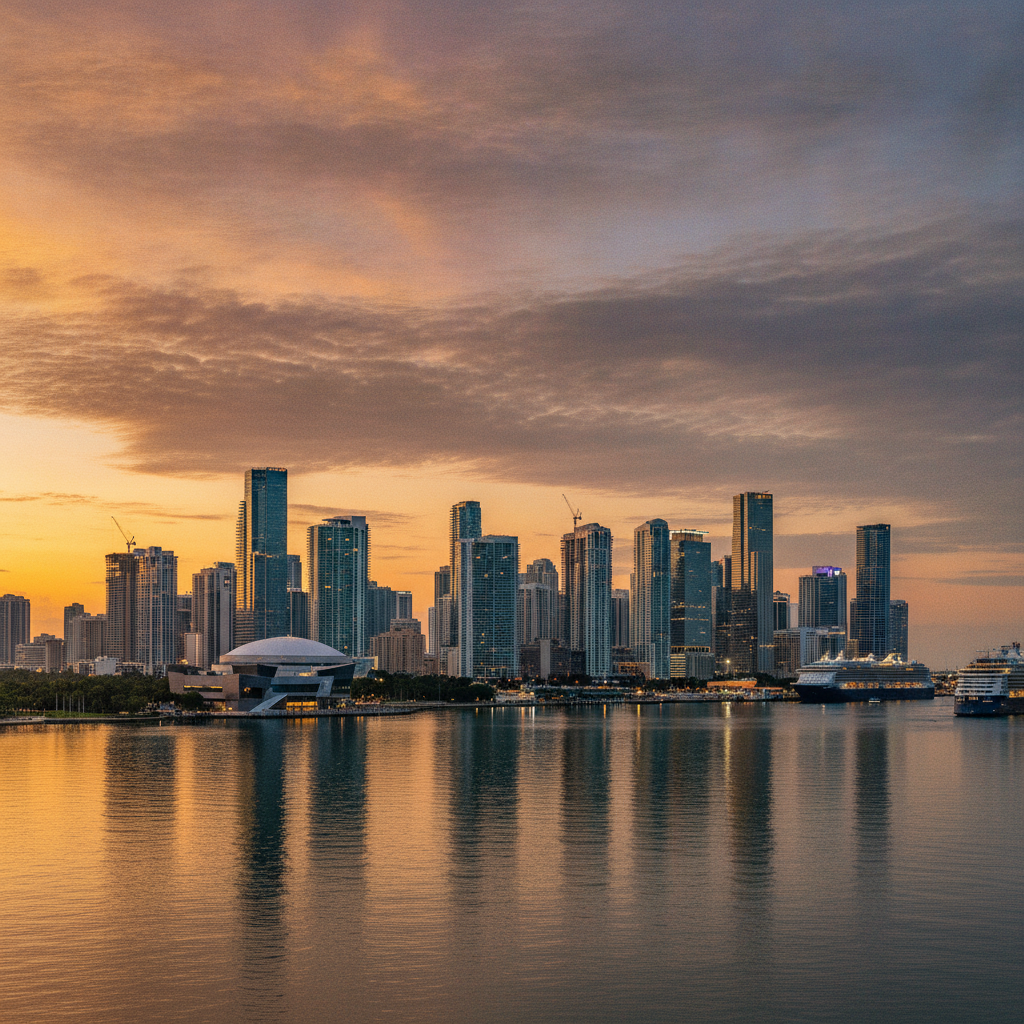
Brickell, Downtown & Miami's Soaring Financial District
Brickell (the Financial District of Miami, on the west bank of Biscayne Bay south of downtown — the fastest-growing urban neighbourhood in the United States by new construction volume, with approximately 40 skyscrapers over 200 metres completed between 2015 and 2025): the explosion of new luxury residential towers in Brickell and downtown Miami (driven by a wave of Latin American and international investment following the 2008 financial crisis) has created the most dynamic and rapidly evolving large urban skyline in the United States.
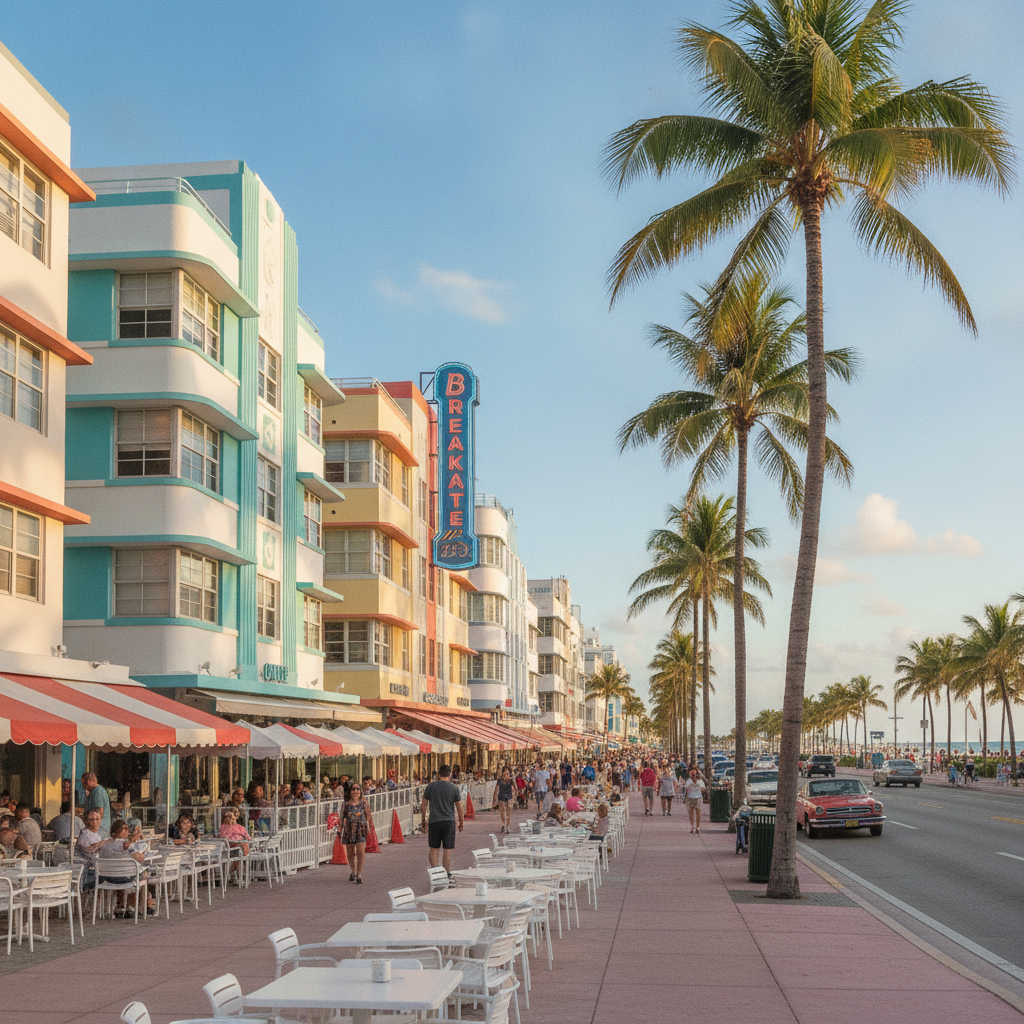
South Beach, Art Deco & Ocean Drive — The Icon of Miami
Miami (the city in Miami-Dade County, Florida — population approximately 450,000 in the city, 6.2 million in the metro area — the cultural capital of Latin America in the United States, the most international city in the US after New York, and the gateway between North America and the Caribbean and South America): South Beach (the southern portion of Miami Beach, the barrier island city east of Miami connected by causeways) is the most internationally famous neighbourhood in Florida and one of the most recognized urban beaches in the world.
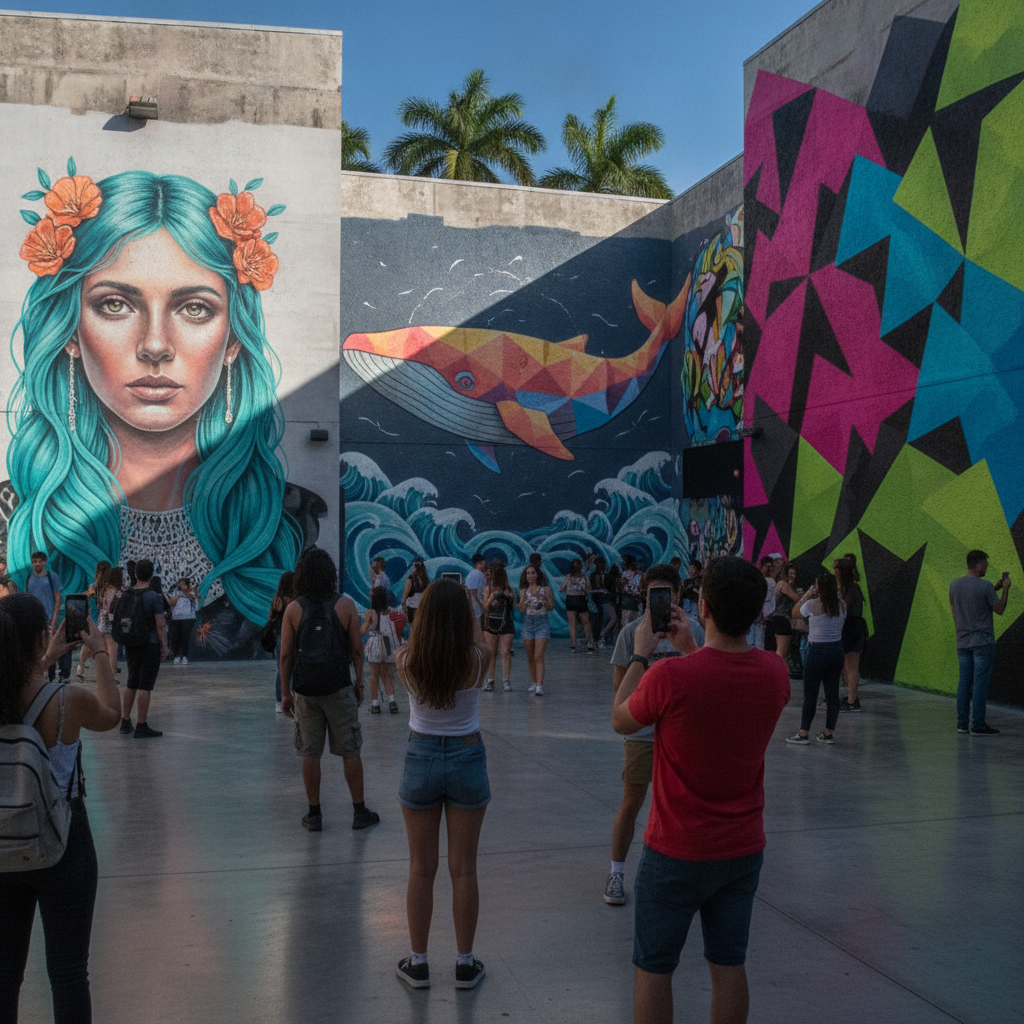
Wynwood, Design District & Little Haiti — Miami's Creative Soul
The Wynwood Arts District and the adjacent Miami Design District are the creative and cultural heart of contemporary Miami — the neighbourhoods that have transformed a formerly industrial and overlooked section of the city into one of the most dynamic arts and design destinations in the Americas, driven by the annual Art Basel Miami Beach fair and the real estate investment it has attracted.
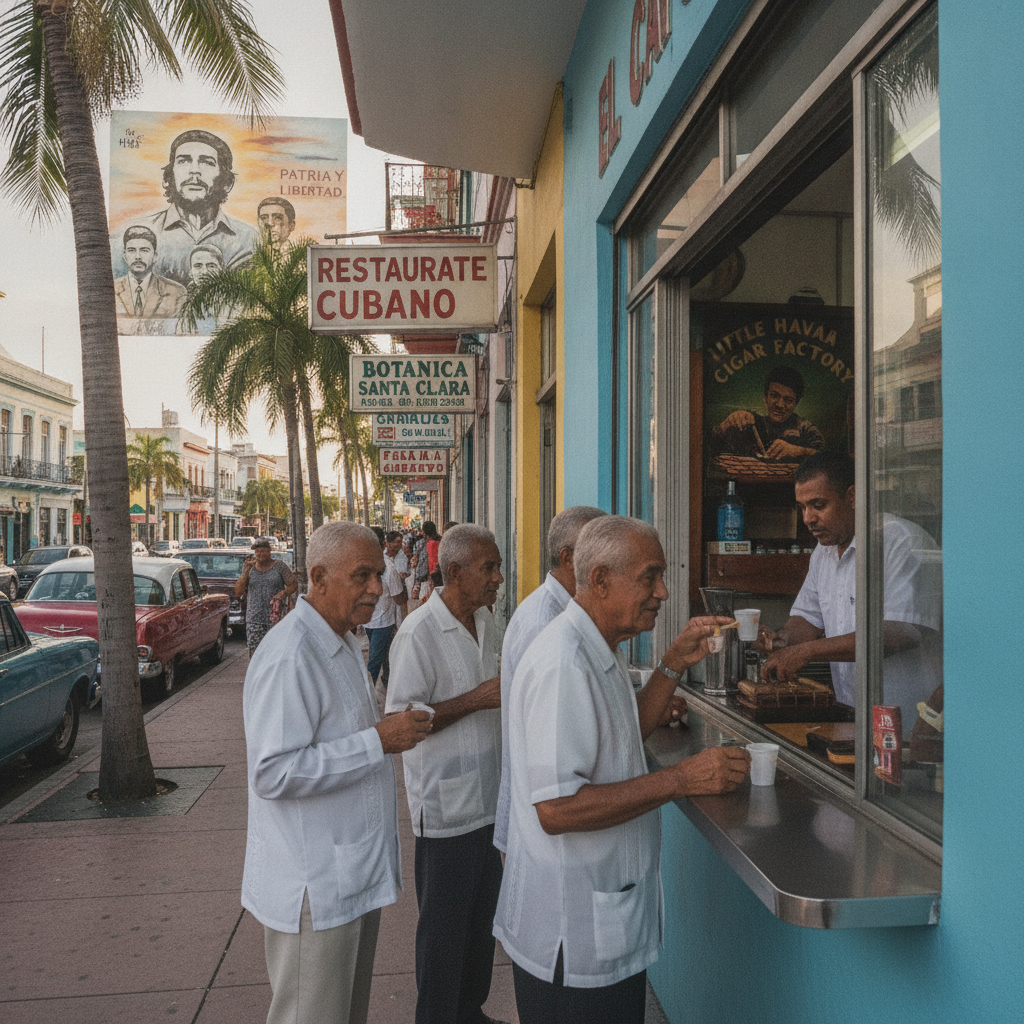
Little Havana, Calle Ocho & Miami's Cuban Soul
Little Havana (the Cuban-American neighbourhood on SW 8th Street (Calle Ocho) in the City of Miami — the cultural heart of the Cuban exile community and the most Latin neighbourhood in the most Latin American city in the United States): the approximately 1.2 million Cuban-Americans in the Miami metro area have made Miami the most Cuban city outside of Cuba, and Little Havana is where that culture is most concentrated and most visible.
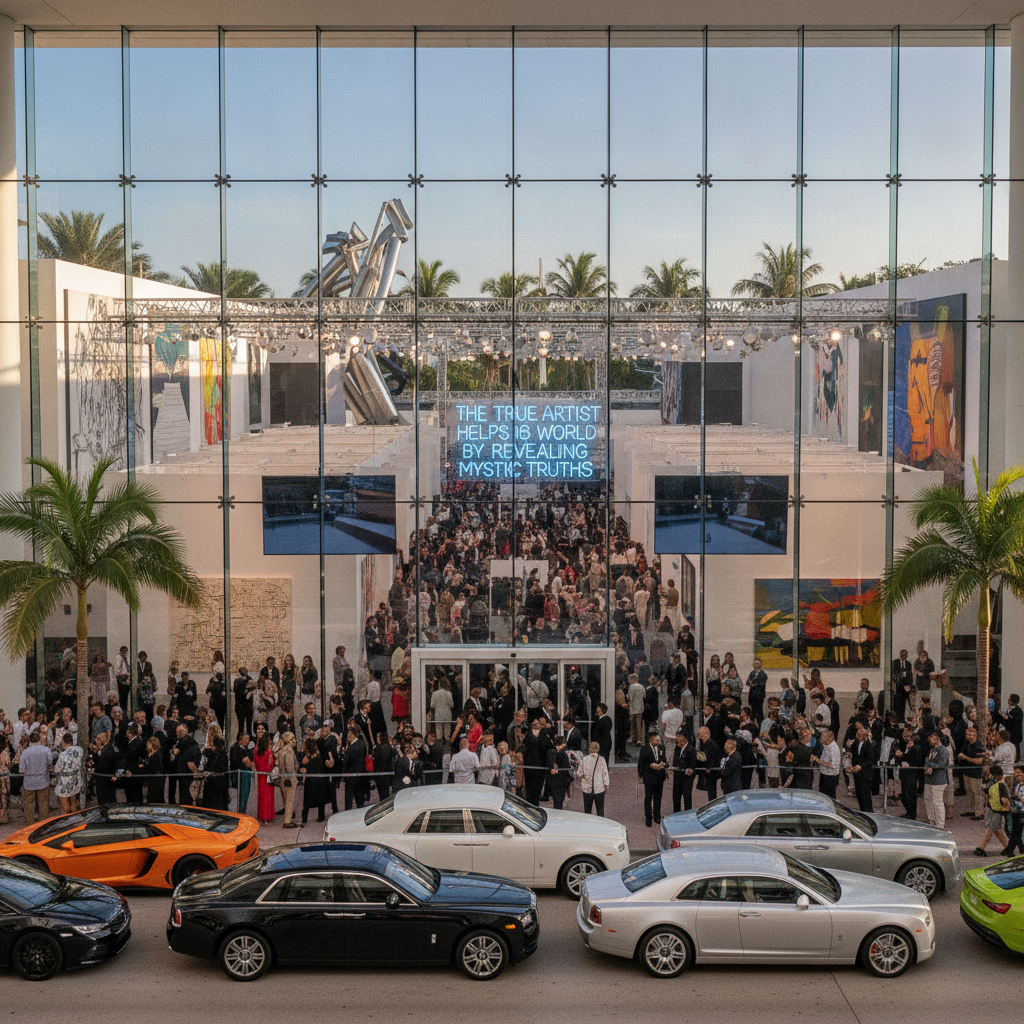
Art Basel Miami Beach — When Miami Becomes the World's Art Capital
Art Basel Miami Beach (the annual contemporary art fair held at the Miami Beach Convention Center during the first week of December — the American edition of the world's most important contemporary art fair (founded in Basel, Switzerland in 1970, the Miami edition launched in 2002), attracting approximately 80,000 visitors per year (of which approximately 40,000 are credentialed art world professionals (collectors, museum directors, curators, gallery owners, and critics) — the largest single concentration of the global art world in any city at any time of year)): Art Basel transforms Miami into the world capital of contemporary art for one week each December.