Madrid
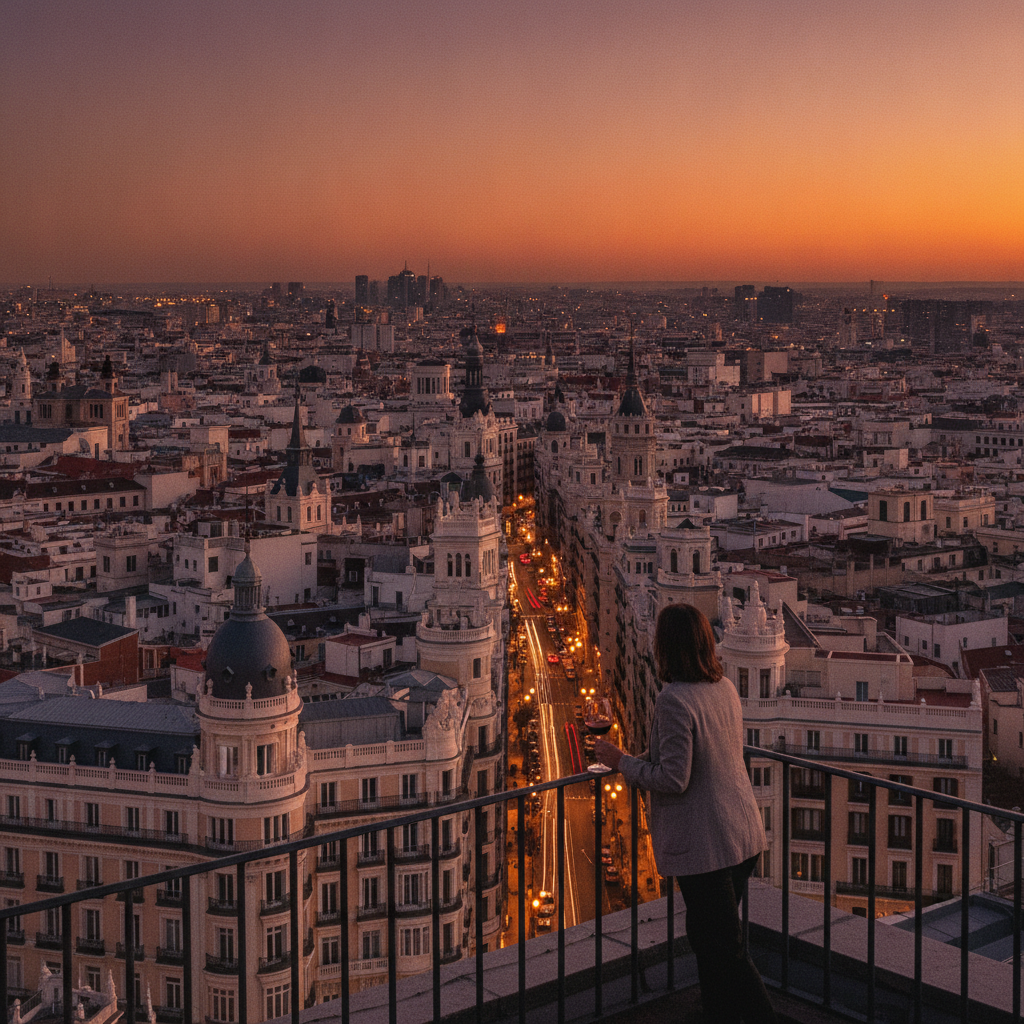
Madrid from Above: Rooftops, Terraces & Miradores
Madrid is a city built to be seen from above. Its density—barely any skyscrapers—means the skyline from any elevated point is a sea of terracotta rooftops punctuated by Baroque domes and stone church towers. This route strings together the city's best public viewpoints: rooftop bars, observation terraces, and formal miradores. Best done at golden hour (6–9pm in summer) when the light is extraordinary. Includes the famous Círculo de Bellas Artes rooftop, Callao Sky Bar, Corte Inglés terrace, and the free mirador at Cibeles City Hall.
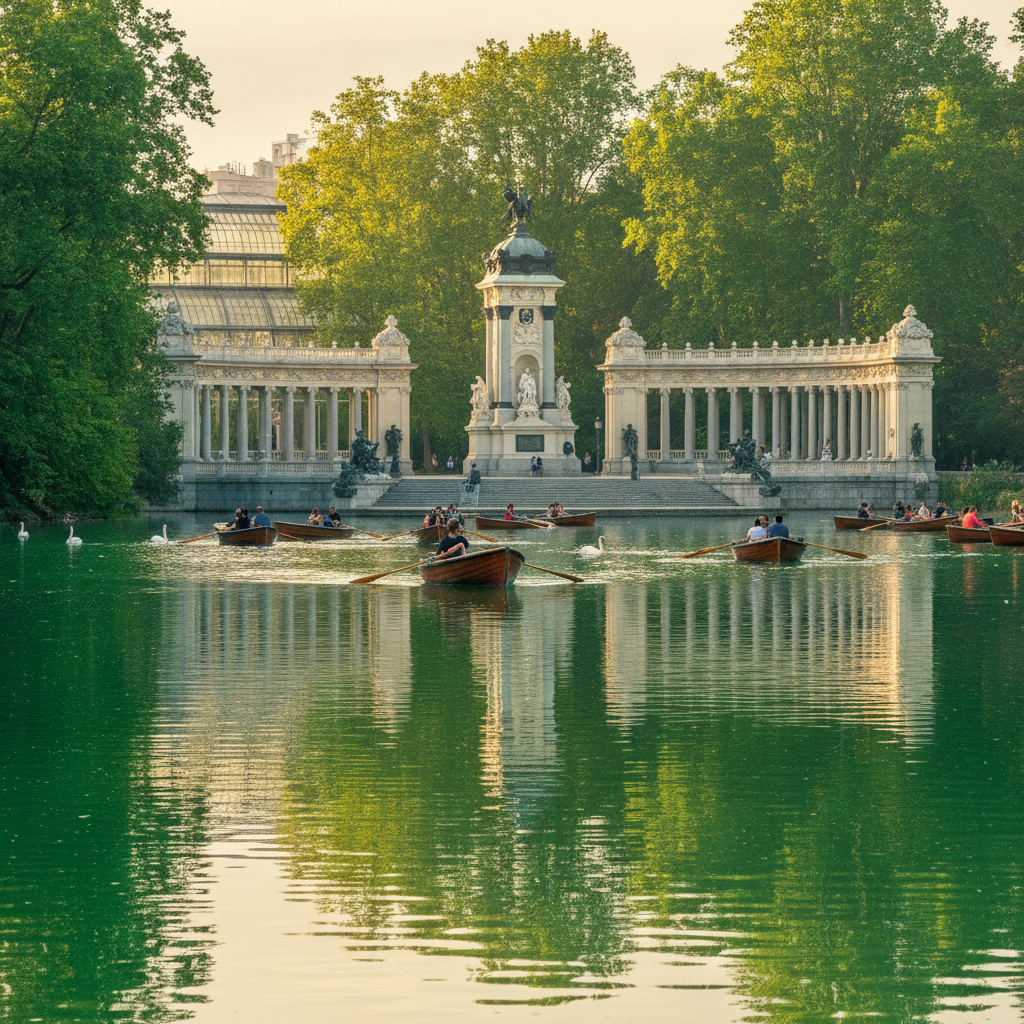
Retiro Park & La Castellana: Madrid's Green Spine
Madrid has more parkland per capita than almost any other European capital—and the two great green arteries of the city are the Parque del Buen Retiro (125 hectares of royal parkland) and the Paseo de la Castellana (a 6-kilometre tree-lined boulevard stretching from Atocha to the north). This route spends half a day in the Retiro, then follows the Castellana north through the city's grandest architecture and up to the Santiago Bernabéu neighbourhood. Good for a relaxed morning with a coffee in the park.
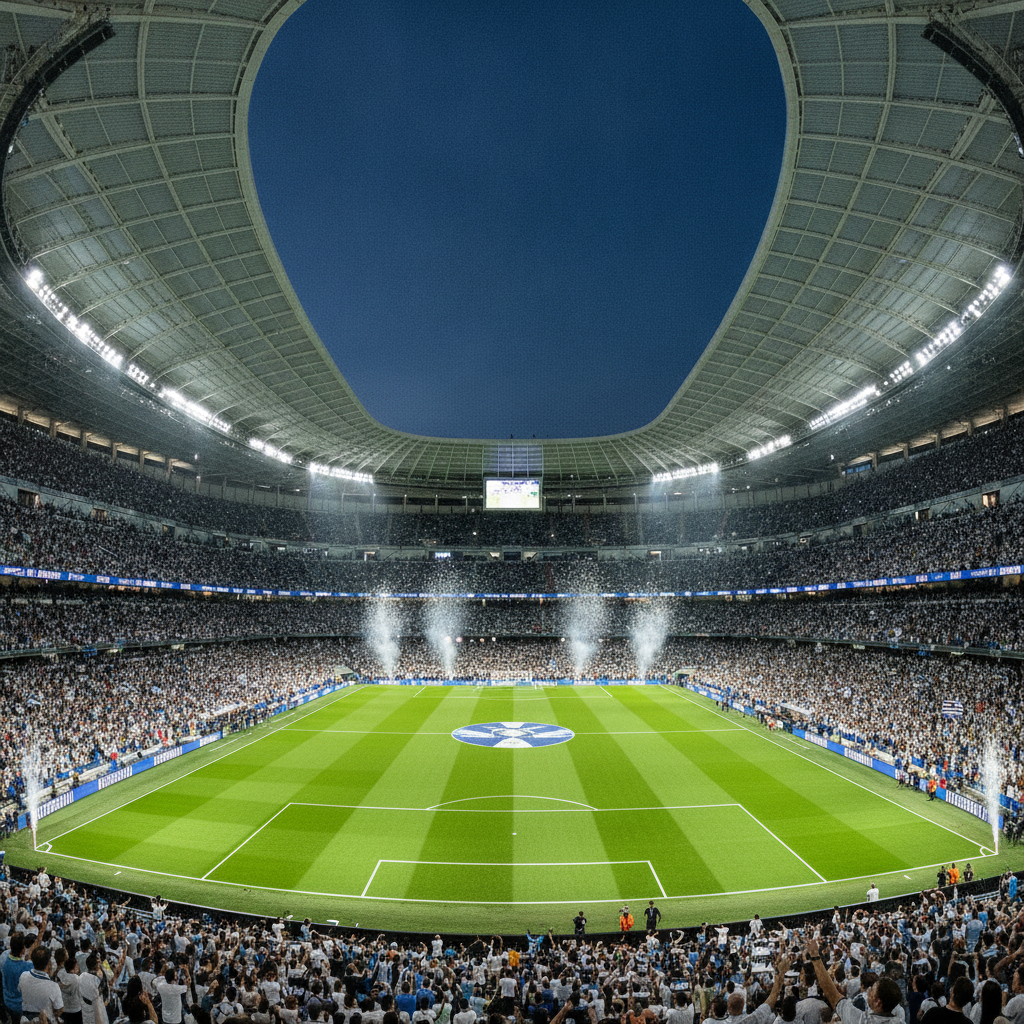
The Football Pilgrimage: Bernabéu, the City & Metropolitano
Madrid is home to two of the world's most successful football clubs—Real Madrid and Atlético de Madrid—whose rivalry defines the city's sporting soul. This full-day route visits both stadiums and everything in between: the grand boulevard where titles are celebrated, the old-town bars where fans debate the game, and the working-class neighbourhood that gave birth to Atlético. Best done on a matchday if possible.
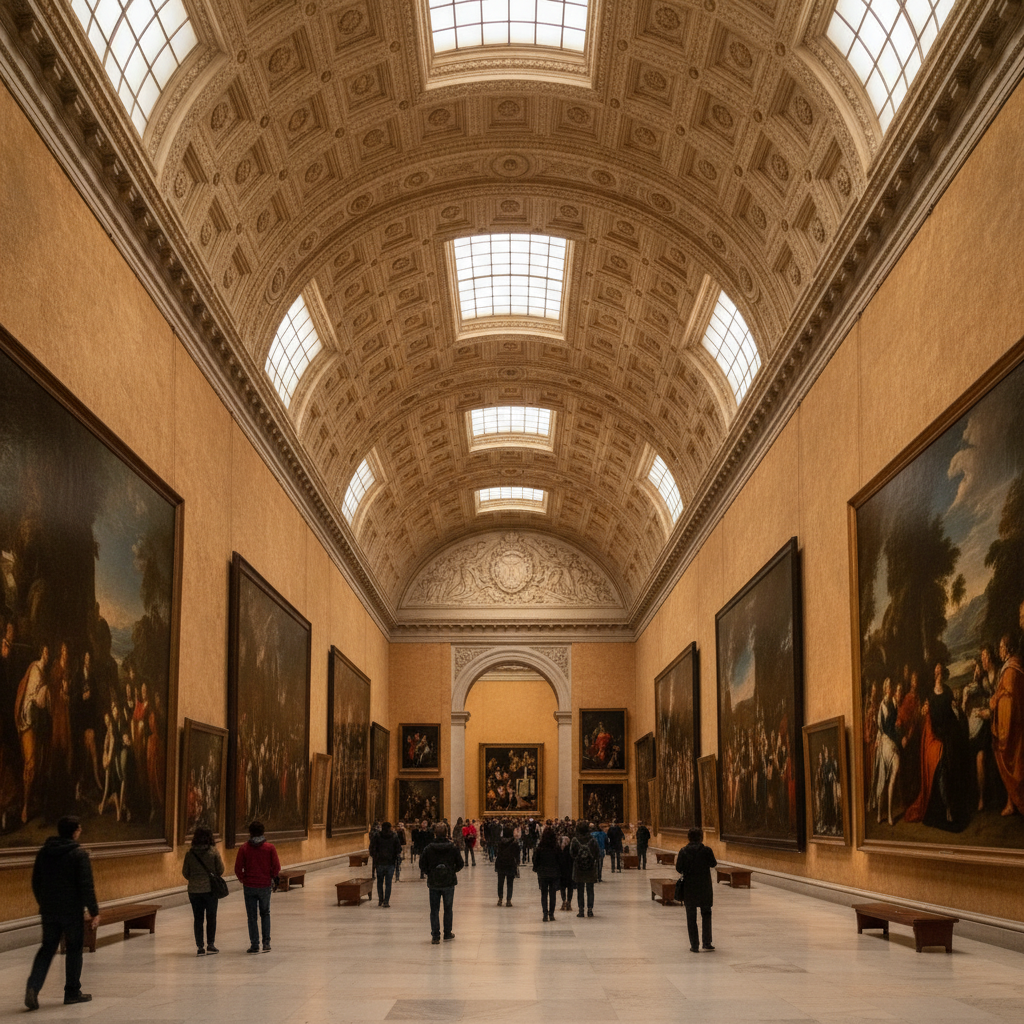
The Art Golden Triangle: Prado, Thyssen & Reina Sofía
Within a 10-minute walk of each other on the Paseo del Prado, three of the world's greatest art museums sit side by side: the Prado (Spanish Golden Age and old masters), the Thyssen-Bornemisza (medieval to Pop Art) and the Reina Sofía (Picasso, Dalí, Miró and 20th-century Spanish art). This is one of the highest concentrations of great art in any European city. The route also takes in the Retiro park for a break and the Fuente de Cibeles—Madrid's most iconic fountain.
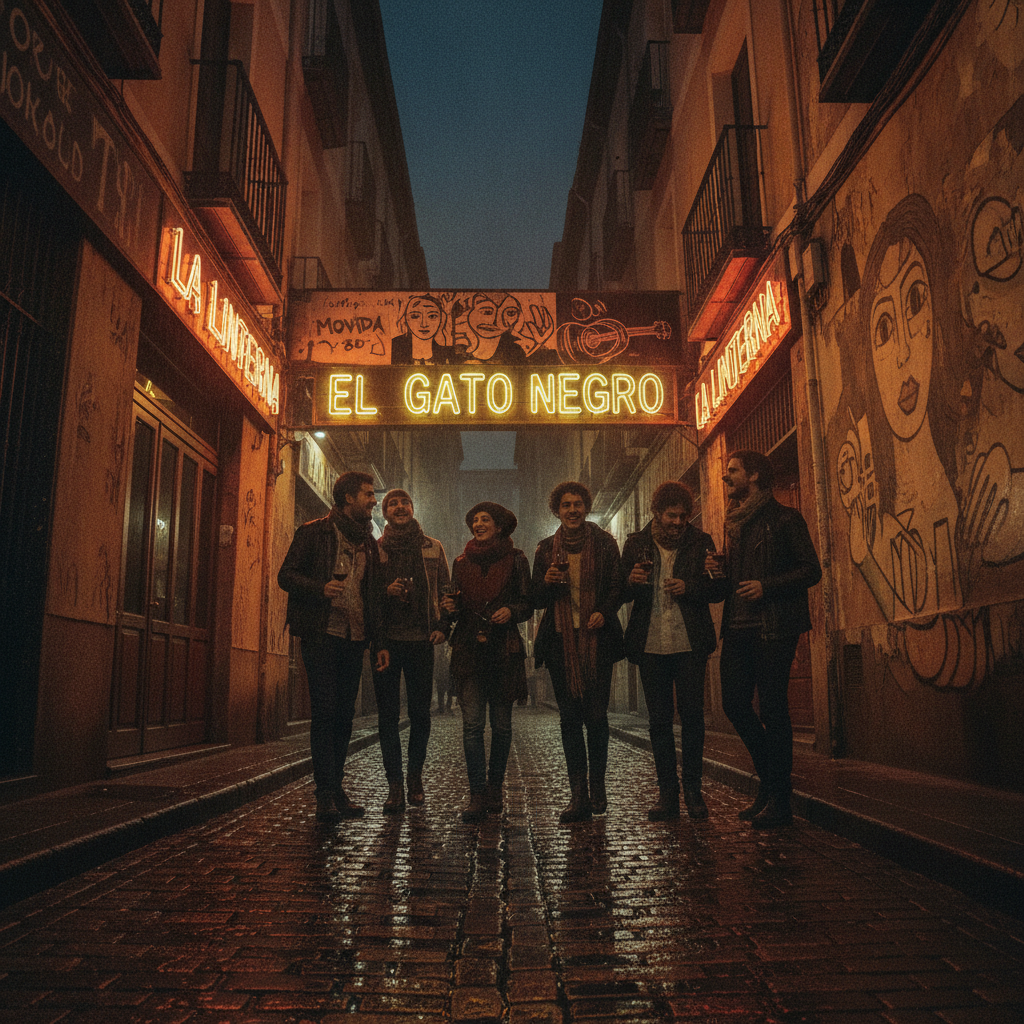
La Movida & Malasaña: Madrid's Cultural Revolution
Between 1977 and 1985, after nearly 40 years of Franco's dictatorship, Madrid erupted in a wave of creativity, transgression and hedonism known as La Movida Madrileña. Filmmakers (Almodóvar), musicians, painters, drag artists and clubbers poured into the streets of Malasaña and Chueca in a celebration of newly-won freedom. The neighbourhood still carries that spirit. This evening route explores the bars, plazas, record shops and cultural spaces of the area that became the cradle of modern Spanish pop culture.
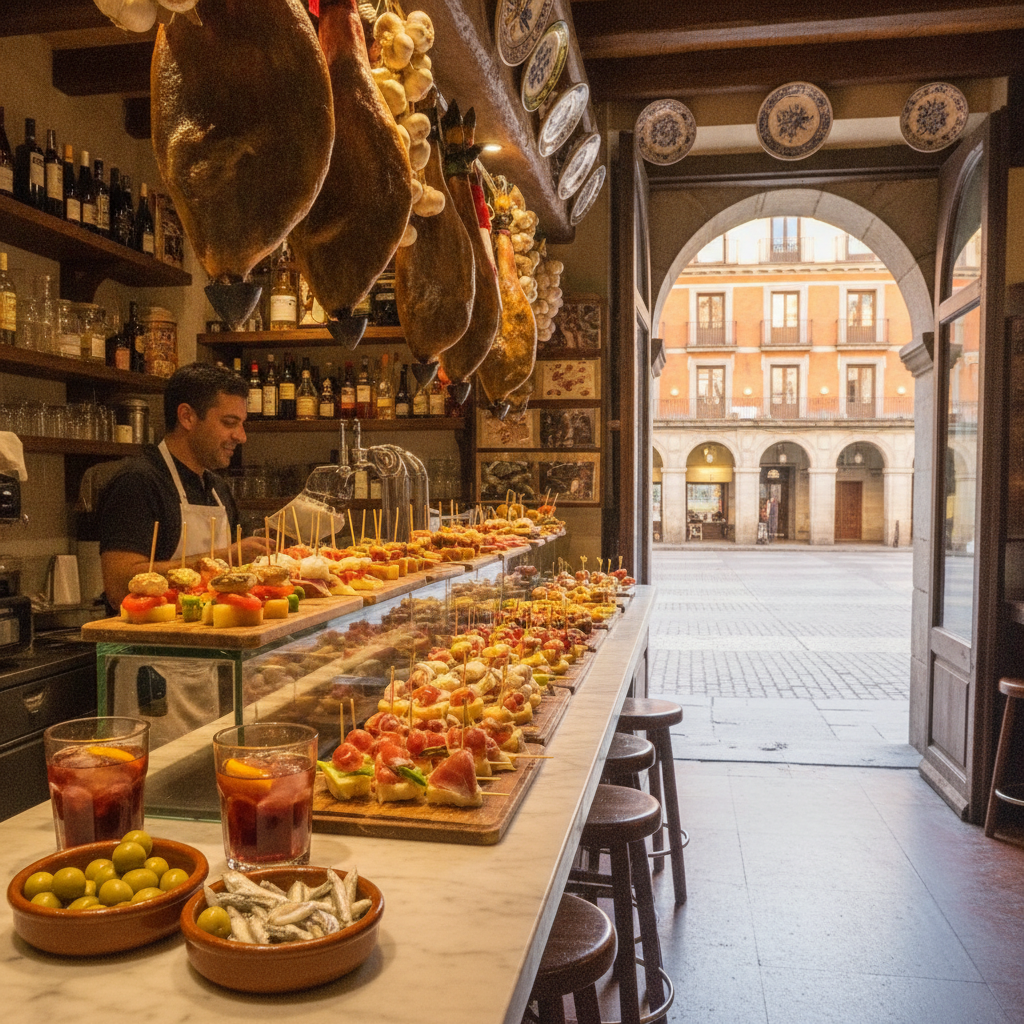
Tapas & Vermut: The La Latina Food Walk
Madrid's tapas culture is not a tourist gimmick—it's the social fabric of the city. Every evening from 7pm, Madrileños pour into the streets to stand at zinc bars and eat small plates with wine, vermouth or cold beer. This Saturday afternoon walk begins at the Mercado San Miguel (the city's most beautiful covered market) and threads through La Latina—the dense, ancient neighbourhood where Madrid's tapas tradition is most alive. Plan for Sunday when El Rastro flea market adds an extra layer.
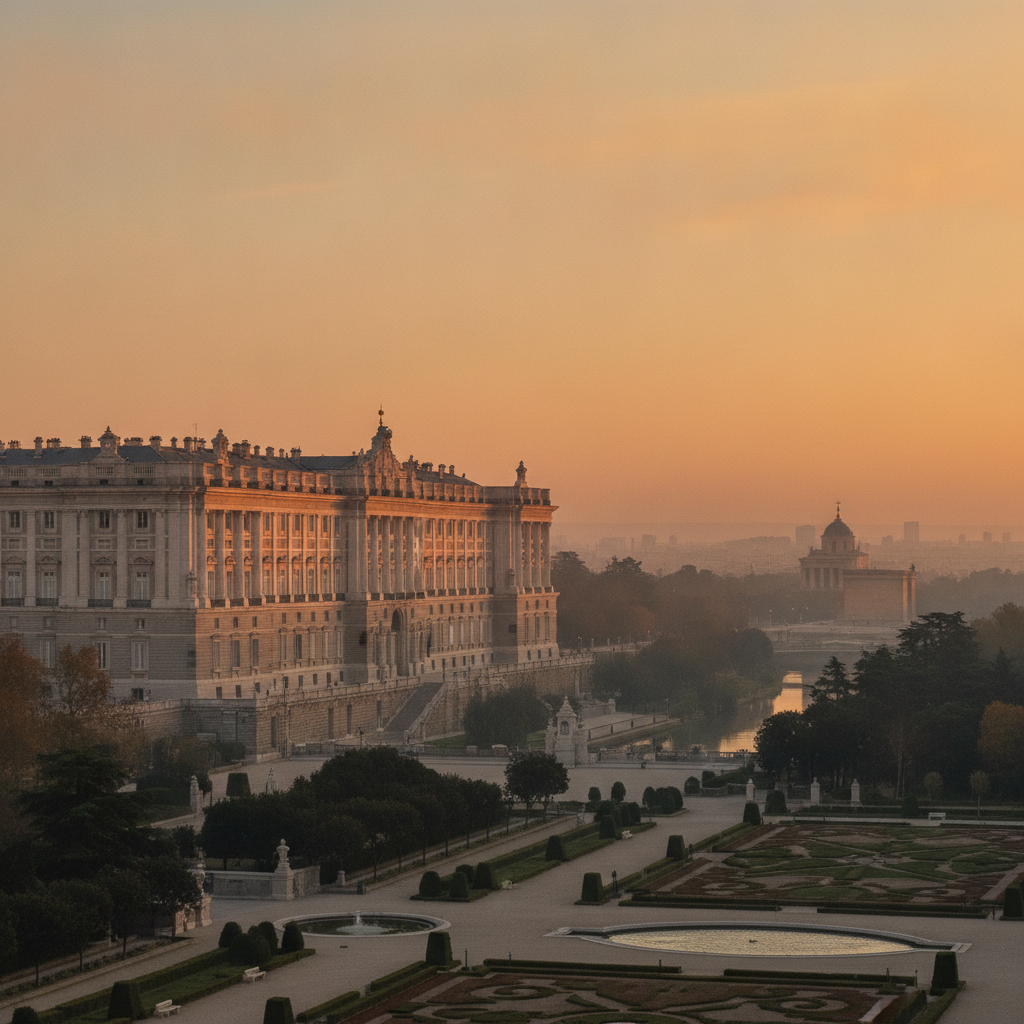
Royal Madrid: Palaces, Plazas & Ancient Temples
Long before the Prado or the Gran Vía, Madrid was a Habsburg and Bourbon royal capital. This route follows the imperial spine of the city: the Palacio Real (the largest royal palace in Western Europe by floor area), Plaza Mayor (the grandest public square in Spain), the Almudena Cathedral—the only cathedral in the world whose crypt is partly Visigothic—and the Temple of Debod, an ancient Egyptian temple gifted to Spain by Egypt in 1968. The entire route is mostly flat and takes 3–4 hours at a gentle pace.
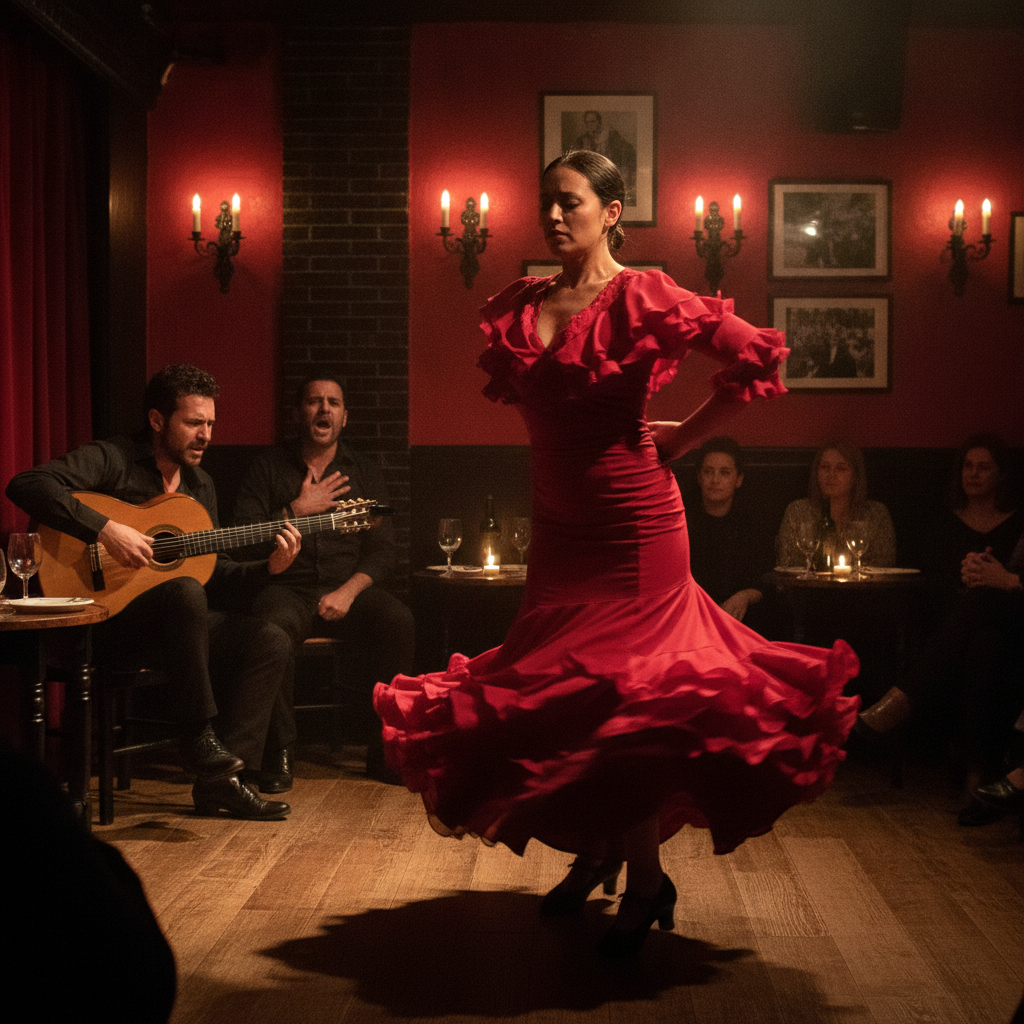
Flamenco & Lavapiés: The Soul of Deep Spain
Flamenco is the art form most associated with Spain—yet it is not actually from Madrid. It was born in Andalusia (Seville, Jerez, Cádiz) and came to Madrid in the 19th and 20th centuries with waves of Gitano (Roma) and Andalusian migration. Today Madrid has more professional flamenco performances per night than Seville. The place to understand this in Madrid is Lavapiés—the city's most diverse, working-class, and culturally rich neighbourhood, long the home of the city's Gitano community and now a mosaic of Spanish, Bangladeshi, West African, Chinese and South American communities. This route combines flamenco history, live performance, and the street life of Madrid's most authentic quarter.