Cape Town
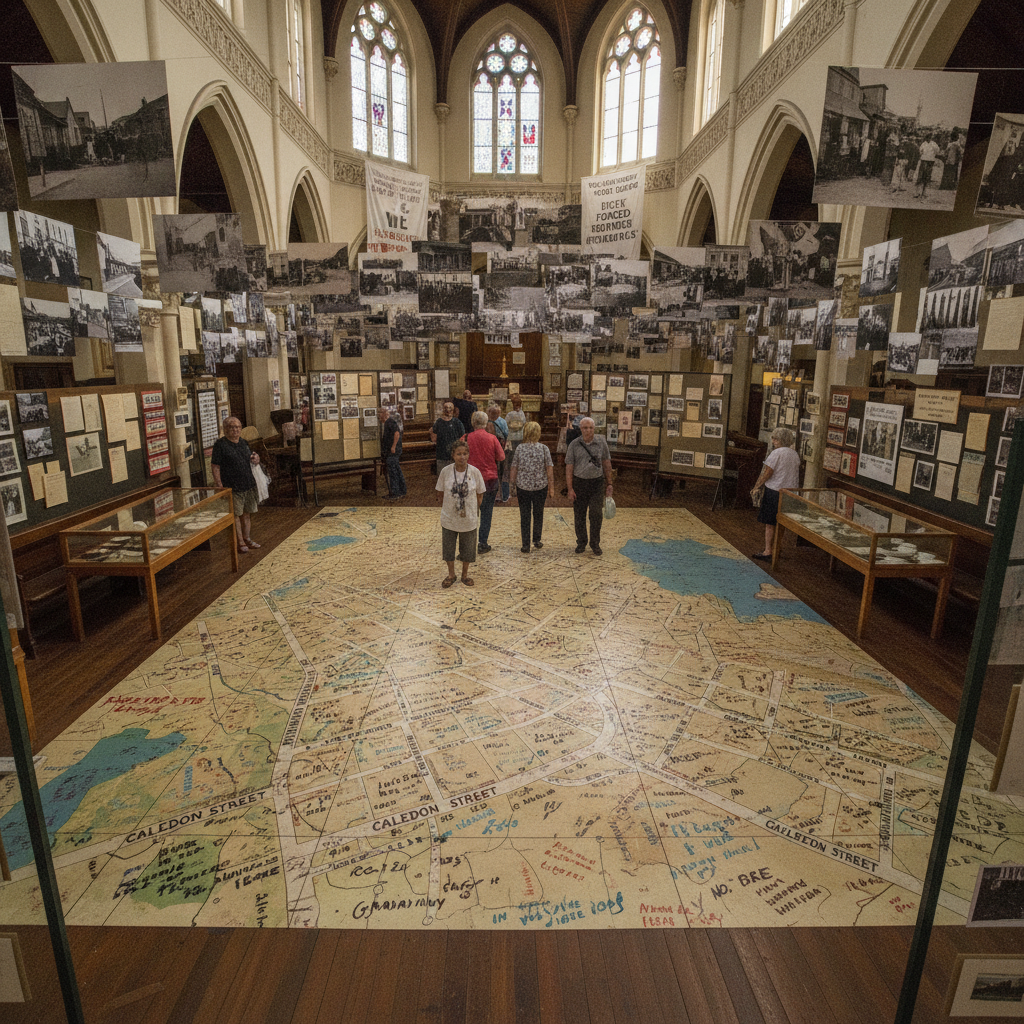
District Six, the Apartheid Museum & Cape Town's History
District Six (the former inner-city neighbourhood of Cape Town, declared a 'Whites Only' area under the Group Areas Act in 1966 and completely demolished between 1968 and 1982, displacing approximately 60,000 residents — one of the most notorious acts of apartheid social engineering in South Africa): the District Six Museum (the most important museum of apartheid history in Cape Town, established in 1994 in the former Central Methodist Mission church) preserves the memory of the community and documents the crime of forced removals.
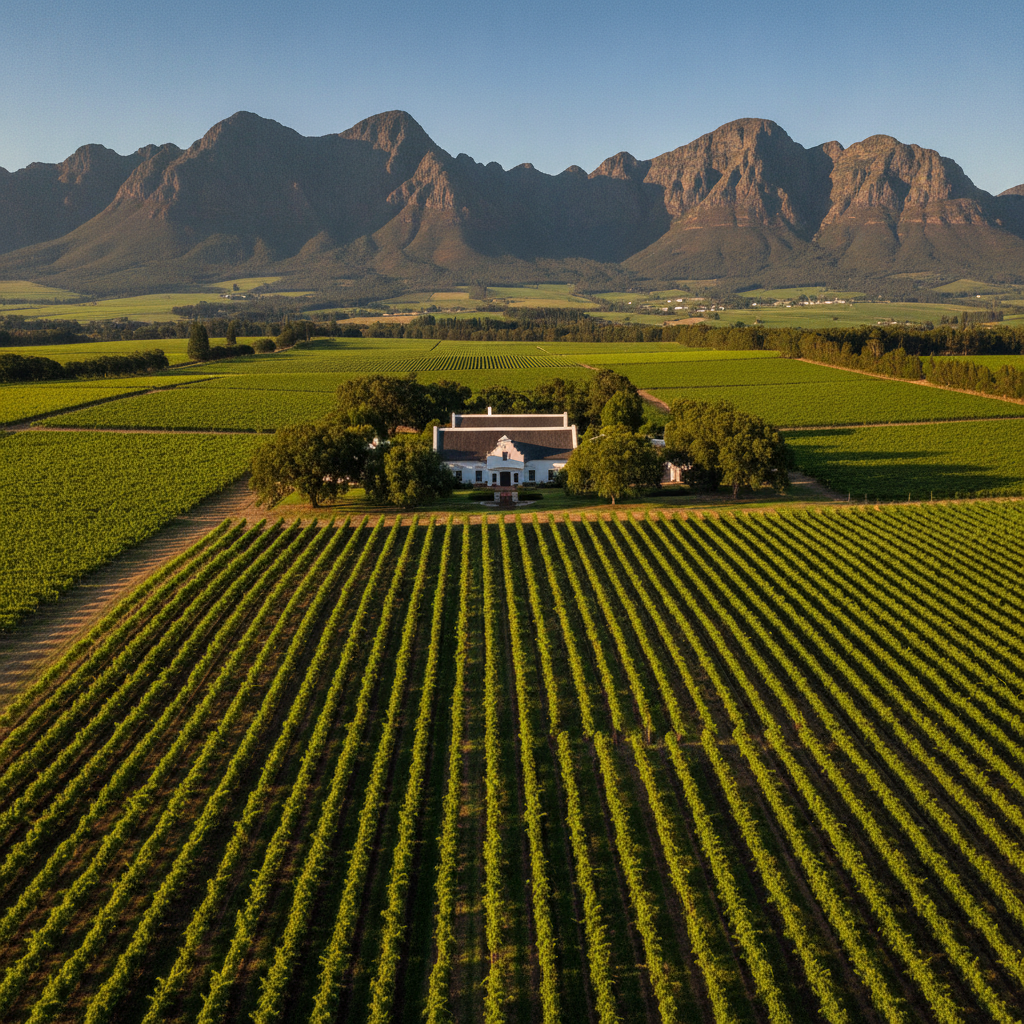
Stellenbosch, Franschhoek & the Cape Winelands — South Africa's Wine Heartland
The Cape Winelands (the wine-producing region in the mountains east of Cape Town, approximately 50 km from the city centre — the oldest wine-producing region in the southern hemisphere, with vineyards established by the Dutch and French Huguenot settlers from 1685): Stellenbosch (the second oldest town in South Africa, founded 1679) and Franschhoek ('French Corner') are the twin centres of Cape wine culture.
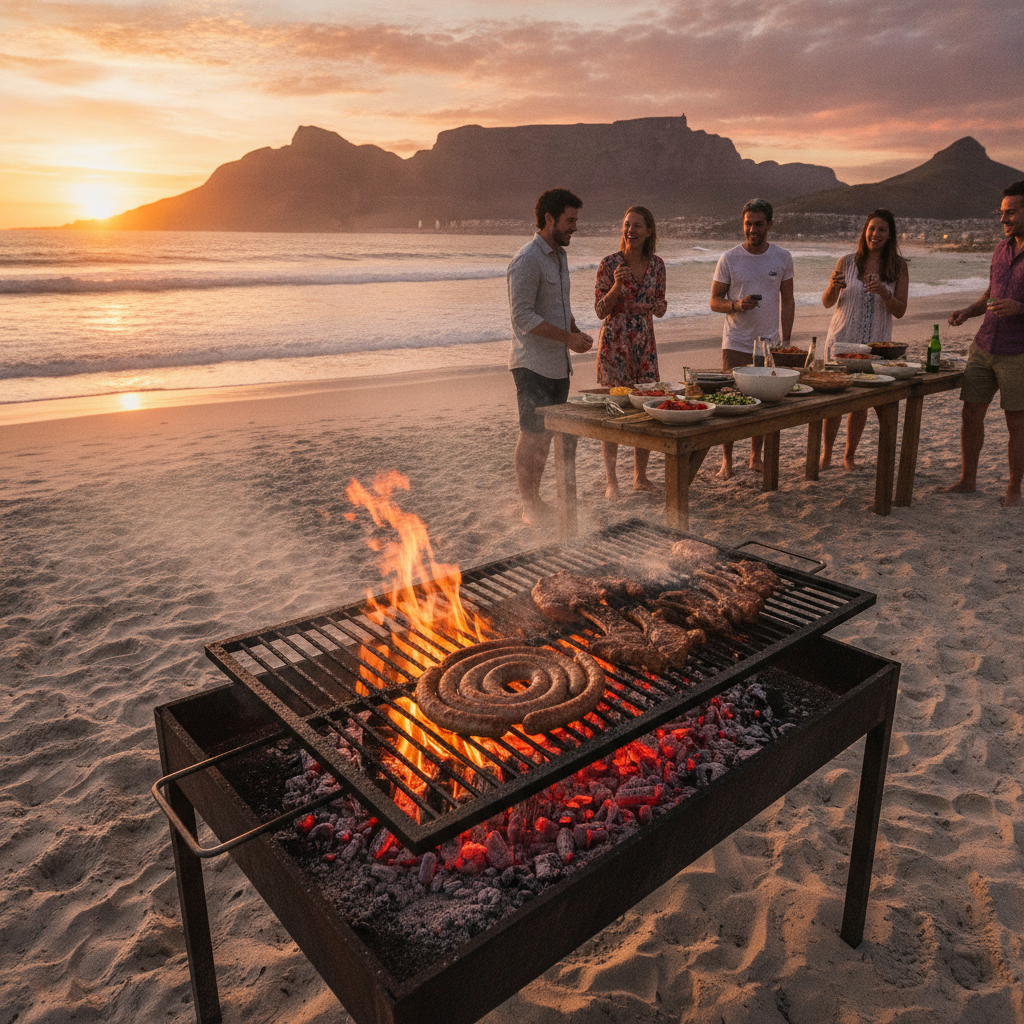
Braai Culture, Cape Malay Food & the Taste of Cape Town
Cape Town has the most diverse and interesting food culture in sub-Saharan Africa, combining Cape Malay cuisine (the legacy of enslaved people from the Dutch East Indies), Afrikaner braai culture (the outdoor grilling tradition that is the central social institution of South African outdoor life), and a contemporary food scene centred on the Old Biscuit Mill market and the restaurants of Woodstock and the City Bowl.
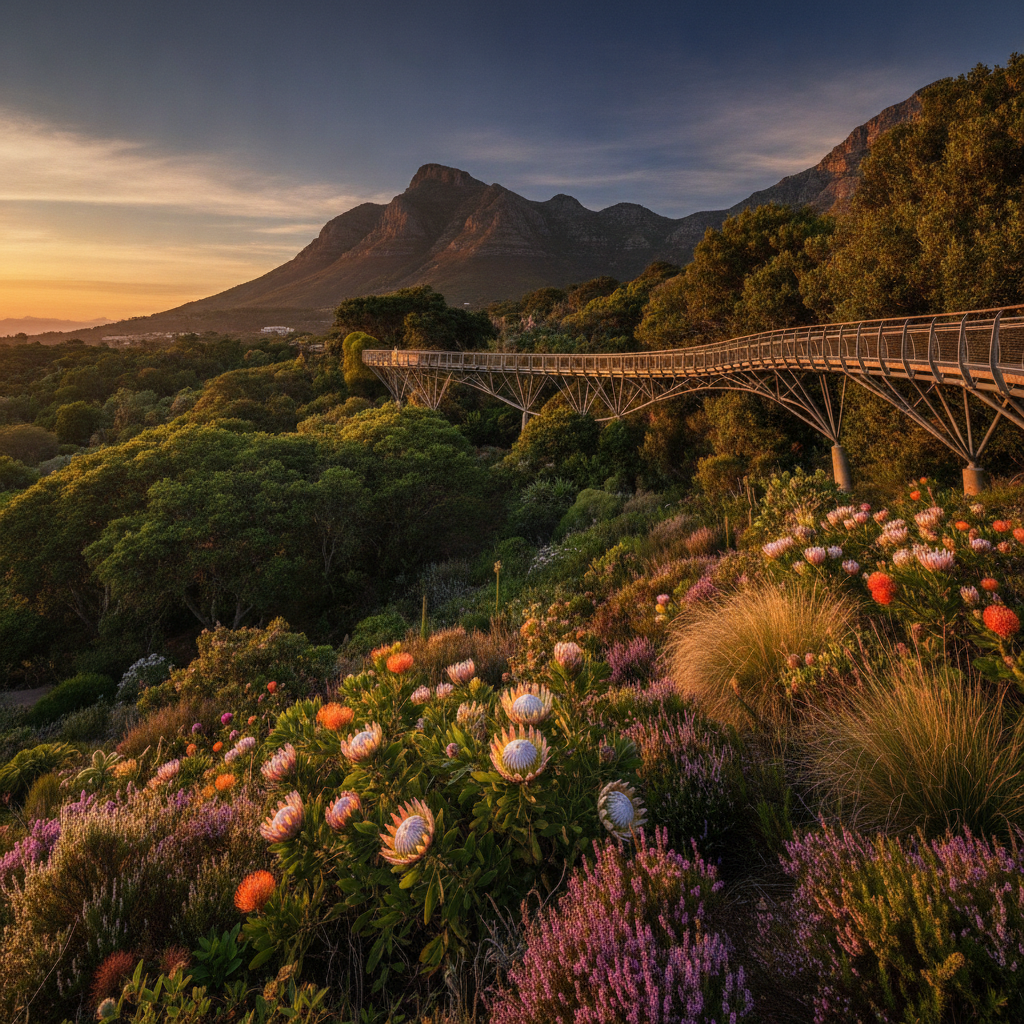
Kirstenbosch & the Cape Floral Kingdom — World's Most Biodiverse Garden
Kirstenbosch National Botanical Garden (on the eastern slopes of Table Mountain, 13 km from Cape Town — the finest botanical garden in Africa and one of the great botanical gardens of the world, established 1913 on land bequeathed to the nation by Cecil Rhodes (who died in 1902), covering 528 hectares (of which 7 hectares are cultivated gardens and the rest is natural fynbos): Kirstenbosch was declared a UNESCO World Heritage Site in 2004 (as part of the Cape Floristic Region), the only botanical garden in the world to be inscribed as a UNESCO World Heritage Site.
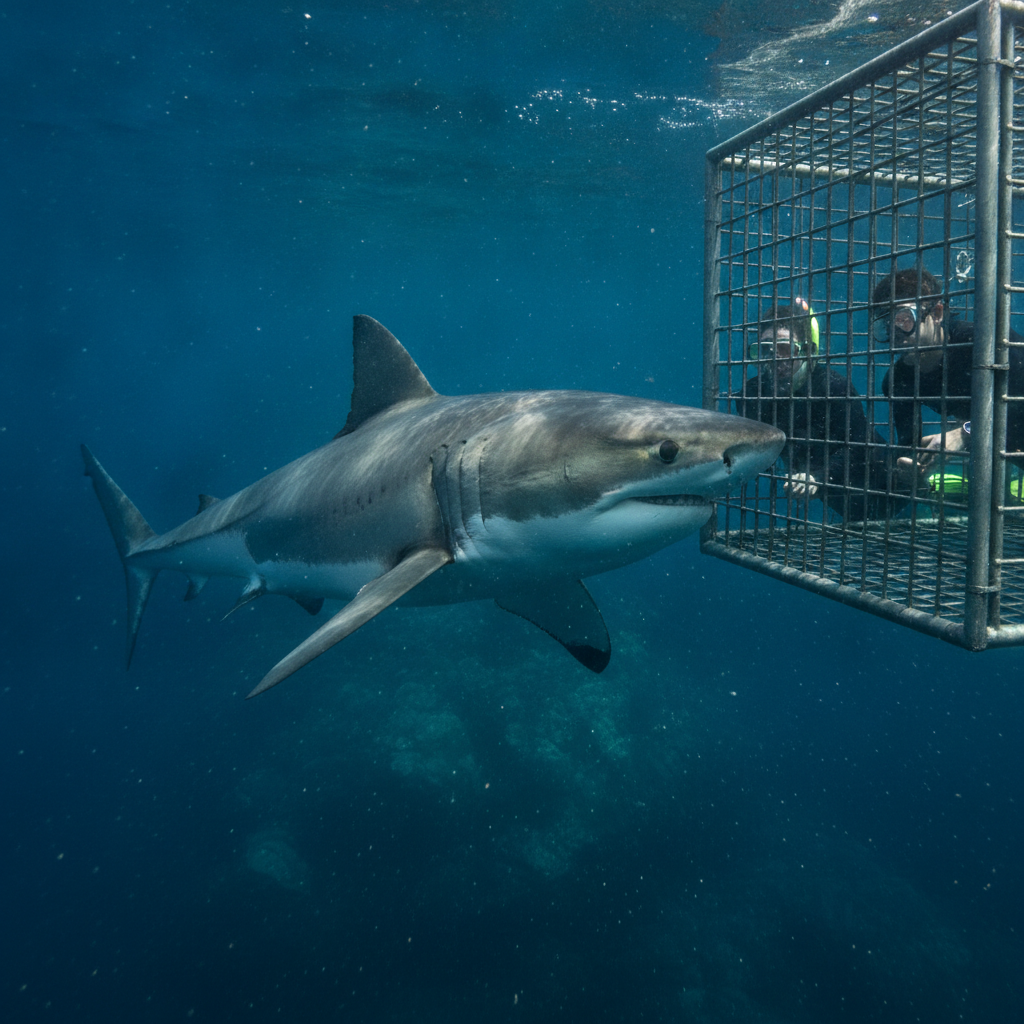
Shark Cage Diving & Whale Watching — The Cape's Ocean Wildlife
Great white shark cage diving at Gansbaai (the coastal town 170 km east of Cape Town, known as the 'Great White Shark Capital of the World' — the highest density of great white sharks (Carcharodon carcharias) in the world is found in the waters between Dyer Island and Geyser Rock (the 'Shark Alley'), driven by the large Cape fur seal colony (approximately 60,000 seals) on Geyser Rock): the cage diving operators (Marine Dynamics, White Shark Projects, Great White Shark Tours) have operated at Gansbaai since the 1990s and the experience has become one of the most iconic wildlife encounters in South Africa.
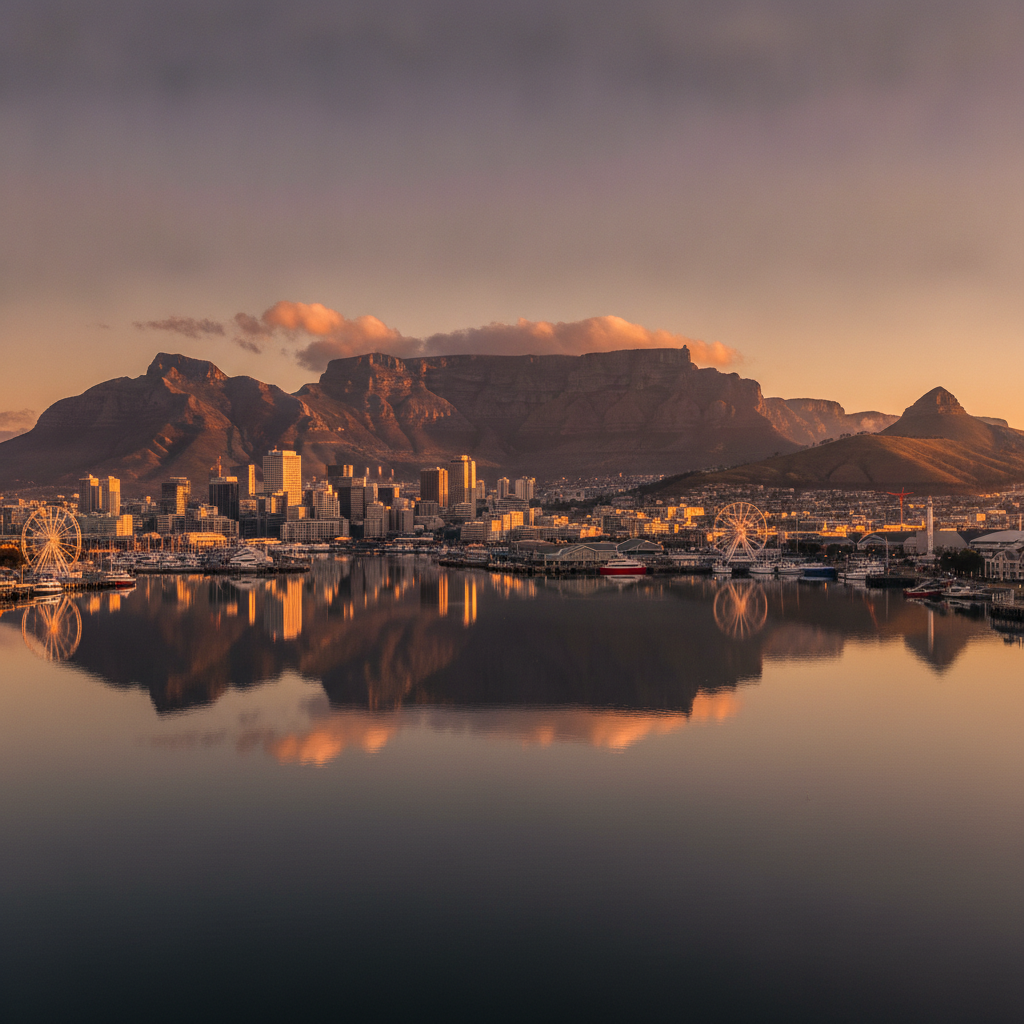
Table Mountain, the Cable Car & the City Bowl — Cape Town's Natural Icon
Cape Town (the legislative capital of South Africa, population approximately 4.6 million, founded 1652 by the Dutch East India Company (VOC) as a refreshment station, at the southwestern tip of the African continent where the Atlantic and Indian Oceans meet): Cape Town is dominated by Table Mountain, the 3 km flat-topped plateau that rises directly behind the city bowl and defines the Cape Town skyline — one of the most dramatic urban landscapes on earth.
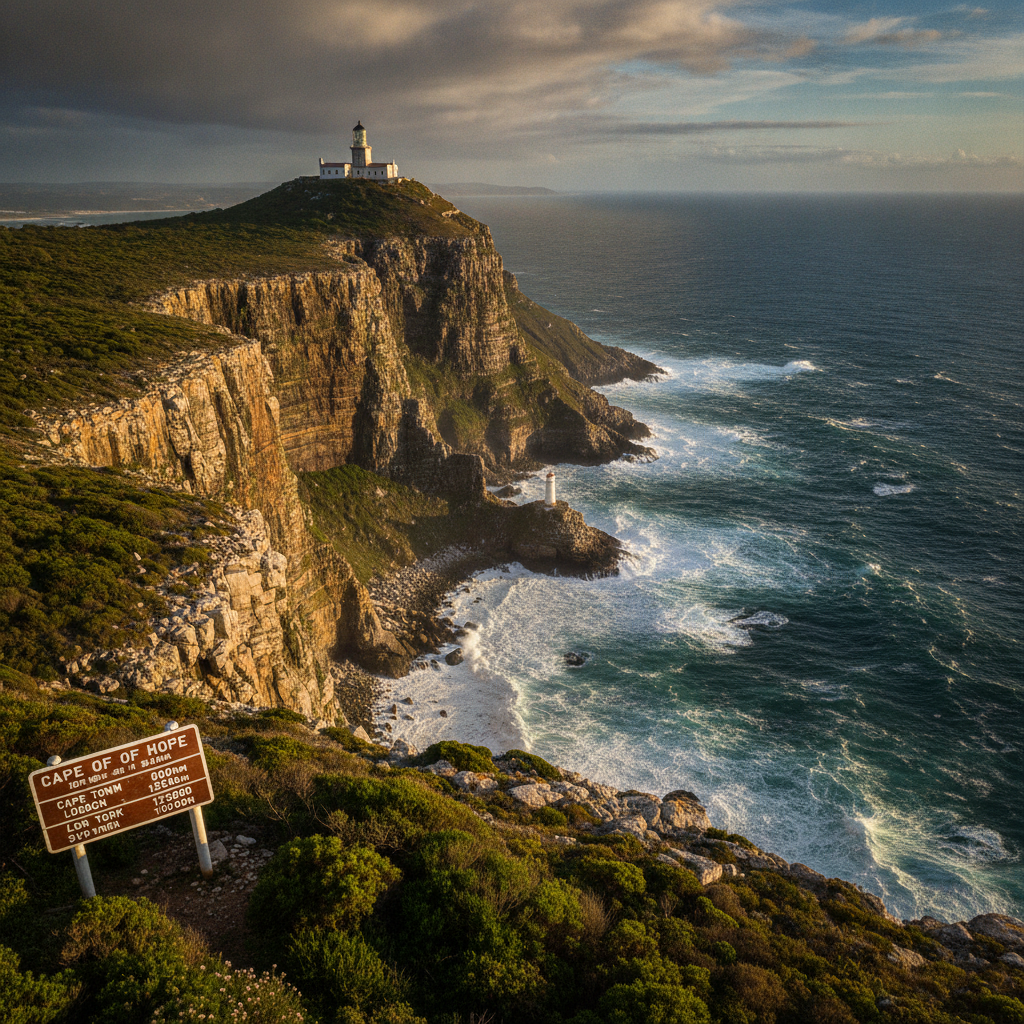
Cape Peninsula Drive — Cape Point, Penguins & Chapman's Peak
The Cape Peninsula (the narrow 75 km peninsula extending south from Cape Town to Cape Point and the Cape of Good Hope, part of the Table Mountain National Park (UNESCO World Heritage) — one of the great scenic drives in the world): the full peninsula circuit (approximately 160 km, taking a full day) passes through Hout Bay, along Chapman's Peak Drive, through Kommetjie, to Cape Point and the Cape of Good Hope, then north through Simon's Town and Boulders Beach (the African penguin colony) back to Cape Town.
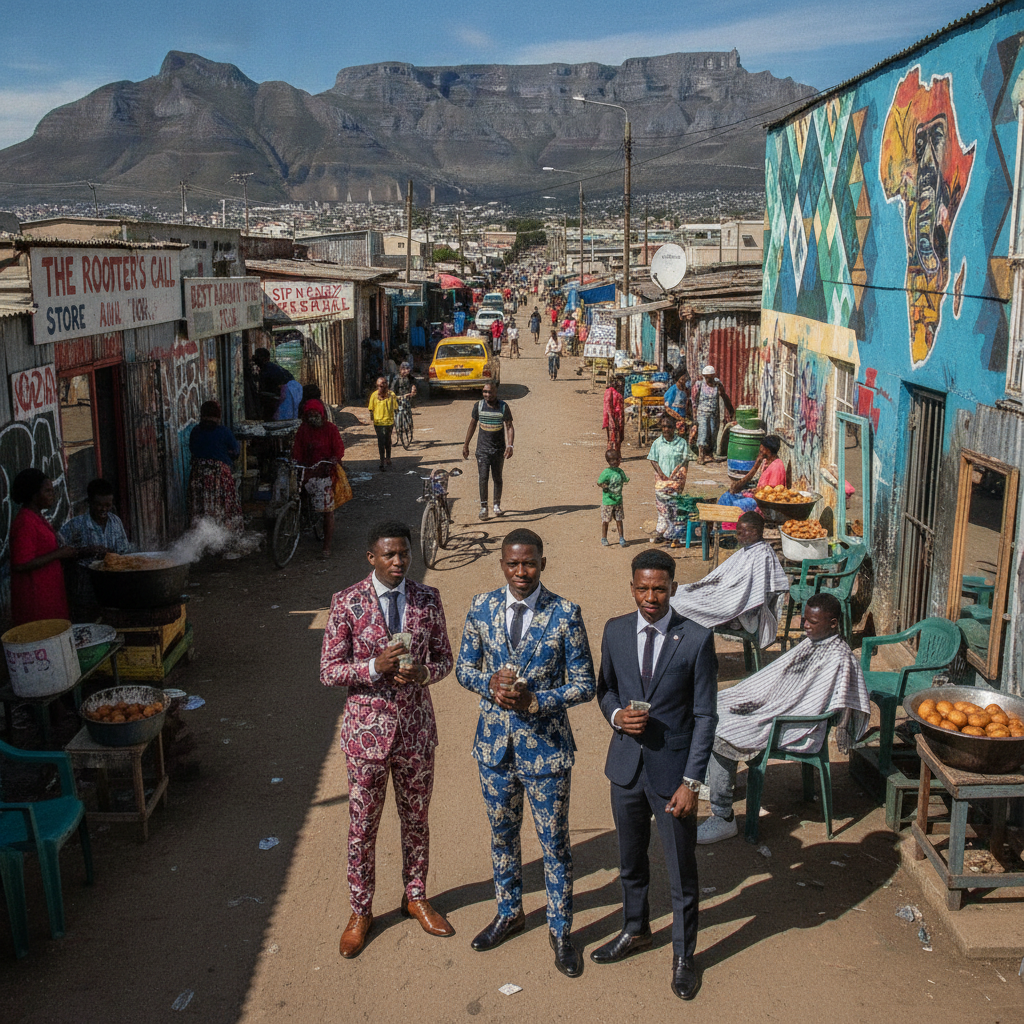
Cape Town Townships — Langa, Khayelitsha & the Living Culture of the Cape Flats
Cape Town's townships (the residential areas on the Cape Flats, established under apartheid to house the Black and Coloured populations forcibly removed from the city and its suburbs — the largest concentration of urban poverty in South Africa outside Johannesburg): Langa (the oldest township in Cape Town, established 1927, now a centre of Xhosa cultural life in Cape Town), Khayelitsha (the largest township in the Cape, established 1983 during apartheid, now home to approximately 1.2 million people), and Gugulethu (established 1958) are the principal destinations for township tourism, which has become one of the most significant cultural tourism sectors in Cape Town since the end of apartheid.
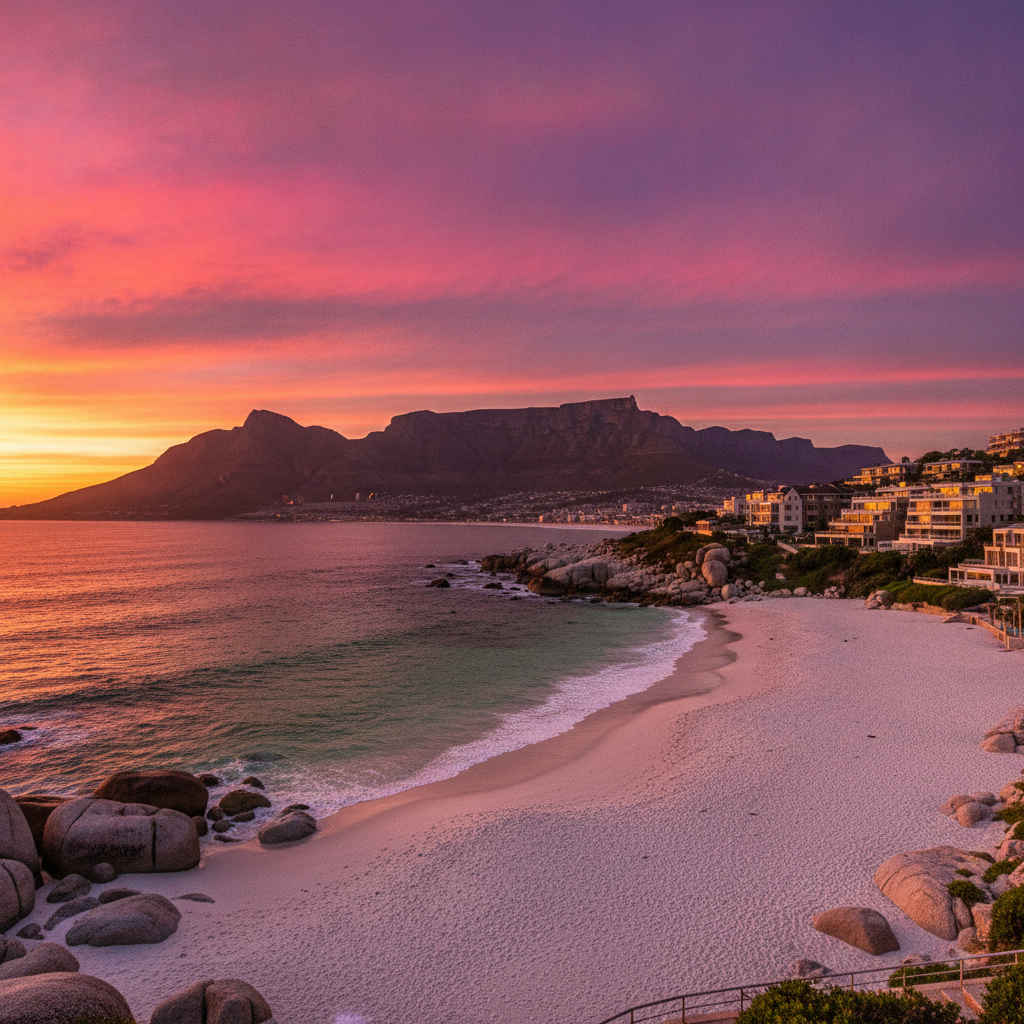
Clifton & Camps Bay — Cape Town's Atlantic Seaboard Beaches
The Atlantic Seaboard (the coastal strip along the western side of the Cape Peninsula, between Sea Point and Hout Bay — the most fashionable residential and beach area in Cape Town): Clifton's four beaches (First, Second, Third, and Fourth Clifton Beach — the sheltered white-sand beaches in the coves below the Clifton apartment buildings, protected from the southerly winds by the granite boulders, with the waters of the Benguela Current (notoriously cold — typically 12-14°C in summer, cold enough to prevent swimming for all but the hardiest)) and Camps Bay (the wide beach below the Twelve Apostles, with its famous strip of restaurants and beach bars on Victoria Road) are the defining beach experiences in Cape Town.