Table Mountain, the Cable Car & the City Bowl — Cape Town's Natural Icon
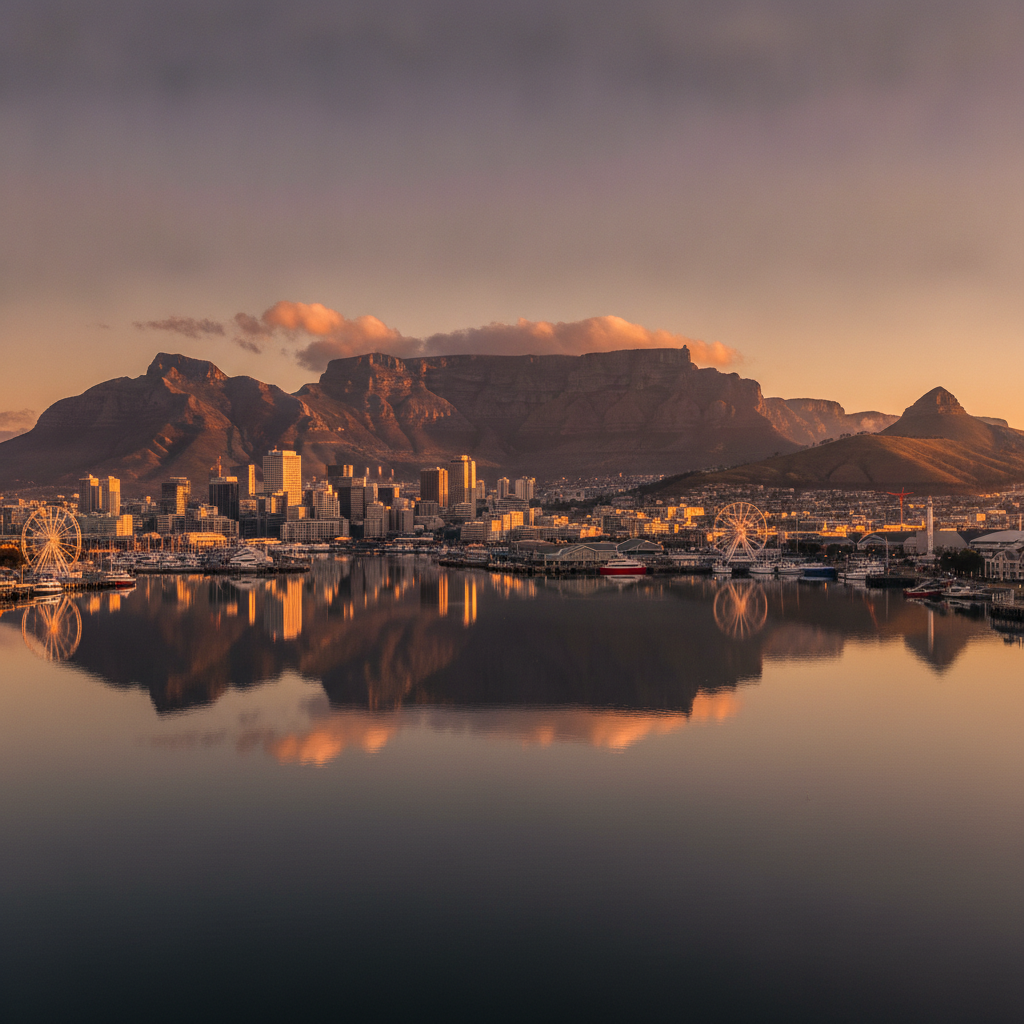
Cape Town (the legislative capital of South Africa, population approximately 4.6 million, founded 1652 by the Dutch East India Company (VOC) as a refreshment station, at the southwestern tip of the African continent where the Atlantic and Indian Oceans meet): Cape Town is dominated by Table Mountain, the 3 km flat-topped plateau that rises directly behind the city bowl and defines the Cape Town skyline — one of the most dramatic urban landscapes on earth.
- 1
Table Mountain — One of the New Seven Wonders of Nature
Table Mountain (1,086 metres — the flat-topped sandstone mountain that rises directly behind the Cape Town city bowl, the defining geographical feature of the Cape Peninsula and one of the most recognizable mountains on earth — recognized as one of the New Seven Wonders of Nature in 2011 and part of the Table Mountain National Park, a UNESCO World Heritage Site since 2004): the mountain plateau (approximately 3 km wide and 1.5 km deep, covered with fynbos (the Cape Floral Region vegetation — the most botanically diverse floral kingdom on earth, with more plant species per square kilometre than the Amazon rainforest)) is the most visited attraction in South Africa (approximately 800,000 visitors per year); the Table Mountain Aerial Cableway (the rotating cable car, in operation since 1929 (renovated 1997), carrying approximately 800 passengers per hour from the Lower Cable Station (Lower Cableway, Tafelberg Road) to the Upper Station on the plateau in approximately 5 minutes) is the most popular way to ascend the mountain; the plateau offers 360° views: the Cape Peninsula extending south to Cape Point, Robben Island (the island prison where Nelson Mandela was imprisoned for 18 years, visible in Table Bay to the north), the Cape Flats, the Hottentots Holland Mountains (to the east), and the Atlantic Ocean stretching to the horizon.
- 2
Lion's Head — Cape Town's Most Popular Hike
Lion's Head (669 metres — the distinctive conical peak immediately west of Table Mountain, separated from the main plateau by Signal Hill (350 metres) — the most popular hiking destination in Cape Town): the Lion's Head circular hike (the 5 km circuit trail that ascends the peak via a path on the south side, with ladder and chain sections on the final steep rocky section near the summit, and descends via the north side — the trail is graded 'moderate' and takes approximately 2-3 hours for the circuit) offers the finest 360° views of any hike in Cape Town: Table Mountain directly to the east, the Atlantic seaboard (Sea Point, Clifton, Camps Bay) below to the west, the Cape Peninsula extending south, and the city bowl and harbour to the north; the Lion's Head full moon hike (the tradition of hiking Lion's Head at night by the light of the full moon — dozens of Cape Town hikers gather monthly for this 'Full Moon Hike') is one of Cape Town's great traditions; Signal Hill (the lower hill connected to Lion's Head, accessible by road) has the noon gun (the historic cannon that has fired at noon every day except Sunday since 1806 (originally to help ships in the harbour check their chronometers)) and the finest sunset views over the Atlantic.
- 3
V&A Waterfront — Cape Town's Working Harbour
V&A Waterfront (the Victoria & Alfred Waterfront — the working harbour and mixed-use precinct at the foot of Table Mountain, named for Queen Victoria (the V) and Prince Alfred (the A — her son, who visited the Cape in 1860 and ceremonially tipped the first bucket of stones into the harbour to begin the Alfred Basin construction): the V&A Waterfront (developed from 1988 as South Africa's most successful urban regeneration project) is the most visited tourist destination in South Africa (approximately 24 million visitors per year) and the largest shopping and entertainment complex in sub-Saharan Africa; the Waterfront complex includes the Victoria Wharf Shopping Centre (the main mall), the Nobel Square (the bronze statues of South Africa's four Nobel Peace Prize laureates — Albert Luthuli (1960), Desmond Tutu (1984), FW de Klerk (1993), and Nelson Mandela (1993)), the Two Oceans Aquarium (the best aquarium in Africa, famous for its collection of Cape fur seals, ragged-tooth sharks, and the world's largest display of live kelp forest), and the Clock Tower (the red octagonal building housing the Cape Town Tourism office, one of the oldest buildings on the Waterfront, dating to 1882).
- 4
Robben Island — Where Nelson Mandela Was Imprisoned
Robben Island (the island in Table Bay, 11 km north of the Cape Town city centre — the former maximum-security prison where Nelson Mandela was imprisoned for 18 of his 27 years in prison (1964-1982), along with other anti-apartheid leaders including Walter Sisulu, Ahmed Kathrada, Govan Mbeki, and Robert Sobukwe — UNESCO World Heritage Site since 1999): the Robben Island ferry (departing from the Nelson Mandela Gateway at the V&A Waterfront, with a 30-minute crossing) takes visitors to the island for a guided tour led by a former prisoner of the island (the most powerful aspect of the experience — hearing personal accounts from those who were imprisoned there); the tour includes Nelson Mandela's cell in Section B of the prison (Cell No. 5 — the small concrete cell (2.1 m × 2.4 m) where Mandela slept on a mat on the floor for 18 years), the quarry where prisoners were forced to break rocks (and where Mandela lost much of his vision from the glare of the reflected sunlight on the white limestone — the injury that contributed to his need to wear tinted glasses in later life), and the views back across Table Bay to Cape Town and Table Mountain.
- 5
Cape Town City Bowl & City Centre
Cape Town's City Bowl (the urban bowl formed between Table Mountain to the south, Signal Hill and Lion's Head to the west, De Waal Park and the M3 motorway to the east, and the harbour to the north — the historic centre of Cape Town): the city bowl contains the historic heart of Cape Town: the Castle of Good Hope (the five-pointed star fort built by the Dutch East India Company (VOC) between 1666 and 1679 — the oldest surviving colonial building in South Africa, now a museum and the headquarters of the South African Army Western Cape); the Company's Garden (the original vegetable garden planted by Jan van Riebeeck in 1652 to supply the VOC refreshment station, now the botanical garden at the heart of the CBD — the oldest cultivated garden in sub-Saharan Africa, with an 18th-century pear tree (a Stinkwood (Ocotea bullata) — not actually a pear tree) as its oldest living specimen); Greenmarket Square (the historic market square, surrounded by Art Deco buildings, now the city's main informal market for African craft goods); and the Bo-Kaap (the historic Cape Malay quarter on the slope of Signal Hill, famous for its brightly painted houses in shades of pink, yellow, and green — the most photographed street scene in Cape Town).
- 6
Bo-Kaap & Cape Malay Culture
Bo-Kaap (the historic neighbourhood on the lower slopes of Signal Hill, above the Cape Town CBD — the historic home of Cape Town's Cape Malay community (the descendants of enslaved people and political exiles brought to the Cape from the Dutch East Indies (now Indonesia), Malaysia, Sri Lanka, and Madagascar between 1652 and 1808 by the Dutch East India Company)): the Bo-Kaap is famous for its brightly painted houses (the tradition of painting the houses in vivid colours (pink, yellow, lime green, orange, turquoise, cobalt blue) began after the abolition of slavery in 1834, when the freed slaves painted their formerly unpainted white rental cottages in celebration of their freedom), the cobblestone streets (the original cobblestones of Wale Street, Chiappini Street, and Rose Street are the finest surviving examples of Cape Town's historic street surfaces), and the Cape Malay cuisine (the distinctive fusion cuisine of the Cape Malay community, combining Dutch, Indonesian, Malaysian, Indian, and African culinary traditions — the bobotie (spiced minced meat with an egg custard topping, the national dish of South Africa), the bredie (Cape Malay slow-cooked stew), the koeksister (the twisted fried dough pastry in syrup — the Cape Malay version is more spiced than the Afrikaner version), the sosatie (the Cape Malay kebab), and the koesisters (spiced doughnuts)).
Walk this route with audio
Stories play automatically as you reach each stop — no tapping needed.
More in cape-town
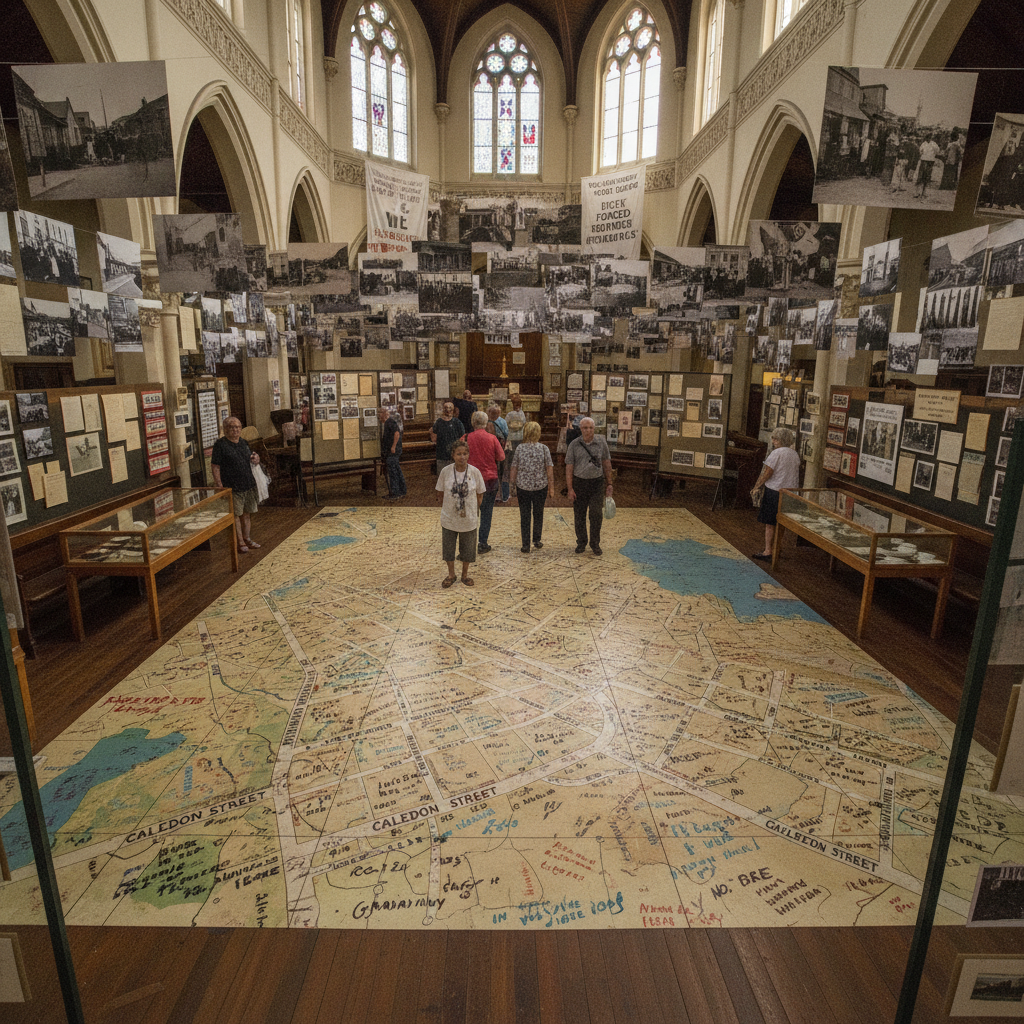
District Six, the Apartheid Museum & Cape Town's History
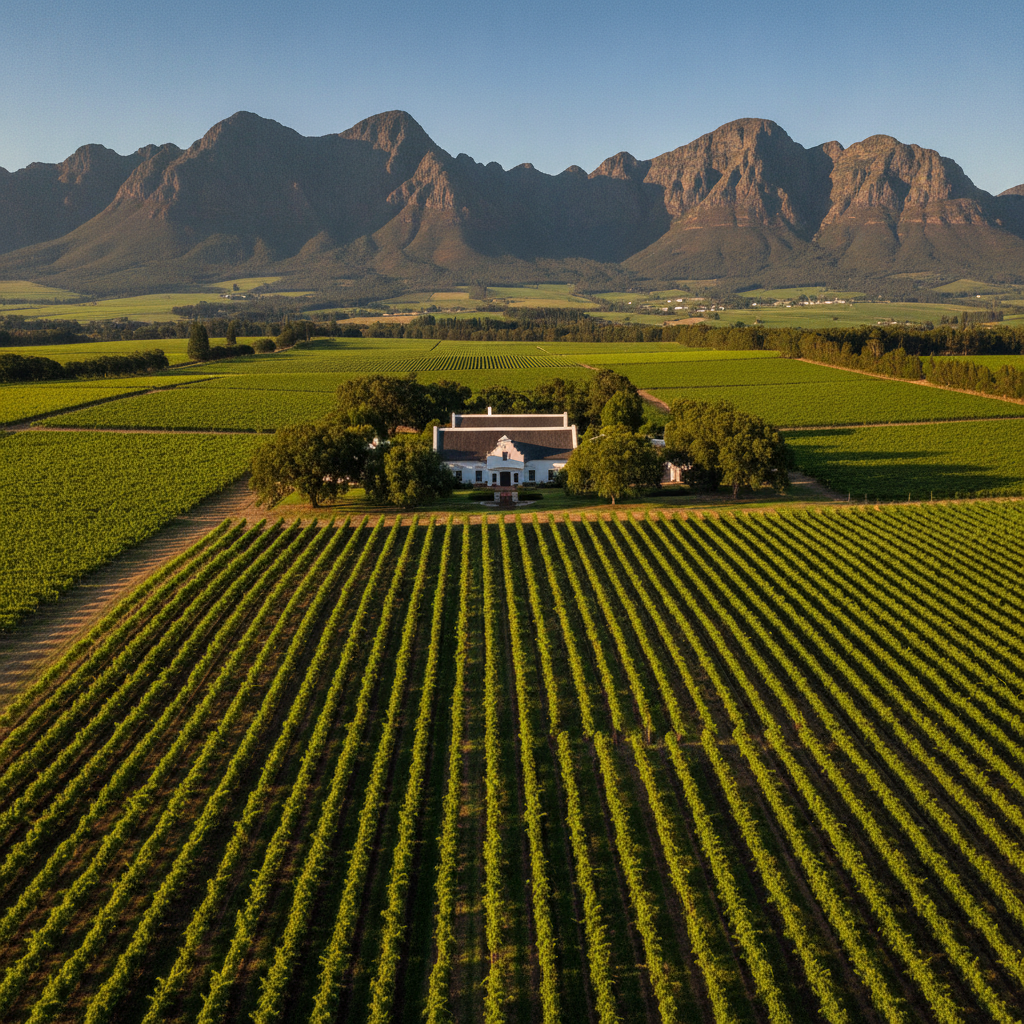
Stellenbosch, Franschhoek & the Cape Winelands — South Africa's Wine Heartland
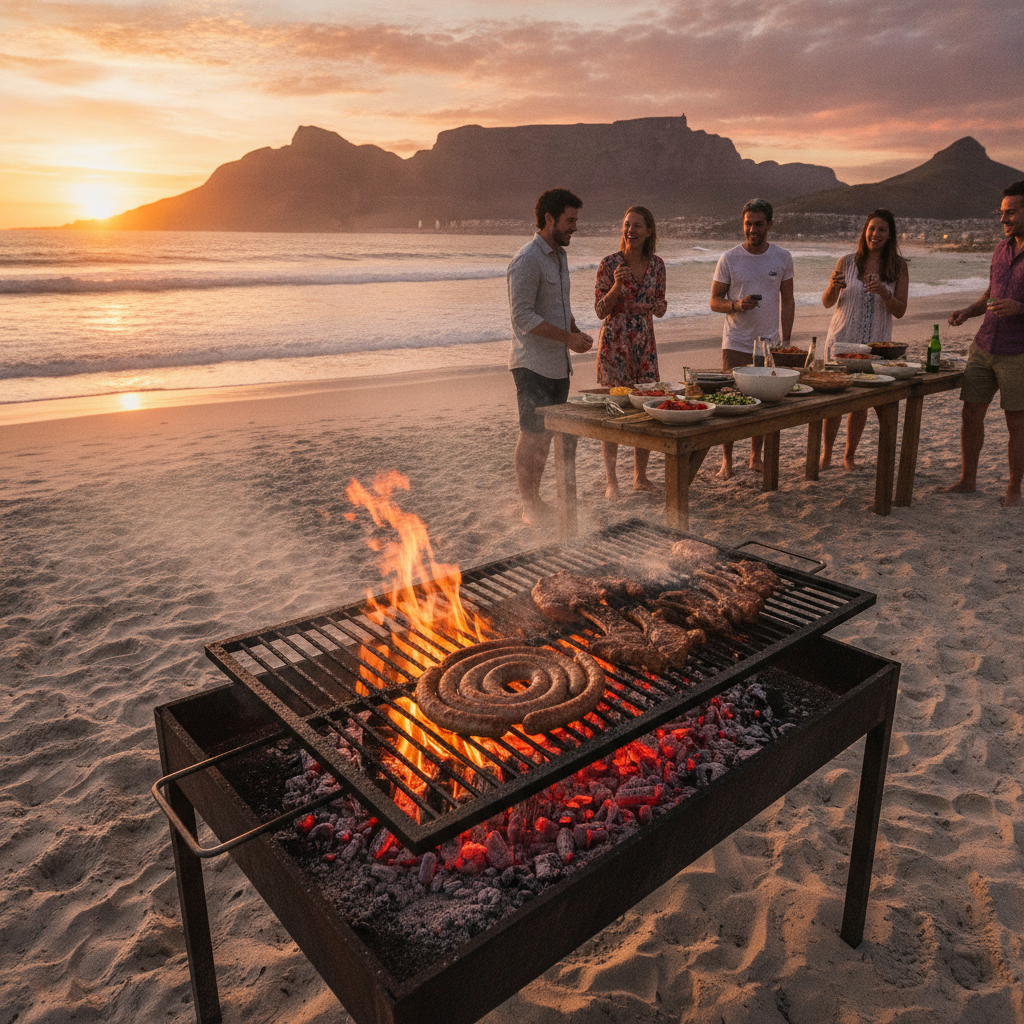
Braai Culture, Cape Malay Food & the Taste of Cape Town
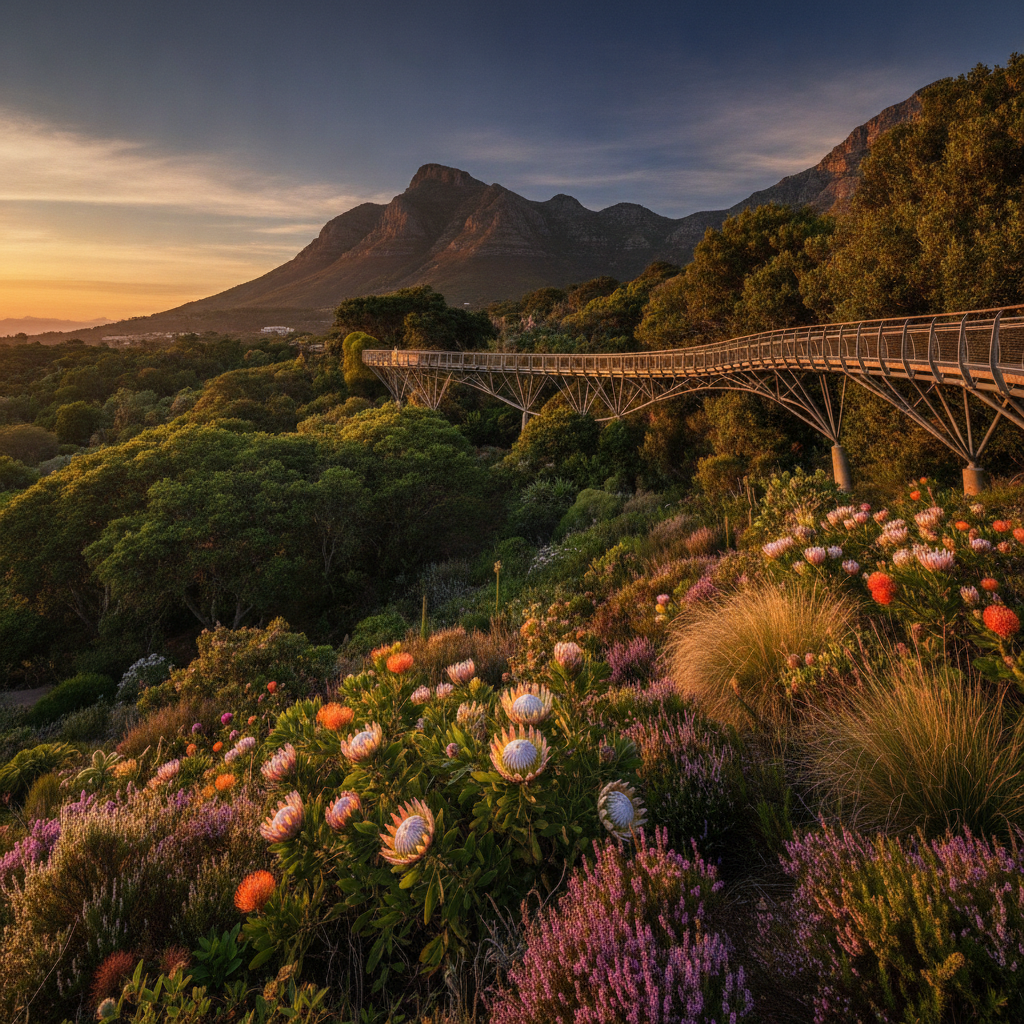
Kirstenbosch & the Cape Floral Kingdom — World's Most Biodiverse Garden
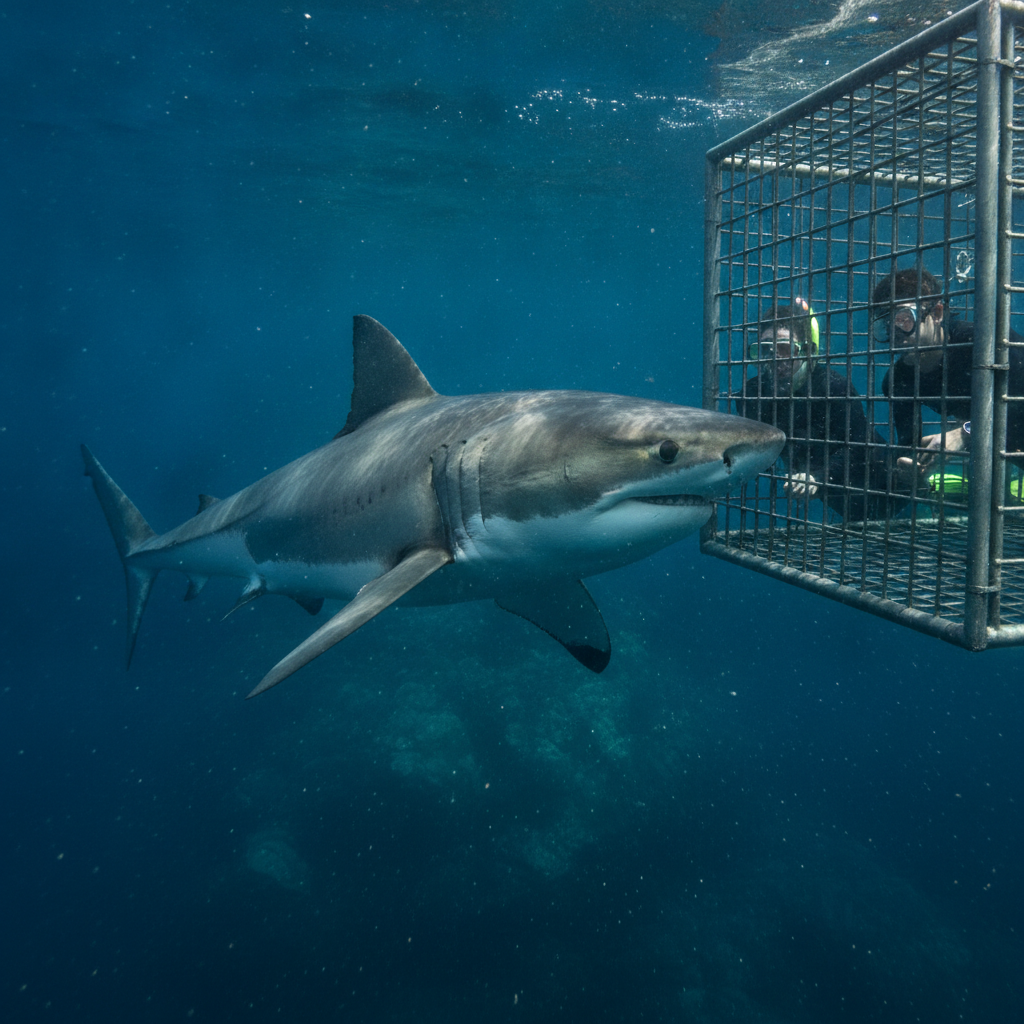
Shark Cage Diving & Whale Watching — The Cape's Ocean Wildlife