Yazd Silk Weaving and Termeh Textile Tradition
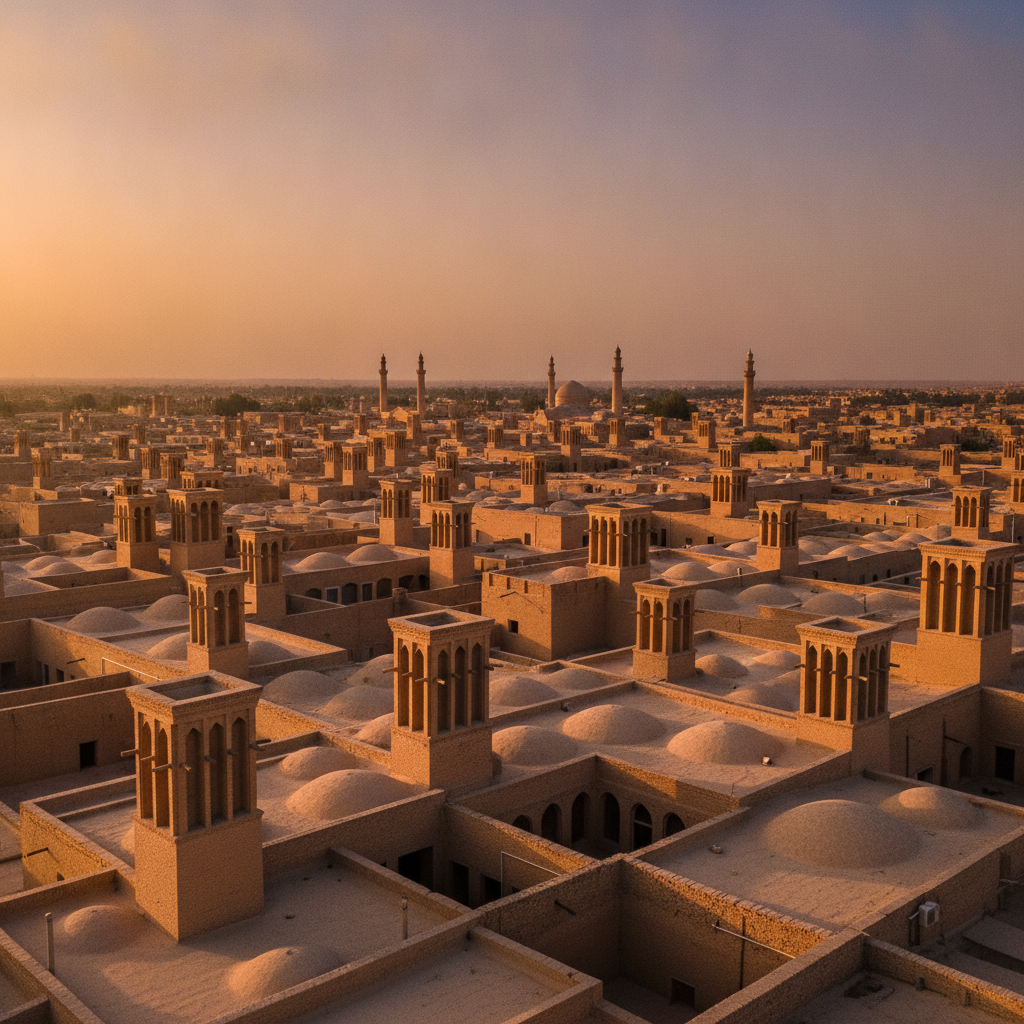
Discover the silk weaving tradition of Yazd where the city has been a center of Persian textile production since the Sassanid period, specializing in the exquisite termeh woven fabric and various silk brocades that represent some of the finest textile craft in the Islamic world.
- 1
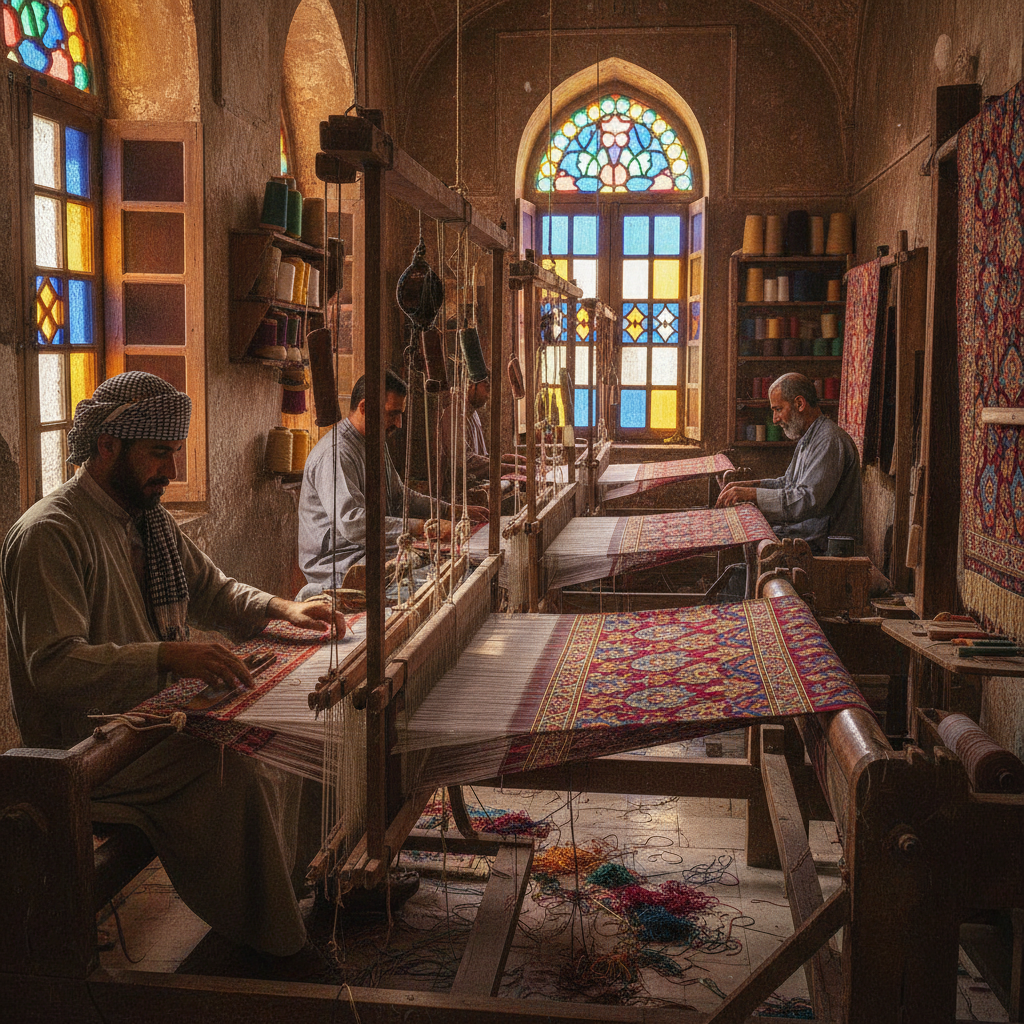
Traditional Silk Workshop
Enter a traditional Yazdi silk workshop where handlooms produce the termeh fabric — a complex woven textile with intricate patterns in jewel-bright colors — the weaving process requiring extraordinary skill and patience that explains why fine termeh has been a luxury product since the Sassanid period.
- 2
Termeh Pattern Designs
Examine the termeh pattern designs where the traditional Persian boteh (paisley) motif, cypress tree patterns, and geometric borders are woven in combinations of silk and wool that create the characteristic sheen and texture of this uniquely Persian luxury textile.
- 3
Dyeing Process
See the textile dyeing process where natural dyes — pomegranate rind, weld, indigo, and madder — are used in traditional recipes to produce the specific palette of colors that characterize authentic Yazdi termeh, the natural dye tradition providing colors that artificial dyes cannot replicate.
- 4
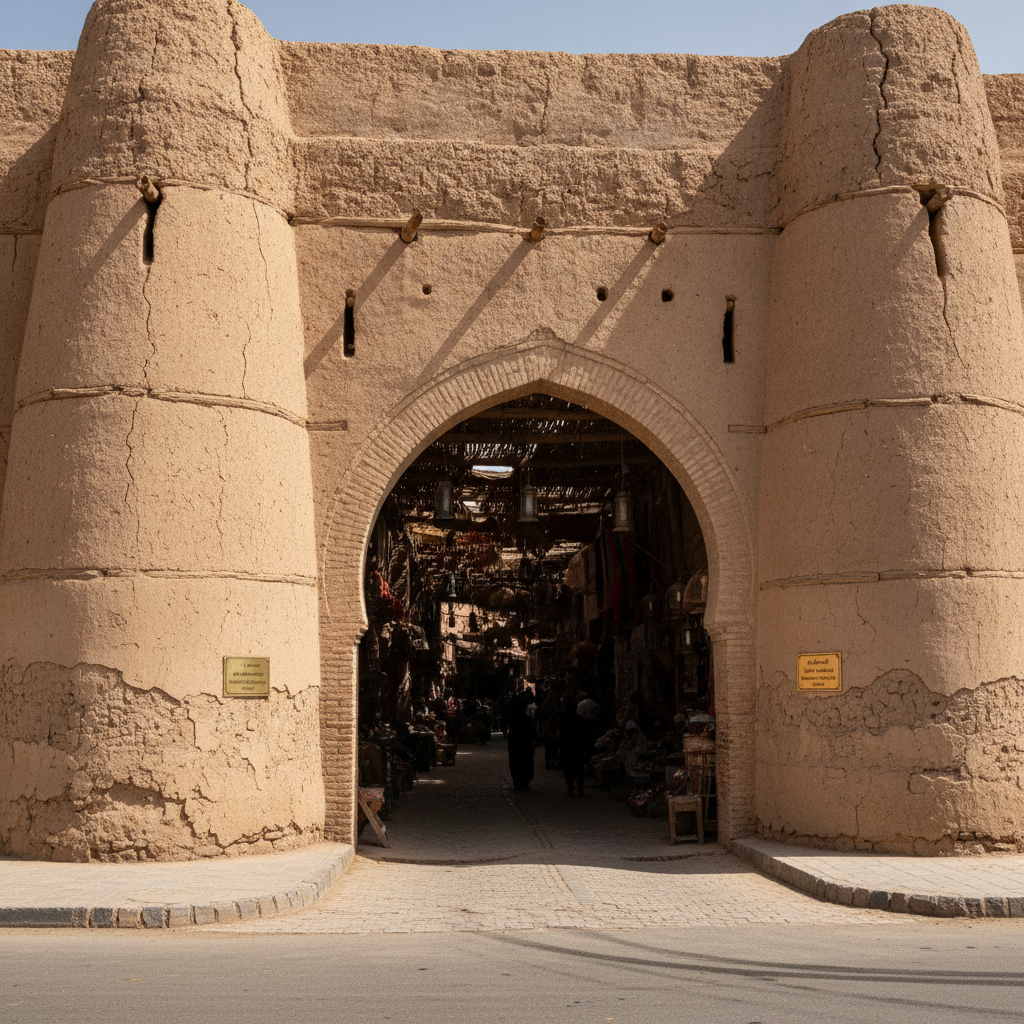
Silk Bazaar
Browse the silk bazaar section of Yazd's covered market where termeh, silk brocades, and other traditional textiles are sold alongside the modern synthetic versions that make the designs accessible at lower prices, the bazaar providing a complete picture of Yazd's textile economy.
- 5
Carpet Weaving Workshop
Visit a carpet weaving workshop where the Persian carpet tradition continues alongside the silk textile production, the weavers working from paper cartoons translating traditional Persian garden and medallion designs into knotted pile in wool or silk on traditional vertical looms.
- 6
Textile Museum
Visit the Yazd textile museum where historical examples of Persian silk weaving from the Safavid, Qajar, and earlier periods are displayed alongside the tools of production, the collection demonstrating the extraordinary continuity of the Persian textile tradition through the Islamic centuries.
Walk this route with audio
Stories play automatically as you reach each stop — no tapping needed.