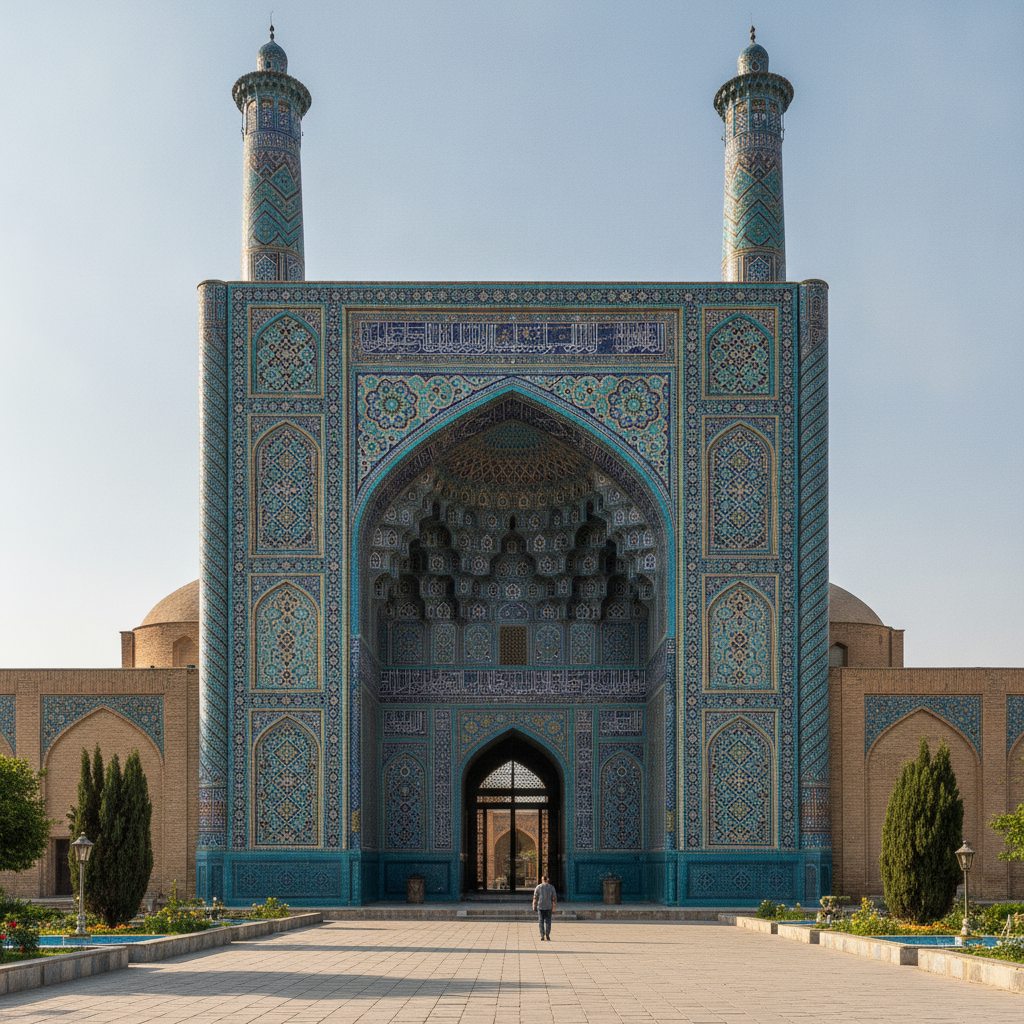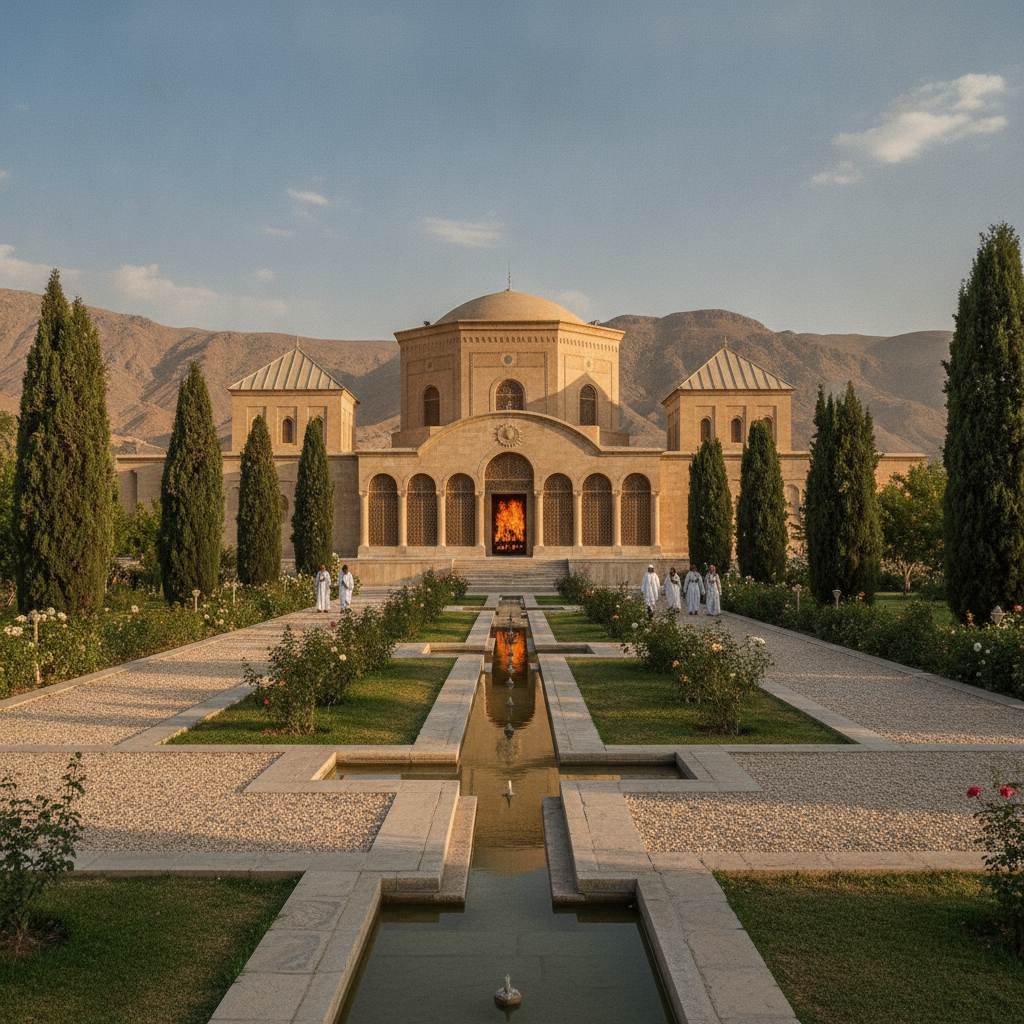
Atashkadeh Sacred Zoroastrian Fire Temple
Visit the Atashkadeh fire temple where the sacred flame has burned continuously for over 1,500 years, never extinguished since it was lit in the Sassanid period, making it one of the world's most ancient continuously burning fires and the most sacred site in Iranian Zoroastrianism.
- 1
Temple Approach
Approach the Atashkadeh through its garden where the combination of Persian formal garden design and Zoroastrian sacred architecture creates an atmosphere of serene religious purpose, the fire temple's exterior facade bearing the symbol of Ahura Mazda in the traditional Zoroastrian iconographic style.
- 2
Sacred Flame Chamber
View through the glass window the sacred flame burning in its urn in the inner sanctum, the fire that has burned continuously since 470 CE when it was brought from the Pars province, tended by Zoroastrian priests who maintain the flame's purity through continuous ritual attention.
- 3
Faravahar Symbol
Examine the Faravahar symbol — the winged human figure that is Zoroastrianism's most recognizable icon — displayed on the temple facade and throughout the interior, the ancient symbol representing the human soul's connection to Ahura Mazda and the path toward righteousness.
- 4
Historical Exhibition
Study the historical exhibition within the temple complex explaining Zoroastrianism's origins, its role as the state religion of the Achaemenid, Parthian, and Sassanid Persian empires, and its survival in Yazd after the Islamic conquest of Persia in the 7th century CE.
- 5
Priest Encounter
If a Zoroastrian priest is present, learn about the priestly rituals that maintain the sacred fire — the specific fuels used, the prayers recited, the dress code required, and the ancestral lineages of the dastur priests who have tended this particular flame for generations.
- 6
Community Prayer
Observe or learn about the Nowruz and other Zoroastrian celebrations held at the Atashkadeh where the fire temple functions as the spiritual center of Yazd's Zoroastrian community, the festivals connecting the ancient Persian religious calendar to the living faith of Iran's oldest surviving religious community.
Walk this route with audio
Stories play automatically as you reach each stop — no tapping needed.
More in yazd
Chak Chak Zoroastrian Mountain Pilgrimage
Yazd Persian Sweets and Traditional Cuisine
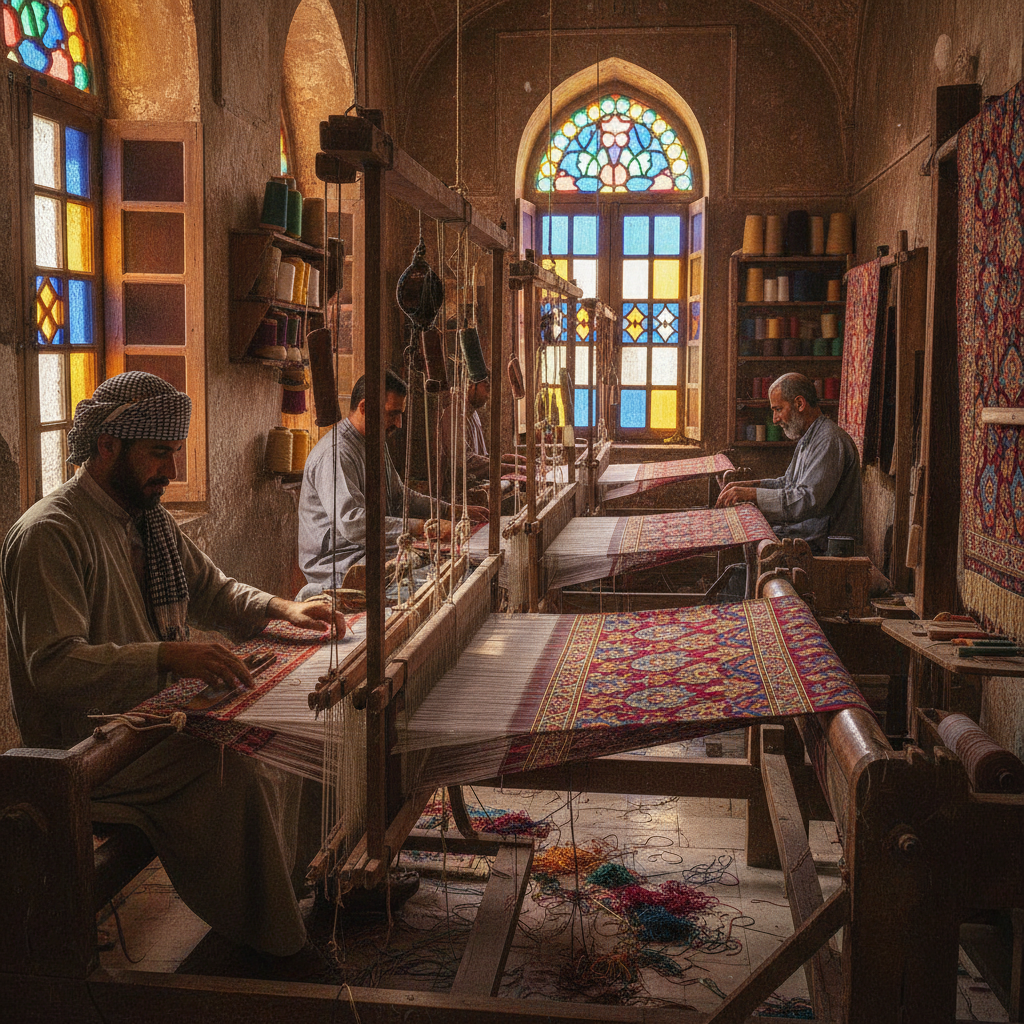
Yazd Silk Weaving and Termeh Textile Tradition
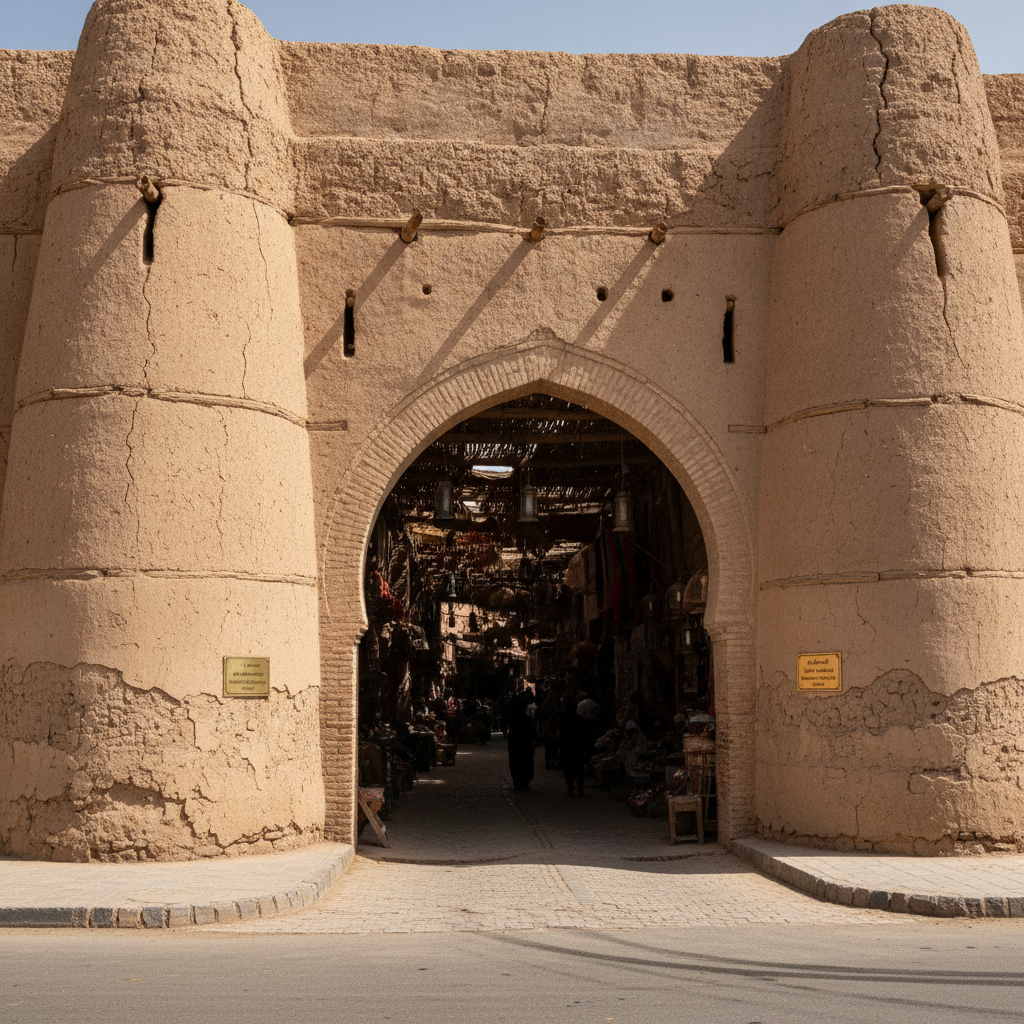
Old City Mud-Brick Labyrinth UNESCO Heritage Walk
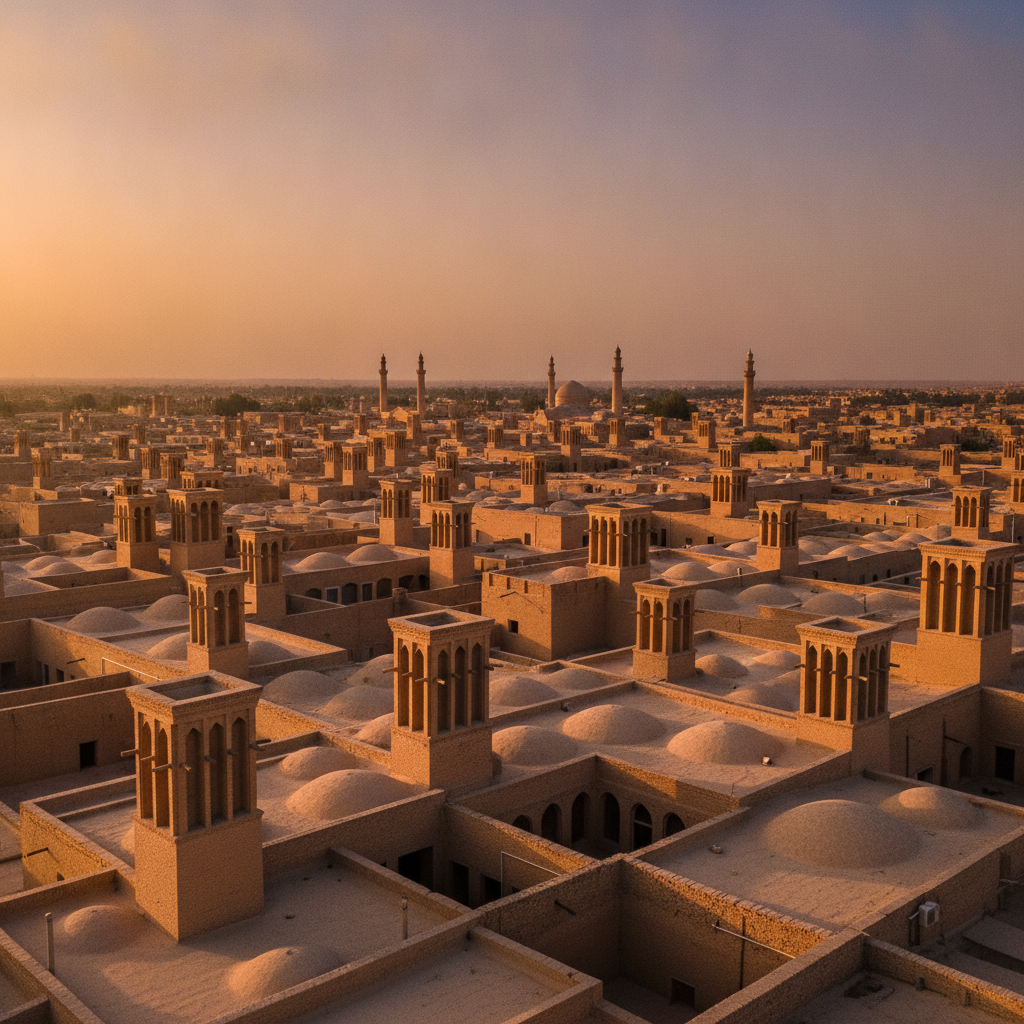
Badgir Wind Towers Ancient Desert Cooling System