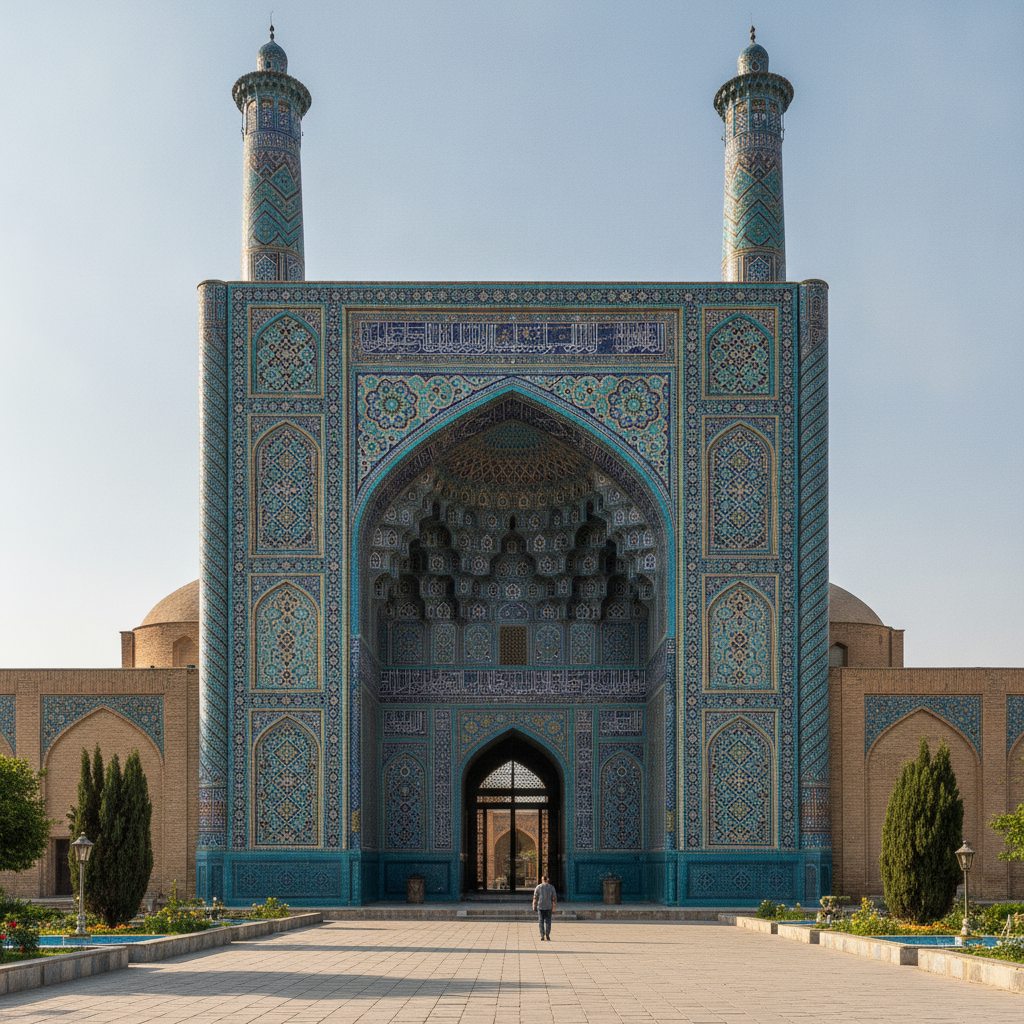
Old City Mud-Brick Labyrinth UNESCO Heritage Walk
Wander the UNESCO World Heritage old city of Yazd where the mud-brick architecture — unchanged in its essential forms for 3,000 years — creates a labyrinth of narrow covered lanes, windowed courtyards, and ancient neighborhoods that make this one of the world's oldest continuously inhabited cities.
- 1
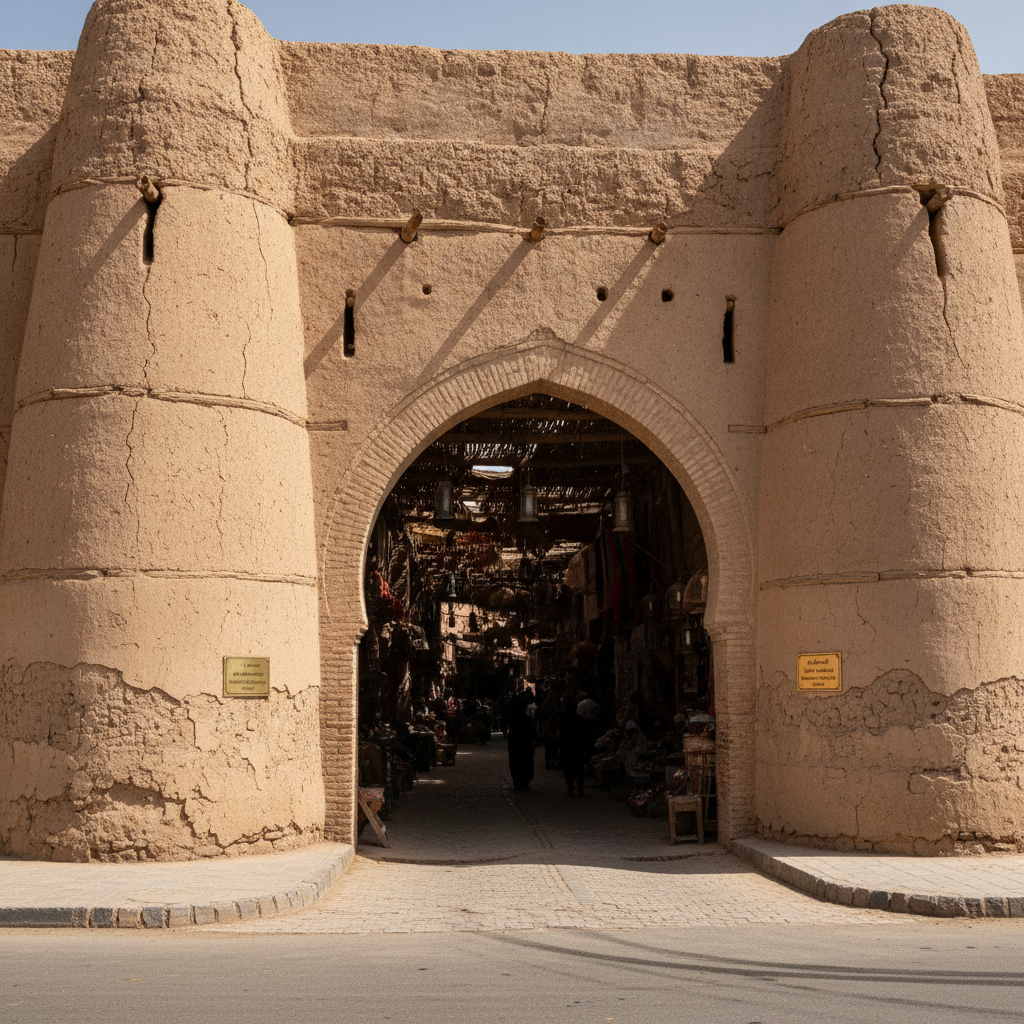
Old City Gate
Enter the old city through one of its traditional entrances where the mud-brick walls rise on either side and the narrow covered lanes of the bazaar create an immediate transition from the modern city to one of the world's oldest urban environments, continuously inhabited for at least 3,000 years.
- 2
Covered Bazaar Lanes
Walk the covered bazaar lanes where the vaulted mud-brick roofs provide shade from the desert sun, the traditional market architecture creating a climate-controlled commercial environment that has served merchants in this desert trading city since the pre-Islamic Sassanid period.
- 3
Traditional Courtyard Houses
Glimpse into the traditional courtyard houses accessible from the narrow lanes where the inward-facing architecture — blank exterior walls giving way to elaborate interior courtyards with gardens and fountains — reflects the privacy values and climate adaptation of Persian desert domestic design.
- 4
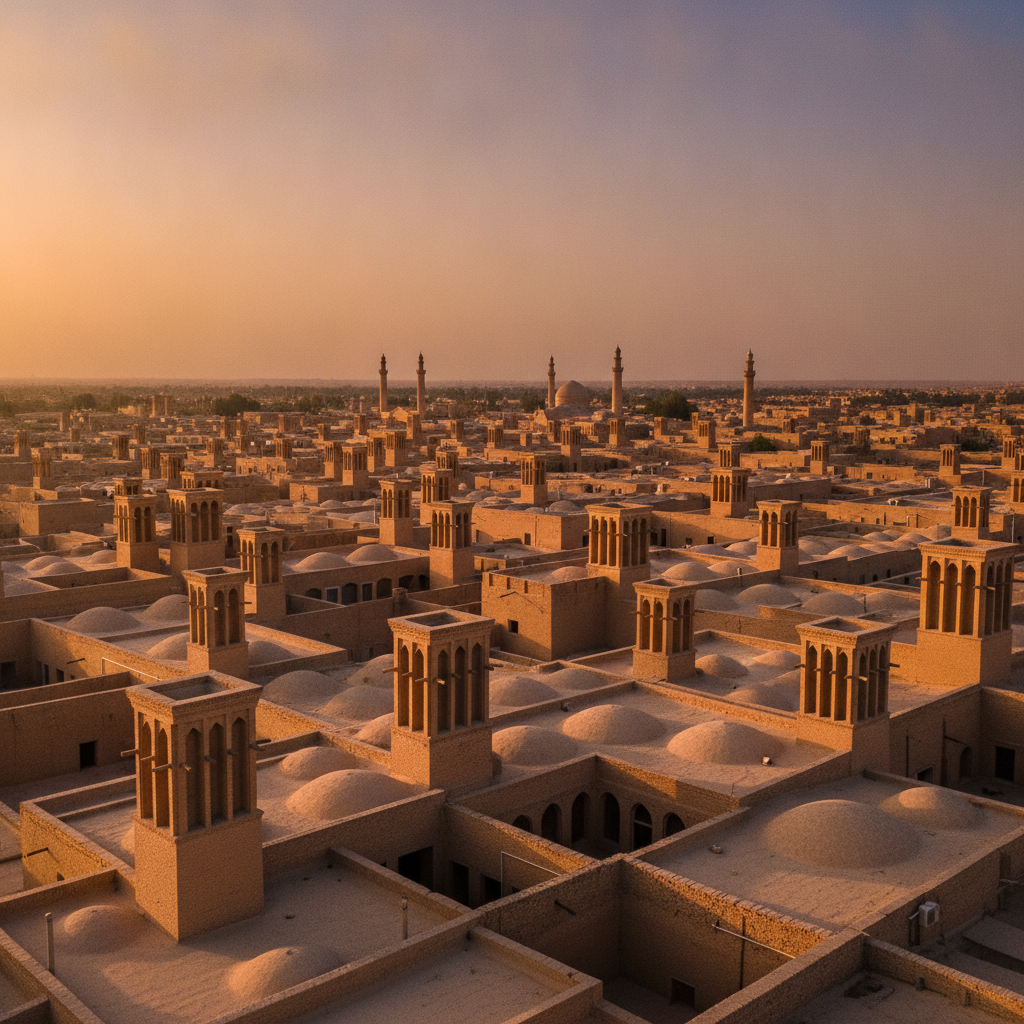
Old City Rooftops
Climb to the rooftops accessible from some guesthouses to see Yazd from above where the sea of mud-brick domes, wind towers, and courtyard voids creates a roofscape of extraordinary texture and complexity, the aerial view revealing the geometric logic underlying the apparently random labyrinth below.
- 5
Khan-e Lariha Heritage House
Visit the Lari House, one of Yazd's finest restored historic mansions where the interior of a prosperous 19th-century Persian merchant house — with its mirrored reception rooms, wind tower, underground water reservoir, and garden courtyard — demonstrates the sophisticated lifestyle the mud-brick city supported.
- 6
Sunset View
Watch the sunset from the old city where the low desert light turns the mud-brick walls golden and the wind tower silhouettes create dramatic shadows, the hour when the ancient city is most beautiful and when its 3,000-year continuity of human habitation feels most tangible.
Walk this route with audio
Stories play automatically as you reach each stop — no tapping needed.