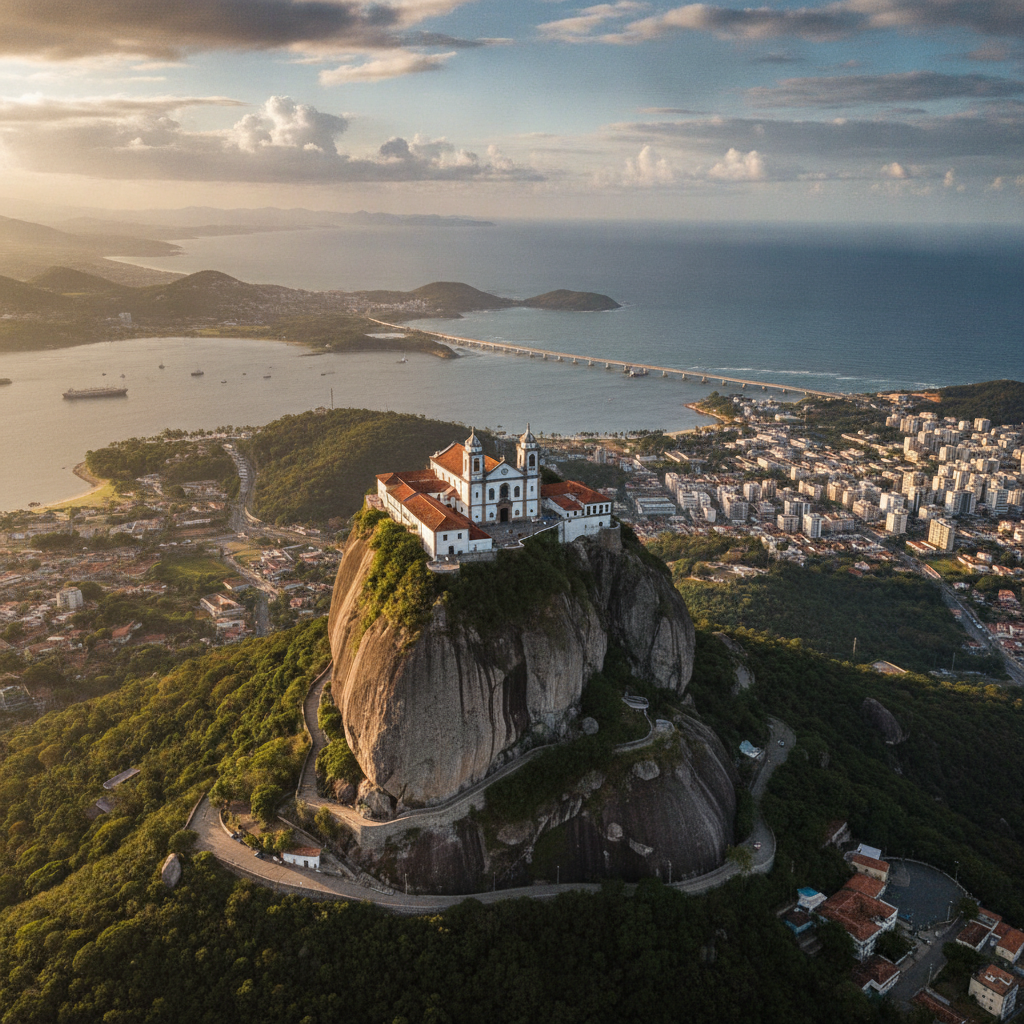
Vitória's Iron Economy: Vale, Tubarão Port & Minas Connection
Vitória's economy is built on iron ore — the Vale company's Tubarão port complex is one of the world's largest iron ore export terminals; the connection between Minas Gerais mining and Vitória's bay defines the city
- 1
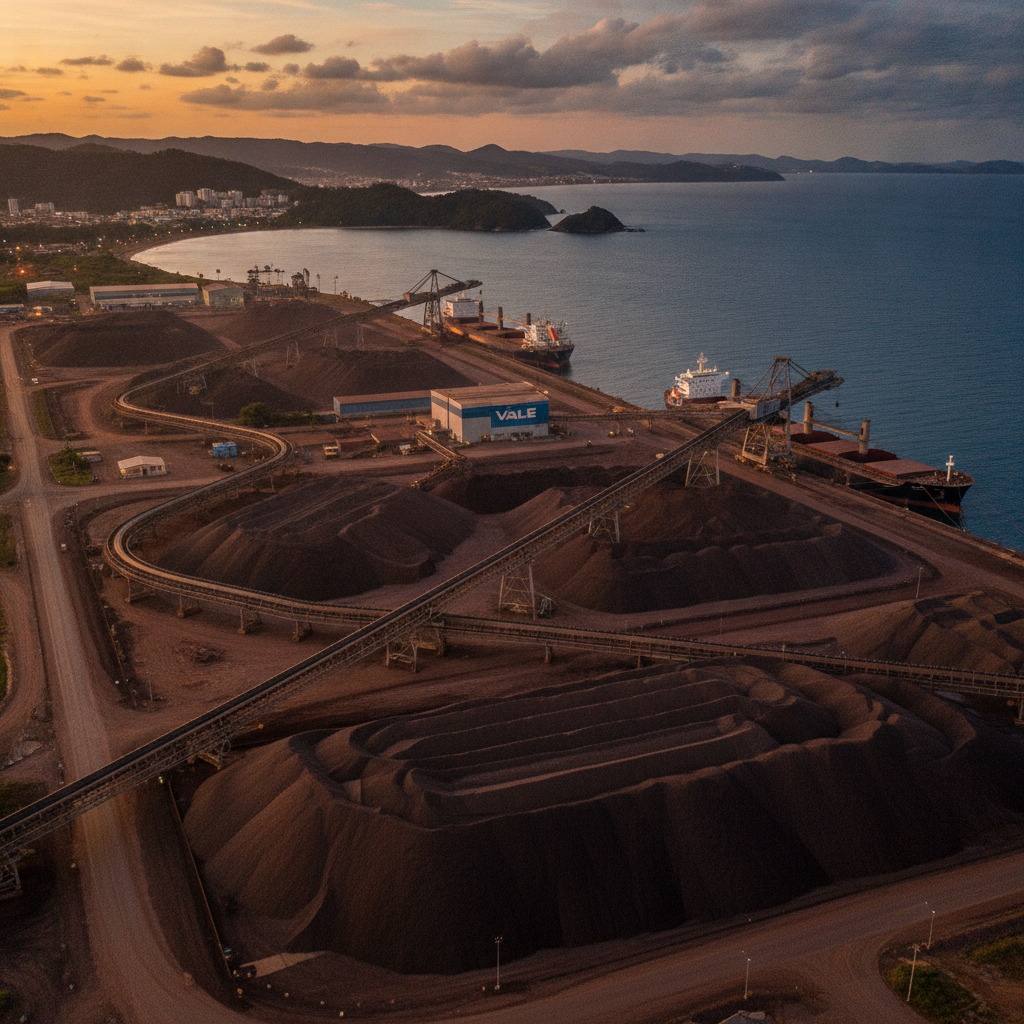
Tubarão Iron Ore Port
The CVRD (now Vale) Tubarão port terminal — one of the world's largest bulk cargo ports — handles the iron ore transported by rail from Minas Gerais; the scale of the ore stockpiles and loading equipment is industrially sublime
- 2
Vitória-Minas Railway
The Vitória-Minas railway — 905 km connecting the iron ore mines of Itabira in Minas Gerais with the port of Vitória — carries one of the world's highest volumes of freight rail; the train journey through the mountains is extraordinary
- 3
Companhia Vale do Rio Doce History
Vale – originally CVRD – was Brazil's main state-owned company before privatization in 1997; the company transformed Vitória from a colonial backwater into one of Brazil's busiest ports
- 4
Port Pollution History
The iron ore dust from the Tubarão terminal covered Vitória in red dust for decades — the conflict between the port economy and the city's quality of life is a significant urban history; dust reduction technology has improved the situation
- 5
Caparaó Mountains Mining Region
The mountains of the Caparaó region — with Pico da Bandeira, Brazil's third highest mountain — are the environmental context for the mining that has shaped Espírito Santo's economy
- 6
Aracruz cellulose
The Aracruz pulp mill in northern Espírito Santo — one of the world's largest producers of eucalyptus pulp — is another face of the state's extractive economy; the eucalyptus plantations have replaced the Atlantic Forest throughout the state
Walk this route with audio
Stories play automatically as you reach each stop — no tapping needed.
More in Vitória
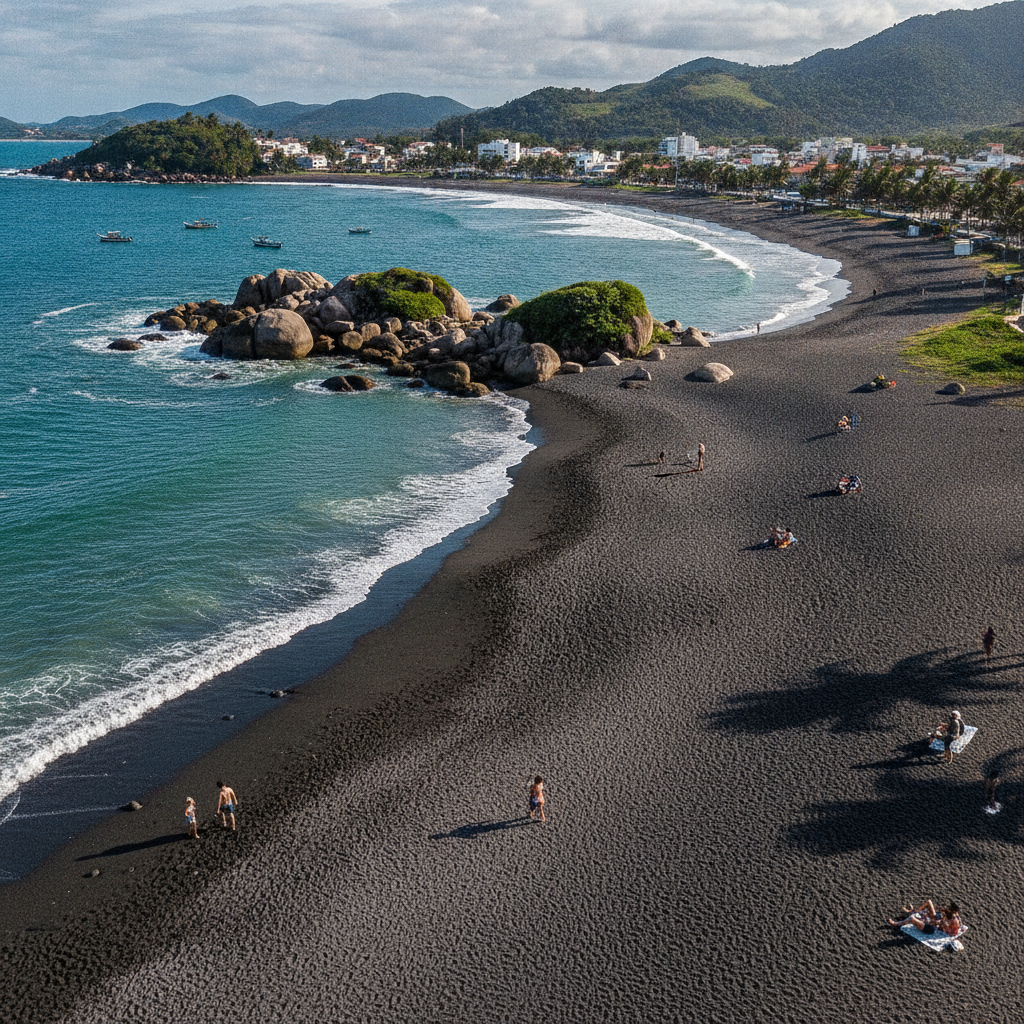
Espírito Santo Coast: Guarapari's Radioactive Black Sands
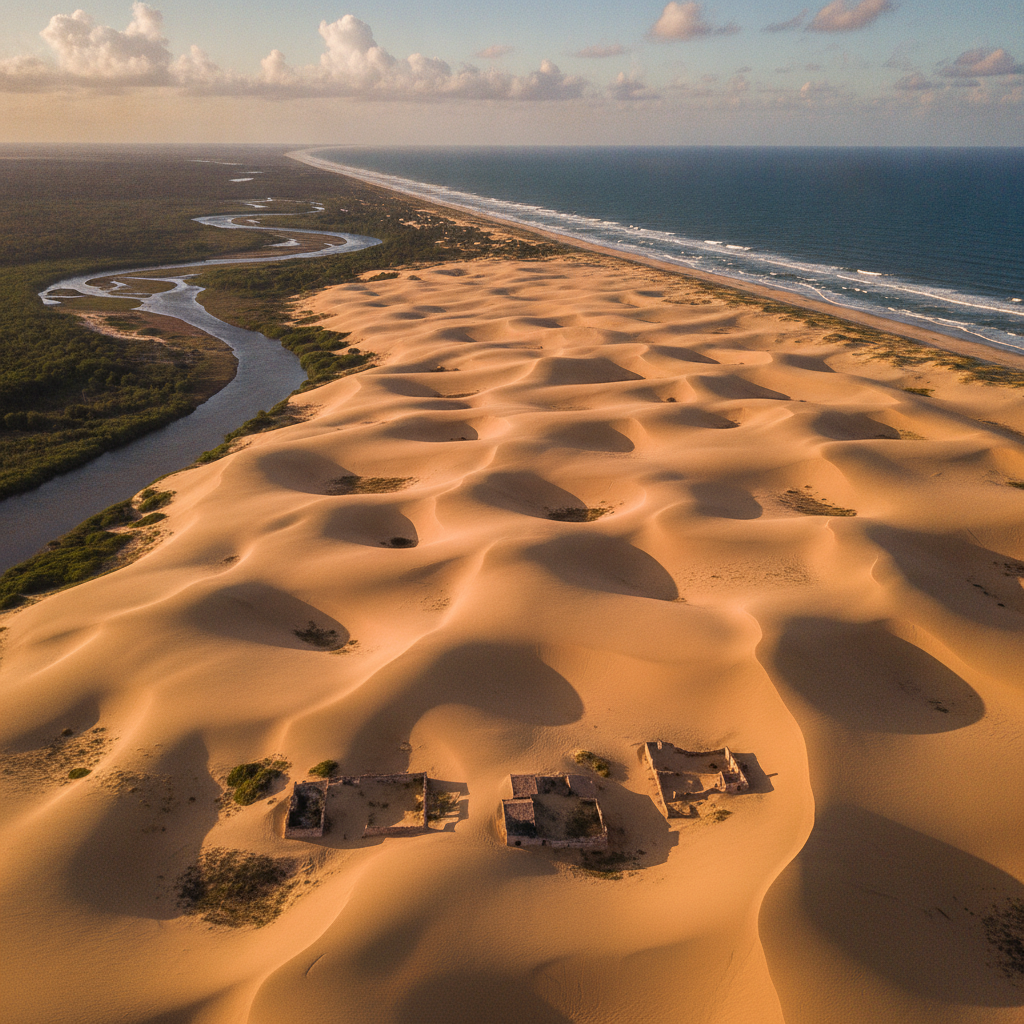
Itaúnas: Where Dunes Buried a Town & Forró Found a Home
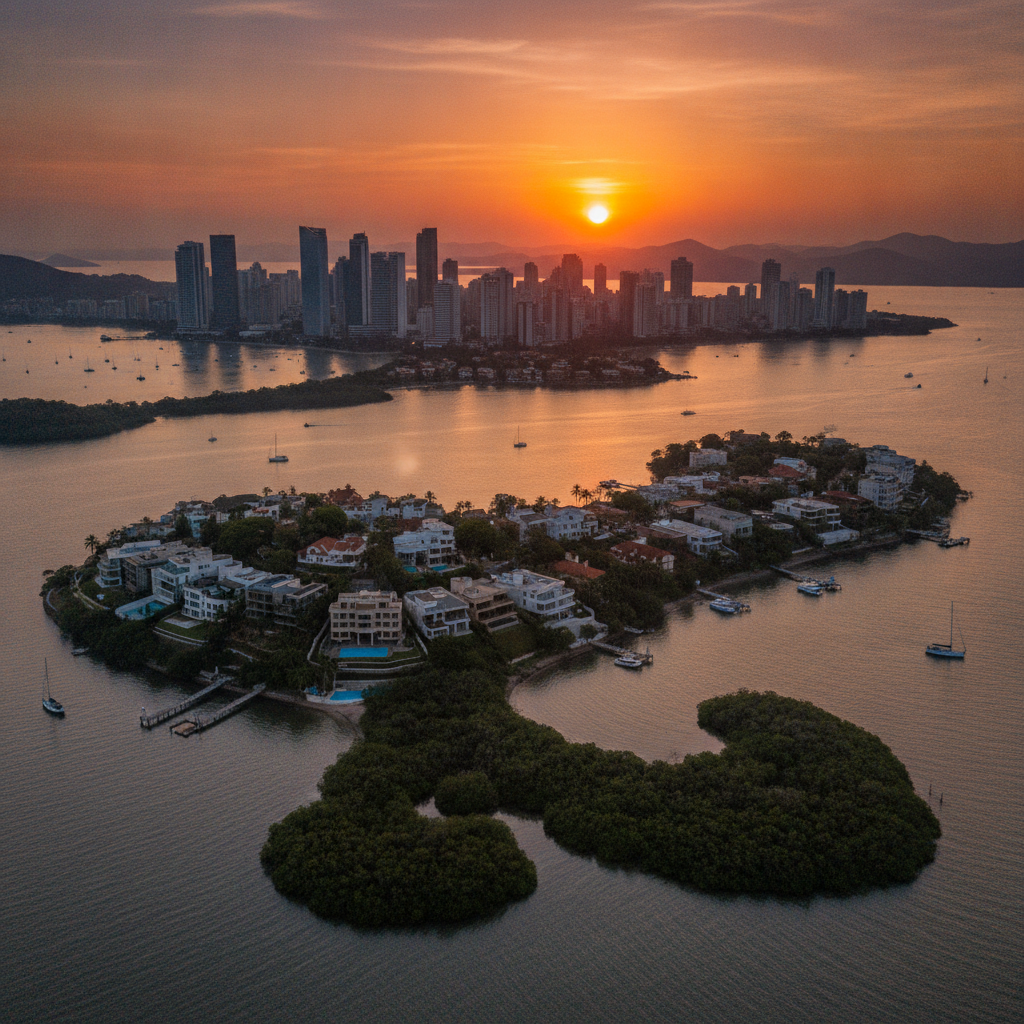
Vitória Bay: Brazil's Most Beautiful Island Capital
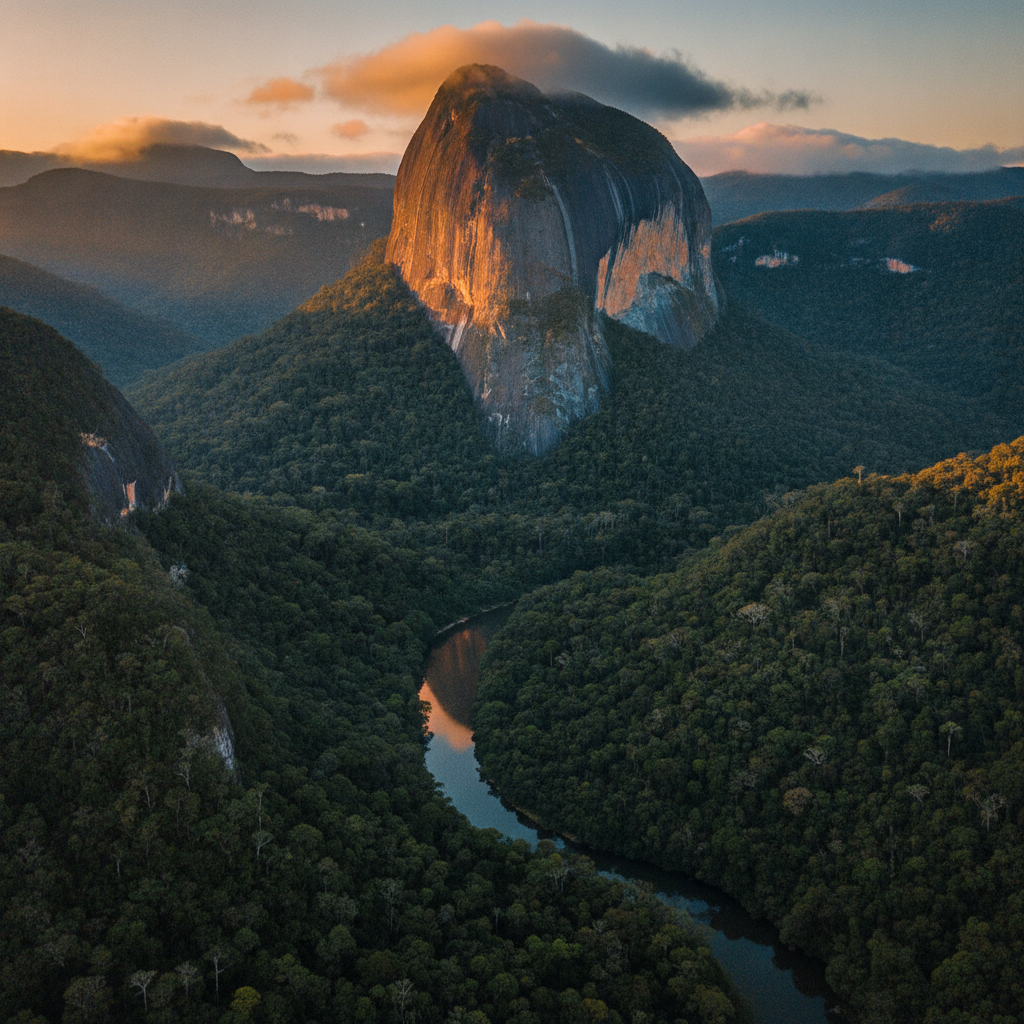
Pedra Azul: The Colour-Changing Mountain of Espírito Santo
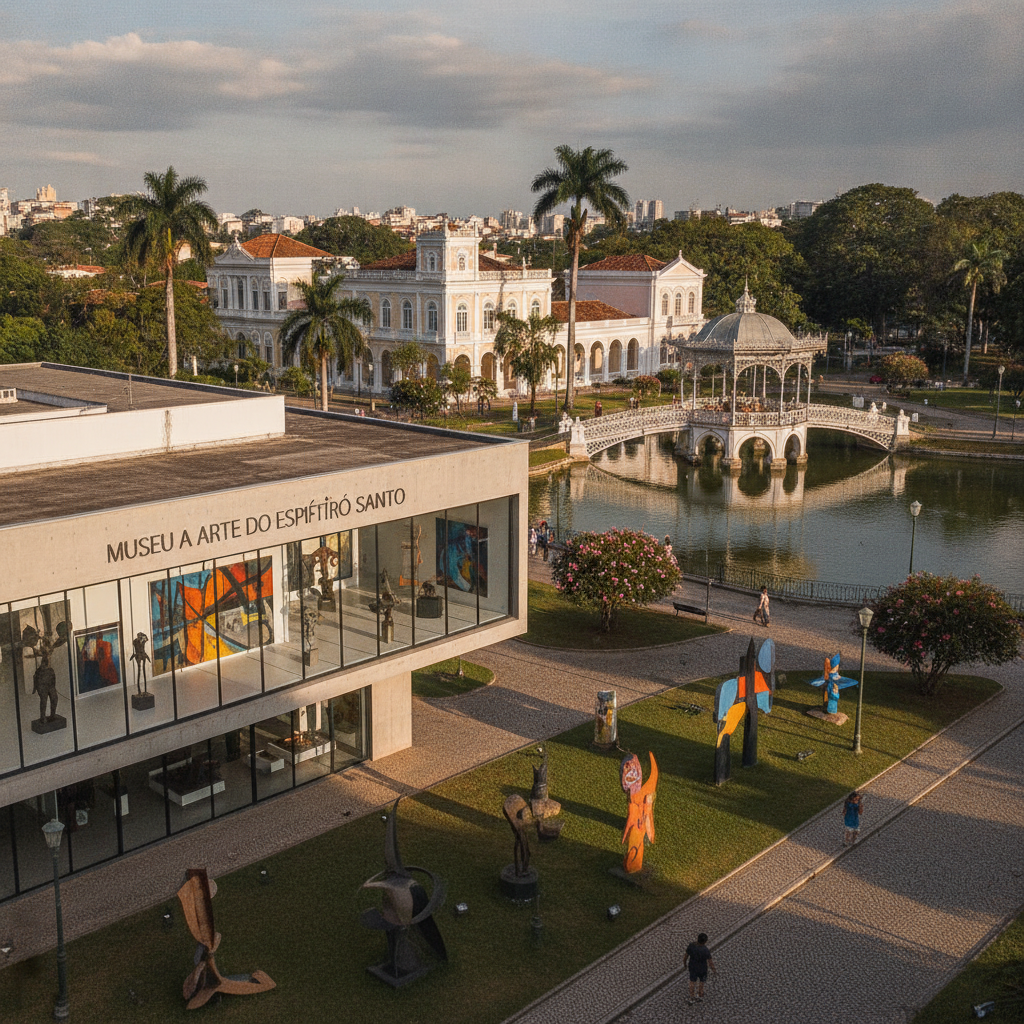
Vitória's Cultural Scene: MAES, Parque Moscoso & Capixaba Identity