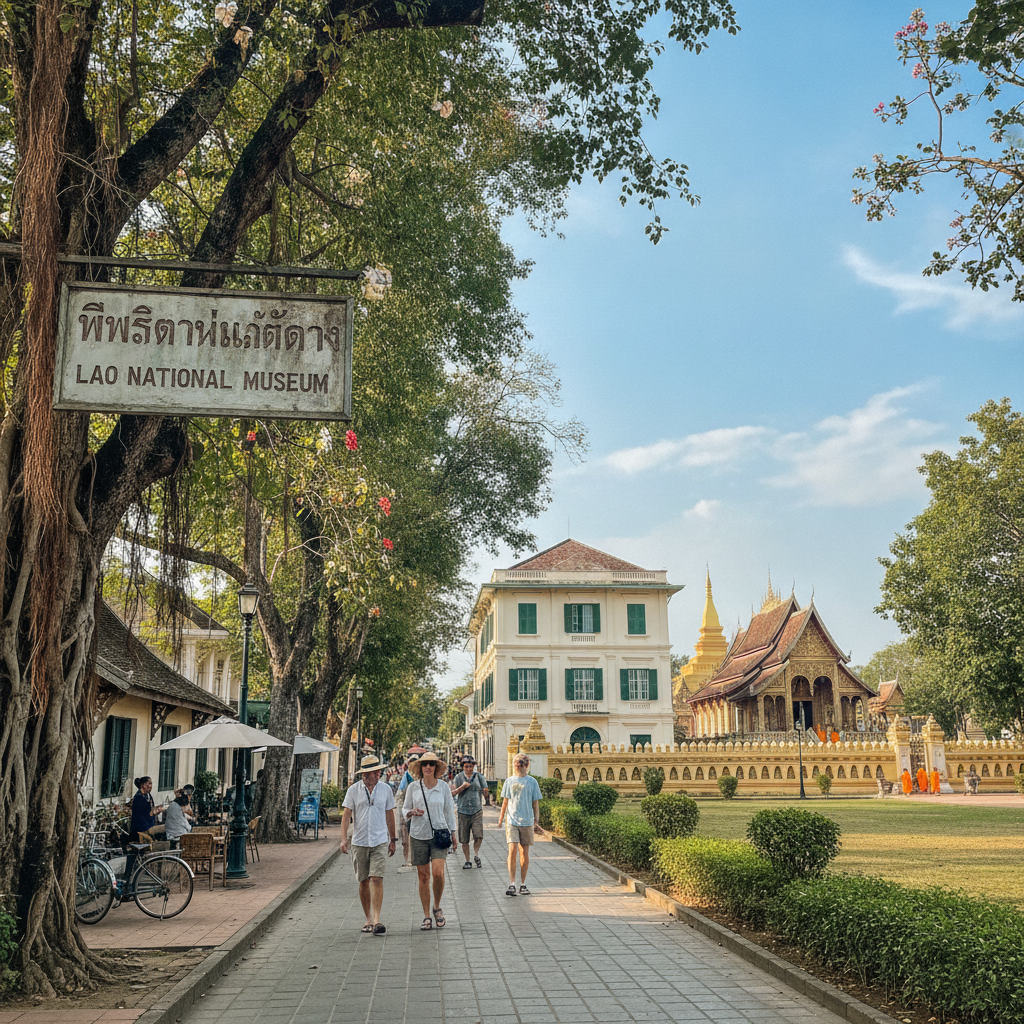
Vientiane Buddha Park & Mekong Plains Walk
Visit Buddha Park — Xieng Khuan (Spirit City) 25km from central Vientiane is one of the most extraordinary sculpture parks in Southeast Asia, a collection of 200+ concrete Buddhist and Hindu statues built from 1958 by a self-proclaimed holy man in a riverside meadow on the Mekong plain.
- 1
Xieng Khuan Entry Gate
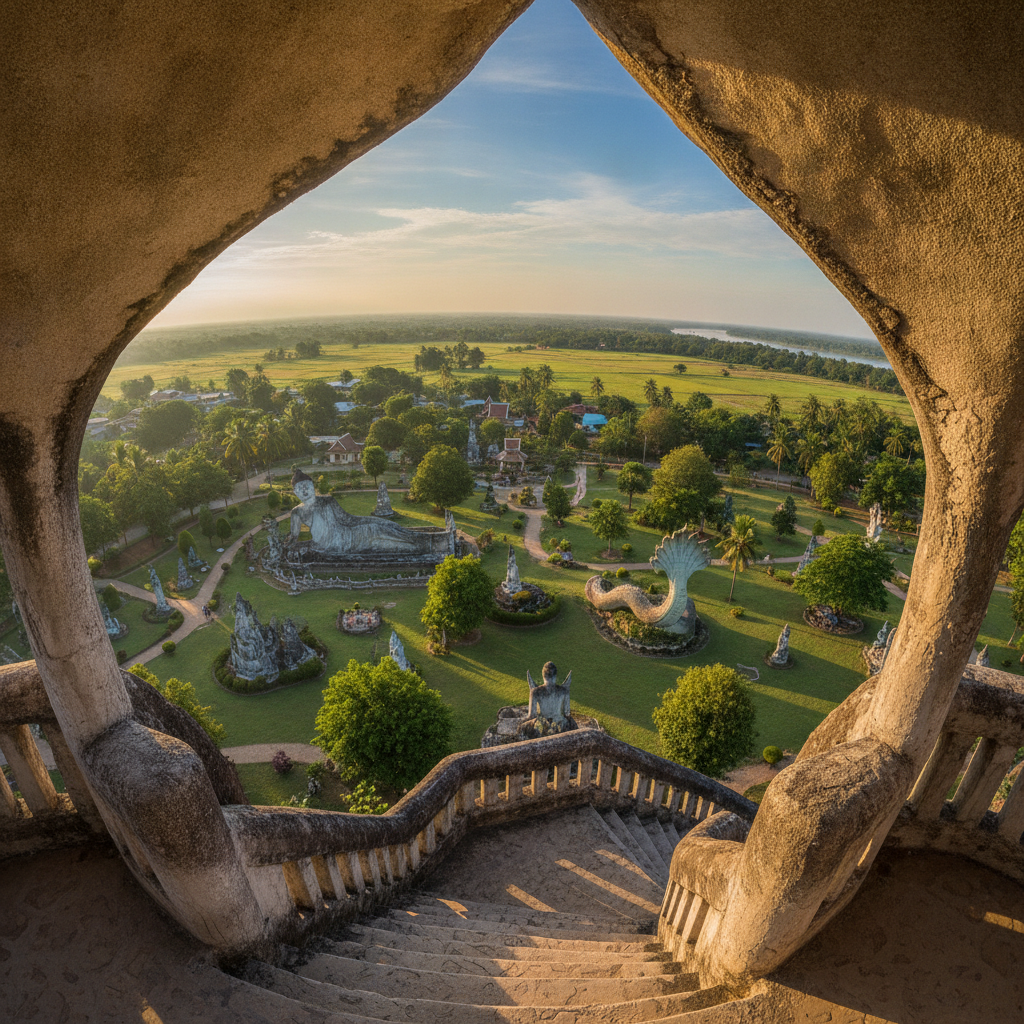
Xieng Khuan (Buddha Park, Spirit City) on the Mekong River bank 25km southeast of central Vientiane is the most extraordinary outdoor sculpture environment accessible in Laos — the park created by Luang Pu Bunleua Sulilat (a self-taught spiritual teacher who developed his own syncretic blend of Hindu and Buddhist philosophy and mythology) contains approximately 200 large concrete sculptures of the Buddha, Hindu deities, and mythological creatures arranged across the riverside meadow in an arrangement that reflects the creator's personal spiritual cosmology. The park's largest structure (the 40-metre reclining Buddha visible from the entrance gate) and the pumpkin-shaped three-storey sculpture (its interior accessible by climbing through the devil's mouth entrance to the lowest level, then up through the purgatory and earth levels to the paradise floor at the top with its panoramic view over the park) constitute the most memorable single architectural ensemble accessible near Vientiane.
- 2
Reclining Buddha Sculpture
The 40-metre reclining Buddha at Xieng Khuan is the largest single sculpture in the park and the most impressive example of the self-taught concrete sculpture technique that characterises Bunleua Sulilat's work — the massive reclining figure (the Buddha in the Parinirvana pose, lying on its right side with the head resting on the raised right hand) is executed in the characteristically rough concrete finish of the park's sculptures, with the surface detail (the flame-shaped crown, the robes, and the facial features) applied as painted concrete over the armature. The reclining Buddha's scale (the head alone is as large as a small vehicle) and the unusual park setting (the surrounding sculpture garden of Hindu deities, nagas, and mythological creatures in various states of preservation) make it the most photogenic single object accessible at the park.
- 3
Hindu Statue Garden
The Hindu statue section of Xieng Khuan is the most unusual aspect of the park for Lao Buddhist context — the Hindu deities represented in the concrete sculpture garden (Shiva with his trident, Vishnu on the Garuda mount, Ganesh in several seated and standing versions, and various scenes from the Hindu epics executed in the large-scale concrete format) reflect Bunleua Sulilat's syncretic spiritual philosophy that integrated the Hindu mythological tradition with the Theravada Buddhist cosmology in his personal religious system. The Hindu statues' coexistence with the Buddhist imagery in the park (the reclining Buddha and the sitting meditation Buddhas alongside the Shiva lingams and the Vishnu sculptures) creates the most distinctive theological environment accessible at any religious site in Southeast Asia, reflecting the pre-Buddhist Hindu influence on mainland Southeast Asian religious culture.
- 4
Mekong Plain Countryside
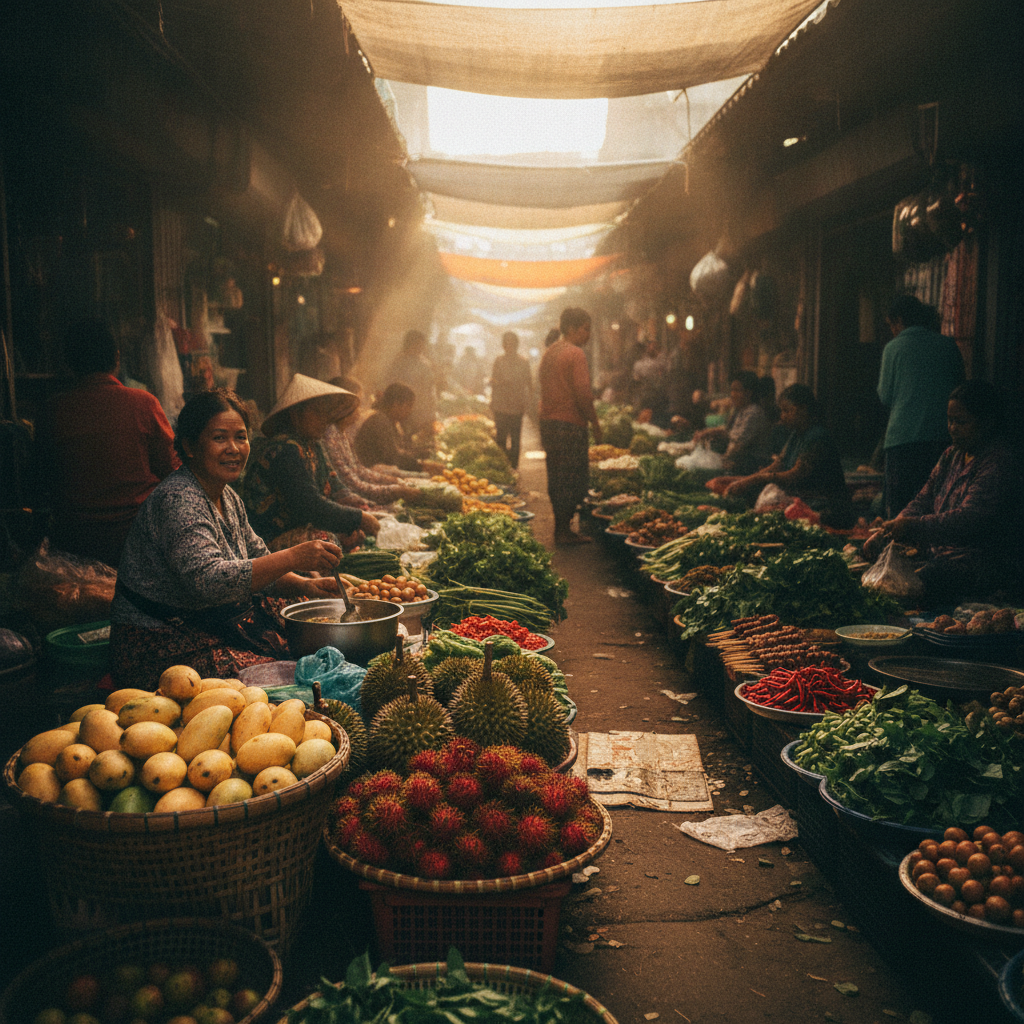
The countryside between Vientiane and Buddha Park (the 25km of Mekong River plain southeast of the capital, accessible by bicycle or tuktuk along the riverside road) provides the most comprehensive encounter with the lowland Lao agricultural landscape accessible from the capital — the rice paddies (wet-season flooded, dry-season golden stubble), the village pagodas visible above the farmland tree lines, and the Mekong River visible at intervals through the riverside vegetation create the most authentic Lao rural landscape available on a day trip from Vientiane. The road's communities (the fishing villages, the rice farming households, and the market gardens producing the fresh vegetables for the Vientiane market) provide the living agricultural context for understanding the Lao food culture encountered in the city.
- 5
Nong Khai Thai Border
The Thai-Lao Friendship Bridge border crossing (accessible from the Buddha Park area on the Lao bank) provides the most convenient encounter with the Thai-Lao border environment accessible from the Vientiane tourist base — the border crossing infrastructure (the immigration and customs facilities, the currency exchange operations, and the duty-free shopping that makes the border crossing a commercial as well as administrative event) provides the direct experience of the border that divides the two countries across the Mekong River. The Nong Khai town on the Thai bank (accessible by crossing the bridge) has its own Buddhist temple culture and the riverside market that serves as the primary retail destination for the Lao residents who cross to shop for Thai consumer goods.
- 6
Pha That Luang Distant View
The view of That Luang from the approach road (the golden spire of the national stupa visible above the city's tree canopy from the eastern approach road, the monument's gilded surface catching the afternoon light as the return journey from Buddha Park brings the visitor toward the city centre) provides the most emotionally complete framing of the Vientiane experience — the journey from the city's most sacred national monument (That Luang, the symbol of the Lao state and the Lao Buddhist tradition) out to the most idiosyncratic spiritual environment (Xieng Khuan, the personal cosmology of an unorthodox spiritual teacher) and back to the national symbol creates the most complete survey of the spectrum of Lao spiritual culture accessible in a single day's itinerary from the capital.
Walk this route with audio
Stories play automatically as you reach each stop — no tapping needed.