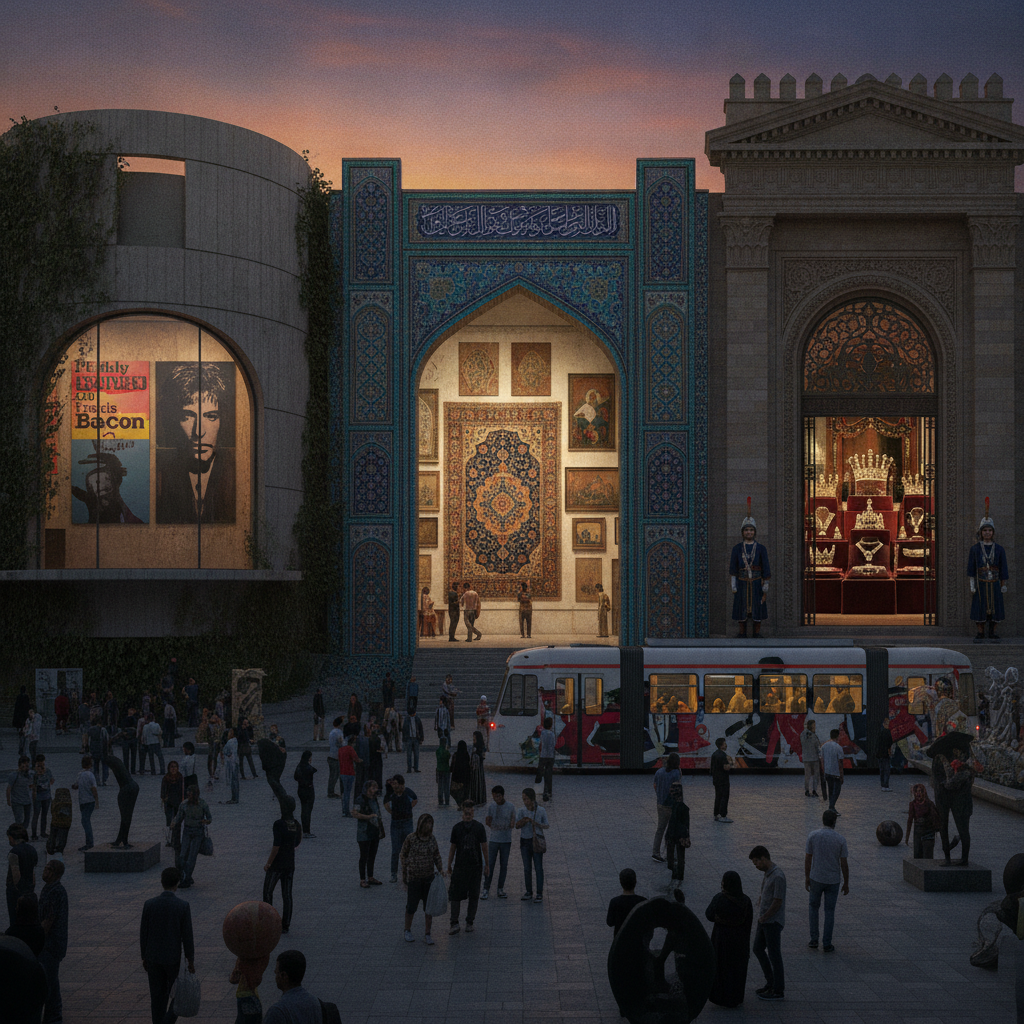
The TMoCA Collection the Most Valuable Western Modernist Art Outside Europe and North America, the Pahlavi Shah's Books Left in Place the Day He Fled in 1979 & the Behesht-e Zahra Cemetery Containing 200,000+ Iran-Iraq War Dead
The TMoCA holding Picassos, Warhols, Bacons, and Pollocks — the most valuable Western modernist art collection outside Europe and North America (purchased before 1979); Mohammad Reza Shah's royal library left exactly as he abandoned it on January 16, 1979; the US Embassy hostage crisis lasting 444 days (1979–1981); the Iran-Iraq War human wave (mouj-e ensani) Basij teenage volunteers and Iraq's Halabja chemical attack killing 3,200–5,000 Kurds in one day (1988); Valiasr Street at 21.5 km as the longest street in Iran; and Shahr-e Rey continuously inhabited since 6000 BCE.
- 1
The 1979 Islamic Revolution – Tehran's Political History
The 1979 Islamic Revolution heritage (the Iranian Revolution — the most consequential political event of the 20th century in the Islamic world — and the primary event shaping modern Tehran): the revolutionary history guide. The background (the Pahlavi dynasty (1925–1979): Mohammad Reza Shah Pahlavi (r. 1941–1979) ruled Iran as an absolute monarch with strong US support — the Shah's White Revolution (1963) modernization program (land reform, women's suffrage, literacy campaign) was opposed by the traditional clergy led by Ayatollah Ruhollah Khomeini: the revolution (the Islamic Revolution (Enghelab-e Eslami — انقلاب اسلامی) of 1978–1979: the mass protests that overthrew the Shah combined three opposition forces: the Islamic traditionalists led by Khomeini; the leftist Marxist-Leninist groups (the Tudeh Party and the Mojahedin-e Khalq); and the liberal nationalist constitutionalists: the Shah left Iran on January 16, 1979 — Khomeini returned from Paris exile on February 1, 1979 — the Islamic Republic of Iran was proclaimed on April 1, 1979 after a national referendum: the US Embassy hostage crisis (the US Embassy takeover (November 4, 1979 — January 20, 1981): 52 US diplomats held for 444 days by the Students Following the Imam's Line — the crisis destroyed US-Iran relations for decades: the Khomeini Mausoleum (the Imam Khomeini Shrine — the massive complex south of Tehran housing the tomb of Ayatollah Ruhollah Khomeini (1902–1989) — the largest religious complex in Iran and one of the largest in the Islamic world).
- 2
The Shah's Palaces – Niavaran & Sa'd Abad
The Pahlavi royal palace heritage (the surviving palaces of the Pahlavi dynasty in northern Tehran — the primary monuments of Iran's last royal family and the most revealing documents of 20th-century Iranian court life): the palace heritage guide. The Niavaran Palace Complex (the Niavaran Palace Complex (Majmoue-ye Kakh-e Niavaran — مجموعه کاخ نیاوران) in the Niavaran neighborhood of northern Tehran: the complex consists of 5 buildings: the Niavaran Palace (Kakh-e Niavaran) — the primary residential palace of Mohammad Reza Shah (built 1968): the most modern and comfortable of the royal residences — decorated with Western and Iranian art in a blend of modernist Iranian style: the Jahan Nama Palace (the older Qajar-era palace within the compound — used for royal ceremonies and state functions): the Sahebqaraniyeh Palace (the formal summer palace from the early Pahlavi period): the library (the royal library containing Mohammad Reza Shah's personal book collection — the books were left exactly as they were the day the Shah left Iran on January 16, 1979 — one of the most poignant preserved interiors in modern Iranian history): the Sa'd Abad Palace (the Sa'd Abad Palace Complex (Majmoue-ye Kakh-e Sa'd Abad) in the Shemiran district 12 km north of central Tehran: the complex of 18 palaces set in a 110-hectare forested estate on the Alborz mountain slopes: the primary building (the White Palace (Kakh-e Sefid) — the formal state palace of the Pahlavi dynasty — the military boots of Mohammad Reza Shah are still displayed beside the entrance (the revolutionaries cut off the legs at the boot tops in 1979).
- 3
Persian Carpet – Tehran's Master Weavers
The Persian carpet heritage in Tehran (the world's most celebrated textile art tradition — and Tehran's role as the primary commercial center of the global Persian carpet trade): the carpet heritage guide. The tradition (the Persian carpet (qali — قالی) — the hand-knotted pile carpet woven in Iran since at least the Achaemenid period (550–330 BCE): the Pazyryk carpet (the Pazyryk carpet — the oldest surviving hand-knotted pile carpet in the world — found in a Scythian burial mound in the Altai Mountains of Siberia in 1949 — dated to approximately 500 BCE — the carpet shows design motifs including horsemen and deer that are identical to Achaemenid Persian decorative programs: the Safavid golden age (the Safavid dynasty (1501–1736) was the period of the greatest achievement in Persian carpet production: the Safavid royal carpets (produced in the royal manufactories of Isfahan, Tabriz, and Kashan under direct royal patronage) are the most technically complex and artistically refined carpets ever made: the largest (the Ardabil Carpet (1539–1540) — the primary masterpiece of the Safavid carpet tradition — now in the Victoria and Albert Museum in London — the carpet measures 10.5m x 5.3m and contains 33.5 million knots woven at a density of 340 knots per 10cm²: the Tehran carpet market (the Carpet Museum of Iran (Muzeh-ye Farsh-e Iran) near Laleh Park — the primary museum for Iranian carpet history: the permanent collection of 150 carpets includes the finest examples of all major Iranian carpet schools: Tabriz, Kashan, Isfahan, Qom, Kerman, Heriz).
- 4
Tehran's Cafe Culture & Contemporary Art Scene
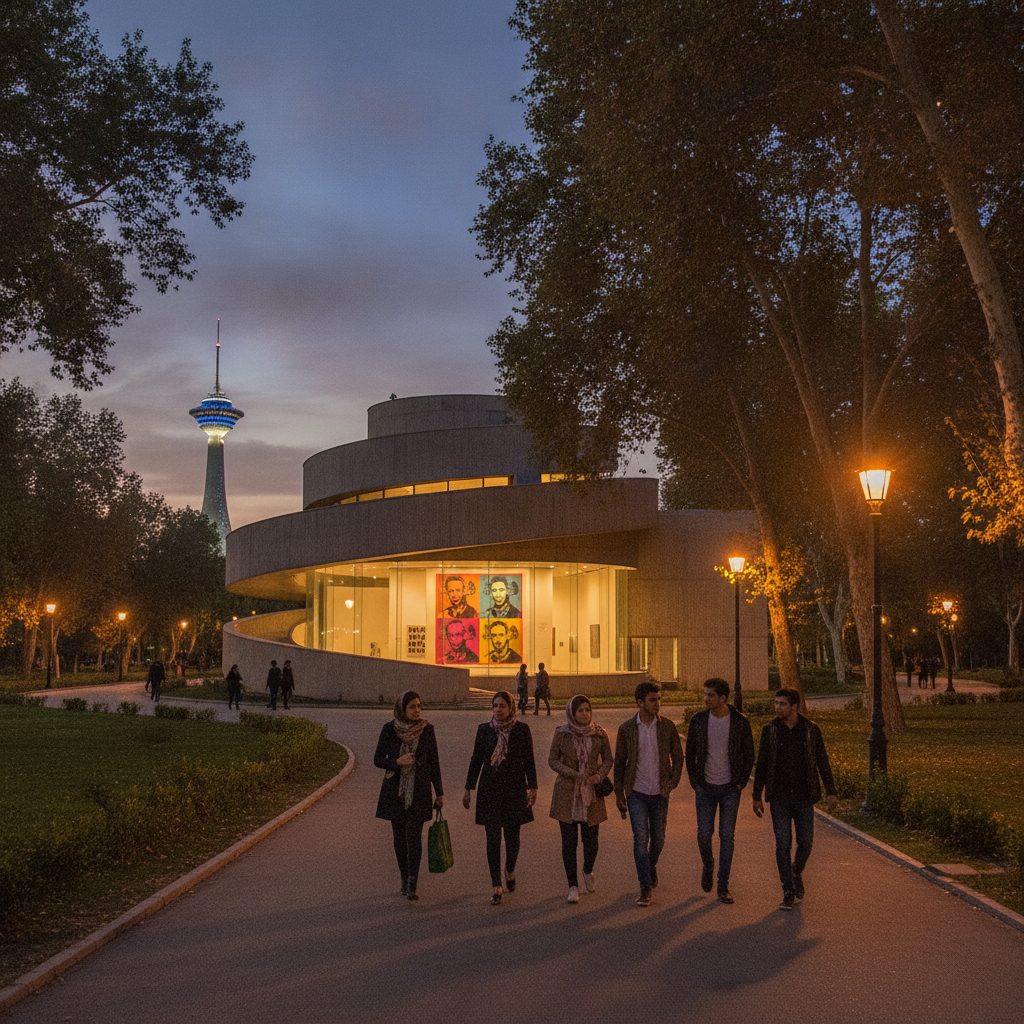
The Tehran contemporary culture (the rapidly developing cafe and contemporary art culture of Tehran — the most cosmopolitan cultural scene in the Islamic world): the contemporary culture guide. The context (Tehran is a city of 16 million people with a large (35%+) college-educated population, strong internet access despite government filtering, and a cosmopolitan urban middle class that creates demand for sophisticated entertainment: the cafe culture (the Tehran cafe (kafeshop — کافهشاپ) culture has grown dramatically since approximately 2010: the primary cafe districts: the Darband area (the pedestrianized trail leading to the Alborz foothills in northern Tehran — the Darband restaurants and cafes along the stream are the most popular outdoor dining area in Tehran): the Elahiyeh neighborhood (the upscale residential district of northern Tehran with the highest concentration of modern cafes and restaurants): the Milad Tower (the Tehran Milad Tower (Borj-e Milad — برج میلاد) — the sixth-tallest tower in the world at 435m — completed 2007: the observation deck at 276m is the primary aerial viewpoint for Tehran: the tower restaurants (the 3 restaurants in the Milad Tower offer the best elevated dining views in Tehran): the contemporary art (the Tehran Museum of Contemporary Art (TMoCA — Muzeh-ye Honar-haye Moaser-e Tehran) in Laleh Park: the TMoCA collection is the most valuable collection of Western modernist art outside Europe and North America — the collection includes works by Picasso, Warhol, Bacon, Pollock, and Liechtenstein purchased before the 1979 Revolution for the Shahbanou Farah collection).
- 5
Tehran Neighborhoods – From Tajrish to Shahr-e Rey
The Tehran neighborhood guide (the neighborhoods of Tehran — the most diverse and complex urban geography in the Middle East): the neighborhood guide. The neighborhood structure (Tehran is divided by altitude and class: the north (wealthy, cooler, higher altitude): the south (lower-income, hotter, lower altitude): the gradient (the city rises from approximately 1,050m in the south to 1,800m in the northern neighborhoods (Darband, Tajrish) — the 750m altitude difference creates significant temperature and air quality differences between northern and southern Tehran): the primary neighborhoods: the Tajrish (the most atmospheric neighborhood of northern Tehran — Tajrish Square (Meydan-e Tajrish) with its traditional bazaar, the Imamzadeh Saleh shrine, and the Darband pedestrian trail): the Darband (the mountain trail neighborhood above Tajrish — the pedestrianized stream trail through the Alborz foothills lined with traditional tea houses and restaurants — the most popular outdoor recreation area in Tehran): the Valiasr Street (Khiaban-e Valiasr — the longest street in Iran (21.5 km) running north-south through Tehran — the primary spine of the modern city: the street is lined with plane trees for its entire length (3,000+ trees planted in the 1930s)): the Shahr-e Rey (the ancient city of Ray (Shahr-e Rey — شهر ری) — the oldest inhabited site in the Tehran area — continuously inhabited since at least 6000 BCE (among the oldest continuously inhabited settlements in the world): the Seljuk-era Bibi Shahrbanu shrine and the Rashkan Castle are the primary historical monuments of Rey).
- 6
The Iran-Iraq War – Tehran's Scars & Memory
The Iran-Iraq War heritage (the 1980–1988 Iran-Iraq War — the longest conventional war of the 20th century and the conflict that shaped modern Iran and Tehran more than any other event since the Islamic Revolution): the war heritage guide. The war (the Iran-Iraq War (Jang-e Tahmili — جنگ تحمیلی (the Imposed War) in Iranian terminology; Qadisiyyat Saddam in Iraqi terminology): the war began September 22, 1980 when Iraq invaded Iran under Saddam Hussein: the causes (Saddam Hussein's primary motivations: (1) annexation of the Khuzestan province (the oil-rich southwestern Iranian province with a large Arab minority); (2) destruction of the Islamic Republic before it could export its revolution to Iraq's Shia majority: the duration (the war lasted 8 years — July 18, 1988 ceasefire: the longest conventional international war in 20th-century history (longer than World War I): the casualties (the Iranian casualties: 300,000–500,000 killed (the government figure), approximately 1 million wounded: Iraqi casualties: approximately 150,000–250,000 killed: the human wave attacks (the Iranian military strategy of mass infantry assaults (mouj-e ensani — human wave) used primarily by the Basij (the volunteer militia of teenagers and young men): the chemical weapons (Iraq used chemical weapons (mustard gas and nerve agents) against Iranian forces — the 1988 Halabja chemical attack killed 3,200–5,000 Kurdish civilians in one day): the Behesht-e Zahra cemetery (the primary war cemetery in Tehran — the largest cemetery in Iran and one of the largest in the world — containing the graves of 200,000+ war dead arranged in the Lale section (the Tulip section) dedicated to the Martyrs of the Iran-Iraq War).
Walk this route with audio
Stories play automatically as you reach each stop — no tapping needed.
More in Tehran
The Tehran Grand Bazaar Bazaaris Financing Both the 1905 Constitutional Revolution and the 1979 Islamic Revolution, Mount Damavand the Highest Volcano in Asia at 5,610m & the Tochal Gondola the Highest Gondola-Served Skiing Area in the World
The Atash Bahram Sacred Fire in Yazd Burning Continuously Since 470 CE (1,500+ Years), Zoroastrianism Influencing the Jewish Heaven Hell Angels Devil and Messiah Concepts & the 1639 Treaty of Zuhab Still Defining the Iran-Iraq Border Today
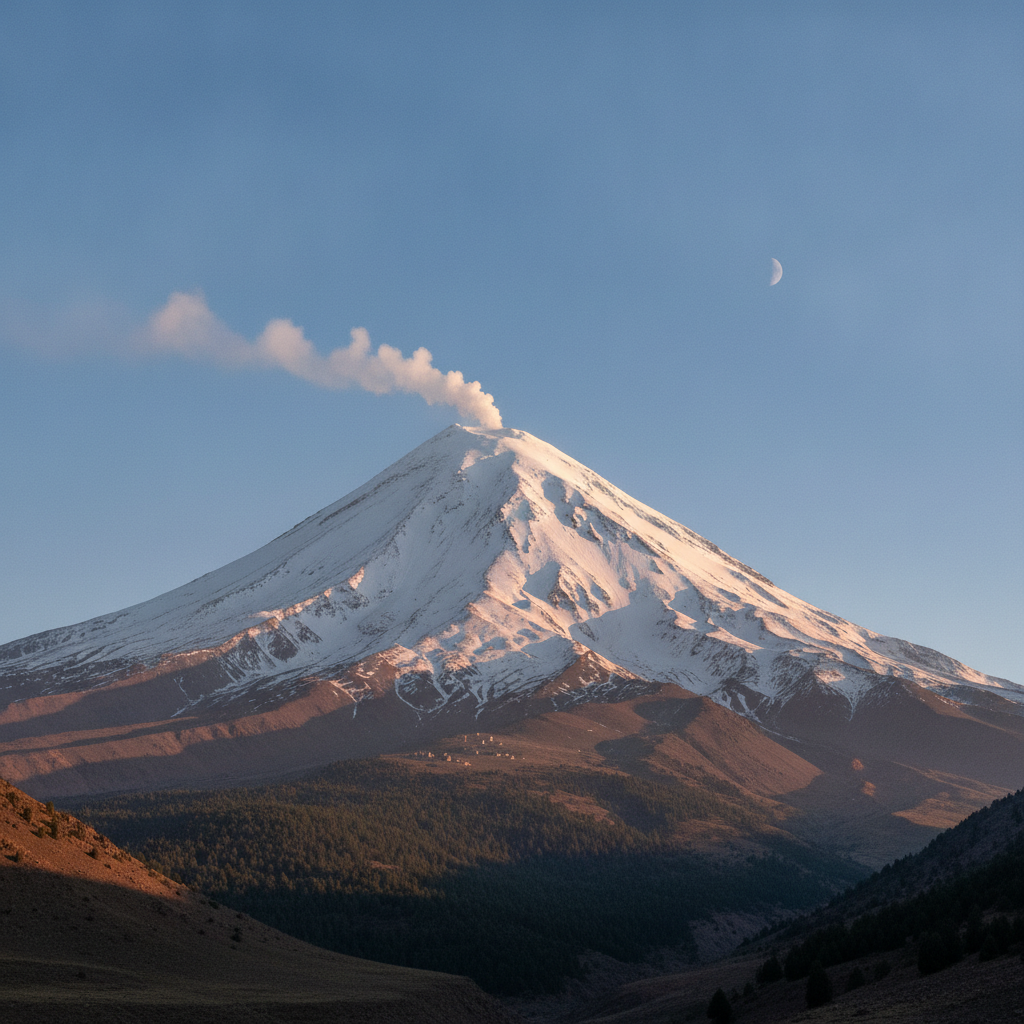
The Bazaaris Funding the Tobacco Protest, Constitutional Revolution, Mosaddegh's Oil Nationalization AND the 1979 Revolution, Damavand's Zahhak Prophecy Paralleling Norse Ragnarok & 70% of Iranian Internet Users on VPN Daily

Tehran Modern: The Northern Districts, the Jordan Street Cafe Scene, the Elahiyeh Lifestyle, Shopping, and the Most Cosmopolitan Single Iranian Urban Culture

Tehran History: The Pahlavi Era, the 1979 Revolution, the Islamic Republic, and the Most Politically Complex Single Modern Iranian Capital