Koh Tao Marine Conservation & Reef Walk
Understand Koh Tao's marine conservation efforts — the island's dive community has developed some of the most active reef conservation programmes in Southeast Asia, and the tension between the enormous pressure of training dives on the reef and the industry's conservation investment creates a live case study in sustainable marine tourism.
- 1
New Heaven Conservation
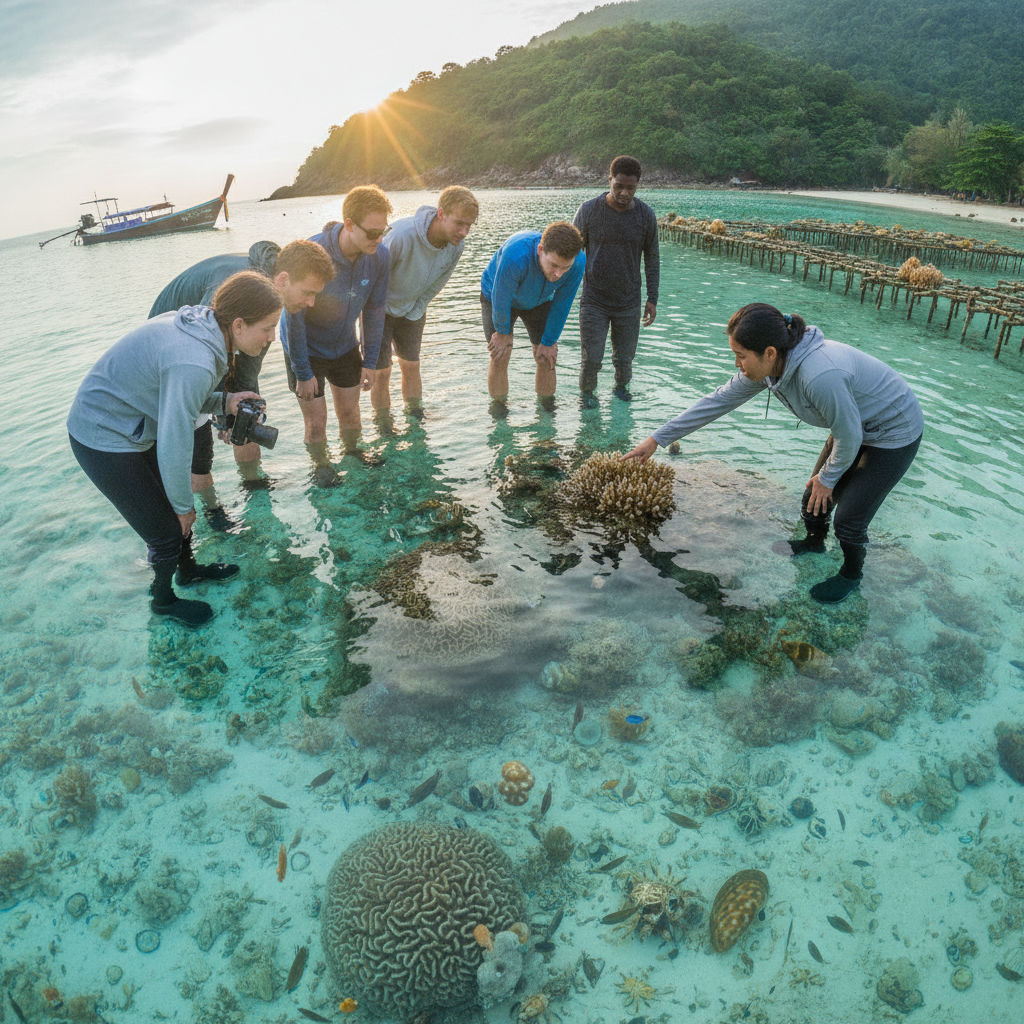
New Heaven Reef Conservation Program based at Chalok Bay is the most comprehensive marine conservation operation accessible to volunteer participants on Koh Tao — the programme's coral restoration nurseries (where coral fragments are grown on underwater tables before transplantation to degraded reef areas), the reef monitoring surveys conducted by trained volunteers on SCUBA, and the educational outreach to the island's dive schools create a structured conservation programme that operates year-round regardless of seasonal visitor patterns. The volunteer programme allows divers at any certification level to contribute to active reef restoration work and provides the most meaningful conservation engagement available at any Thai dive destination.
- 2
Coral Bleaching Documentation
The coral bleaching events that have affected the Gulf of Thailand reef (particularly the mass bleaching of 2010 and 2016 associated with elevated sea surface temperatures from El Niño events) are documented on Koh Tao by the long-term monitoring data collected by the dive schools' conservation programmes and the marine biology researchers who use the island as a research base. The before-and-after evidence of bleaching events visible in the comparison between the reef areas that experienced full bleaching mortality and the areas with partial recovery provides a live demonstration of the climate change impacts on coral reef ecosystems that is more immediate and more emotionally affecting than any static display.
- 3
Whale Shark Research
The whale shark (Rhincodon typus) sighting network on Koh Tao — where dive operators report individual sightings with photographs to the Gulf of Thailand Whale Shark Research project — has produced the most systematic population data on the Gulf of Thailand whale shark population accessible from any Thai dive island. The photo-identification programme (using the unique spot pattern behind each whale shark's gills to identify individuals, equivalent to a fingerprint) has documented the movements of individual sharks between the Gulf of Thailand and the Andaman Sea and has contributed to the understanding of the species' population connectivity across the Thai coastal waters.
- 4
Dive Site Zoning
The informal dive site zoning system on Koh Tao — where the busiest dive sites are designated for training dives (the shallow bay sites with the most accessible conditions) and the more sensitive reef sites are reserved for fun dives with experienced divers — represents the most effective management of dive site pressure available without formal regulatory authority. The dive school operators' consensus agreements (setting standards for maximum group sizes, restricting anchoring in sensitive areas, and designating minimum certification requirements for specific sites) demonstrate the capacity for industry self-regulation when the economic dependence on reef health is sufficiently direct.
- 5
Sea Turtle Nesting
The green turtle and hawksbill turtle nesting documented on the quieter beaches of Koh Tao's eastern coast (Tanote Bay and Hin Wong Bay have both recorded nesting in recent years) provides the most direct evidence that the reef and coastal environment of the island retains sufficient ecological integrity to support the most conservation-sensitive wildlife indicator. The nest protection programme (operated by volunteers who monitor nest locations identified by the beach patrol and protect them from disturbance until the hatchlings emerge) is the most emotionally engaging conservation activity available on Koh Tao and connects the marine conservation agenda directly to a charismatic species that resort visitors can relate to.
- 6
PADI Environmental Training
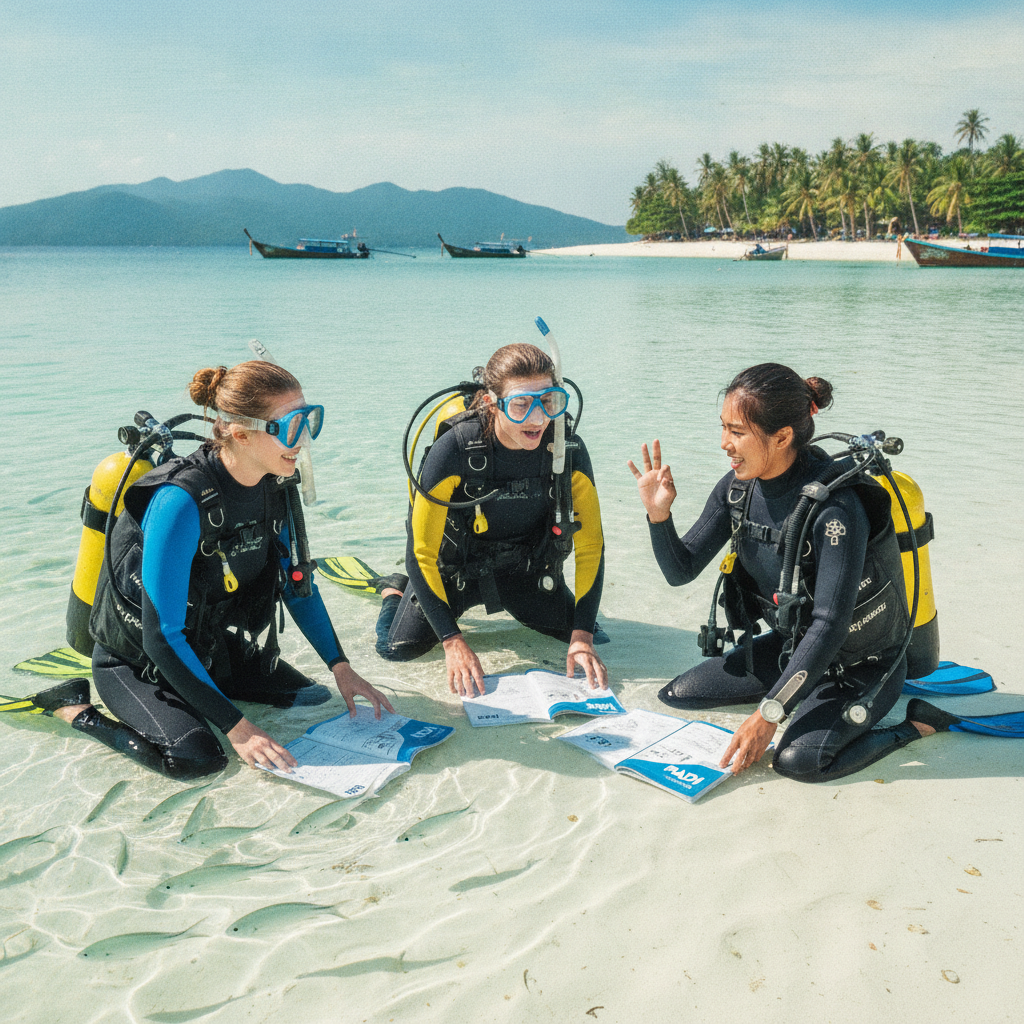
The PADI Dive Against Debris and the PADI Project Aware programmes integrated into the standard dive training courses at many Koh Tao dive schools represent the most systematic environmental education delivered to the recreational diving market anywhere in the world — the volume of divers trained on Koh Tao annually (estimated at 30,000-40,000 Open Water certifications per year) means that even the minimal environmental awareness content of the training programmes reaches an extraordinary number of new divers. The island's position as the world's dive training capital creates a unique opportunity to establish environmental norms in the recreational diving community at the formative moment of diver identity formation.
Walk this route with audio
Stories play automatically as you reach each stop — no tapping needed.