Sucre: Bolivia's White Colonial Capital
Sucre — Bolivia's constitutional capital and UNESCO World Heritage city — is called 'La Ciudad Blanca' (The White City) for its whitewashed colonial architecture; the city where Bolivia declared independence in 1825 preserves the most complete colonial urban fabric in South America
- 1
La Ciudad Blanca
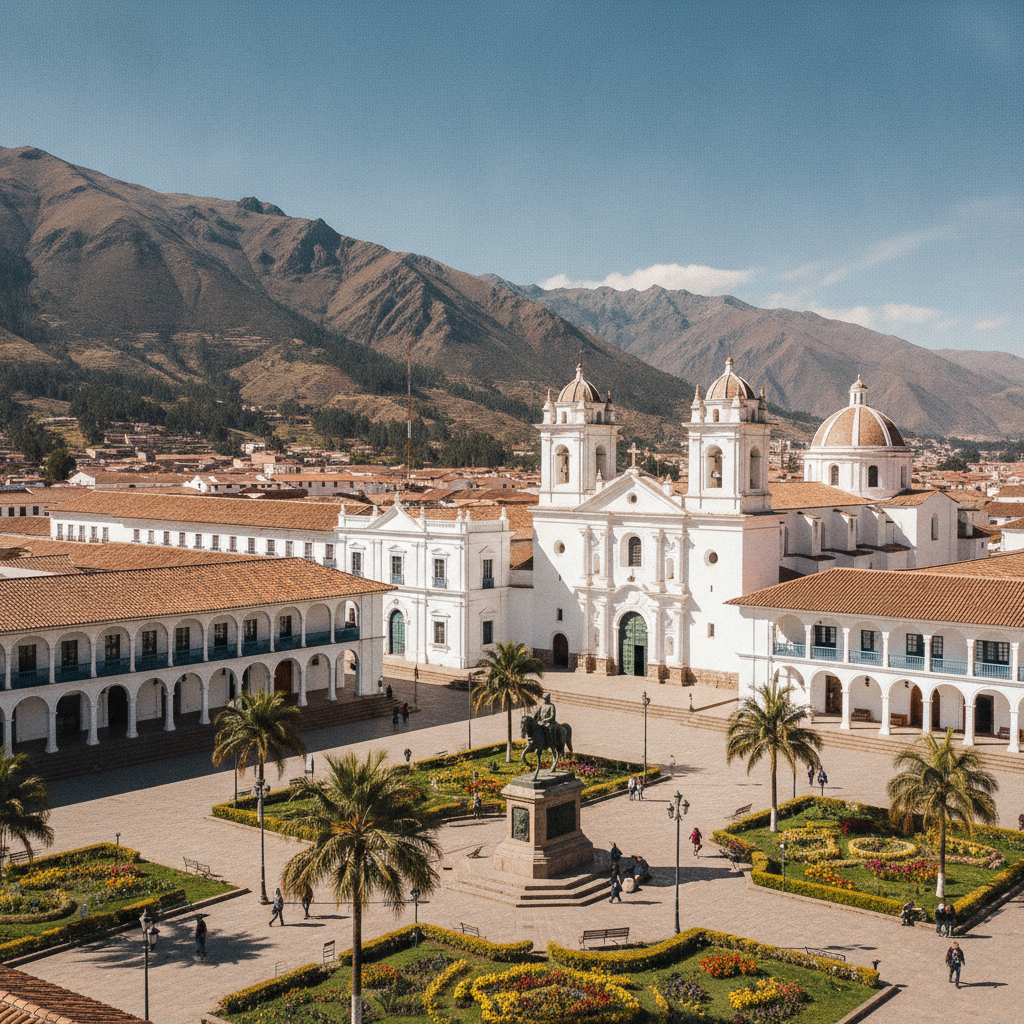
Sucre's nickname—the White City—comes from its strict building ordinance that requires all colonial buildings to be painted white; the whitewashed churches, monasteries, government palaces and residential buildings create a unified architectural landscape of extraordinary visual purity; the whiteness of the city against the blue Andean sky is amazing
- 2
Casa de la Libertad
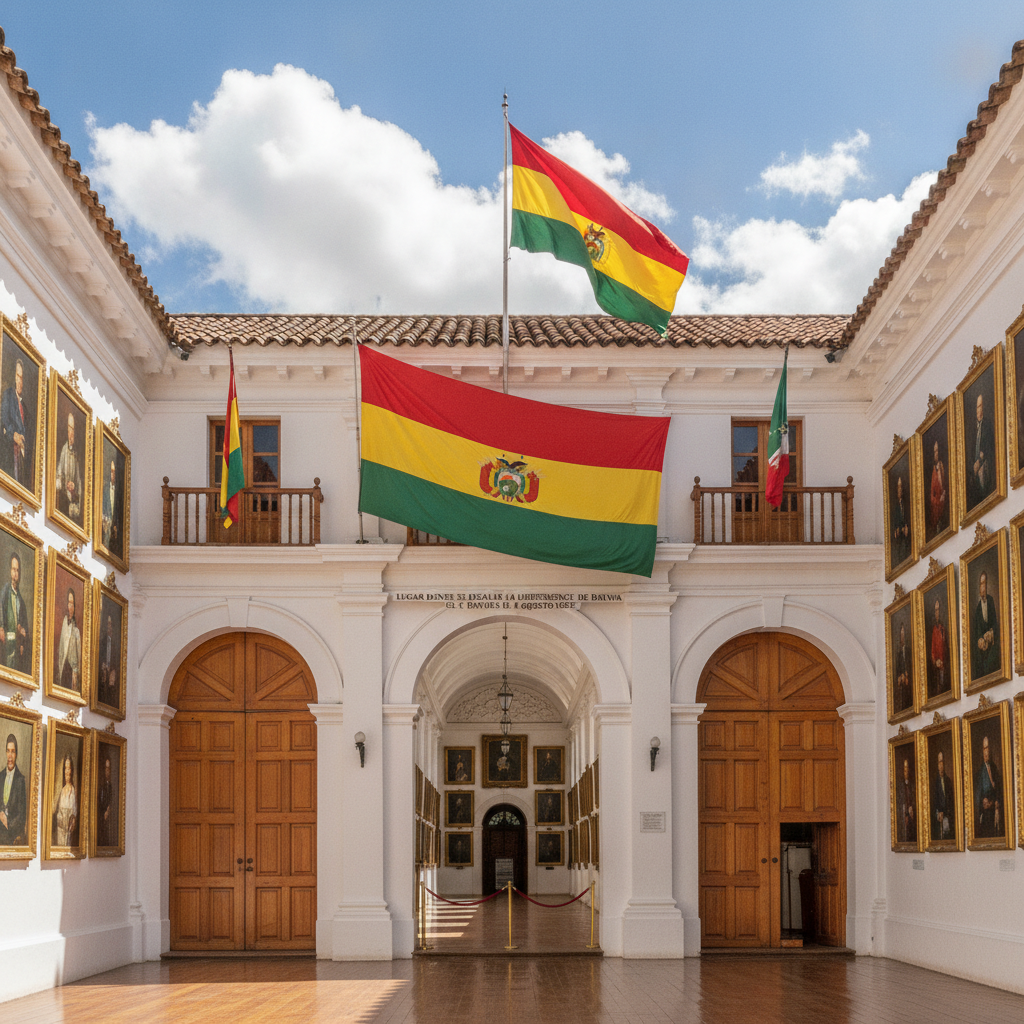
Casa de la Libertad - the room where Bolivia's independence was declared on August 6, 1825 - is the most significant historical site in Bolivia; the building (originally the main hall of the Jesuit university) houses the portraits of the liberators, the original Bolivian independence document and the sword of Simón Bolívar
- 3
Metropolitan Cathedral
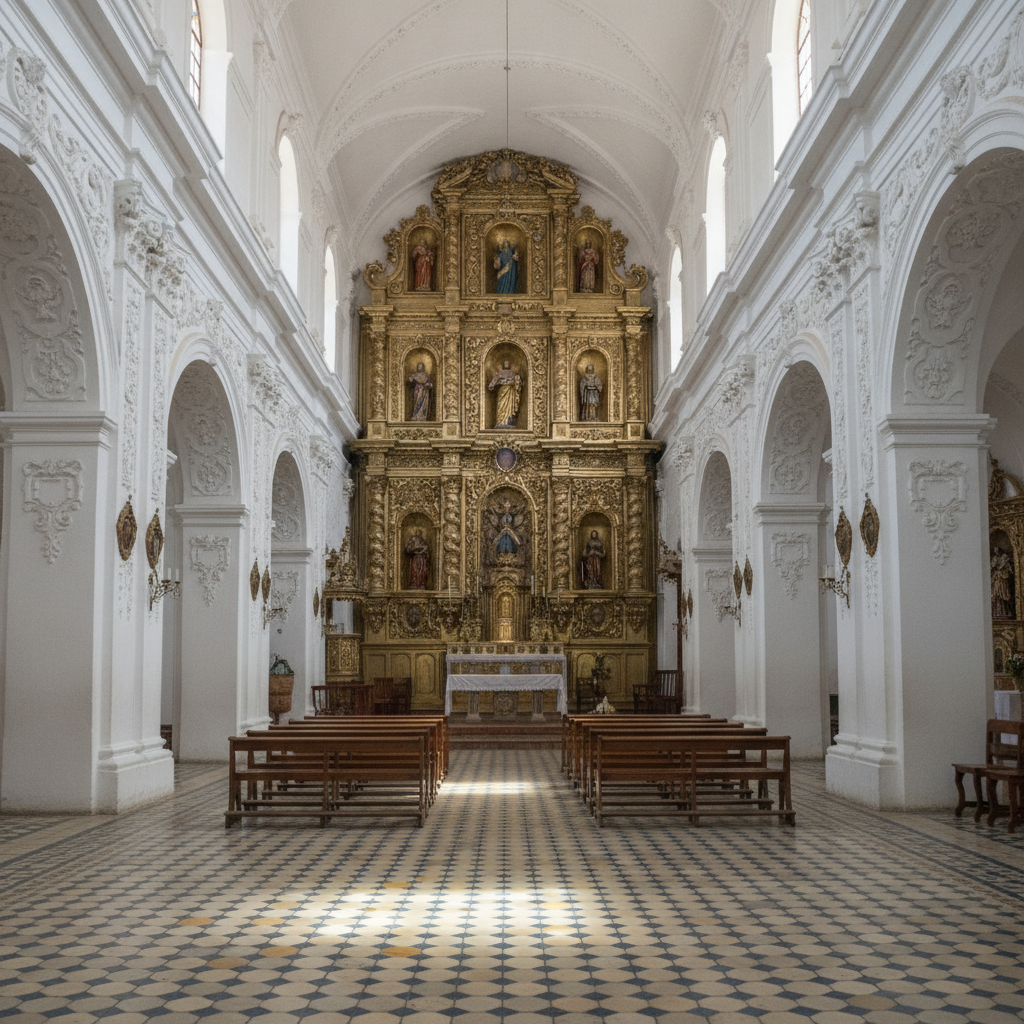
Sucre's Metropolitan Cathedral – begun in 1553 and completed over two centuries – is the finest example of colonial Baroque architecture in Bolivia; the white stone facade, the interior with its silver-adorned Virgen de Guadalupe (Bolivia's most revered religious image) and the adjacent Museo de la Catedral are all important
- 4
San Felipe Neri Church
The Convent of San Felipe Neri – with its famous rooftop walk – offers the finest view of Sucre's white rooftops and colonial bell tower; the rooftop walk through the monastery tower is Sucre's most beloved tourist experience; the view encompasses the city's colonial core in all directions
- 5
Constitutional capital status
Sucre is the constitutional capital of Bolivia (although La Paz is the seat of government); here the constitution of 1825 was written and signed; the tension between Sucre and La Paz over which city should be the real capital is a recurring political issue; Sucre's population (400,000) and its historical importance mean that the debate is ongoing
- 6
Andean environment
Sucre is located at 2,810 meters in a valley in the Bolivian Andes; the surrounding mountains — covered in reddish scrub — frame the white city below; the climate is mild and spring-like all year round (the city of eternal spring); the environment and colonial architecture have made Sucre Bolivia's most visited city for domestic and international tourism
Walk this route with audio
Stories play automatically as you reach each stop — no tapping needed.
More in Sucre
Sucre: Birthplace of Bolivia
Sucre's Food: Bolivia's Most Refined Cuisine
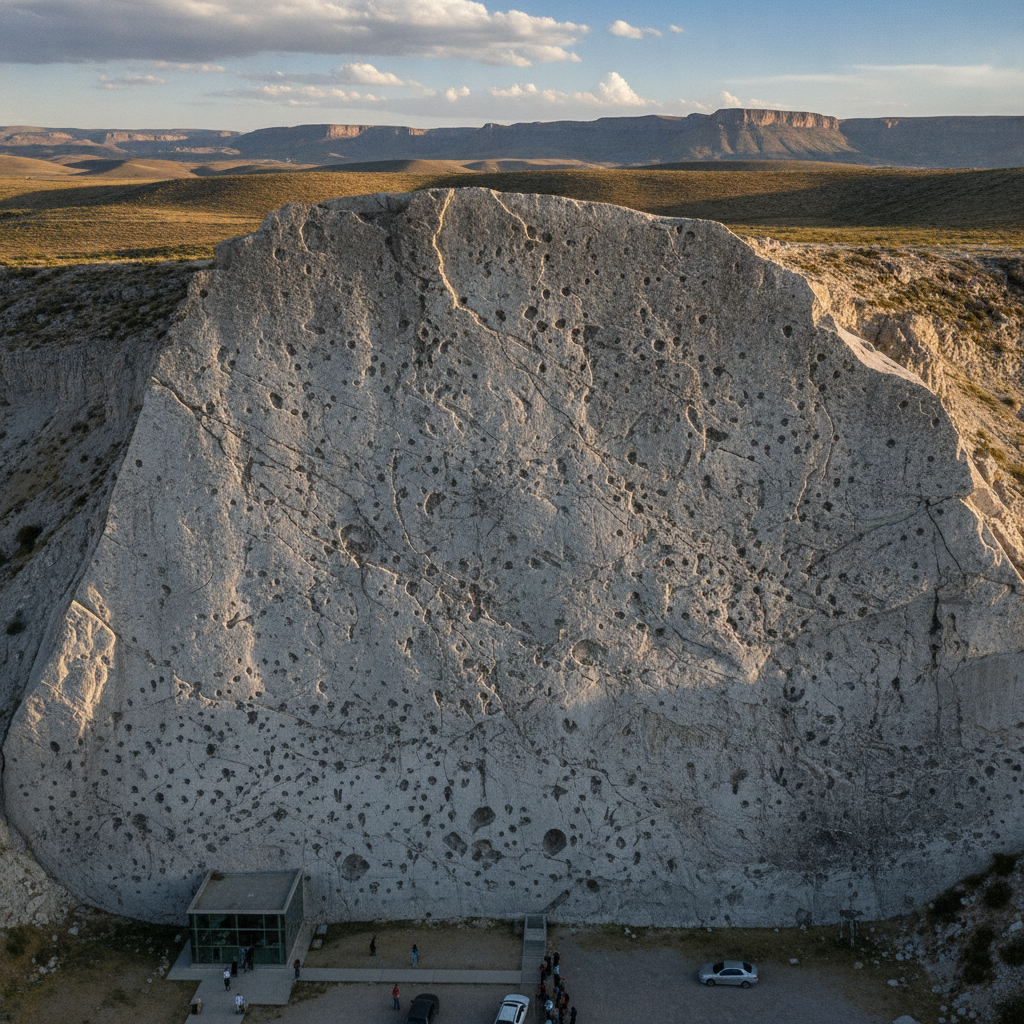
Cal Orcko: The World's Largest Dinosaur Tracksite
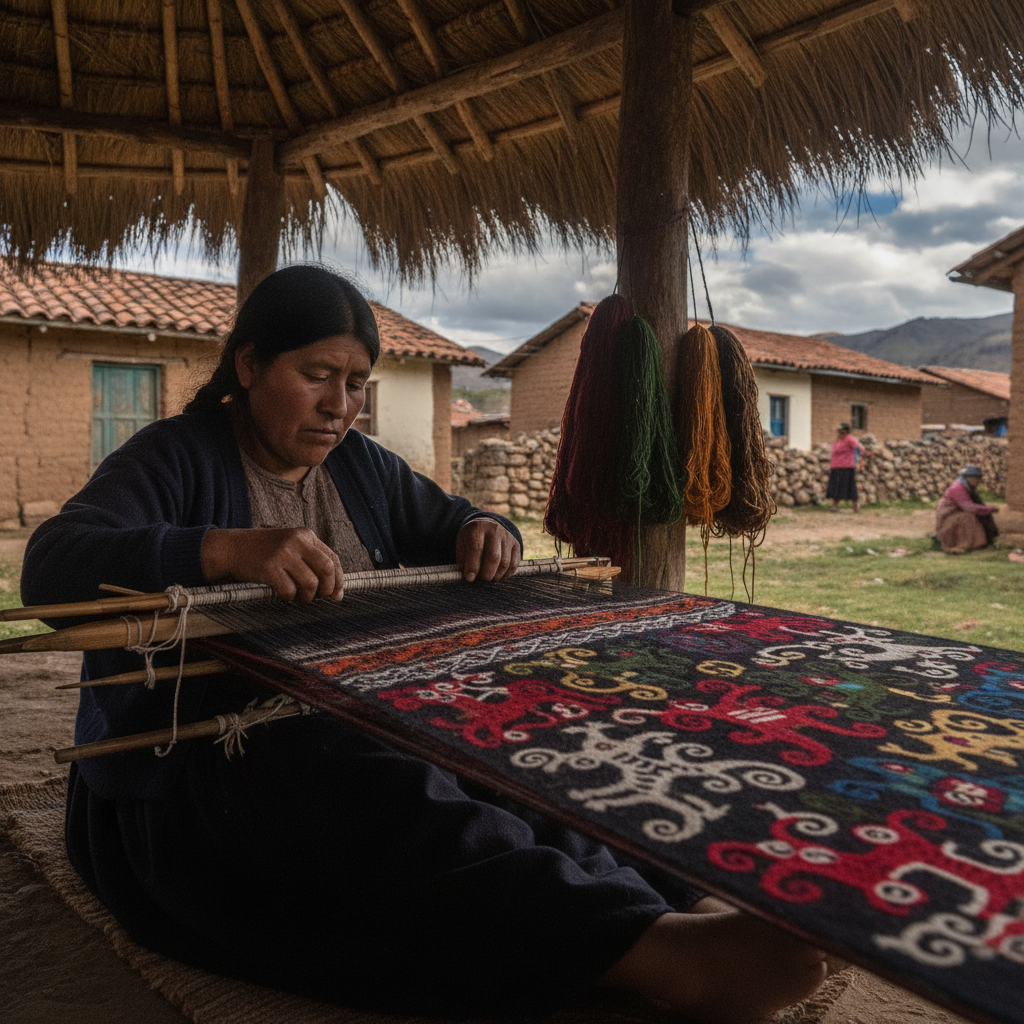
Chuquisaca Textiles: The Jalq'a and Yampara Traditions
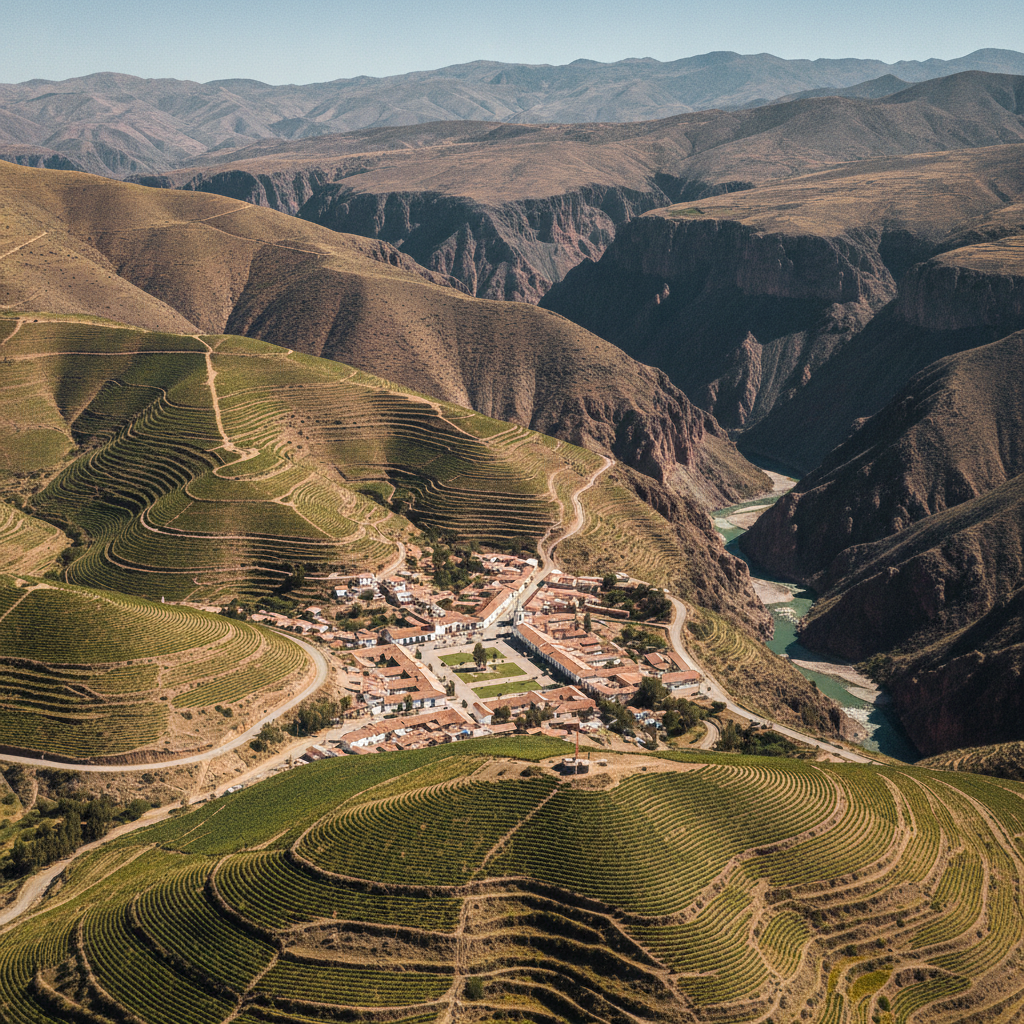
Day Trips from Sucre: Valleys, Vineyards, and Waterfalls