Sucre: Birthplace of Bolivia
Sucre was the centre of Bolivia's independence movement — the city's university, its Jesuit college, and its educated elite produced the ideas and the leaders that broke the Spanish colonial order; the historic sites of the independence era make Sucre South America's most significant city for independence history
- 1
Chuquisaca University
The Universidad Mayor Real y Pontificia de San Francisco Xavier de Chuquisaca – founded in 1624 – was the intellectual center of the independence movement; the university trained the leaders of independence across South America (including figures from Venezuela, Colombia and Argentina); the campus colonial buildings and the library are open to visitors
- 2
the May Revolution of 1809
The Chuquisaca Revolution of May 25, 1809 is considered the "first cry for independence" in Spanish South America - a year before similar uprisings in Venezuela and Argentina; the date (May 25) is the national day of Argentina and Bolivia; Sucre's role as initiator of independence is a source of immense civic pride
- 3
Simón Bolívar Legacy
Simón Bolívar – who liberated five countries (Venezuela, Colombia, Ecuador, Peru, Bolivia) – gave Bolivia its name and Sucre its first constitution; the statue of Bolívar in Plaza 25 de Mayo is the focal point of the city; Bolivia named the country after Bolívar and named the capital after its general Antonio José de Sucre
- 4
Antonio José de Sucre
Antonio José de Sucre — Bolívar's most trusted general — won the Battle of Ayacucho (1824), the decisive battle for South American independence; Bolivia is named after Bolívar, but the capital is named after Sucre; the general's role in the liberation of Peru and Bolivia makes him one of the most consequential military figures in South American history
- 5
Independence Day
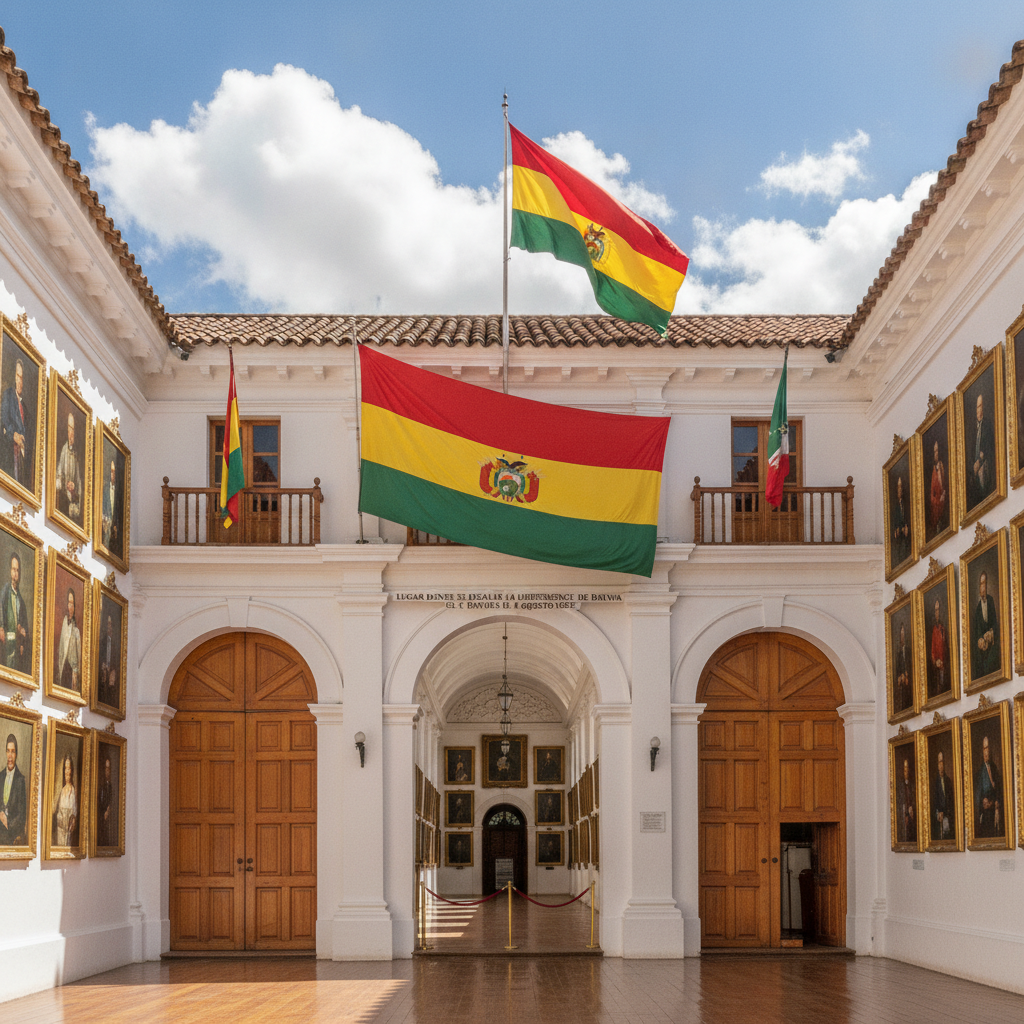
Bolivia's Independence Day (August 6) is celebrated in Sucre with the most elaborate ceremonies in the country; Casa de la Libertad is the focus of the national celebration; the reenactment of the declaration of independence, the military parade and city-wide celebrations make Sucre the centerpiece of Bolivia's national identity
- 6
Judicial Capital Role
As Bolivia's constitutional and judicial capital, Sucre houses the Supreme Court and the Constitutional Court; the separation between the judicial capital (Sucre) and the administrative capital (La Paz) is unique in South America; the judicial buildings in Sucre's colonial center give the city a continued governmental function beyond its historical role
Walk this route with audio
Stories play automatically as you reach each stop — no tapping needed.
More in Sucre
Sucre's Food: Bolivia's Most Refined Cuisine
Cal Orcko: The World's Largest Dinosaur Tracksite
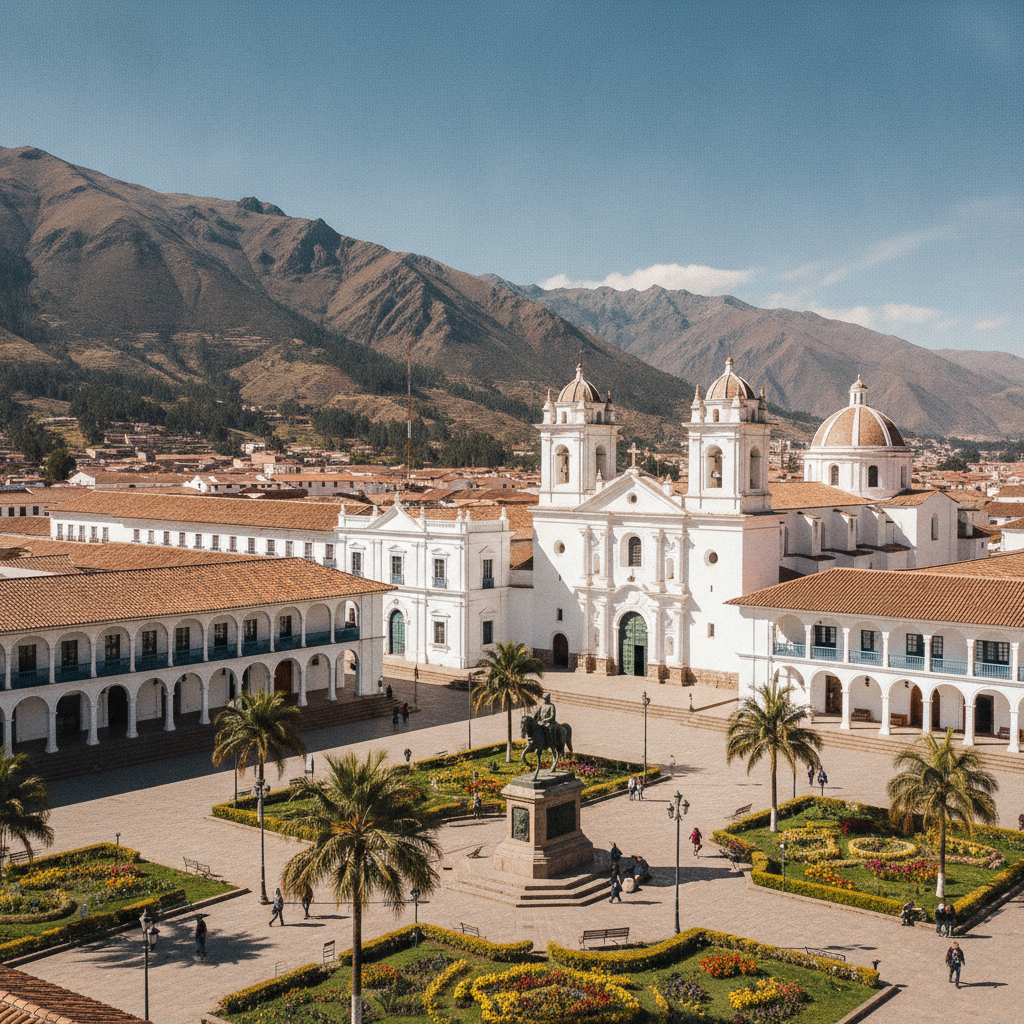
Sucre: Bolivia's White Colonial Capital
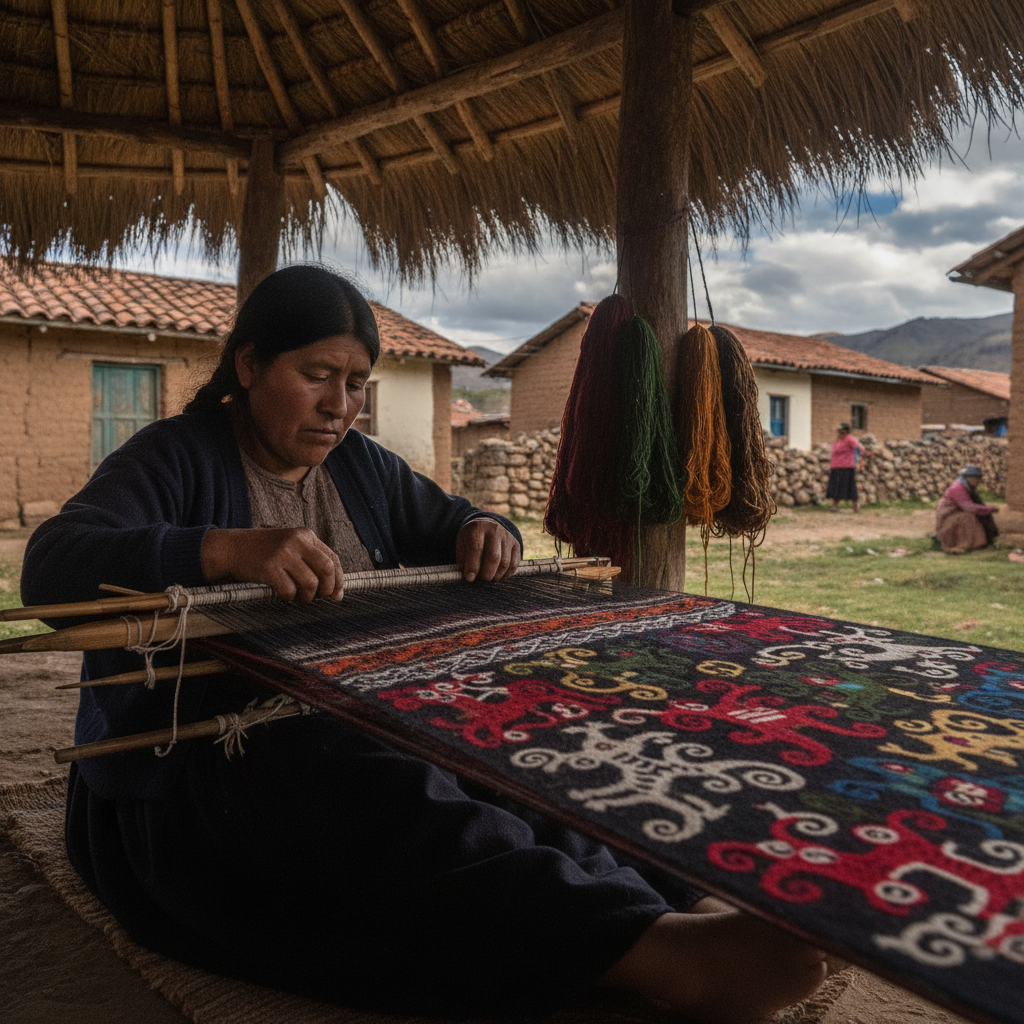
Chuquisaca Textiles: The Jalq'a and Yampara Traditions
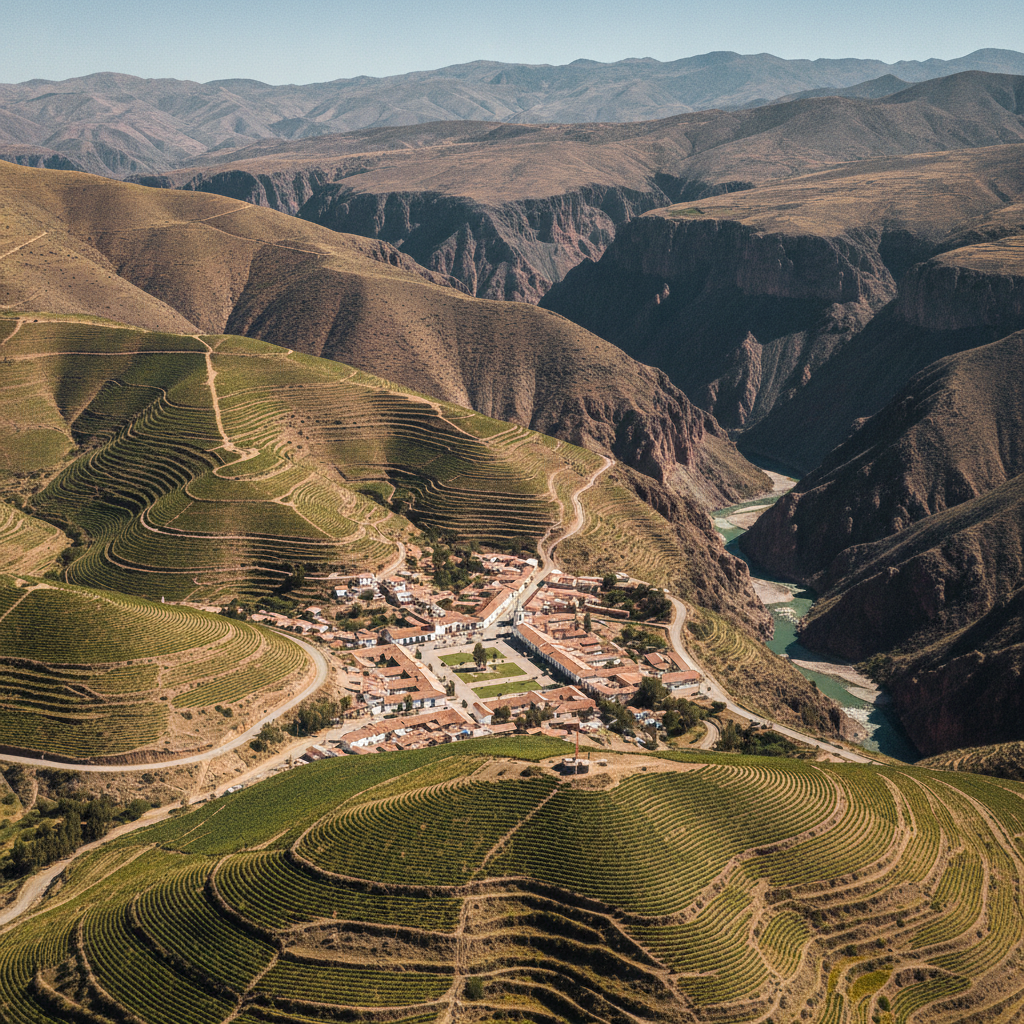
Day Trips from Sucre: Valleys, Vineyards, and Waterfalls