Santa Marta's Caribbean Culture: Cumbia, Vallenato & Tairona Tradition
Santa Marta is the cultural crossroads of Colombia's Caribbean coast — the cumbia, the vallenato, and the living Tairona indigenous traditions of the Kogui all coexist in the city and its surrounding sierra
- 1
Cumbia origin
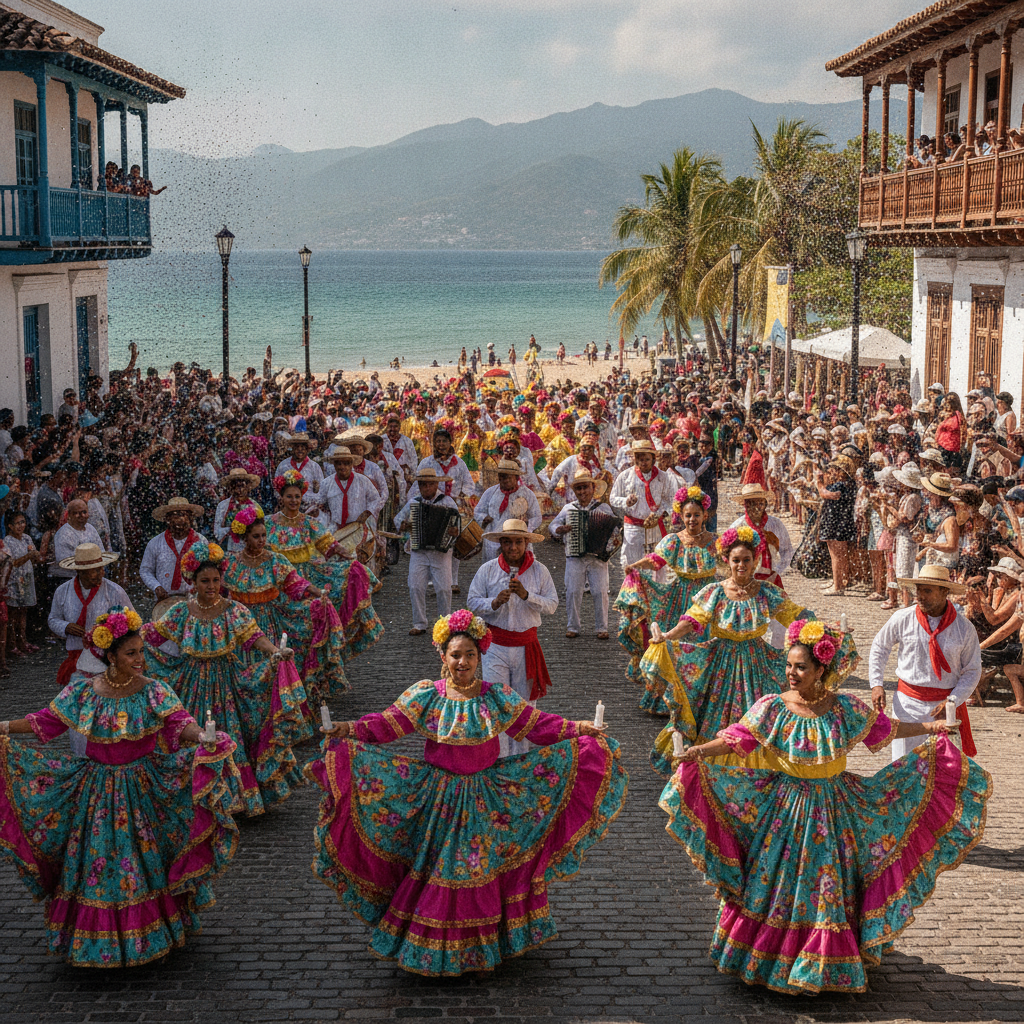
Cumbia – Colombia's national dance – originated on the Caribbean coast in the interplay between African slaves and indigenous peoples; the flowing white skirts, the lights and the West African rhythmic framework are cumbia's defining elements
- 2
Vallenato Festival Connection
The Vallenato – the accordion-driven narrative folk music of the Colombian Caribbean – originated in the Magdalena department around Santa Marta; vallenato's three rhythms (paseo, merengue, son) tell stories of love, nature and caribbean life
- 3
November Independence Festival
Santa Marta's Independence Festival in November (celebrated on November 1) brings outdoor concerts, vallenato performances and Colombian Caribbean music to the waterfront; the festival celebrates the city's declaration of independence from Spain in 1813
- 4
Kogui Cultural Presence
Kogui-mamos (priests) are sometimes visible in Santa Marta - the white-robed figures with their mochilas (woven bags) and poporo (lime gourd) represent a continuous living tradition of the Tairona civilization; Kogui's cultural presence in the modern city is significant
- 5
Mochilas Arhuaca Craft
The mochila arhuaca — the woven bag made by indigenous Arhuaco women with cotton grown in the Sierra Nevada — is Colombia's most iconic craft; the geometric designs encode cosmological knowledge; the mochilan is sold in Santa Marta and increasingly in Colombian design stores
- 6
Caribbean Gastronomy
Santa Marta's cuisine reflects its Caribbean coastal location – sancocho de pescado (fish soup with cassava), arepas de maíz, fried fish at beach stalls and fresh coconut rice are the foundation of the city's food culture
Walk this route with audio
Stories play automatically as you reach each stop — no tapping needed.
More in Santa Marta
Tayrona National Park: Jungle Meets Caribbean Sea
Minca: World-Class Birding in the Sierra Nevada
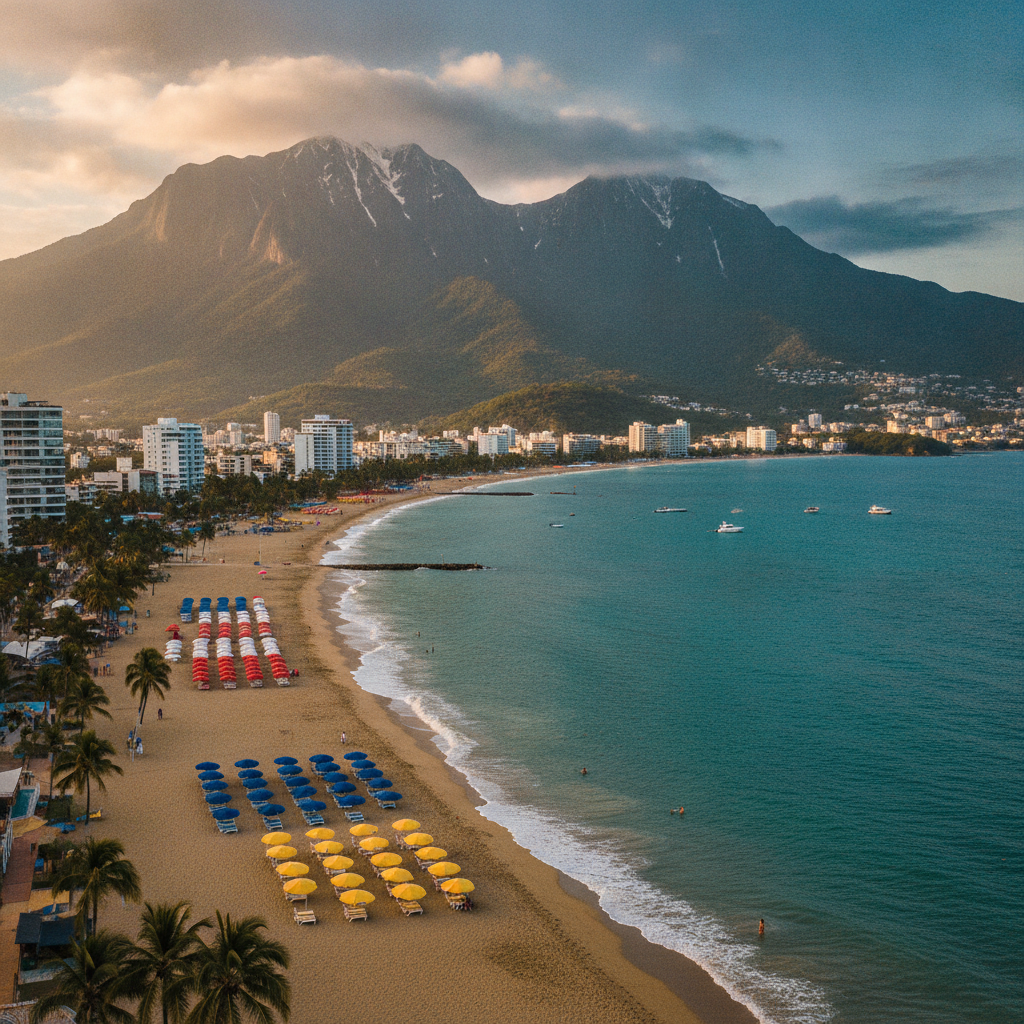
Santa Marta's Caribbean Coast: Beaches of the Magdalena
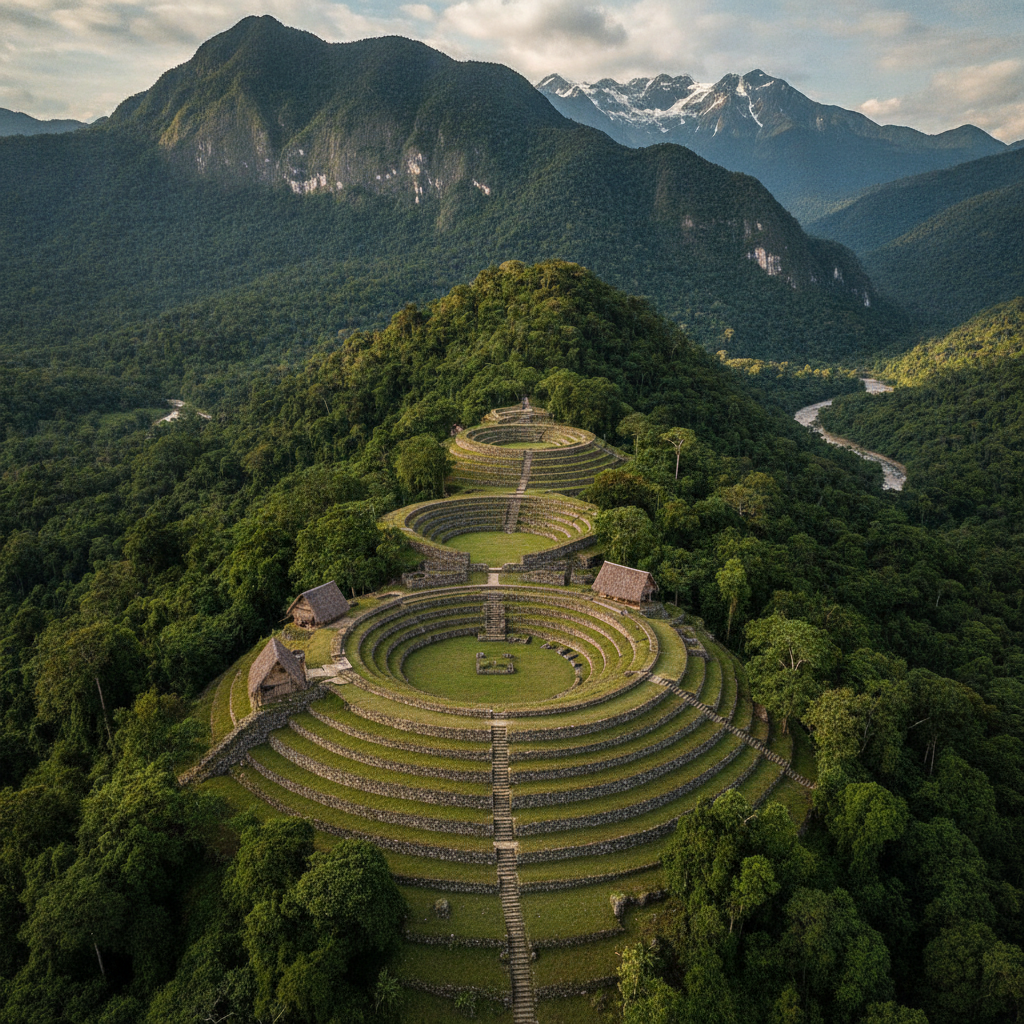
Ciudad Perdida: Colombia's Lost City in the Sierra Nevada

Santa Marta: Colombia's Oldest Colonial City