Sierra Nevada de Santa Marta: The World's Highest Coastal Mountain
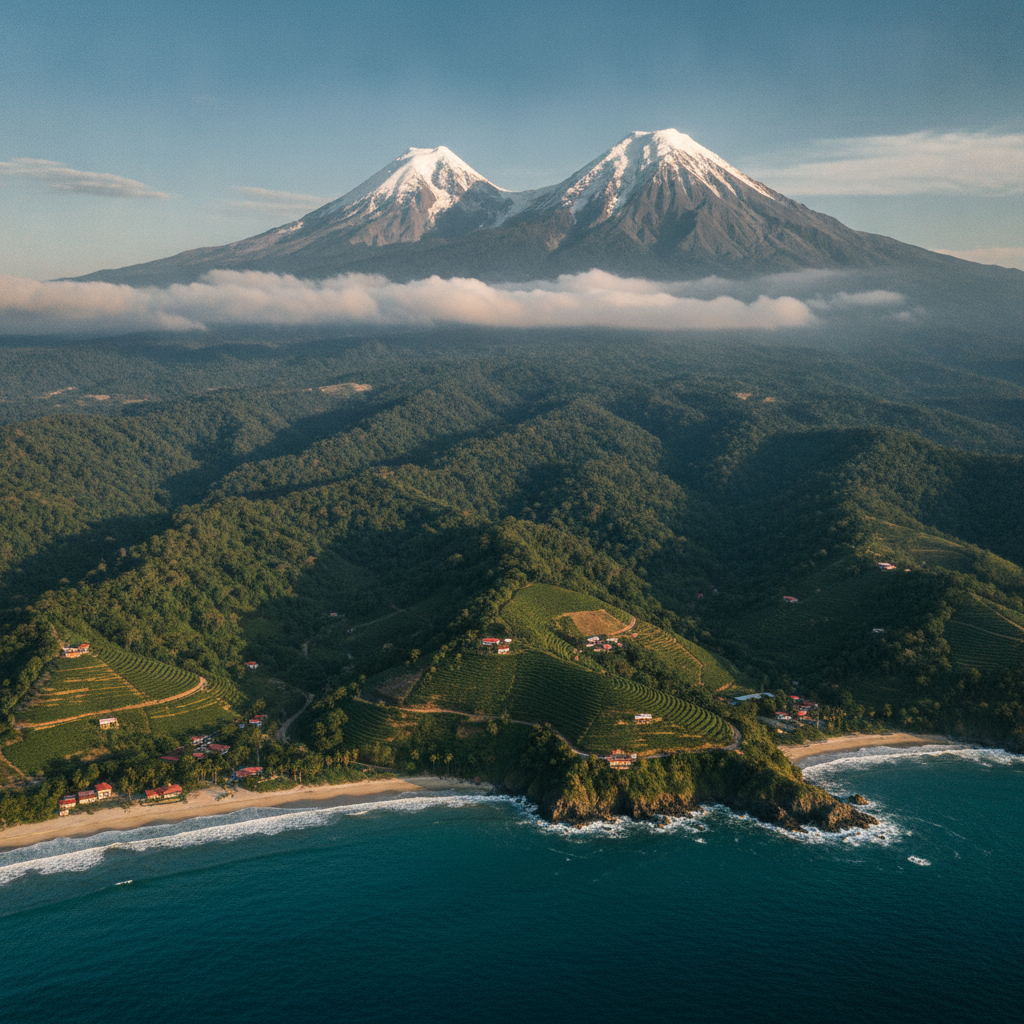
The Sierra Nevada de Santa Marta — an isolated mountain range rising to 5,775m directly from the Caribbean — is the world's highest coastal mountain range, an extraordinary UNESCO Biosphere Reserve, and the sacred home of four indigenous peoples
- 1
Picos Colón and Bolívar
The twin peaks of Picos Colón and Simón Bolívar—at 5,775m and 5,720m respectively—are the highest points in Colombia and visible on clear days from the shores of Santa Marta; the vertical drop from peak to sea within 42 km is extraordinary
- 2
Four indigenous people
The Sierra Nevada is home to four indigenous peoples - the Kogui, Wiwa, Arhuaco and Kankuamo - each of which speaks a distinct language and maintains ancient ceremonial customs; they collectively call themselves the Elder Brothers and the rest of humanity the Younger Brothers
- 3
Coffee plantations in the Lower Sierra
Sierra Nevada's mid-elevation slopes (1,000-1,800 m) are coffee-growing country - Sierra Nevada's shade-grown coffee is among Colombia's finest; visit to coffee farms from the village of Minca combines mountain scenery with coffee culture
- 4
Minca: The Hill Town
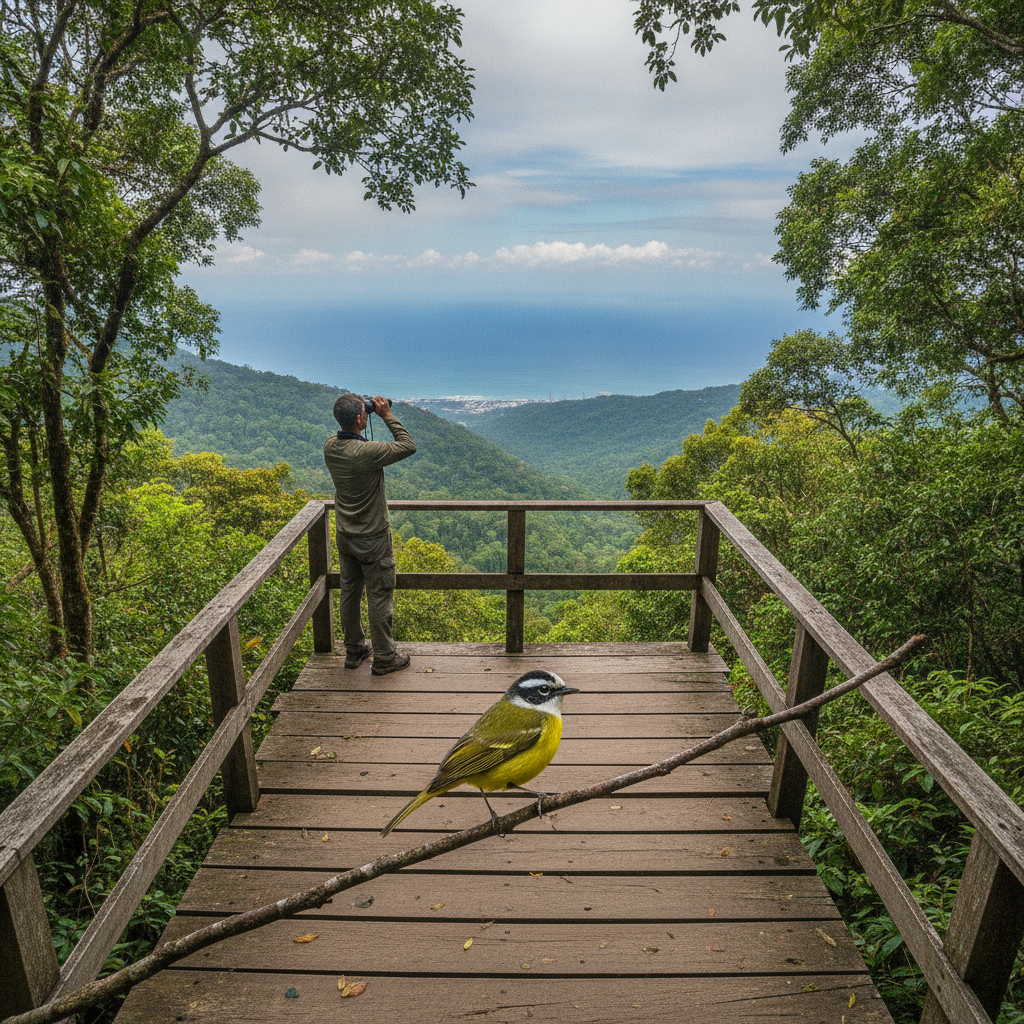
Minca – a village at 700 meters on the lower slopes of the Sierra Nevada above Santa Marta – has become Colombia's best base for birding and hiking; the cool temperature, waterfalls, coffee farms and bird diversity make it an essential stop
- 5
Biosphere Reserve
The Sierra Nevada de Santa Marta is a UNESCO Biosphere Reserve — the dramatic elevation gradient from sea level to 5,775 m creates an unprecedented diversity of ecosystems in a compact area; the reserve is one of the world's most biologically diverse mountain systems
- 6
Santa Marta Parakeet
The Santa Marta mountain tanager and the Santa Marta parakeet - endemic to the Sierra Nevada - are two of 20 bird species found nowhere else on earth; The Sierra's bird endemism is extraordinary for a small mountain range and makes it a world-class birding destination
Walk this route with audio
Stories play automatically as you reach each stop — no tapping needed.
More in Santa Marta
Tayrona National Park: Jungle Meets Caribbean Sea
Minca: World-Class Birding in the Sierra Nevada
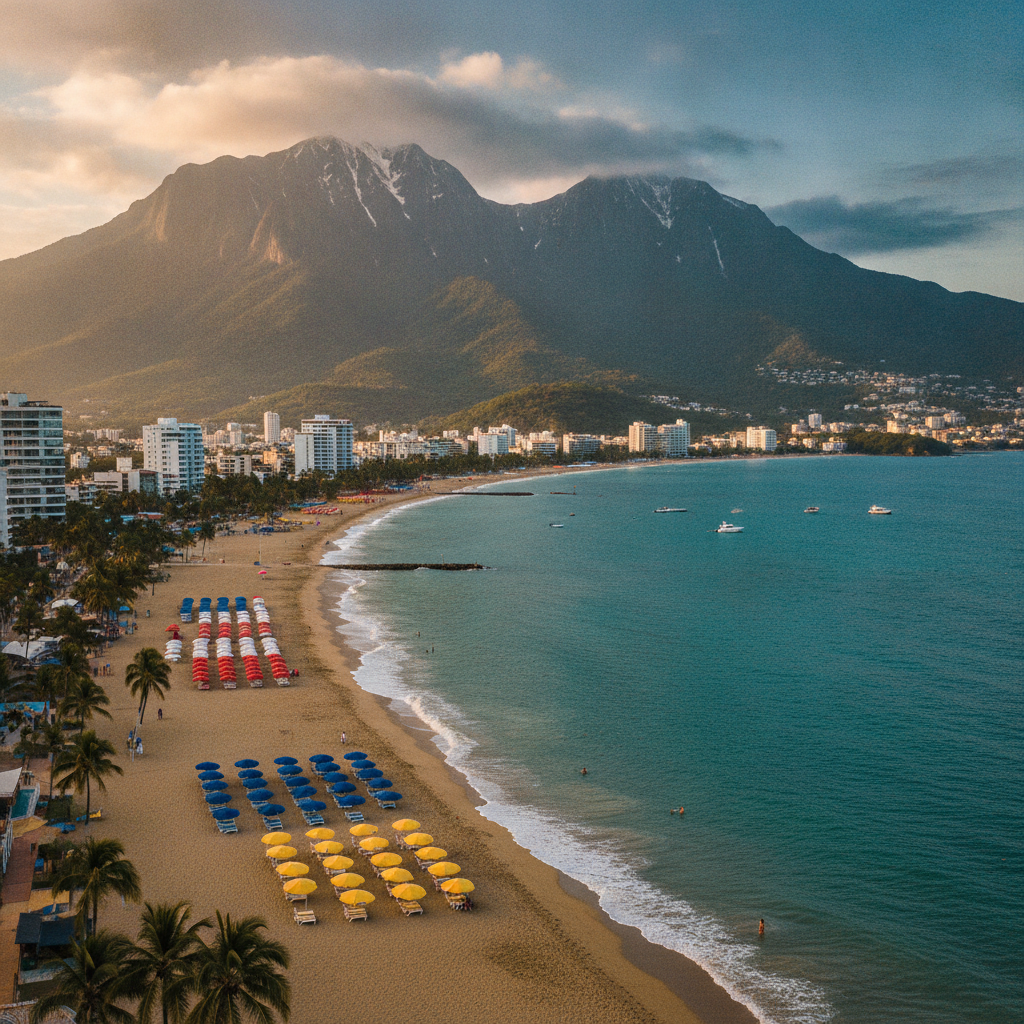
Santa Marta's Caribbean Coast: Beaches of the Magdalena
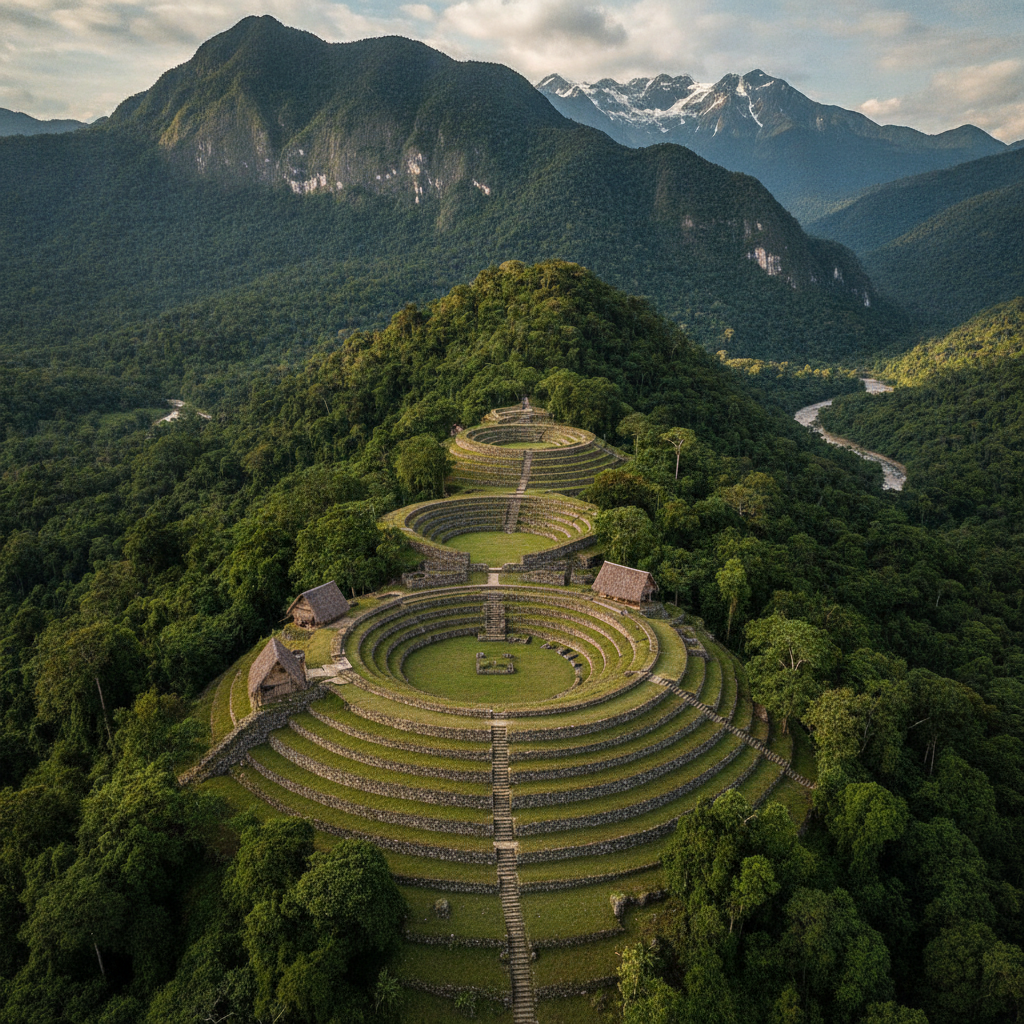
Ciudad Perdida: Colombia's Lost City in the Sierra Nevada

Santa Marta: Colombia's Oldest Colonial City