Raja Ampat Snorkelling & Shallow Reef Walk
Explore Raja Ampat by snorkel — the shallow reef habitats accessible without scuba equipment include some of the most fish-rich environments in the world, with the iconic wobbegong sharks, pygmy seahorses, and extraordinary coral gardens visible in water shallow enough for competent swimmers without dive certification.
- 1
Arborek Jetty Snorkel
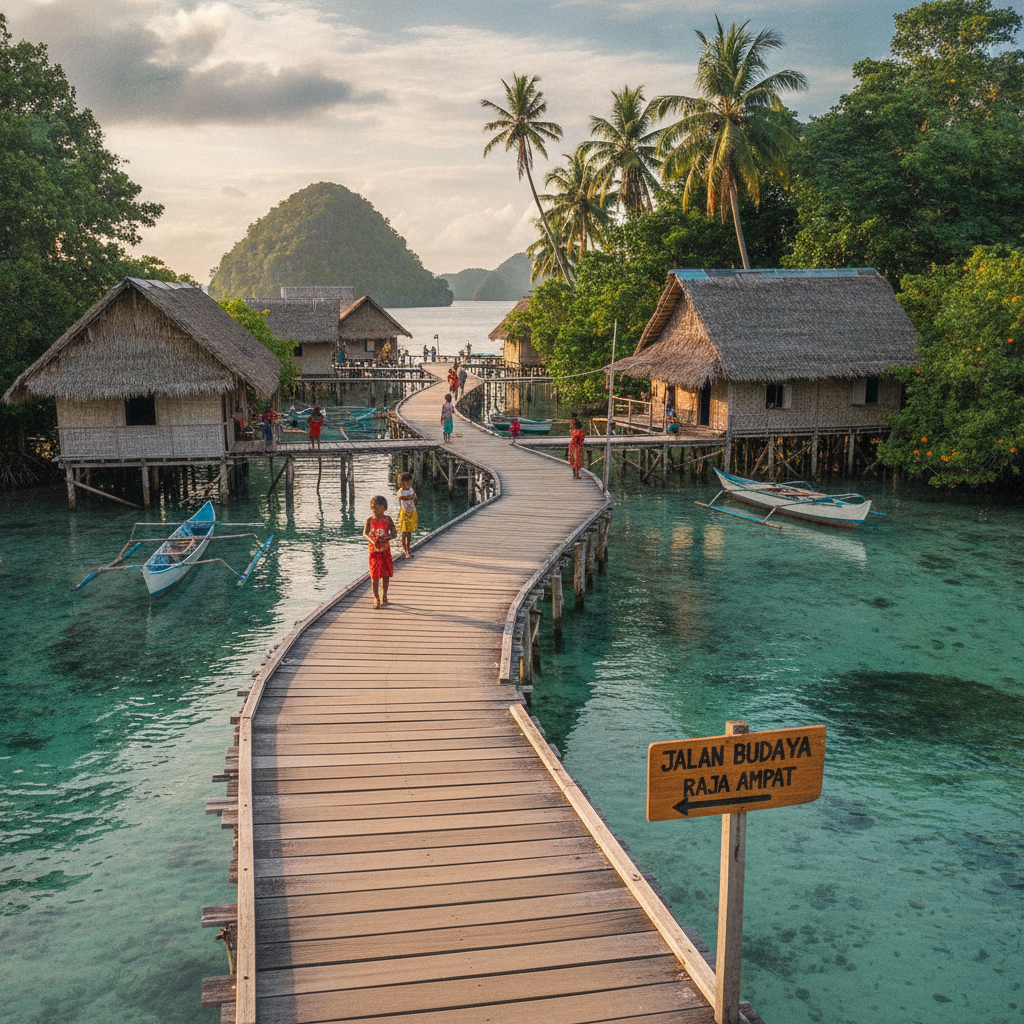
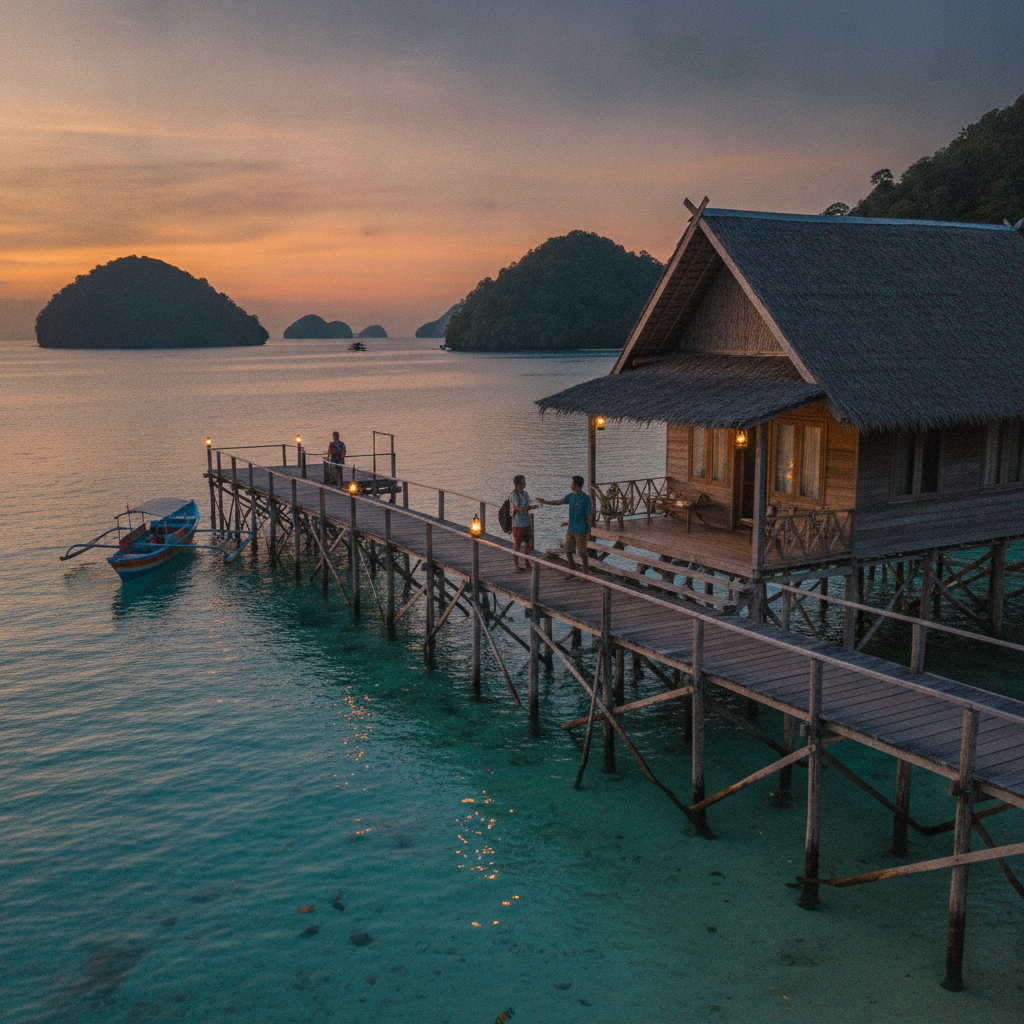
The reef immediately beneath the Arborek village jetty is one of the most accessible and diverse snorkel sites in Raja Ampat — the coral garden extending from the wooden piles of the jetty into the surrounding reef has turtles, schools of reef fish, and the occasional wobbegong shark resting on the coral, visible from the surface in water ranging from 2 to 10 metres depth.
- 2
Passage Snorkel Channel
The Passage is a narrow channel between two islands that creates a current-driven snorkel run — the gentle current that flows through at certain tide states carries snorkellers past coral-covered walls with extraordinary fish density, soft coral gardens in electric colours, and the occasional black-tip reef shark resting on the sandy passage floor, in one of the most memorable and effortless snorkelling experiences in Raja Ampat.
- 3
Pianemo Snorkel Lagoon
The lagoon around the Pianemo karst islands has shallow coral gardens accessible by snorkel — the turquoise water over white coral rubble creates the luminous colour visible from the viewpoint above, and the reef garden beneath the surface contains species that are commonly found only in deeper water at degraded reef sites but are visible here in just 3 metres of water.
- 4
Shallow Reef Garden Walk
The shallow reef gardens of the Four Kings islands area between Batanta, Salawati, Misool, and Waigeo are accessible by snorkel from the beaches of island homestays — the extraordinary coral coverage of even the shallowest reef areas, combined with the fish density that has resulted from reduced fishing pressure, creates snorkelling conditions that experienced divers from degraded reef environments elsewhere in Asia find genuinely astonishing.
- 5
Mangrove Root Snorkel
Snorkelling through the mangrove root systems of Raja Ampat's sheltered bays reveals a nursery habitat of extraordinary richness — the tangled root systems of the mangroves are home to juvenile fish of hundreds of species, with tiny fish of eventual large sizes including Napoleon wrasse, grouper, and snappers using the root systems as protection from predators until they are large enough to move onto the exposed reef.
- 6
Coral Nursery Project
The coral nursery projects operating in several locations around Raja Ampat grow coral fragments on underwater frames before transplanting them to degraded reef sections — the nurseries, operated by local communities and dive resorts with scientific support, represent the active restoration dimension of Raja Ampat's conservation work and are snorkellable from the surface, providing visitors with an understanding of the effort required to maintain the reef health that is Raja Ampat's primary tourism asset.
Walk this route with audio
Stories play automatically as you reach each stop — no tapping needed.