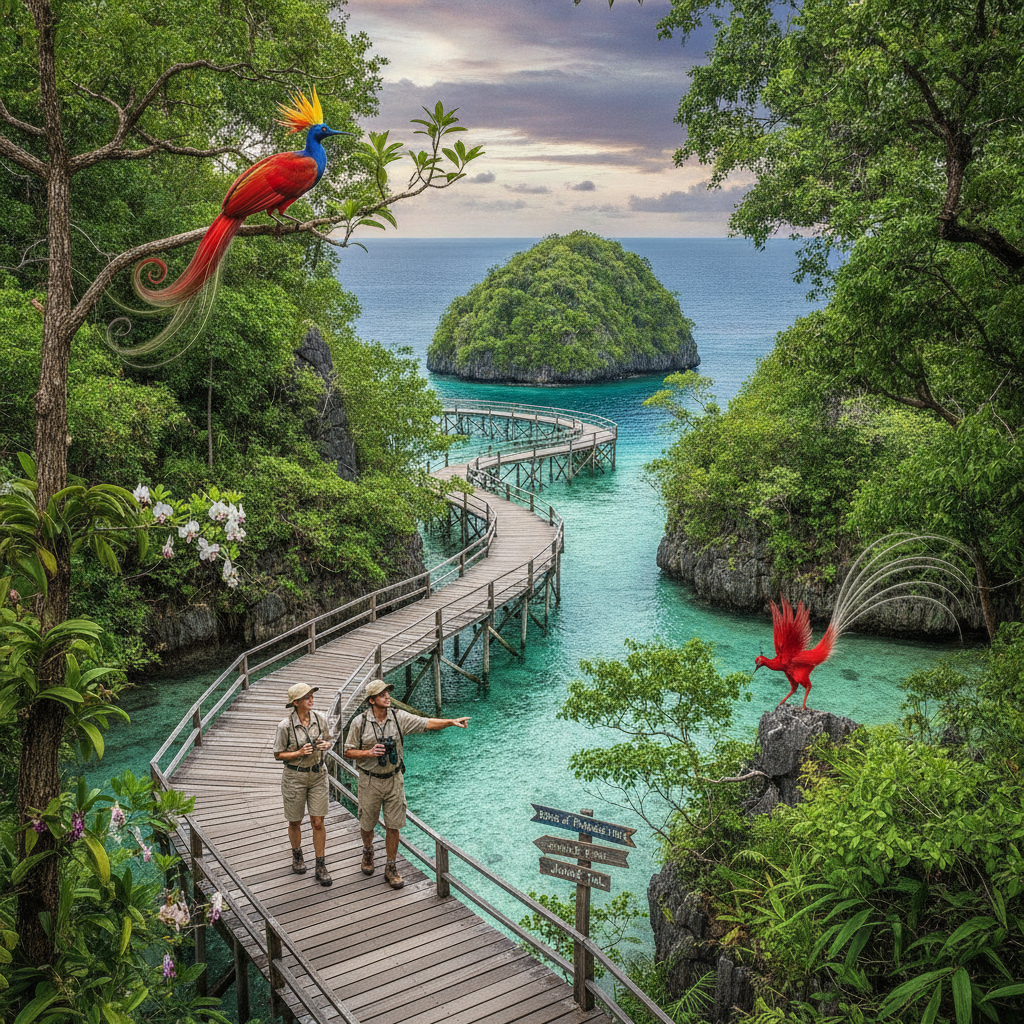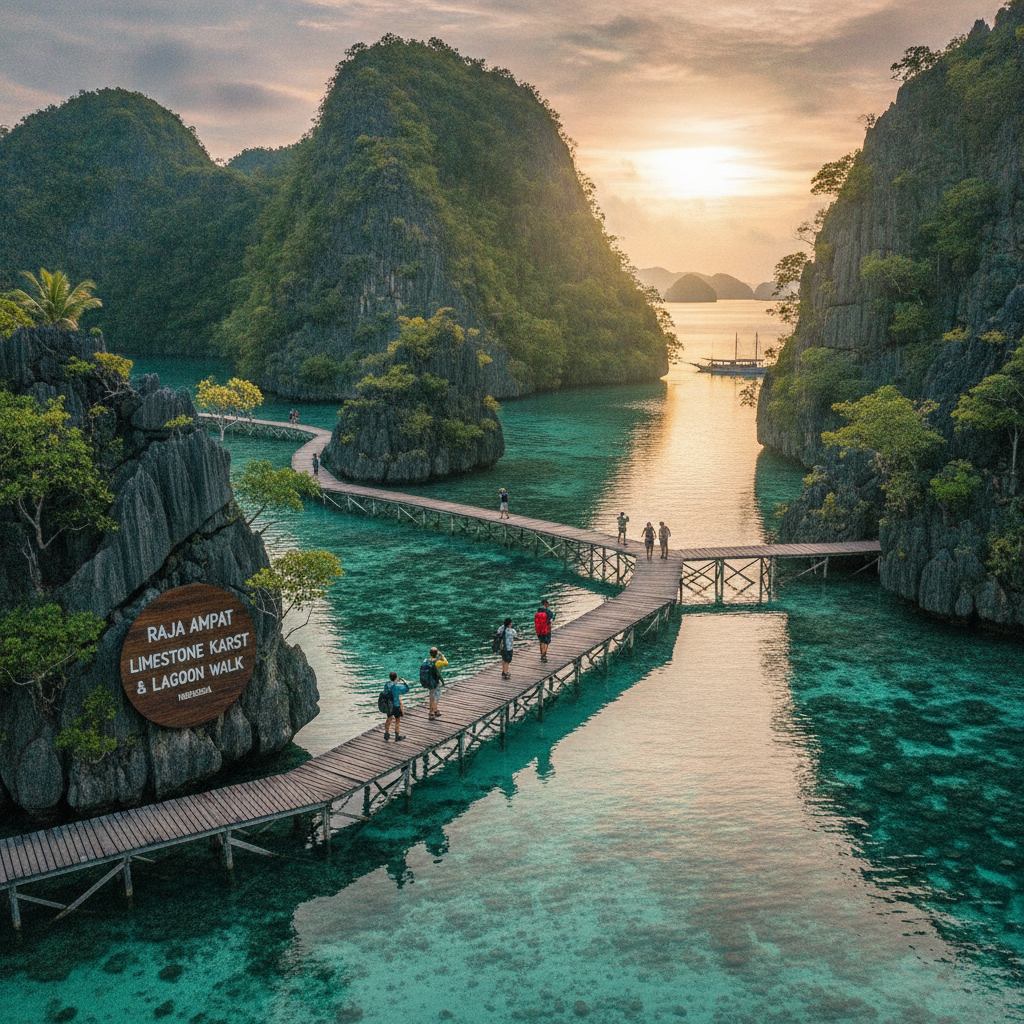
Raja Ampat Limestone Karst & Lagoon Walk
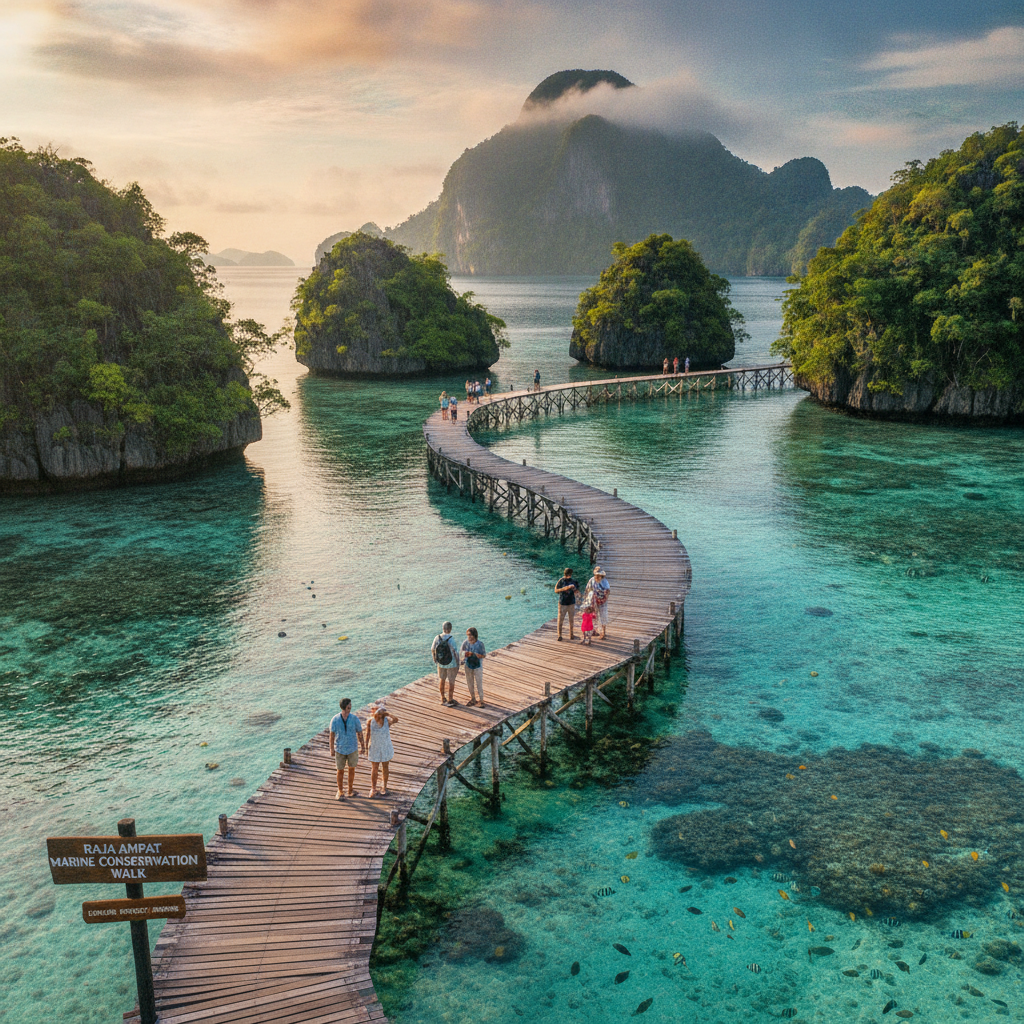
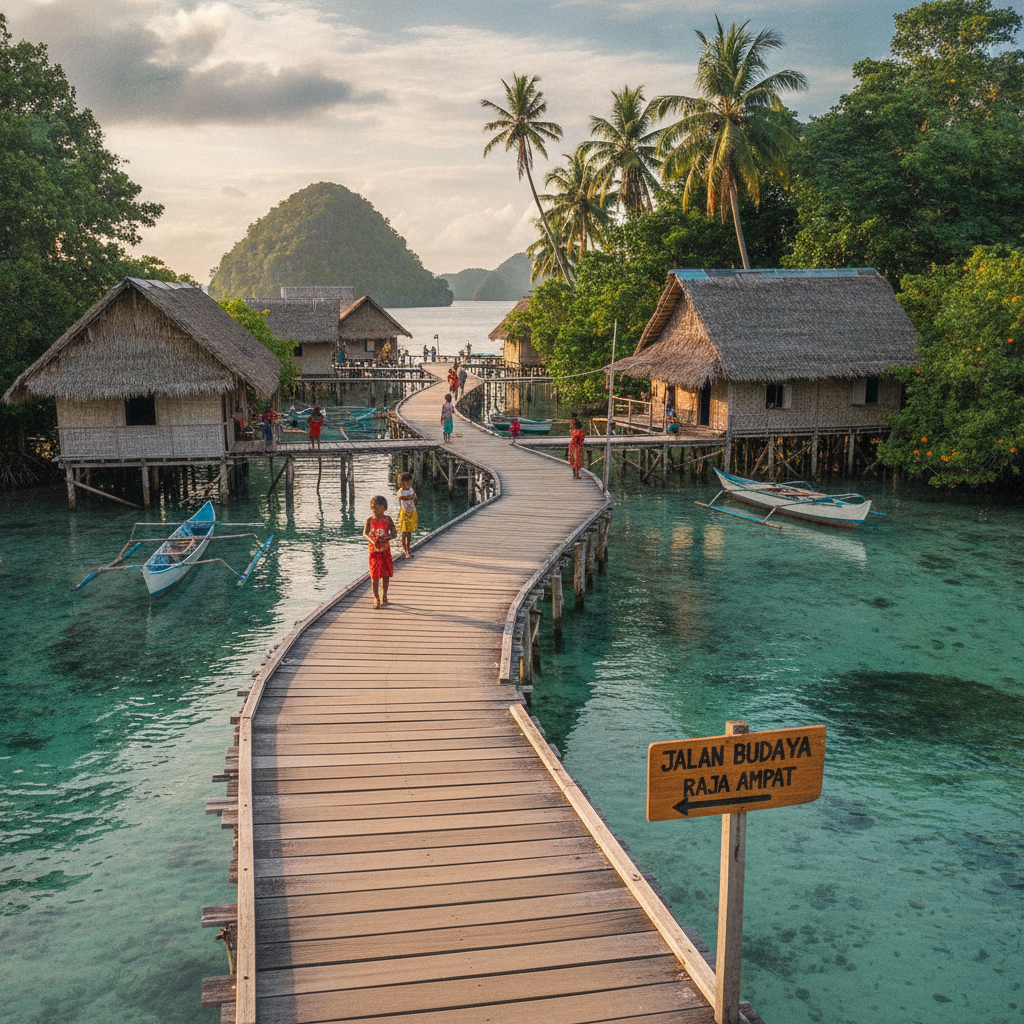
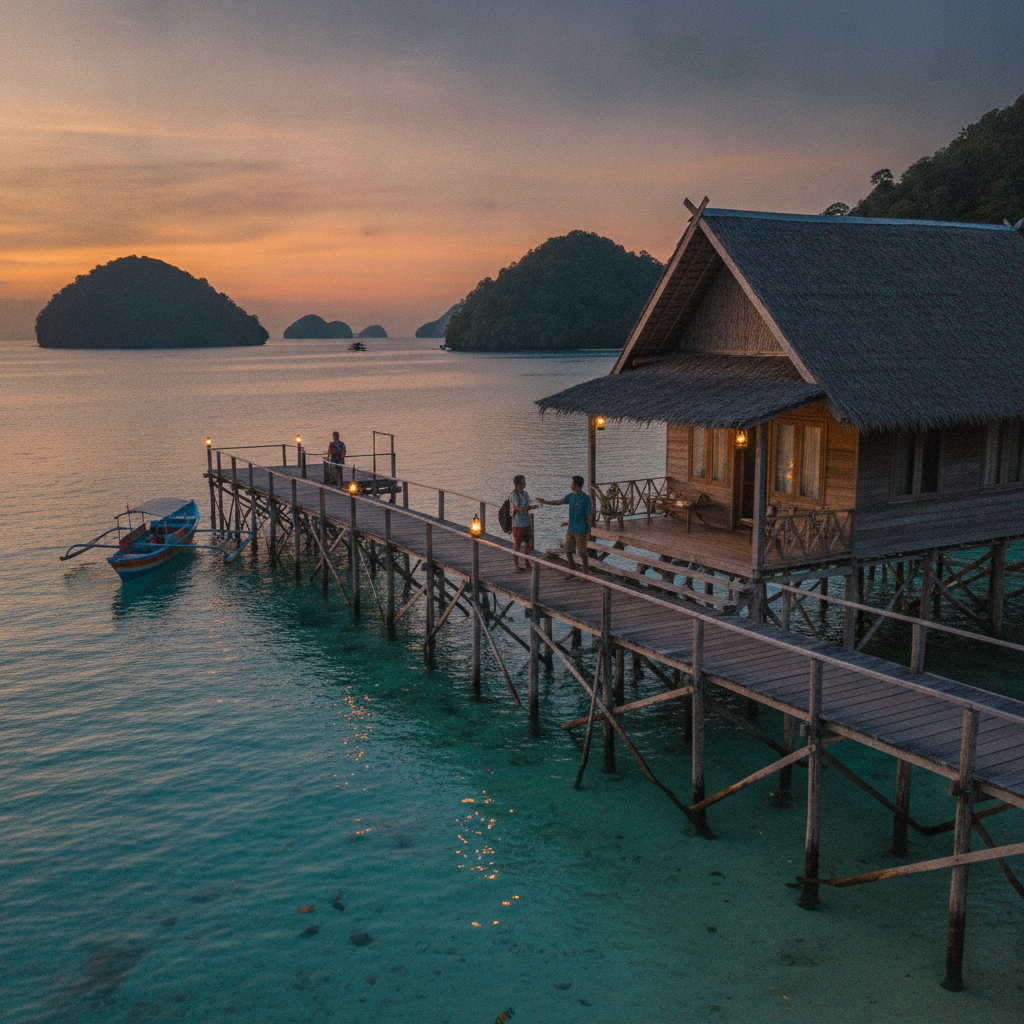
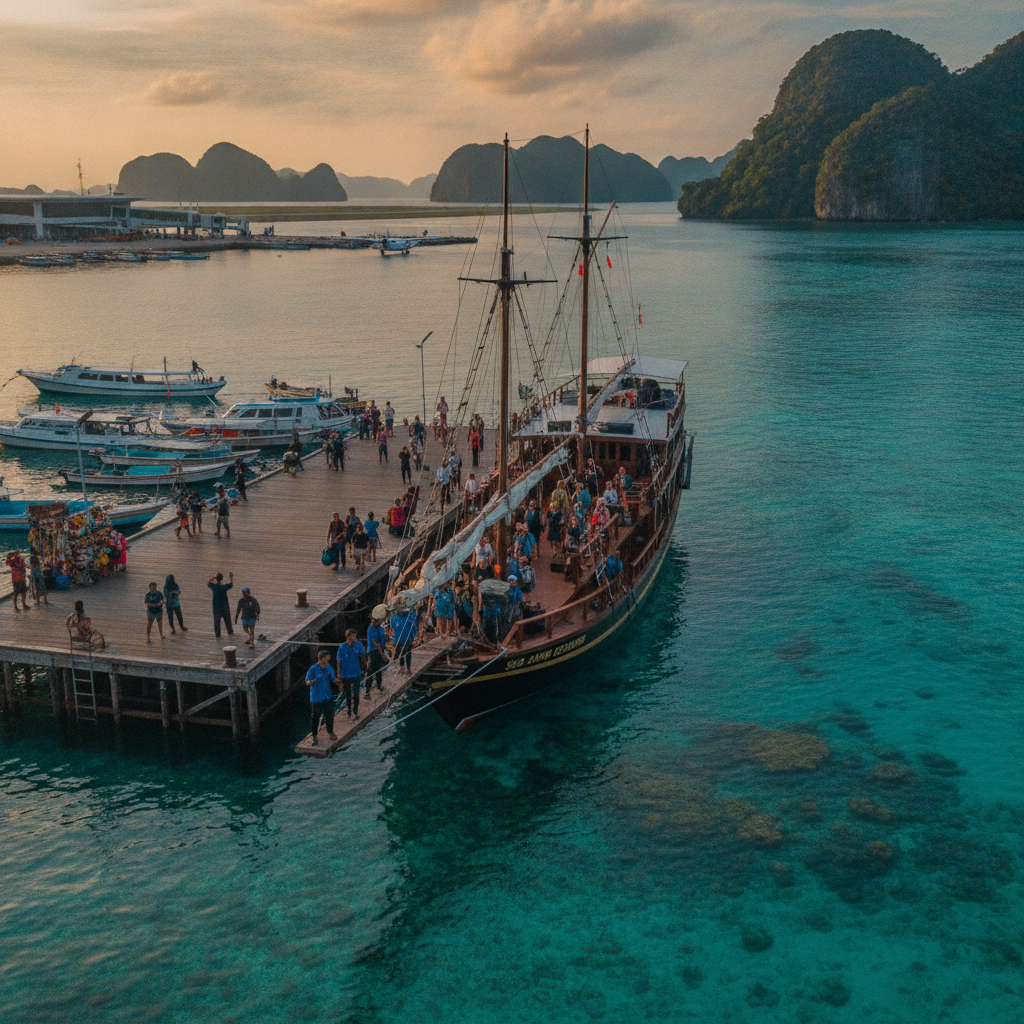
Navigate Raja Ampat's extraordinary limestone karst landscape — the mushroom-shaped islands, hidden lagoons, sea caves, and blue holes that make this archipelago one of the world's most dramatic above-water environments, created by the same tectonic and limestone geology that supports the extraordinary reef below.
- 1
Wayag Karst Islands
The Wayag karst islands in northwestern Raja Ampat are among the most visually extraordinary landscapes in Indonesia — the cluster of rounded limestone towers rising directly from the water, their bases undercut by wave action to create mushroom shapes, their summits covered by dense vegetation, and the connecting network of turquoise lagoons between them creates a landscape of such improbable beauty it appears fabricated.
- 2
Pianemo Viewpoint
Pianemo viewpoint requires a steep 20-minute climb to a platform above the karst islands — the bird's eye view of the Pianemo lagoon system, with its islands and channels and the open ocean beyond, is the most accessible of Raja Ampat's signature karst landscape views and the most frequently photographed, combining the epic landscape scale with a viewpoint reachable without specialist equipment.
- 3
Hidden Lagoon Sea Cave
The hidden lagoons of southern Misool in Raja Ampat are accessible only by swimming through sea caves at the base of the limestone — the enclosed lagoons where the water is protected from ocean swell and the clarity is extraordinary, with the cave ceilings covered in rock art from the Papuan inhabitants of thousands of years ago, represent the most secretive and beautiful environments in the archipelago.
- 4
Blue Water Passage
The narrow passages between the karst islands of Raja Ampat create current channels that concentrate marine life — the tidal flow through these passages delivers nutrients from the open ocean to the enclosed lagoons and reef systems, creating feeding conditions that attract everything from garden eels on the sandy passages to manta rays riding the current, making the passages among the most consistently productive dive sites in the archipelago.
- 5
Rock Art Sites Misool
The prehistoric rock art sites on the limestone cliffs of Misool and other southern Raja Ampat islands contain hand prints, fish, and human figures painted in red ochre by the ancestors of the current Papuan inhabitants — the art sites, accessible only by boat to specific cliffs, add a human historical dimension to the natural wonders of the archipelago, demonstrating continuous human habitation of these islands for at least 3000 years.
- 6
Fam Island Lagoon
Fam Island in western Raja Ampat has the most intact lagoon ecosystem of the accessible islands — the enclosed lagoon with its coral garden visible through the water from the surface, the resident turtle population, and the absence of tourism infrastructure creates the impression of how all of Raja Ampat's lagoons appeared before the dive tourism economy arrived, providing a benchmark against which the impact of even well-managed tourism can be measured.
Walk this route with audio
Stories play automatically as you reach each stop — no tapping needed.