Raja Ampat Live-aboard Dive Safari Route
Follow the live-aboard dive safari circuit through Raja Ampat — the week-long boat journey through the four island groups that is the definitive Raja Ampat experience, accessing dive sites inaccessible from land bases and covering the full diversity of marine environments from shallow reef to deep wall to manta feeding station.
- 1
Sorong Marina Live-aboard Base
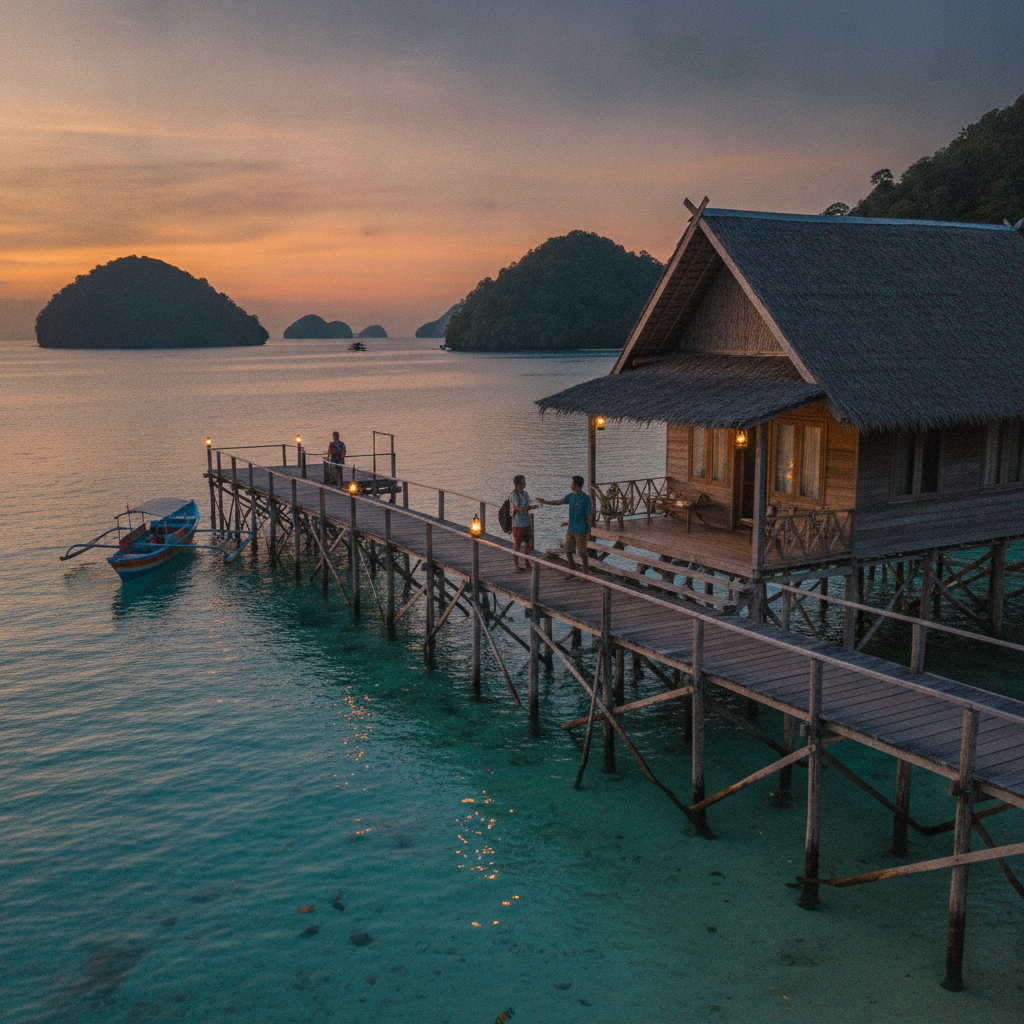
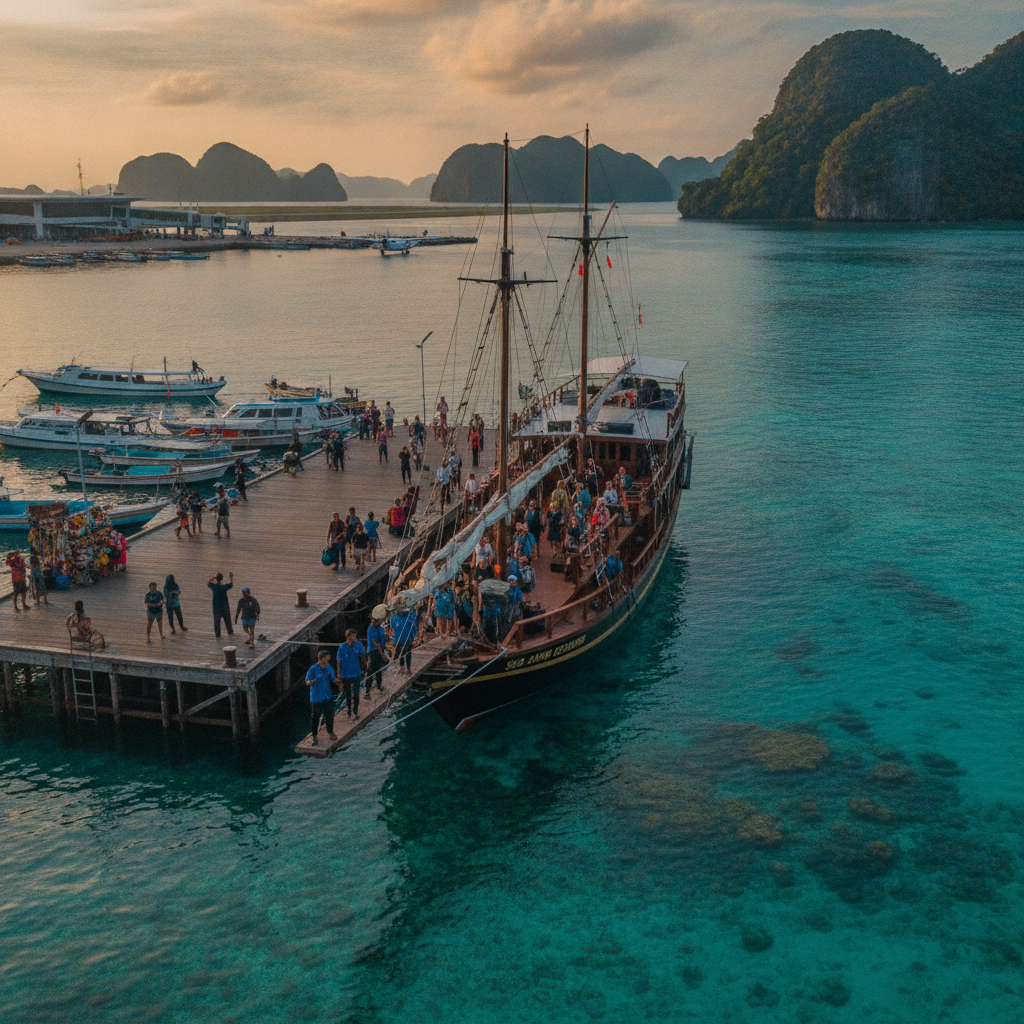
The Sorong marina where live-aboard dive vessels dock is Raja Ampat's operational hub — the fleet of purpose-built dive vessels ranging from Indonesian phinisi wooden sailing boats to purpose-built steel dive vessels depart from here on routes typically of 7 or 10 nights, carrying international divers through an archipelago too vast and remote to be explored from any land base.
- 2
North Raja Ampat Circuit
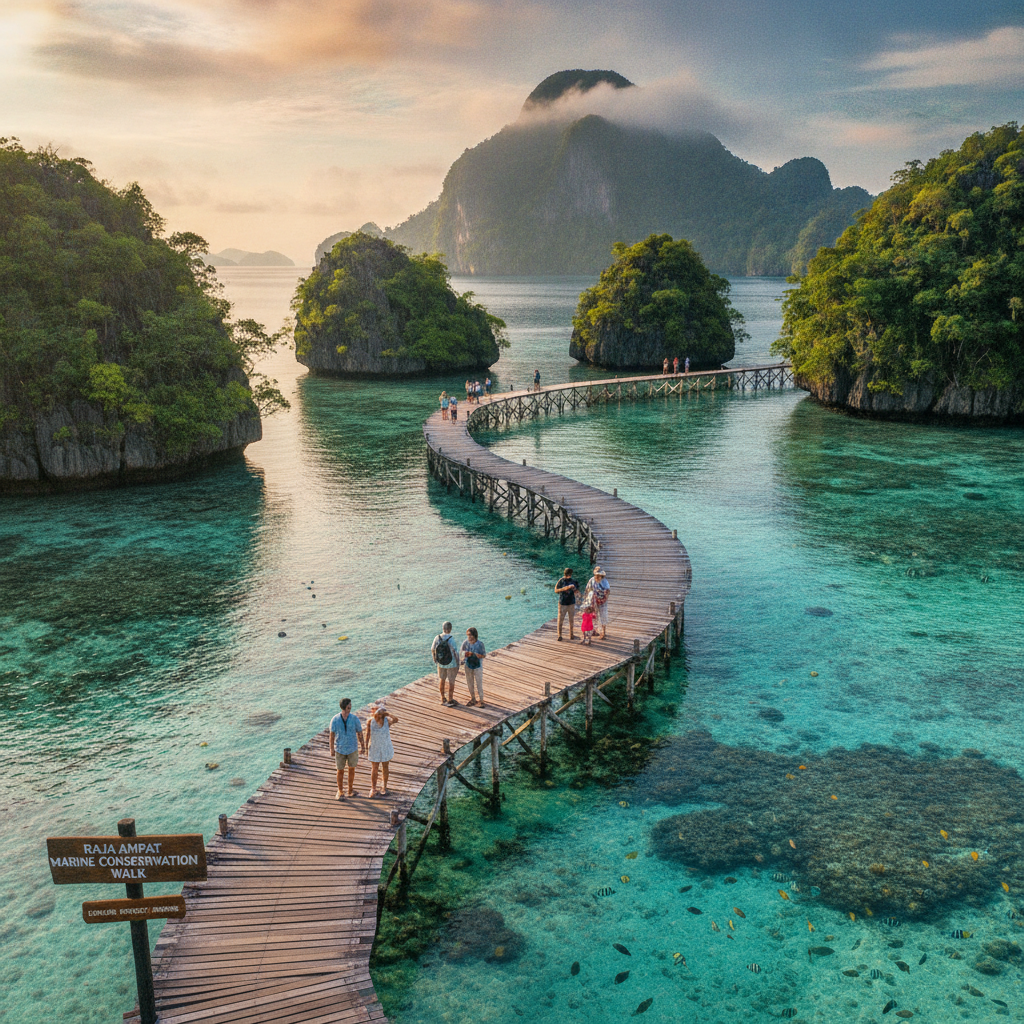
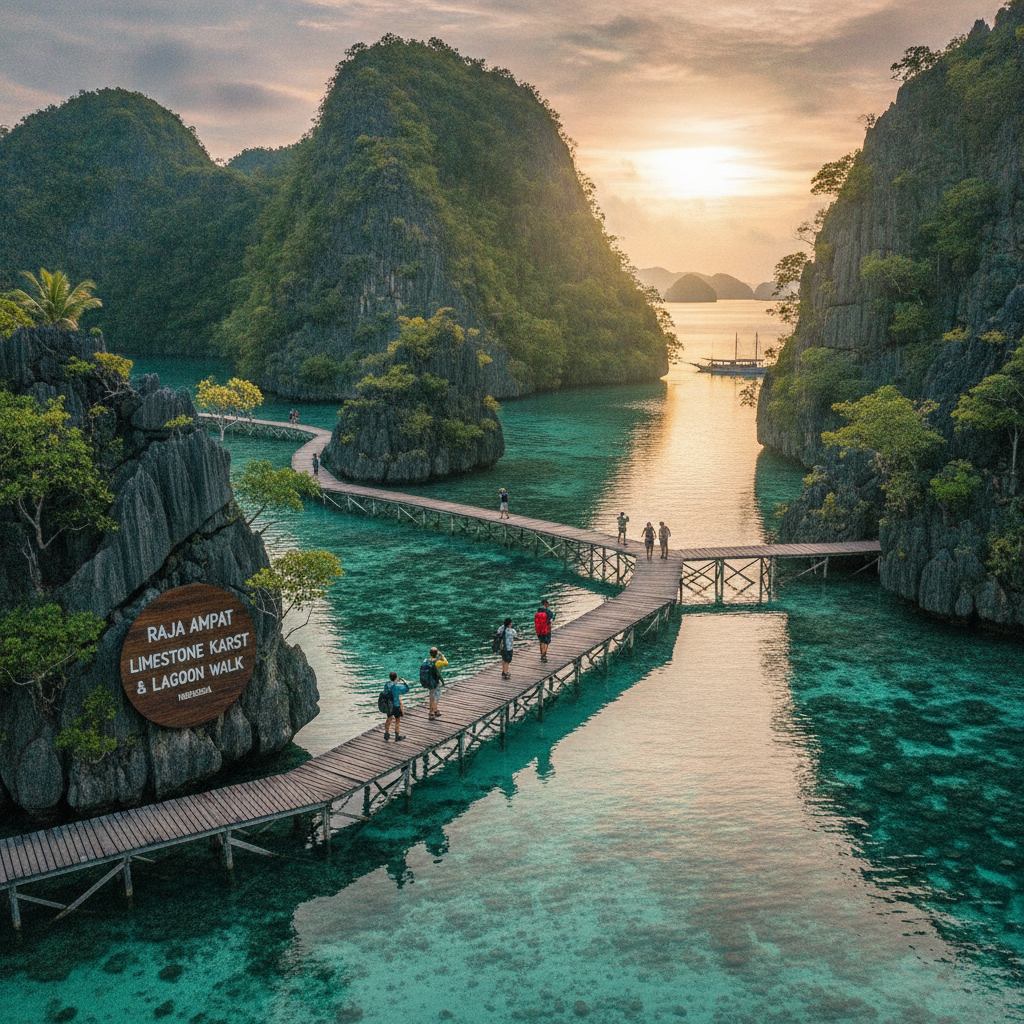
The northern circuit of the live-aboard route covers Wayag and the remote northwest islands — the combination of the iconic karst landscape, the juvenile fish nursery habitats of the shallow lagoons, and the pelagic species including hammerhead sharks that frequent the deeper water around the outer atolls makes the northern circuit the most spectacular but most weather-dependent section of the Raja Ampat safari route.
- 3
Central Raja Ampat Reef
The central Raja Ampat reef complex around Mansuar, Gam, and the Four Kings passages is where the fish species count records are set — the extraordinary density and diversity of reef fish visible in the passages and reef slopes of this area, with schools of hundreds of fish from dozens of species visible simultaneously, creates an underwater experience that even experienced divers from other Indo-Pacific locations describe as unlike anything they have seen elsewhere.
- 4
Misool South Safari Stop
The Misool section of the live-aboard circuit requires an overnight passage south from the central reefs — the more isolated position of Misool means fewer other boats, better-preserved reef, and the chance to dive the Misool marine reserve where fish populations have recovered dramatically since protection began, with Napoleon wrasse, potato grouper, and shark populations at densities that serve as a model of what reef conservation can achieve.
- 5
Manta Sandy Cleaning Station
Manta Sandy is the most reliable manta ray encounter site in Raja Ampat — the shallow sandy area where manta rays hover to be cleaned of parasites by wrasse fish has been documented since the early days of dive tourism in the archipelago, and the community agreement that prohibits any harvest of mantas in exchange for the dive tourism revenue they generate is one of the most successful single-species conservation stories in Indonesian marine management.
- 6
Blue Magic Dive Site
Blue Magic is one of the most famous dive sites in Raja Ampat — the submerged pinnacle in the passage between Gam and Mansuar islands rises from 30m depth and is swept by currents that concentrate schooling fish in quantities that make the site feel like a living explosion of marine life, with large groups of wobbegong sharks resting on the rock and the entire water column from bottom to surface occupied by different species at different depths.
Walk this route with audio
Stories play automatically as you reach each stop — no tapping needed.