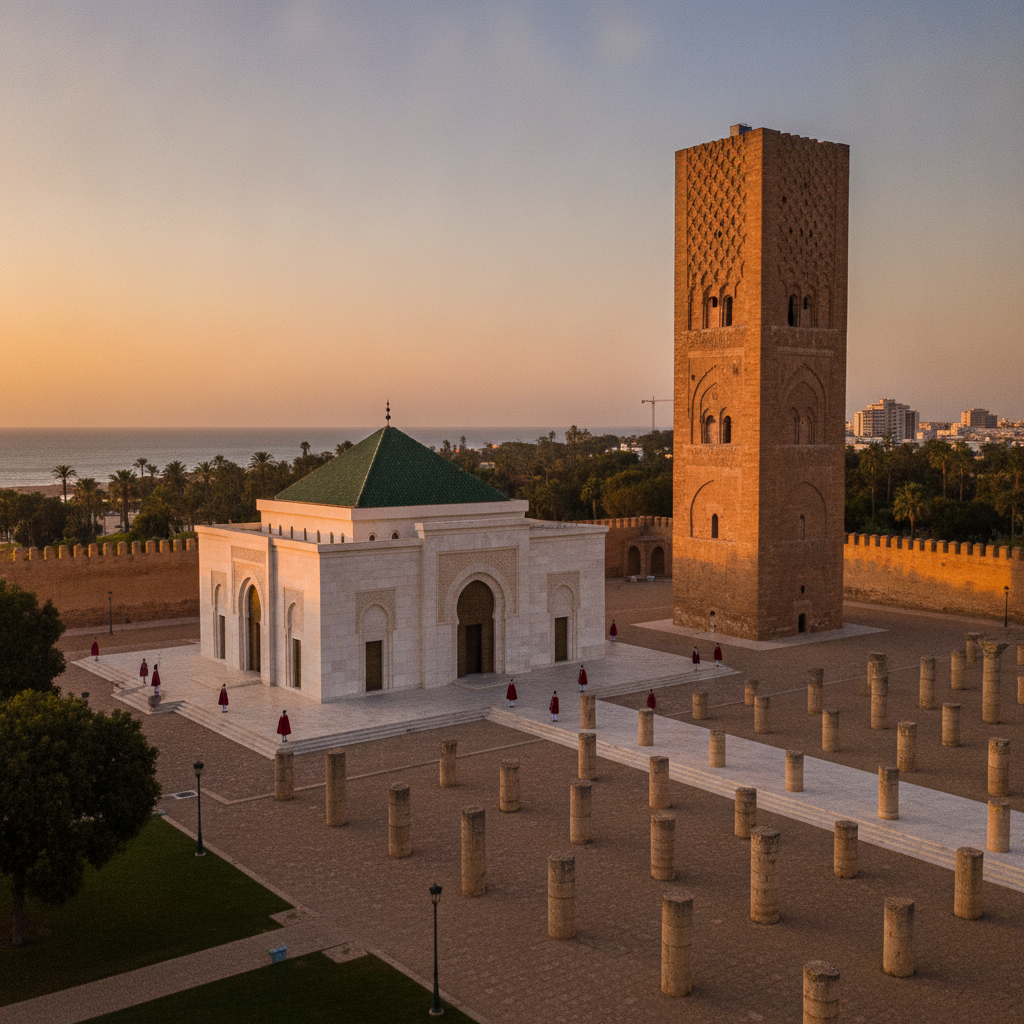
Rabat Culture: The Museum of Archaeology, the Mohammed VI Museum of Modern Art, the Cultural Circuit, and the Rabat Arts Scene
The Rabat culture route covers the Museum of Archaeology as the most comprehensive single Moroccan prehistory and ancient history collection, the Mohammed VI Museum of Modern and Contemporary Art as the only dedicated modern art museum in Morocco, the cultural circuit, and the Rabat arts scene as the most institutionally developed single Moroccan cultural capital.
- 1
Museum of Archaeology: The Morocco Prehistory Collection
The Rabat Museum of Archaeology (Musee Archeologique de Rabat), the most comprehensive single collection of Moroccan prehistory and ancient history in the country with the Jebel Irhoud fossils (the most important single early Homo sapiens archaeological find in Africa, dating to 315,000 BP and pushing back the earliest modern human date by 100,000 years), the Volubilis bronze busts (the Juba II and the Ptolemy busts, the most artistically accomplished single Moroccan Roman portraits), and the prehistoric Venus figurines, is the single best context for understanding the full depth of the Moroccan human occupation history. The Jebel Irhoud human remains, found in 2017 in the western Moroccan pre-Atlas, are the most globally significant single Moroccan archaeological discovery of the 21st century.
- 2
Mohammed VI Museum of Modern and Contemporary Art
The Mohammed VI Museum of Modern and Contemporary Art (MMVI, opened 2014), the only dedicated modern and contemporary art museum in Morocco and the most significant single cultural infrastructure investment of the Mohammed VI reign, houses the most comprehensive single collection of Moroccan modern art from the 1920s to the present with the work of Mohammed Hamri, Fatima Hassan, Chabia Tallal, and Ahmed Cherkaoui representing the most complete single survey of the Moroccan modern artistic tradition. The MMVI is the most internationally significant single Moroccan cultural institution and the institution most responsible for the international recognition of the Moroccan contemporary art scene.
- 3
Villa des Arts Rabat: The Contemporary Gallery
The Villa des Arts Rabat, the French-era villa converted to the most programmatically active single contemporary art gallery in the Moroccan capital, hosts the most diverse single program of Moroccan and international contemporary art exhibitions, the most educationally comprehensive single children art program in Morocco, and the most consistently attended single art opening events in the Rabat social calendar. The Villa des Arts is the most important single non-governmental art institution in Rabat and the gallery most associated with the emerging Moroccan contemporary art market.
- 4
Rabat Music Scene: The Gnawa and the Contemporary Mix
The Rabat music scene, the most institutionally developed single Moroccan music capital with the Conservatoire National de Musique (the most established single Moroccan music education institution), the OUM record label (the most internationally distributed single Moroccan contemporary music label), and the Rabat Mawazine World Music Festival (the most attended single music festival in the world by total audience, with 2.5 million attendees in the most recent editions) combining the traditional Andalusian-Moroccan music, the Gnawa, and the international pop and world music. The Mawazine festival positions Rabat as the most musically cosmopolitan single African capital.
- 5
Agdal Garden: The Royal Botanical Landscape
The Agdal Garden (Royal Agdal Garden), the 12th century Almohad royal garden south of the Rabat Royal Palace covering 400 hectares of orange, olive, and lemon orchards with the most extensive single royal horticultural estate in Morocco, is accessible to the public on Friday and Sunday when the King is not in residence. The Agdal garden, the most historically continuous single agricultural royal estate in Morocco (continuously cultivated since the 12th century), is the most important single botanical cultural landscape in the Moroccan royal heritage.
- 6
Rabat Literary Heritage: The Capital Writers
Rabat is the most academically prestigious single Moroccan city with Mohammed V University (1957, the oldest and most internationally ranked single Moroccan university), the Institut National des Langues et Civilisations Orientales affiliate institutions, and the most concentrated single Moroccan literary community. The Moroccan French-language novel tradition (Abdellatif Laabi, Tahar Ben Jelloun, Mohammed Kair-Eddine) is most closely associated with the Rabat-Fes intellectual axis and the most politically engaged single literary tradition in North Africa, directly connected to the post-independence Moroccan identity construction.
Walk this route with audio
Stories play automatically as you reach each stop — no tapping needed.
More in Rabat

Rabat Medina: The Old City Souk, the Carpet and Craft Market, the Andalusian Quarter Legacy, the Medina Daily Life, and the Traditional Market Character
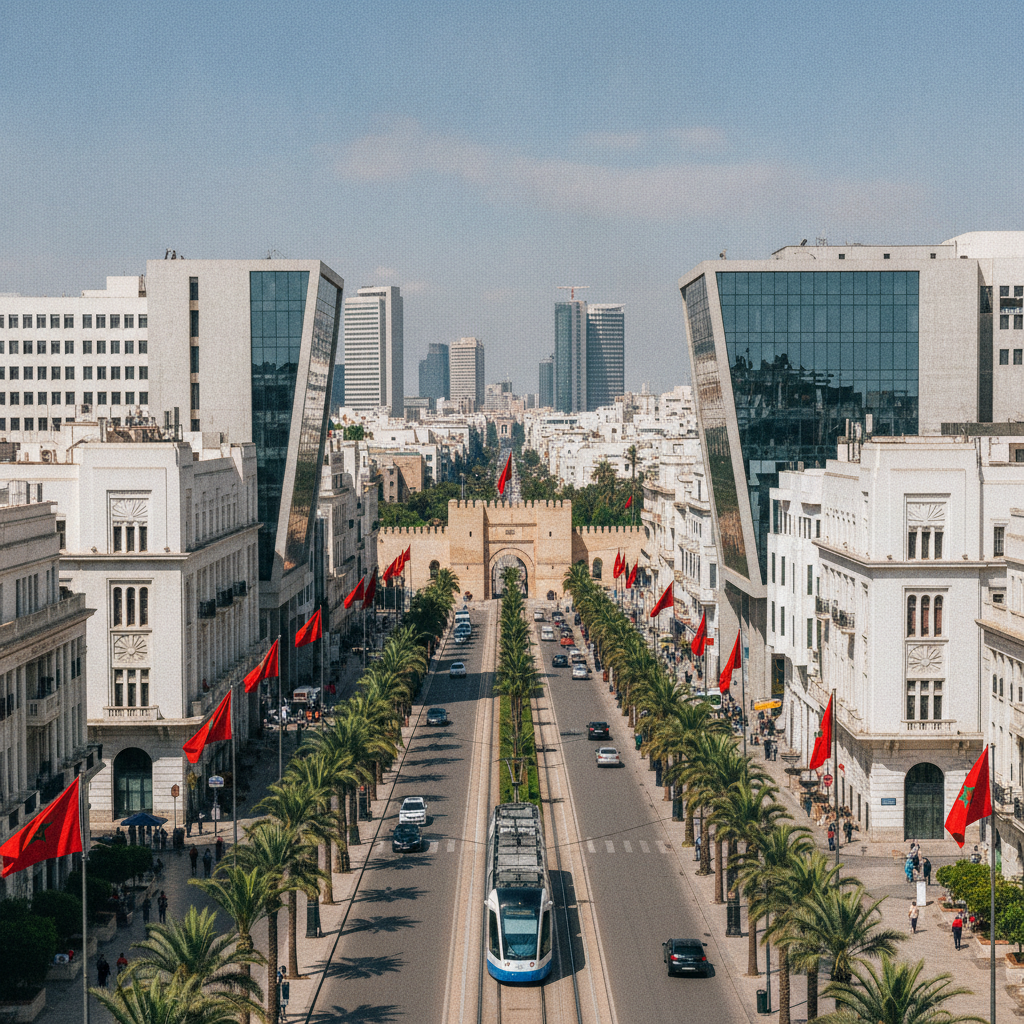
Rabat Modern: The Ville Nouvelle French Architecture, the Avenue Mohammed V Boulevard, the Art Deco Heritage, the Modern Capital Planning, and the Contemporary Rabat Character

Rabat Food: The Malsouka Pastry, the Seafood from the Atlantic, the Diplomatic Restaurant Scene, the Ville Nouvelle Cafe Culture, and the Rabat Culinary Character
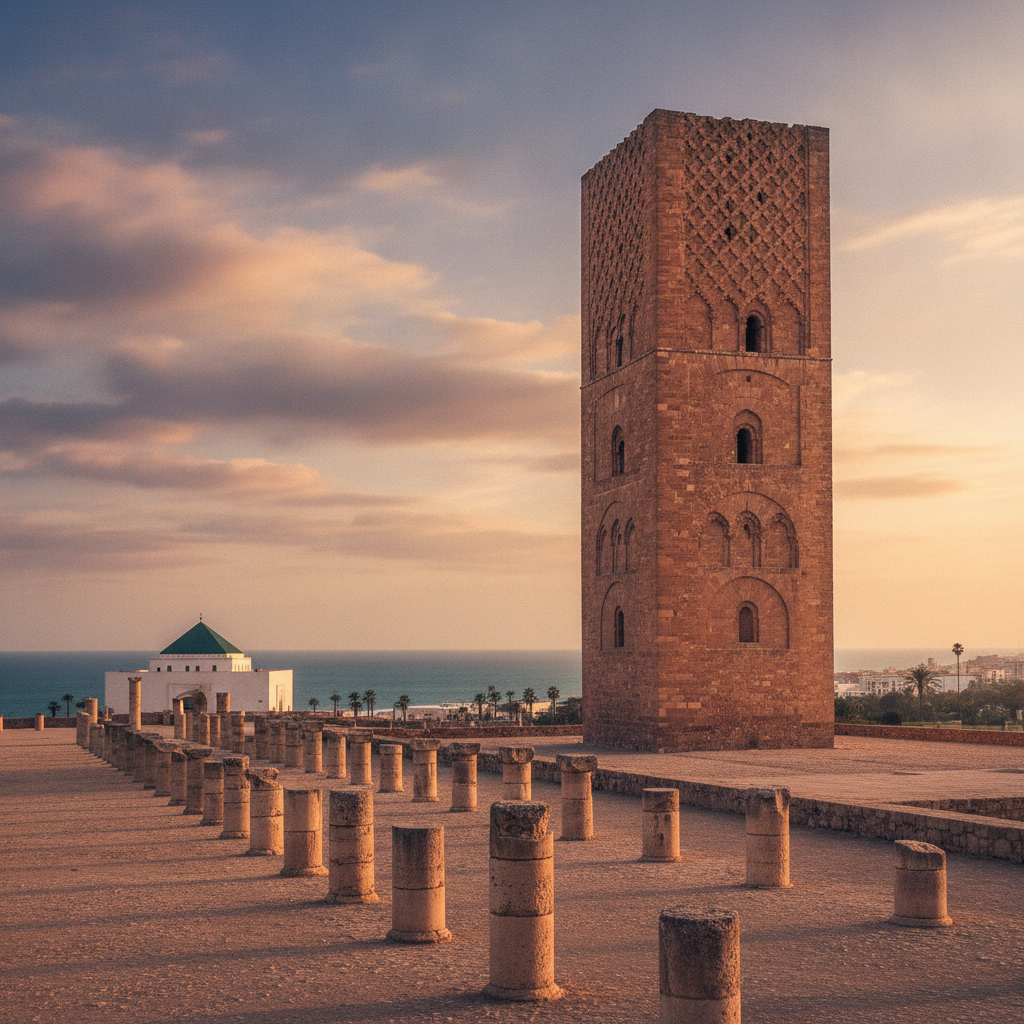
Rabat Essential: The Hassan Tower, the Mohammed V Mausoleum, the Chellah Necropolis, the Kasbah of the Oudaias, the Royal Palace, and the Moroccan Capital Character

Rabat Outdoors: The Atlantic Beach, the Bou Regreg Waterfront, the Sale Corniche, the Kasbah Oudaias Terrace, and the Rabat Outdoor Life