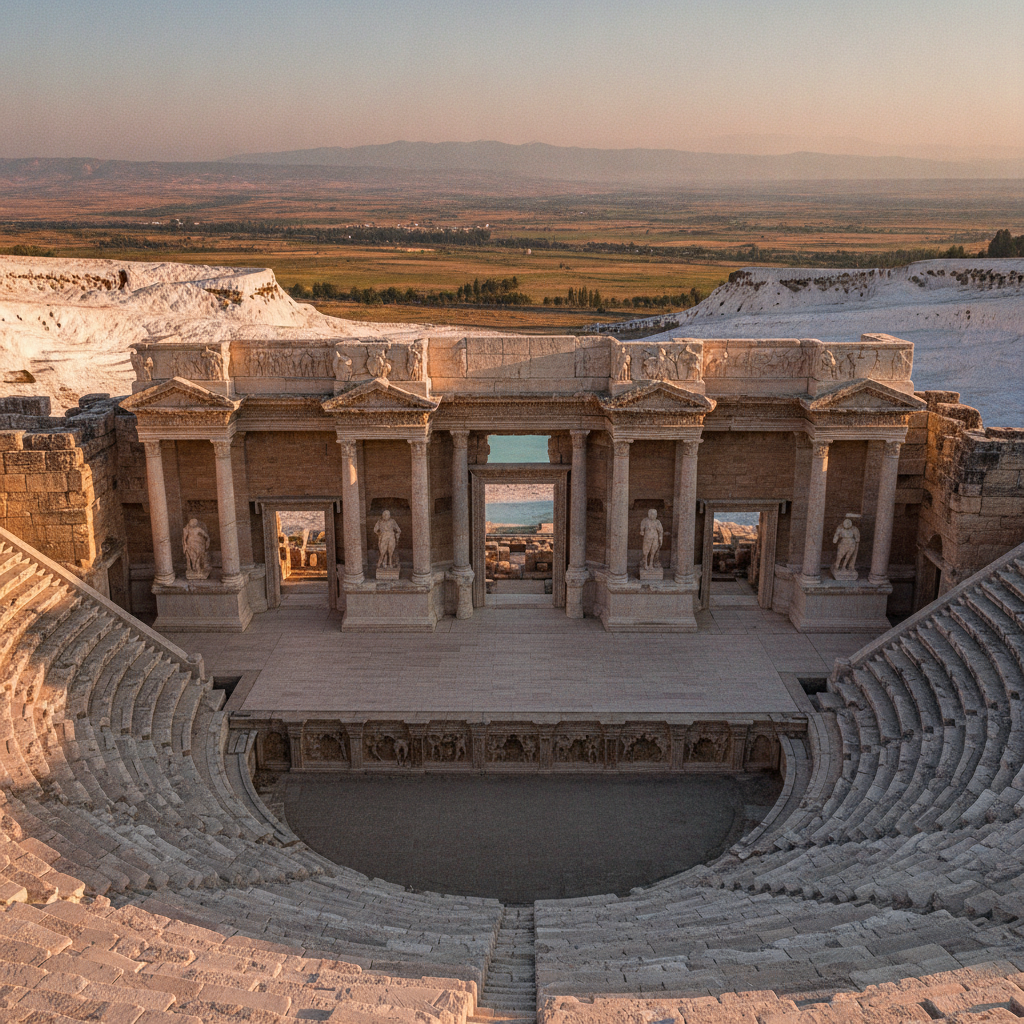
Laodicea: The Lukewarm Church of Revelation, the Colossians Letter, the Syrian Agora, the Stadium, the Two-Source Water System, and the Active Turkish Excavation
The Laodicea route covers the Revelation letter condemning the lukewarm church, the Pauline Colossians connection, the Syrian Agora as the largest in Anatolia, the privately funded stadium, the unique hot-and-cold dual aqueduct system, and the ongoing Pamukkale University excavation revealing the most completely exposed ancient city in southwestern Turkey.
- 1
Laodicea and the Lukewarm Revelation Letter
Laodicea, founded in the 3rd century BC by the Seleucid king Antiochus II and named for his wife Laodice, is addressed in the most memorably critical of the seven Revelation letters: the church is condemned for being lukewarm in faith, neither hot like the Pamukkale thermal springs 6 kilometers away nor cold like the Colossae fresh water 15 kilometers east, and the letter threatens to spit them from the mouth. The geographical metaphor was entirely legible to the original recipients who knew both water sources. The Laodicea Revelation letter is the single most frequently quoted biblical passage on spiritual complacency in church history.
- 2
Colossians Letter: The Lycus Valley Christian Network
The Letter to the Colossians explicitly mentions the Laodicea community and instructs the letter to be shared between the two churches, establishing the documented early Christian community network in the Lycus Valley that connected Laodicea, Colossae, and Hierapolis in the most densely documented single early Christian geographic cluster outside Syrian Antioch. The Epistle to Philemon also references the Laodicea connection. These three cities visible from each other across the Lycus Valley floor were the most closely integrated Christian communities in early Pauline Asia Minor and their network correspondence is the most geographically concentrated cluster of New Testament letters.
- 3
Syrian Agora: The Largest Ancient Market in Anatolia
The Syrian Agora at Laodicea, named for its Seleucid foundation, is the largest single ancient agora in Anatolia at 300 by 450 meters, larger than the Athenian Agora and the most extensive comparable civic marketplace in the Greek-Roman world. The Turkish Laodicea excavation under Professor Celal Simsek has since 2004 uncovered the colonnaded porticoes, merchant stalls, fountain buildings, and civic inscriptions of the Syrian Agora as the most actively excavated single ancient site in Turkey. The scale of the agora reflects Laodicea's role as the primary banking center and textile market of the Asia province.
- 4
Laodicea Stadium: Private Wealth Monument
The Laodicea stadium, built in the 1st century AD by the citizen Nikostratos from his private resources as the most dramatic single act of civic benefaction in the Lycus Valley, demonstrates the extraordinary wealth that Laodicea accumulated from banking and the soft black Laodicean wool textile trade that supplied Roman markets. The ancient city was so wealthy that after the earthquake of 60 AD it refused imperial financial assistance and rebuilt entirely from private resources - the only documented case in the history of Roman provincial disaster relief of a city declining imperial aid. The stadium is the physical monument to that Laodicean financial independence.
- 5
Laodicea Water System: The Hot and Cold Dual Aqueduct
The Laodicea water supply was the most unusually designed in the ancient world because the city received water from two opposite temperature sources: the hot calcium-rich thermal water piped from the Pamukkale springs and the cold fresh water piped from the Colossae spring 15 kilometers east. The two aqueducts joined at the Laodicea distribution system. The ancient pipes carrying Pamukkale water are encrusted with calcium deposit and are among the most identifiable archaeological features of the Laodicea hydraulic infrastructure. The physical reality of the hot-cold water duality directly informed the Revelation letter metaphor that the Laodicean Christians would have understood immediately.
- 6
Laodicea Excavation: The Ongoing City Revelation
The Laodicea excavation is the most actively productive ancient city dig in Turkey with new discoveries each field season including the Byzantine church complex, the Ionic colonnaded street, the North Church, and the complete ancient street plan. The excavation policy of immediately presenting excavated structures in walkable visitor form makes Laodicea the most completely exposed and accessible ancient city in southwestern Turkey. The visitor today sees a city being revealed in real time, with excavation tents and active digs alongside the finished presentation of the already-uncovered districts, creating the most dynamically changing single archaeological visitor experience in Turkey.
Walk this route with audio
Stories play automatically as you reach each stop — no tapping needed.
More in Pamukkale

Pamukkale Practical: Transport from Istanbul and Izmir, the Ephesus Circuit, Accommodation Strategy, Optimal Visit Timing, the Day Trip Options, and the Departure Summary
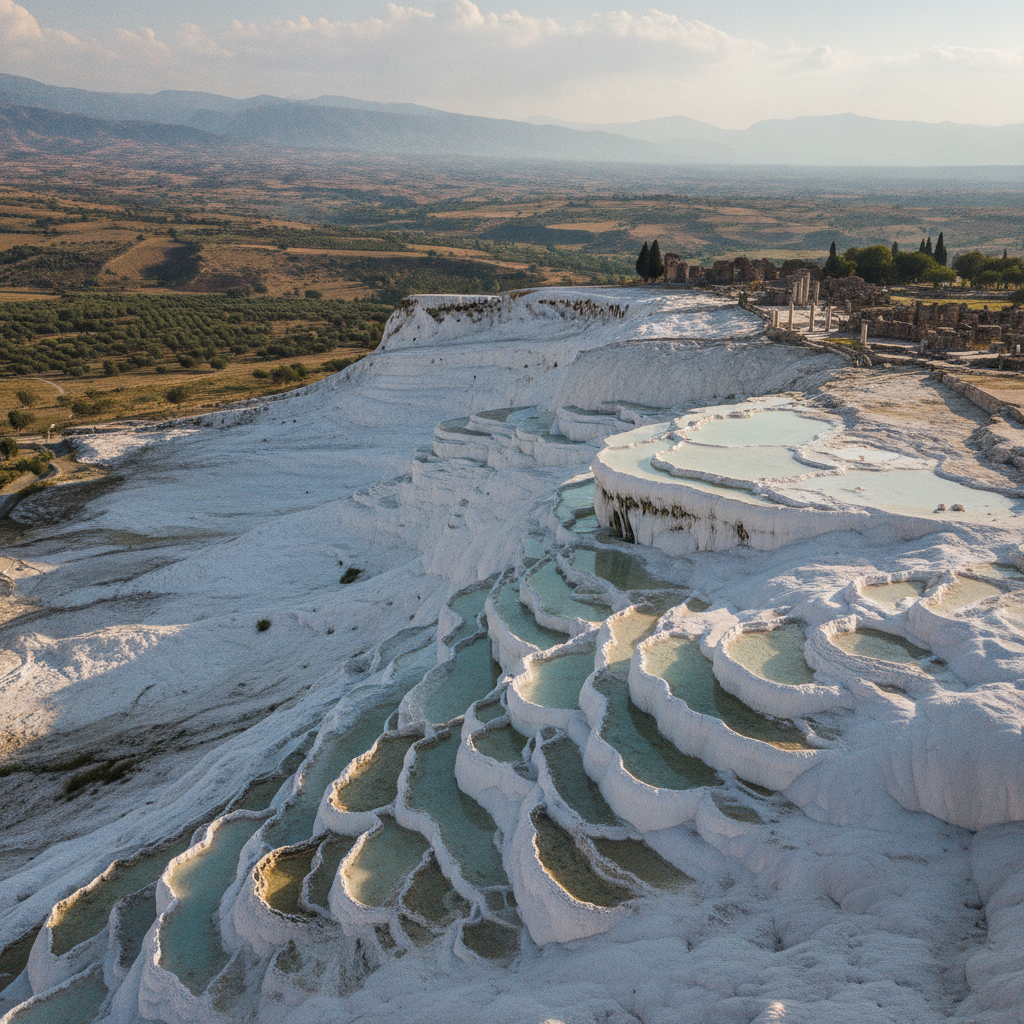
Pamukkale Essential: Cotton Castle Travertine Terraces, Hierapolis Roman Spa City, Cleopatra Sacred Pool, Geological Wonder, Thermal Spring Culture, and the Denizli Gateway
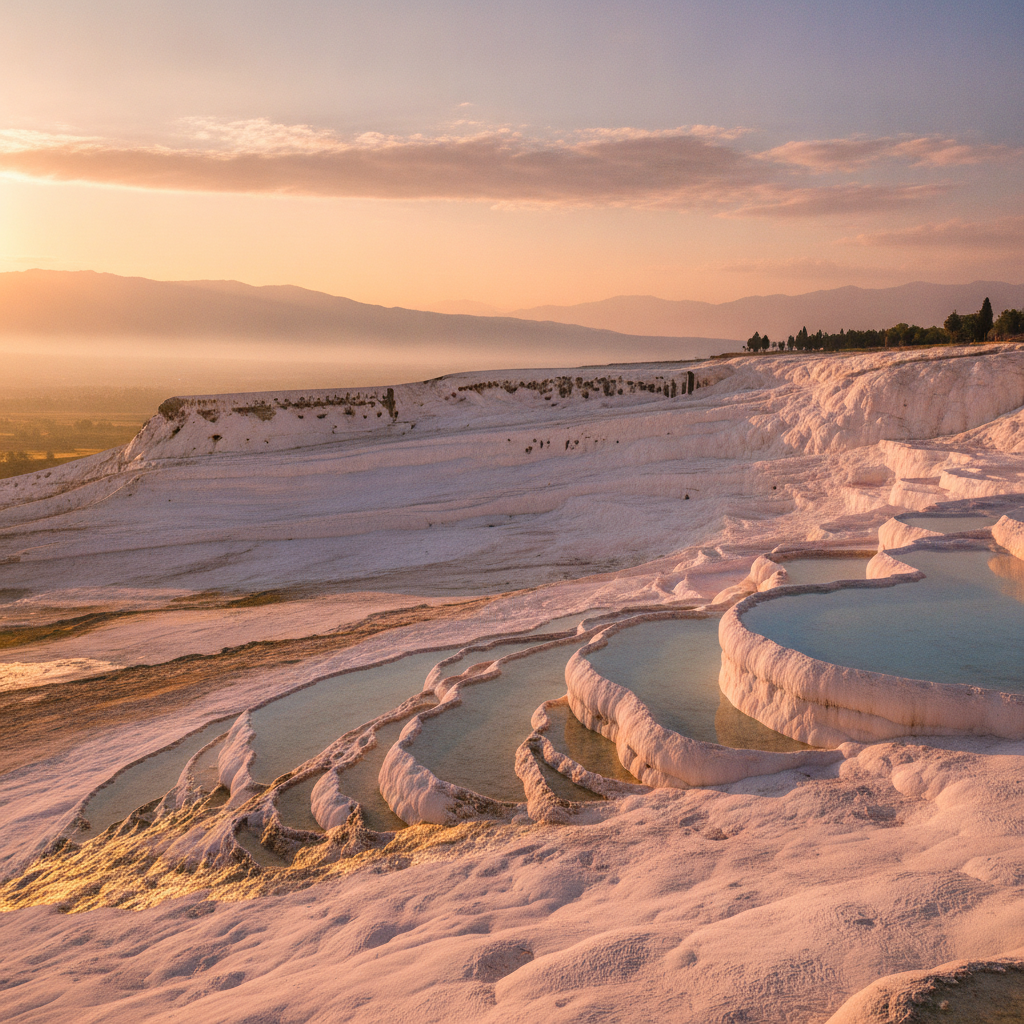
Pamukkale Photography: Sunrise Terrace Walk, Blue Pool Reflections, Hierapolis Theatre Compositions, Aerial Perspectives, Seasonal Changes, and the Ethics of UNESCO Site Photography
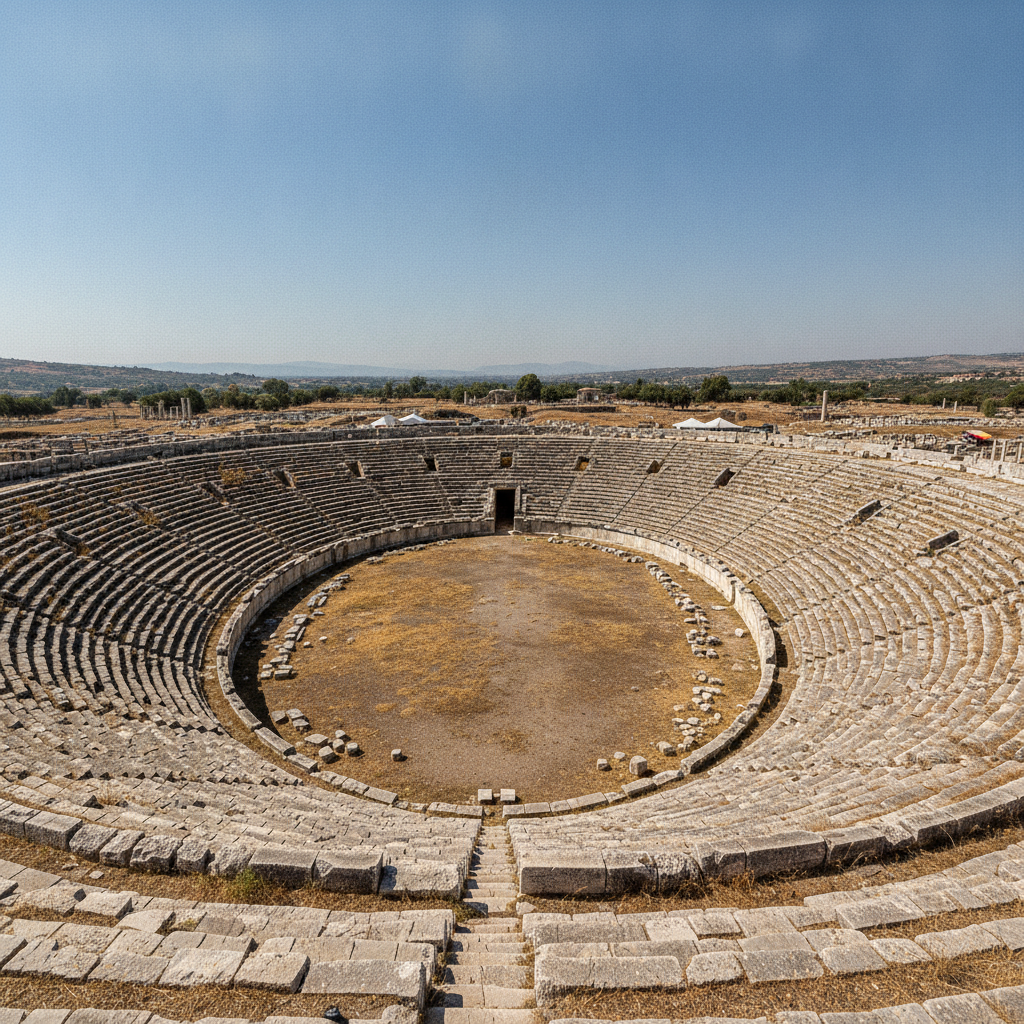
Aphrodisias Day Trip: The Roman Sculpture Capital, the World Record Stadium, the Sebasteion Imperial Frieze, the On-Site Museum, the Temple of Aphrodite Conversion, and the Marble Quarry Source
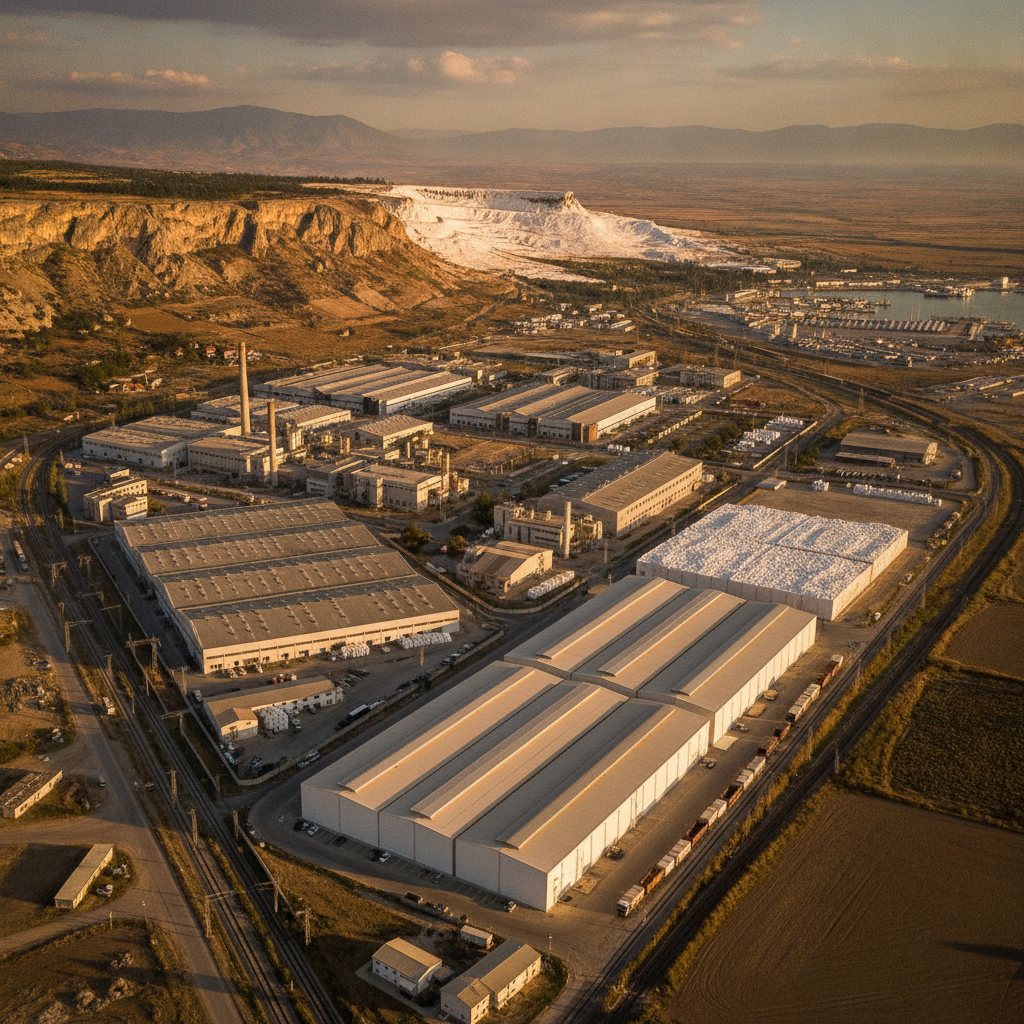
Denizli Province: The Ancient Colossae Site, the Global Textile Industry, the Kaklik Cave Underground Pamukkale, the Lycus Valley Cotton Heritage, and the Modern Denizli City