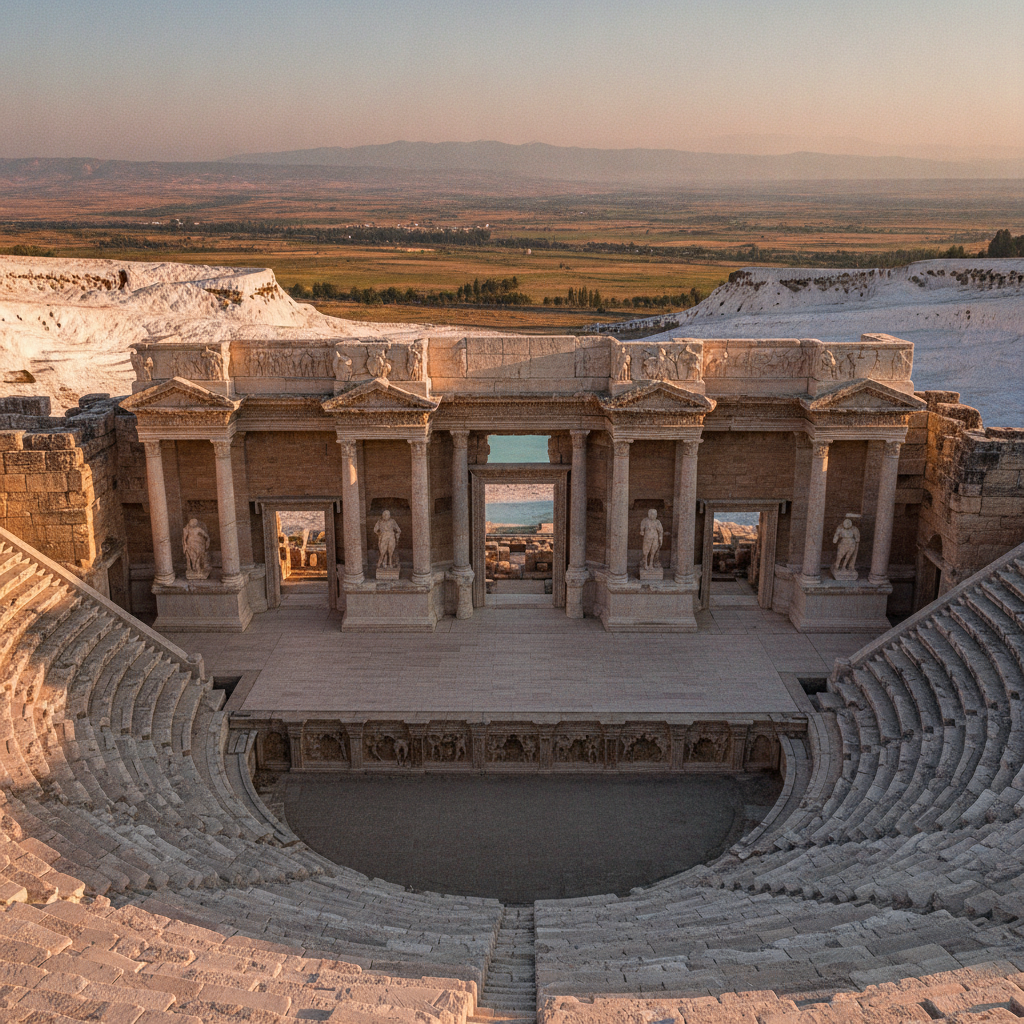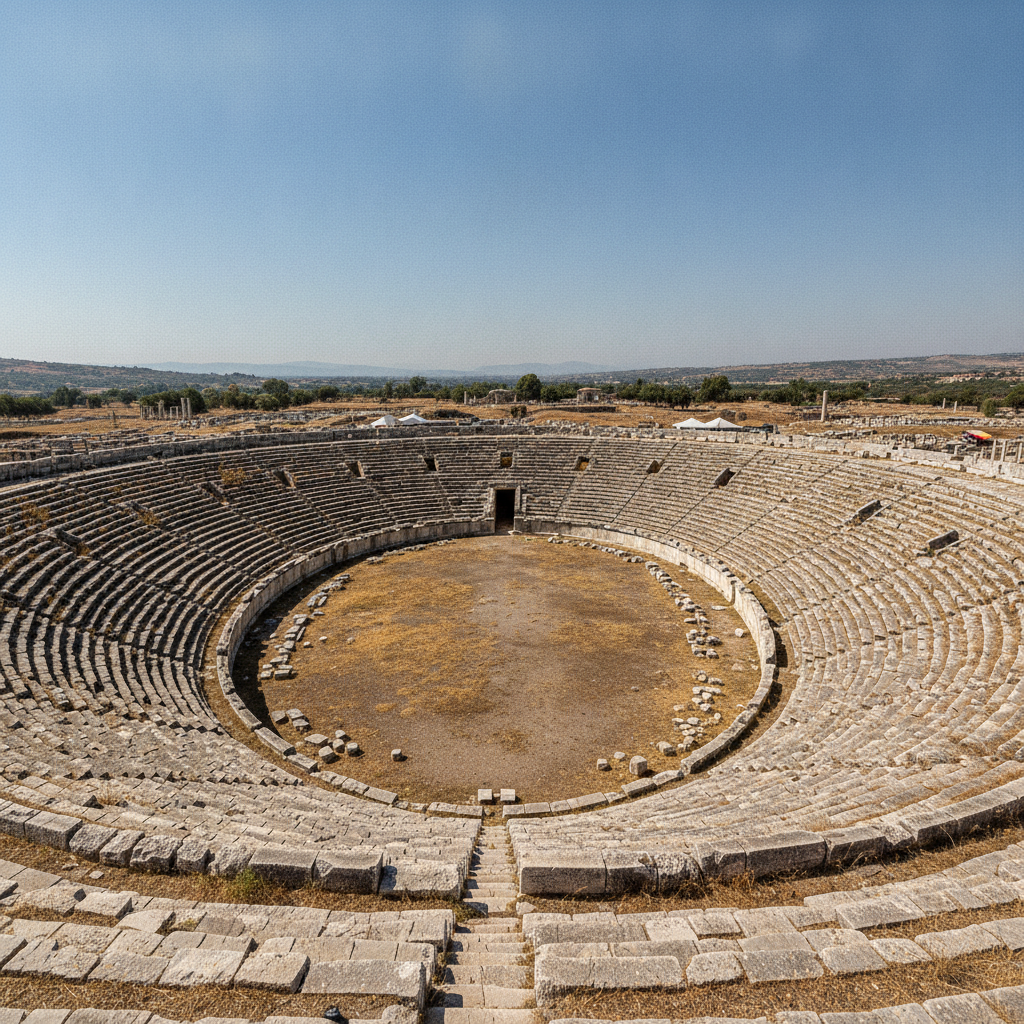
Aphrodisias Day Trip: The Roman Sculpture Capital, the World Record Stadium, the Sebasteion Imperial Frieze, the On-Site Museum, the Temple of Aphrodite Conversion, and the Marble Quarry Source
The Aphrodisias day trip covers the most important Roman provincial sculpture school, the best preserved ancient stadium anywhere, the Julio-Claudian Sebasteion imperial frieze program, the richest single-site museum in southwestern Turkey, the converted Temple of Aphrodite, and the marble quarry that funded the sculptors.
- 1
Aphrodisias: The Roman Sculpture Capital of Asia
Aphrodisias in the Geyre Valley 100 kilometers from Pamukkale was the most important sculptural production center in the Roman empire from the 1st century BC through the 5th century AD. Working in the local blue-grey marble quarried from the Babadagi mountain above the city, the Aphrodisian sculptors produced architectural sculpture, portrait busts, and mythological figures exported to Rome, Alexandria, and provincial capitals empire-wide. Signed Aphrodisian workshop pieces appear in the most prestigious Roman collections and the Aphrodisias sculptors were the most commercially successful named artistic brand in the ancient Mediterranean world.
- 2
Aphrodisias Stadium: The Most Complete Ancient Sports Venue
The Aphrodisias stadium is the most completely preserved ancient stadium in the world with the full perimeter wall intact, the semicircular east end, and 30,000-capacity stepped seating still standing to 30 rows. The Aphrodisian Games held here were the most prestigious athletic competition in the Asia province, awarding the permanent tax-exempt status (ateleia) to champions. The stadium was converted to an amphitheatre in the late Roman period by blocking the west end and installing gladiatorial arena fittings. The unaltered stadium form visible today is the result of the conversion being less thorough than at other Roman athletic sites.
- 3
Sebasteion: The Julio-Claudian Imperial Propaganda Program
The Sebasteion at Aphrodisias, the double-colonnaded processional way built between 20 and 60 AD, carried 190 sculptural relief panels on three levels depicting the Julio-Claudian emperors as mythological heroes, conquered nations as personified female figures, and Homeric myths linking the Julian family to divine descent. This is the most elaborate surviving narrative imperial sculptural program in the Roman world and the panels displayed in the Aphrodisias Museum constitute the most important single collection of Roman imperial propaganda sculpture in Turkey. The Augustus panel showing the emperor receiving the personification of land and sea is the most frequently reproduced single image from the Sebasteion.
- 4
Aphrodisias Museum: The On-Site Collection
The Aphrodisias Museum built within the excavation site by the Columbia University archaeologist Kenan Erim, who directed the dig from 1961 to 1990, is the most completely stocked single-site archaeological museum in Turkey. The galleries display the Sebasteion relief panels, a portrait gallery of philosophers, governors, and athletes who commissioned Aphrodisian work, and sculptural fragments from the ongoing excavation. The sculptor workshop gallery documents the production methods and the unfinished pieces that show the marble carving stages, making this the most complete documentation of a named ancient artist workshop available in any archaeological museum in the world.
- 5
Temple of Aphrodite: The Pagan to Christian Conversion
The Temple of Aphrodite at Aphrodisias, the 1st century BC peripteral temple with 40 Ionic columns on a high podium, was converted in the 5th century AD to a Christian basilica by rotating the entrance from east to west and inserting the apse into the east end of the cella. This is the most architecturally elaborate pagan-to-Christian temple conversion in Turkey and the structure that most physically embodies the late Roman religious transformation. The standing columns of the cella still carrying the original Ionic capitals surrounded by the Byzantine basilica plan create the most complex single architectural palimpsest in southwestern Anatolia.
- 6
Aphrodisias Marble Quarry: The Source of Art
The marble quarry on the Babadagi slope above Aphrodisias, source of the blue-grey marble that made the Aphrodisian sculptors the most commercially successful in the Roman empire, still shows the ancient quarry channels, the half-extracted column drums abandoned when Byzantine economic decline stopped production, and the quarry ramps where marble blocks were slid to the valley below. The quarry visit connects the artistic achievement of Aphrodisias to its geological circumstance and shows why this specific valley in the Anatolian plateau became the empire's sculpture capital: the raw material of unsurpassed quality lay directly above the city.
Walk this route with audio
Stories play automatically as you reach each stop — no tapping needed.
More in Pamukkale

Pamukkale Practical: Transport from Istanbul and Izmir, the Ephesus Circuit, Accommodation Strategy, Optimal Visit Timing, the Day Trip Options, and the Departure Summary
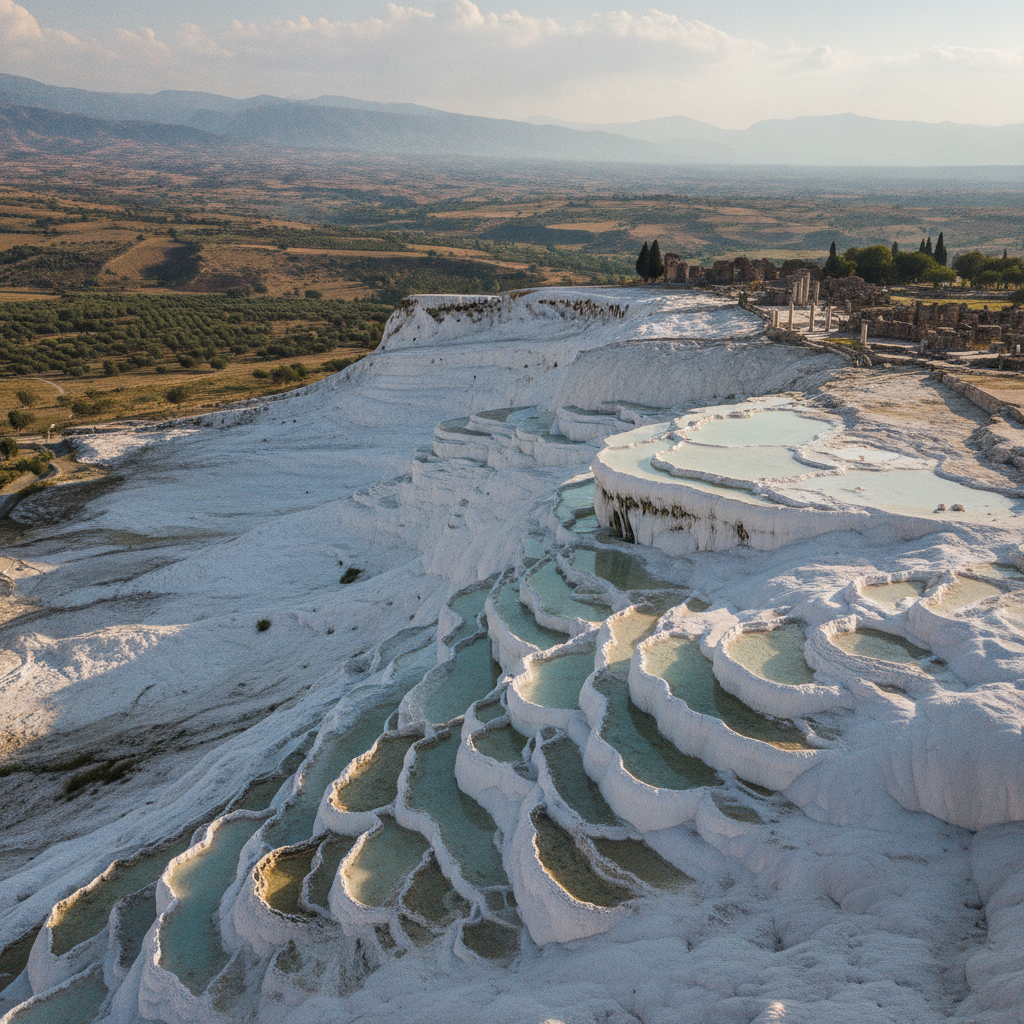
Pamukkale Essential: Cotton Castle Travertine Terraces, Hierapolis Roman Spa City, Cleopatra Sacred Pool, Geological Wonder, Thermal Spring Culture, and the Denizli Gateway
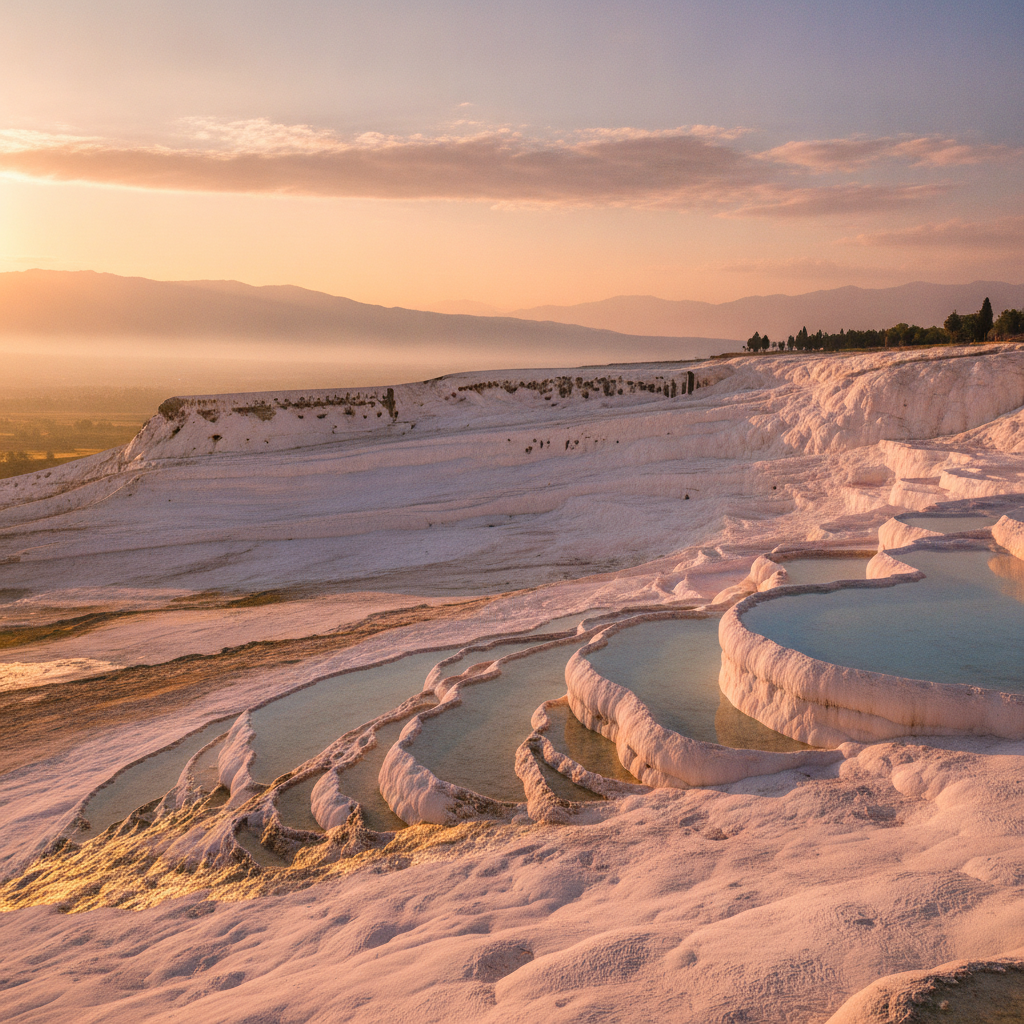
Pamukkale Photography: Sunrise Terrace Walk, Blue Pool Reflections, Hierapolis Theatre Compositions, Aerial Perspectives, Seasonal Changes, and the Ethics of UNESCO Site Photography
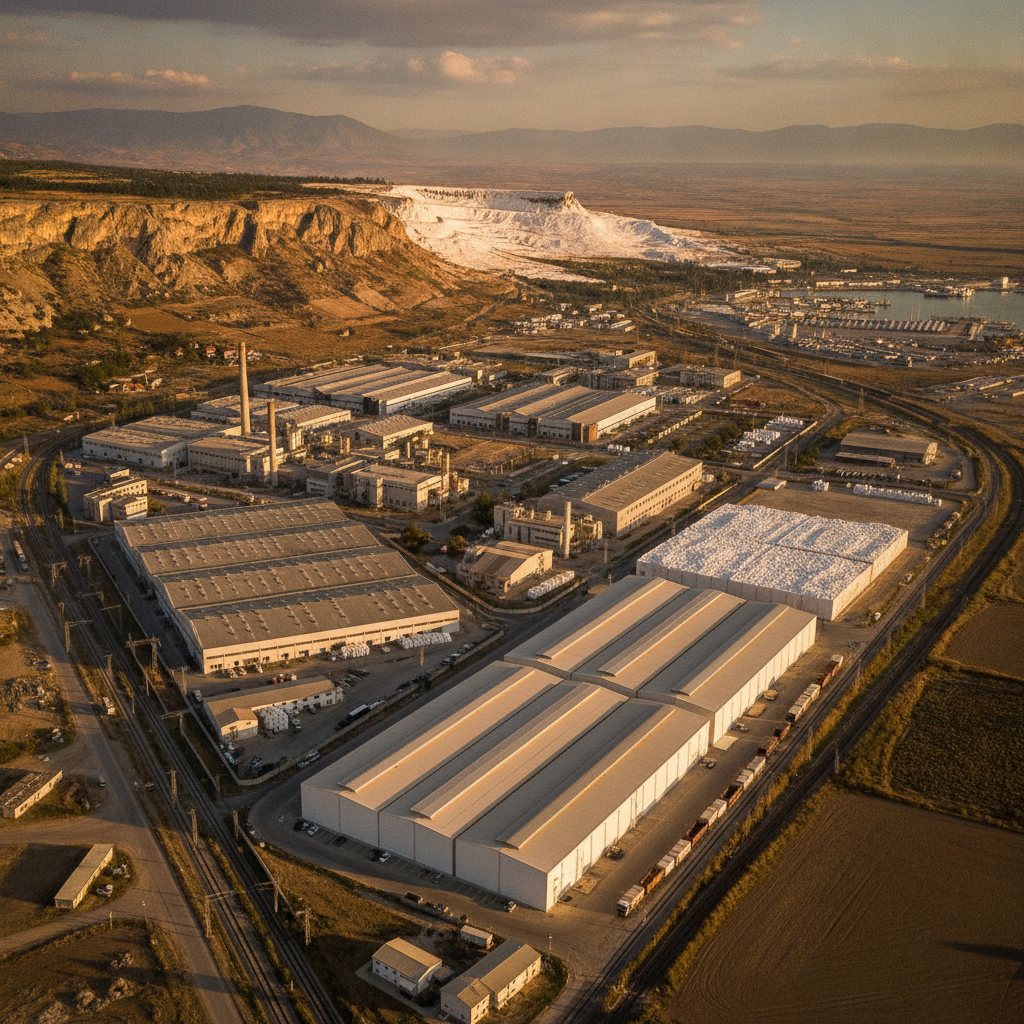
Denizli Province: The Ancient Colossae Site, the Global Textile Industry, the Kaklik Cave Underground Pamukkale, the Lycus Valley Cotton Heritage, and the Modern Denizli City

Laodicea: The Lukewarm Church of Revelation, the Colossians Letter, the Syrian Agora, the Stadium, the Two-Source Water System, and the Active Turkish Excavation